
Audit and Compliance Reporting: The Records Behind a Commercial Program
Inspectors and auditors often judge a program by its records. Alabama Professional Services keeps them on every visit.
Start With a Site Inspection of Your Facility
A technician inspects the facility, records the findings and recommends a monthly program with its documentation.
What Should You Know About Audit and Compliance Reporting?
For a commercial facility, the records of a pest program matter as much as the service. A health inspector, a customer's auditor or a corporate quality team will usually want to see what is being done, where, how often, and with what result.
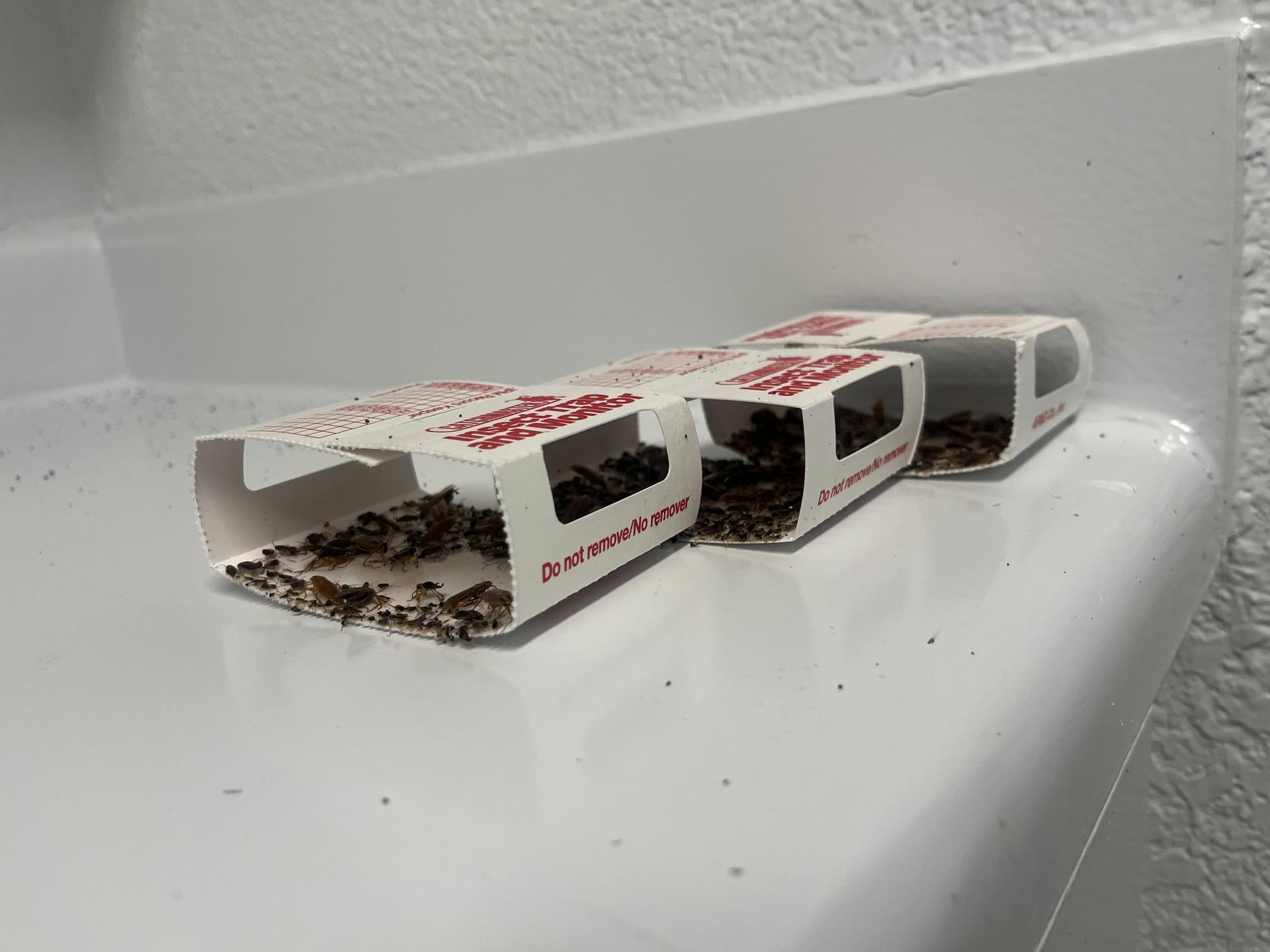
Every commercial visit produces those records. Treatment records show what was done and where. Pest sighting logs show what staff reported and how it was followed up. Chemical application logs show what product was applied, where and at what rate, and for restaurants they are kept so they can be reviewed under an FDA Food Code inspection. Trap inspection records show each device's count visit by visit, against a numbered device map.
Findings about sanitation and exclusion are recorded too, so the facility can show it acted on them. These records are what documentation means in pest management for facilities, and they can help protect a restaurant operator during a health inspection.
Audit & Compliance Reporting, Step by Step
Set the documentation scope
The records the facility needs for its inspections and audits are agreed.
Map and number devices
Every trap, station and monitor gets a number on the device map.
Record every visit
Treatments, device counts, applications and findings are recorded each month.
Log sightings
Staff sightings are logged and their follow up recorded.
Review with the facility
Records and trends are reviewed with the facility contact.
What Does a Commercial Program From APS Include?
Commercial programs run on a monthly service schedule, with every visit documented.
Your file holds treatment records, pest sighting logs, chemical application logs and trap inspection records.
We carry $1M general liability per occurrence and $2M aggregate, a $5M umbrella policy and $2M pollution liability.
Answers to Common Questions About Audit & Compliance Reporting
Don't see your question here? Our team is happy to help. Reach out anytime.
Which Commercial Pest Problem Signs Can Audit and Compliance Reporting Help With?
A sign can trace to more than one cause. These are the commercial pest signs that can point to a cause this method addresses, and the inspection shows which cause is at work in your facility.
Contaminated Inventory
Contaminated inventory means pests have reached product, packaging or pallets: gnawed cartons, droppings on shelves and pallets, urine stains, webbing or insects in food, grain, seed or pet food, or holes in packaging.
Health Inspection Warnings
A health inspection warning for pests can mean live or dead insects or rodents, droppings, gnaw marks, or conditions that can let pests in, such as gaps under doors or unscreened openings.
Pest Sightings
A cockroach in a break room, a mouse along a stockroom wall or flies at a floor drain, reported by staff, a tenant or a customer, is rarely the only one.
Other Commercial Pest Solutions We Use
Each method is matched to what the inspection finds.
Commercial Drain Bioremediation
We apply a foaming enzyme and bacterial treatment to floor drains and drain lines each month to break down the film where drain flies breed.
Learn moreDisinfection & Sanitization
After rodent or wildlife activity, we remove droppings and nesting material, HEPA vacuum the affected area and apply an antimicrobial treatment.
Learn moreIntegrated Pest Management (IPM)
Your program is built on monitoring, exclusion and sanitation, with targeted treatment applied where activity is found and every monthly visit recorded.
Learn moreLarge Scale Rodent Baiting
For warehouses, plants and large sites, we place tamper resistant bait stations on a mapped layout, seal entry points at docks and doors, and service every device monthly.
Learn moreServing All of Alabama
One office in Irondale. Technicians across the state.
- Huntsville, AL
- Montgomery, AL
- Hoover, AL
- Birmingham, AL
- Madison, AL
- Vestavia Hills, AL
- Alabaster, AL
- Tuscaloosa, AL
- Auburn, AL
How a Commercial Program Starts
From the first site inspection to documented monthly service.
Site Inspection
A technician inspects the facility and records activity, entry points and the conditions drawing pests.
Written Findings and Program
We set out the findings and a recommended monthly program, with the documentation it produces.
Monthly Service
Scheduled monthly visits, with every finding and treatment recorded.
Start With a Commercial Site Inspection
Share a few details and a technician will follow up to schedule a site inspection.
- Monthly service, scheduled around your hours
- Records kept on every visit
- $5M umbrella and $2M pollution liability
Seeing One of These in Your Facility?
A technician finds the cause before recommending a program, and every finding is recorded.