




How Is the Price Set?
Commercial programs are scoped after a site inspection, because the facility's size, use, pest pressure and documentation needs set the price.
Common areas belong to everyone and can end up being nobody's job. Alabama Professional Services services them on a monthly schedule for the board.
Homeowners associations maintain buildings and grounds that every resident uses: clubhouses, pools and pool houses, fitness centers, mailbox kiosks, playgrounds, retention ponds and entrance landscaping. Pest problems there are often noticed by everyone and reported to the board. Pest control for businesses at an HOA covers the common areas under one contract, on a monthly schedule, with records the board or its management company can review.
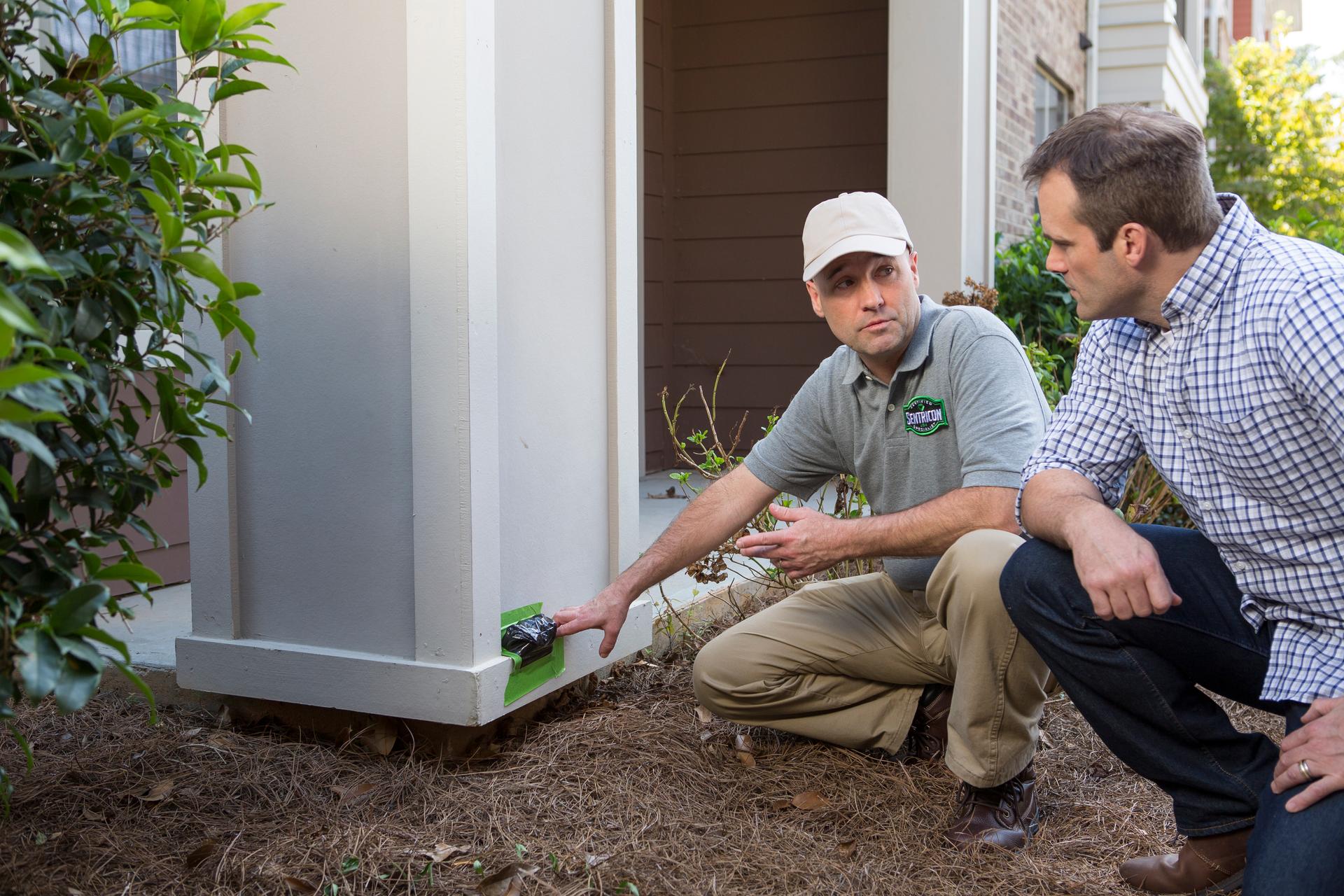
A technician inspects the facility, records the findings and recommends a monthly program with its documentation.
In Depth
What a facility manager should know about this program, from the technicians who run it.
Homeowners associations maintain buildings and grounds that every resident uses: clubhouses, pools and pool houses, fitness centers, mailbox kiosks, playgrounds, retention ponds and entrance landscaping. Pest problems there are often noticed by everyone and reported to the board. Pest control for businesses at an HOA covers the common areas under one contract, on a monthly schedule, with records the board or its management company can review.
Clubhouses and kitchens, pool houses and restrooms, fitness centers, mailbox kiosks, playgrounds and the common grounds. Individual homes are the owners' own responsibility unless the association's contract says otherwise.
The pests that come up most often are fire ants in common grounds and playgrounds, wasps under pavilions and eaves, mosquitoes near ponds, cockroaches and rodents in clubhouse kitchens, and spiders around lighting. The ant guide on fire ant mound treatment covers one of the most reported.
Wasp and hornet nests in pavilions, pool houses and playgrounds are treated.
Every visit is recorded with what was found and treated, which the board or management company can review. The page on board ready service reports covers what is recorded.
An HOA program covers one community's shared amenities for a board. The guide to property manager programs covers portfolios of buildings run by a management company.
Termites and carpenter ants in clubhouses and pavilions are part of the inspection. The sign page on wood damage in shared buildings covers what to watch for.
Alabama Professional Services carries $1 million in general liability per occurrence, $2 million aggregate, a $5 million umbrella and $2 million in pollution liability, and its technicians are licensed by the Alabama Department of Agriculture and Industries' Pesticide Management Division. Schedule a commercial inspection to scope a program for your facility.
After inspecting your property, we recommend treatment methods based on the pests present and the conditions we find.
Your program is built on monitoring, exclusion and sanitation, with targeted treatment applied where activity is found and every monthly visit recorded.
We keep the treatment records, sighting logs, application logs, trap records and device maps your facility needs for health inspections and audits.
Pest activity in a facility rarely stays in one place. Recognizing the early signs lets it be treated, corrected and documented before it becomes an inspection finding. The signs below are common in commercial buildings.
A technician finds the cause before recommending a program, and every finding is recorded.
Commercial programs run on a monthly service schedule, with every visit documented.
Your file holds treatment records, pest sighting logs, chemical application logs and trap inspection records.
We carry $1M general liability per occurrence and $2M aggregate, a $5M umbrella policy and $2M pollution liability.
Don't see your question here? Our team is happy to help. Reach out anytime.
Every facility is different, and so is the price of a program. Nothing on this page is a firm quote. A site inspection sets the scope, the service frequency and the documentation.
Commercial programs are scoped after a site inspection, because the facility's size, use, pest pressure and documentation needs set the price.
An HOA program covers shared areas; problems inside individual homes need the homeowner's own service.
The inspection decides which one fits your facility.
Commercial programs for the kinds of facilities we work in.
Pest programs for office buildings and complexes: break rooms, restrooms, mechanical spaces and entrances, serviced monthly after hours.
Learn more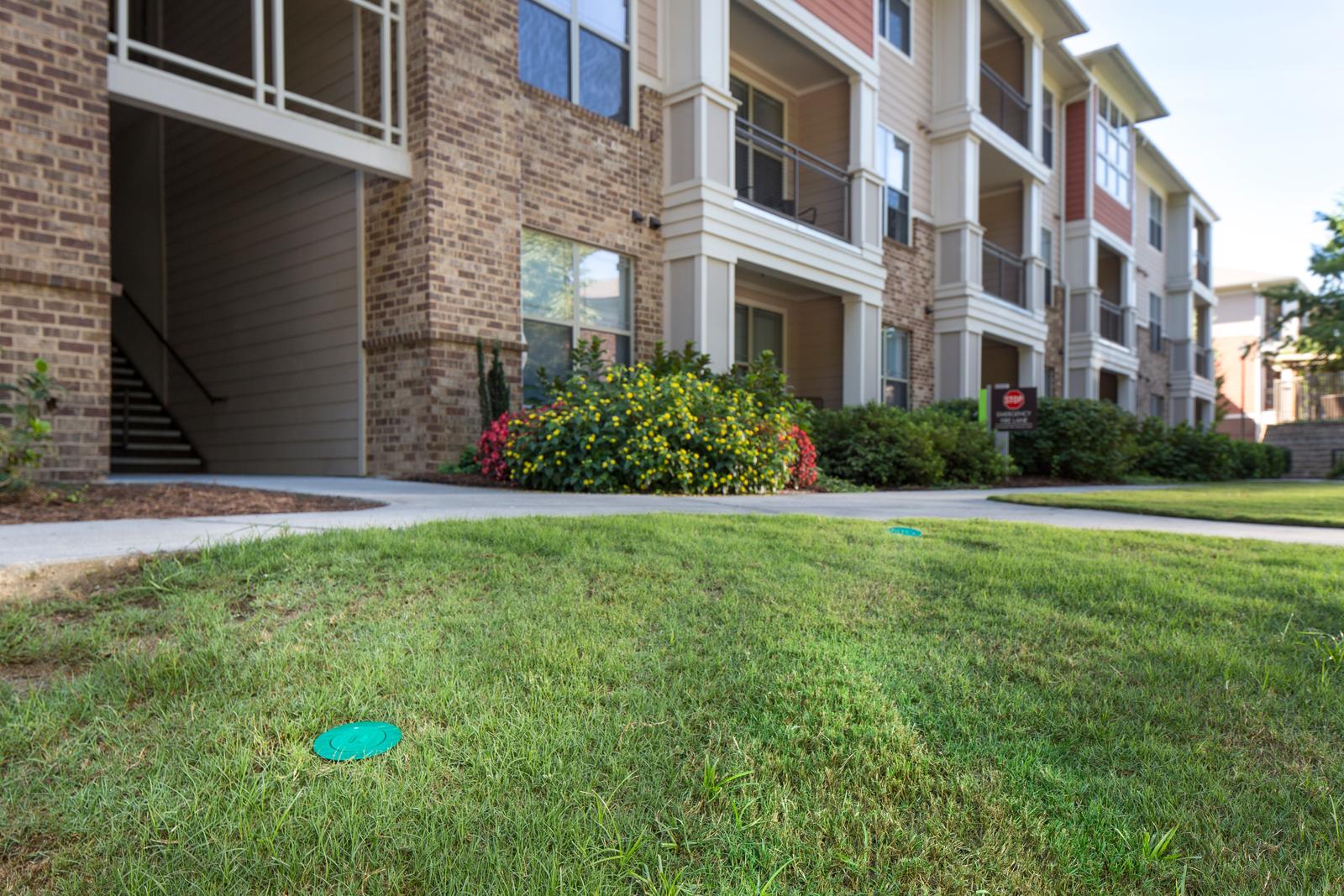
Pest programs for apartment communities: monthly common area service, unit treatments on request, bed bug and German cockroach response, and records for management.
Learn morePest programs for hotels: bed bug inspections and treatment, kitchens and banquet areas, laundry and back of house, with records by room.
Learn morePest programs for retail stores: sales floors, stockrooms, receiving and break rooms, serviced monthly outside store hours.
Learn more
Pest programs for property management companies: one program across a portfolio of offices, retail, industrial and multifamily properties, with consistent records.
Learn moreOne office in Irondale. Technicians across the state.
A straightforward path from the first inspection to lasting protection.
Clubhouses, amenities, playgrounds and common grounds are inspected.
Activity, entry points, conditions and risk areas are recorded and shared with the facility contact.
A monthly common area program and reporting schedule are agreed with the board or management company.
Scheduled monthly visits service devices, treat where needed and record every finding.
Service records are kept on file and reviewed with the facility contact.
Share a few details and a technician will follow up to schedule a site inspection.
A technician finds the cause before recommending a program, and every finding is recorded.