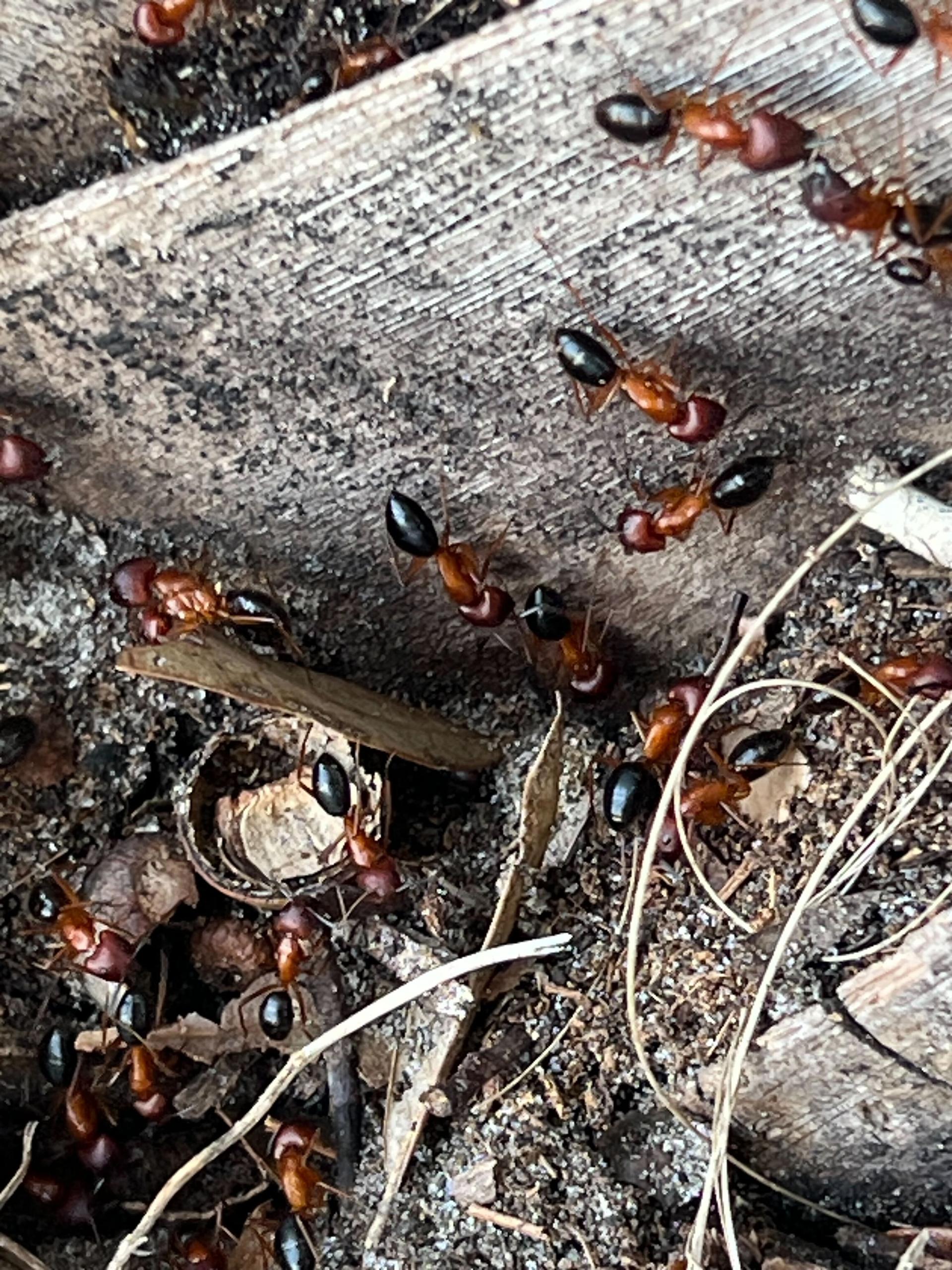
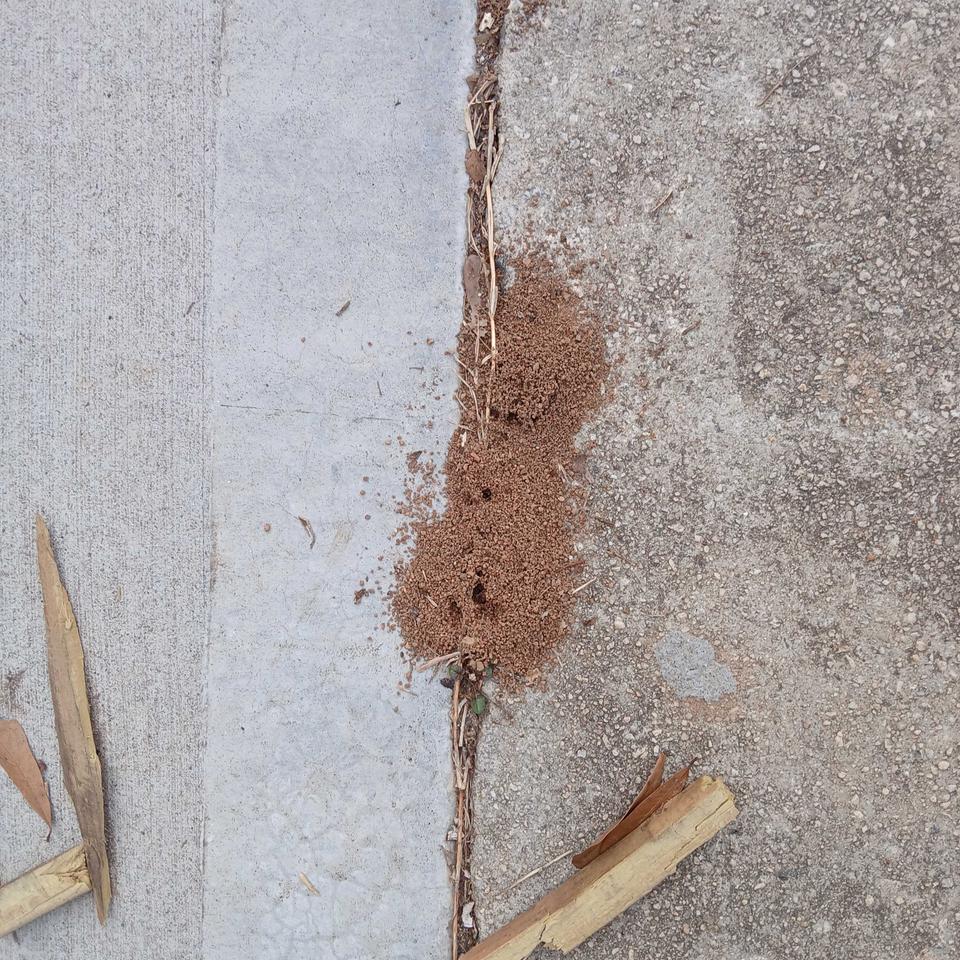
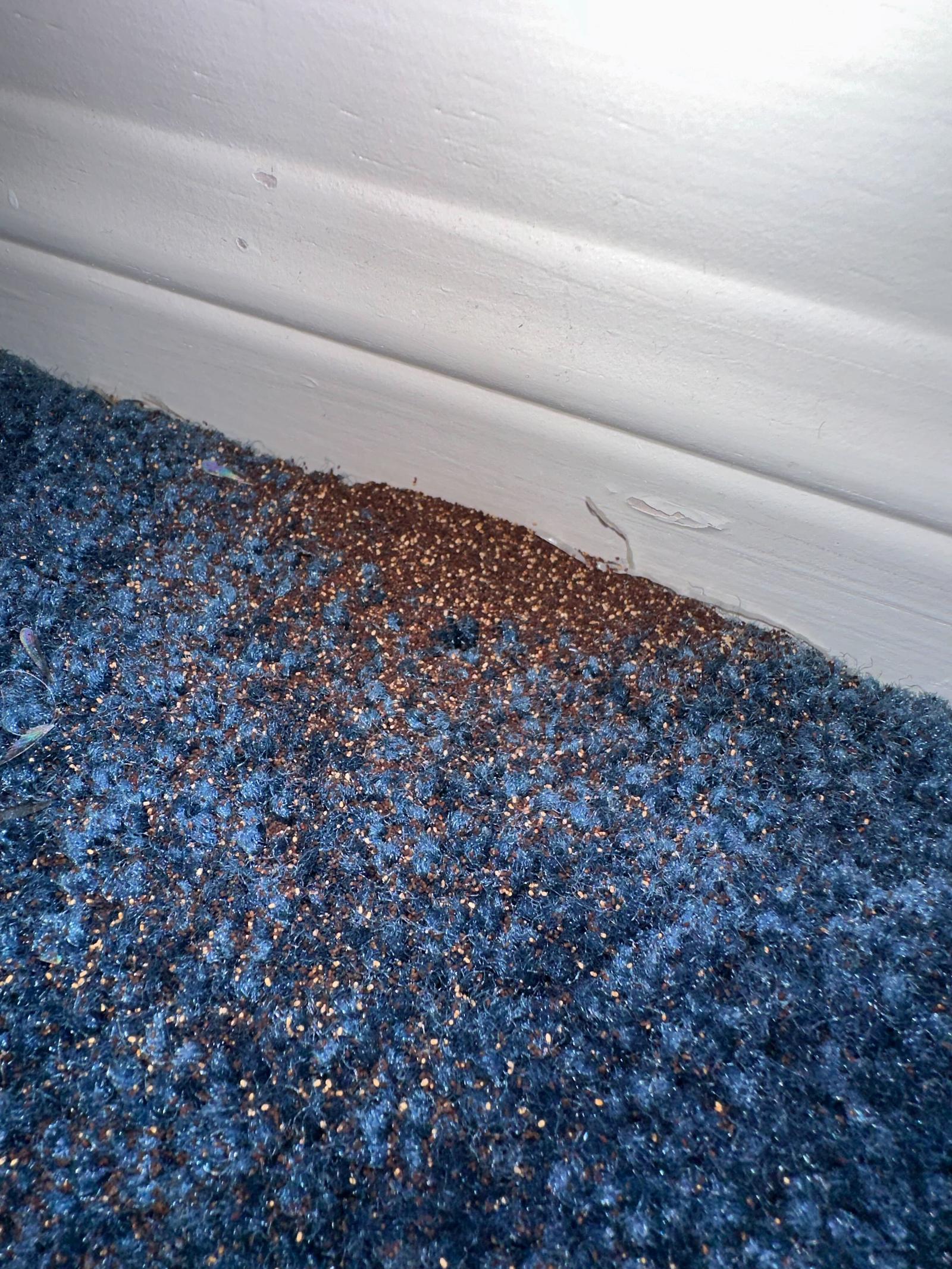
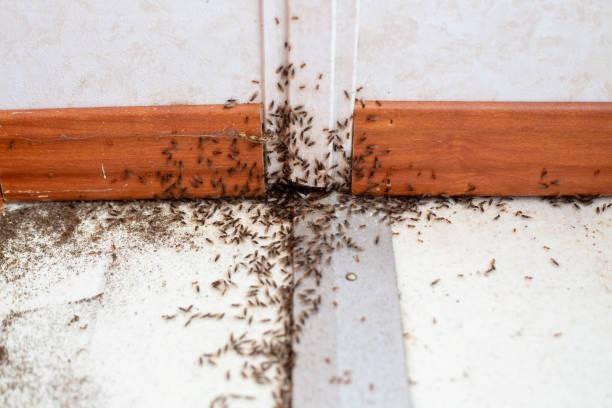
Fire ants are the ants most Alabama homeowners meet first, usually the hard way: a mound in the lawn, a foot in the wrong place and a line of painful stings. Red imported fire ants build their mounds in lawns, landscape beds and along the foundation, and they can get into garages and homes through cracks and gaps.
CH 01
Why Do Fire Ant Stings Hurt So Much?
Fire ants defend their mound as a group, so a person who disturbs one is usually stung by several ants at once. The sting raises a painful welt that often becomes a small white pustule. People who are allergic to insect stings can react more severely, which matters most where fire ants nest near a play area, a pool or a doorway.
CH 02
Why Do Fire Ant Mounds Come Back After You Treat Them?
Because a colony often reaches well past the one mound you can see. A yard with a few visible mounds usually has satellite colonies that have not built a noticeable mound yet, and a treatment poured on one mound does nothing for those. Fire ants also often move a colony when a mound is disturbed, so a treatment that does not reach the queen can simply relocate the problem a few feet away.
CH 03
How Does Professional Fire Ant Control Work?
Alabama Professional Services uses two methods, because they do two different jobs. A mound treatment drenches the individual mound and gives fast, visible results where the ants are causing trouble right now. A broadcast bait is spread across the yard; foraging workers carry it back and share it through the colony, which is what reaches the satellite colonies no one has found yet. Used together, the mound treatment handles today's problem and the bait handles next month's.
CH 04
When Is the Best Time to Treat Fire Ants in Alabama?
Fire ants forage when the soil is between about 60 and 95 degrees, which in Alabama means March through November. That is when baits work best, because the workers are actively out collecting food and carrying it home. Treating in the heat of the day in midsummer or on cold winter soil is less effective, because the ants are usually not foraging.
CH 05
Why Do Store Bought Mound Treatments Fall Short?
Most store bought products are made for the mound in front of you. They can knock down that mound, but they often leave the satellite colonies and, if the queen survives, the colony itself. The result is the familiar pattern of mounds that disappear and then reappear somewhere else in the yard. The lasting approach treats the whole yard as the problem, not one mound at a time.
CH 06
Where Do Fire Ants Get Into Homes?
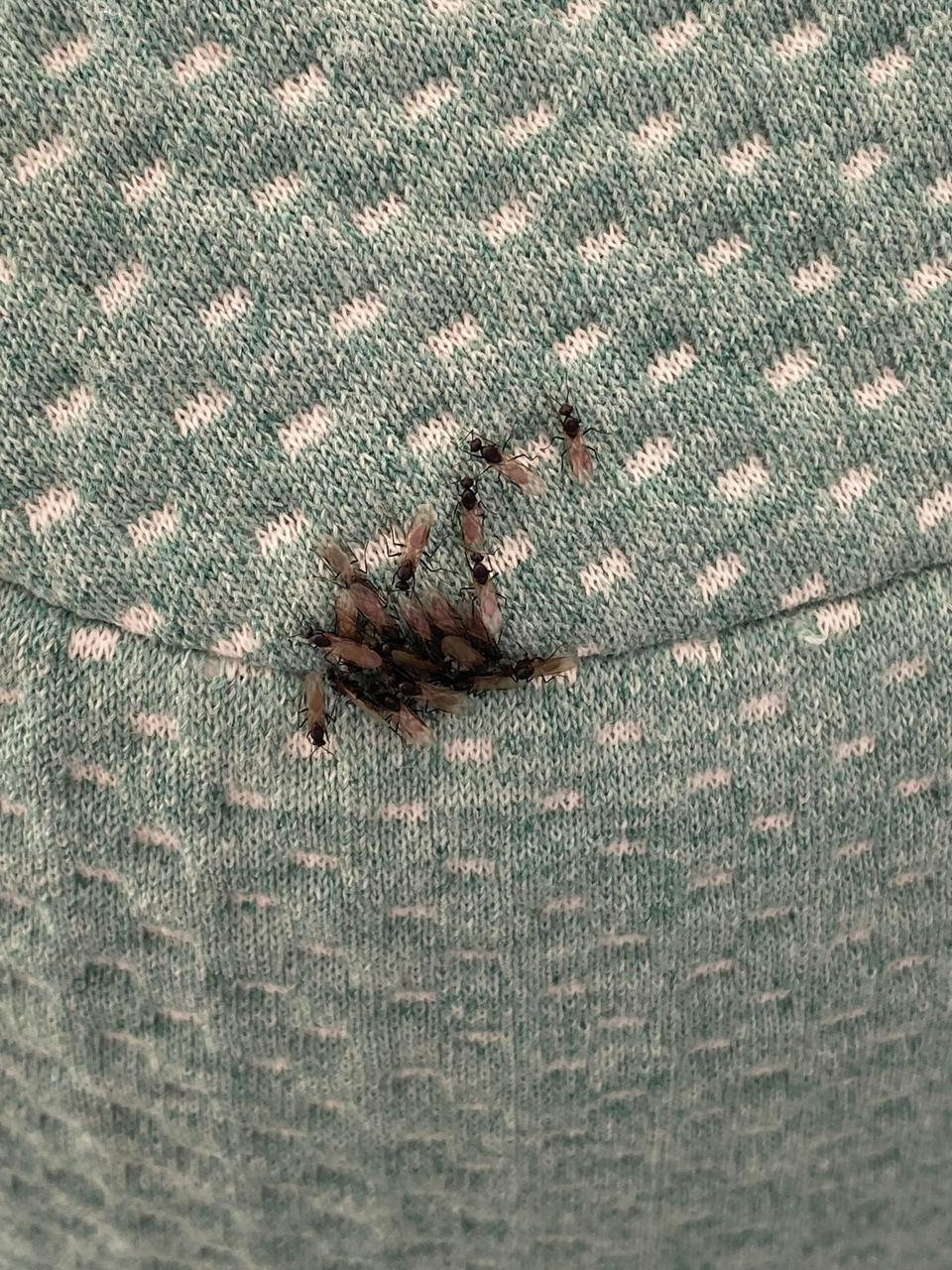
Fire ants often build against warm surfaces, so mounds along the foundation, the driveway edge and under the air conditioning unit sit beside the places they use to get inside, and a perimeter treatment at the foundation helps close that route. Breaking a mound open makes the ants swarm and sting, and it can prompt the colony to move. Ants indoors are not always fire ants: winged ants at a window or trails in the kitchen may be a different species, such as Argentine ants trailing indoors.
CH 07
How Do You Keep Fire Ants From Coming Back?
Fire ants move back into untreated yards from neighboring properties, so keeping them out usually takes more than one treatment. Fresh mounds and stings are two of the ant warning signs to watch for between visits. Quarterly pest control keeps the house under recurring service. For customers on an active quarterly plan: "If a covered pest problem returns between scheduled quarterly treatments, we'll come back at no additional charge." Schedule your free inspection and a technician will look at the yard and tell you which approach it needs.