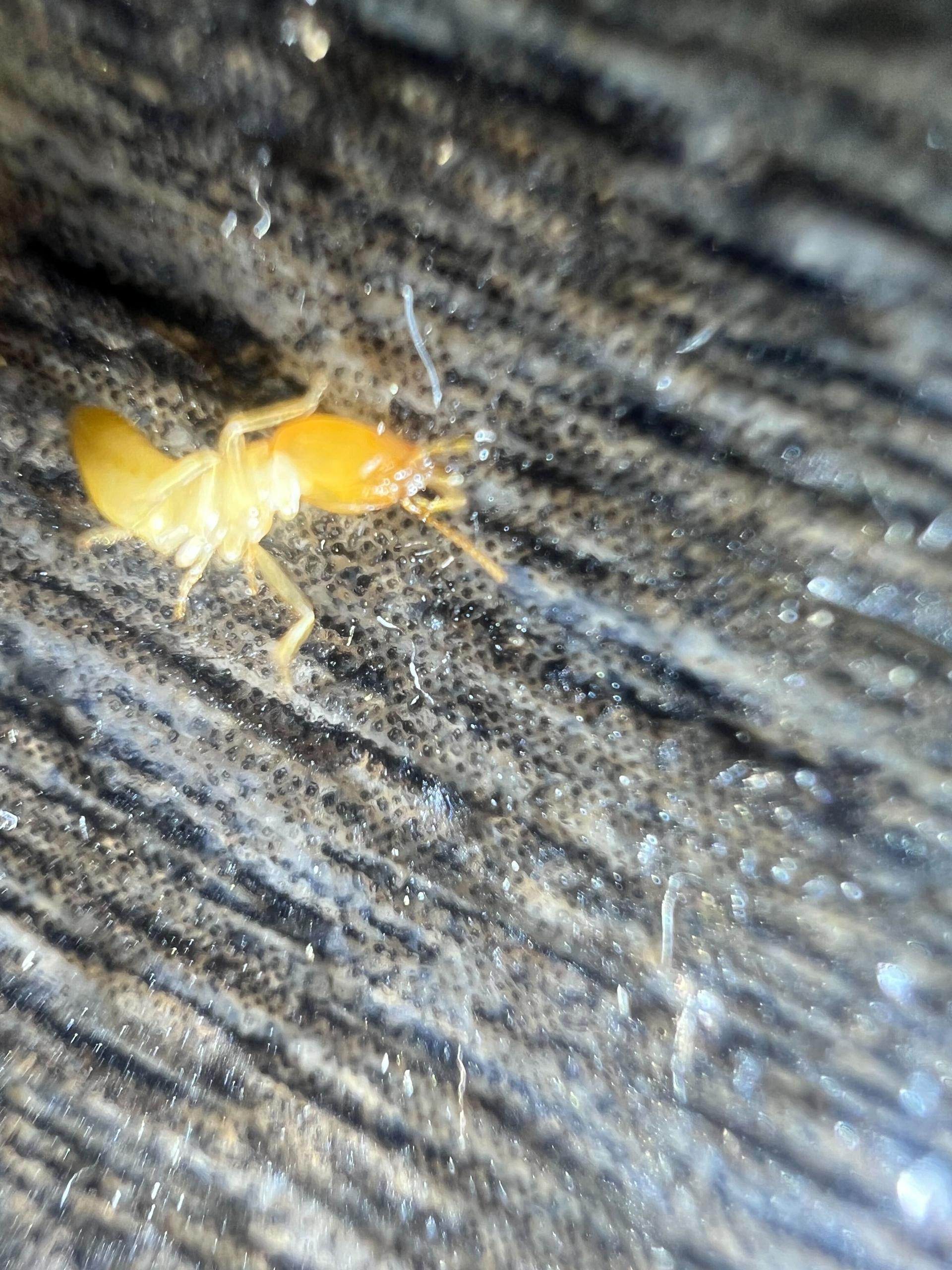
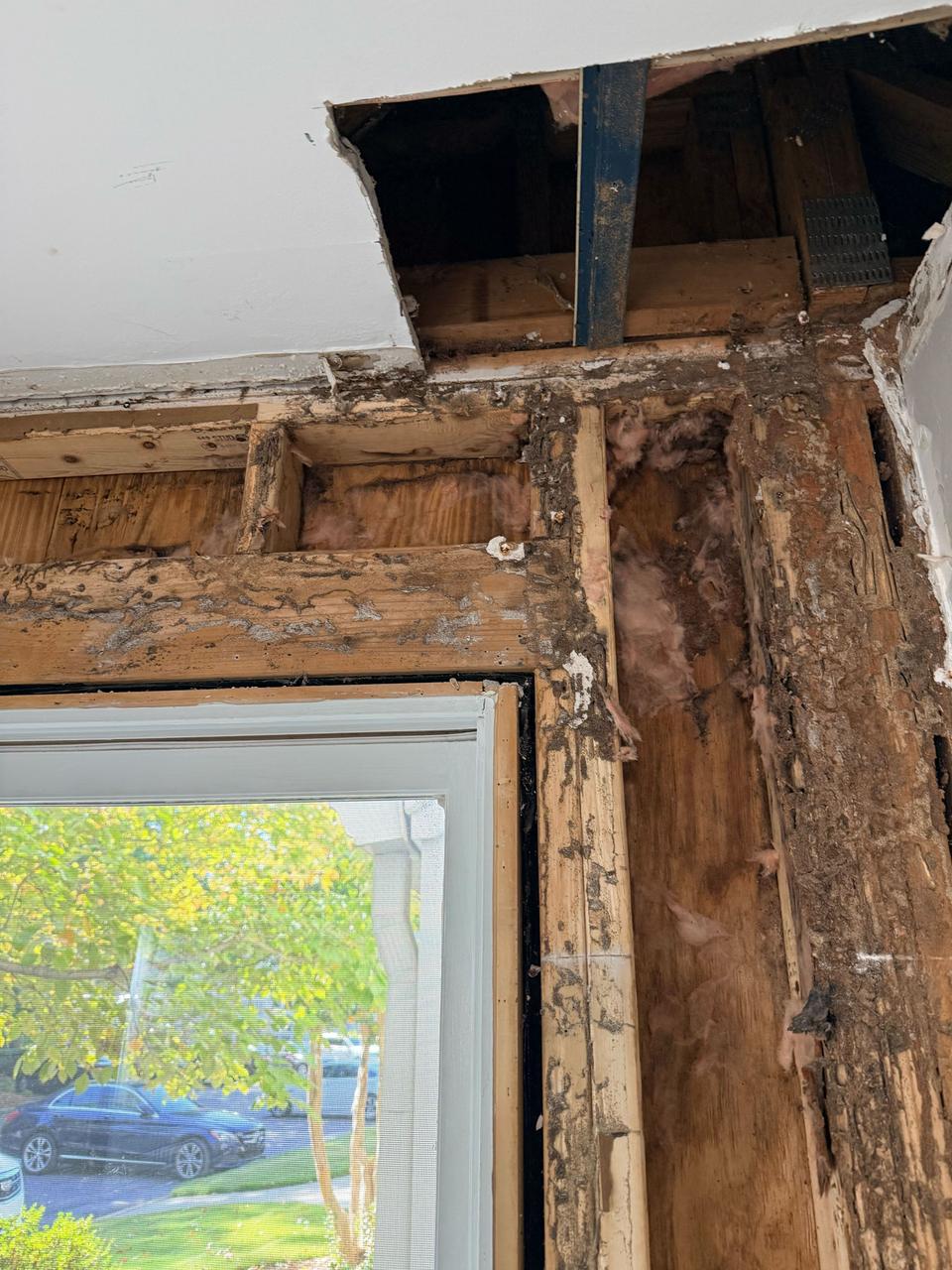
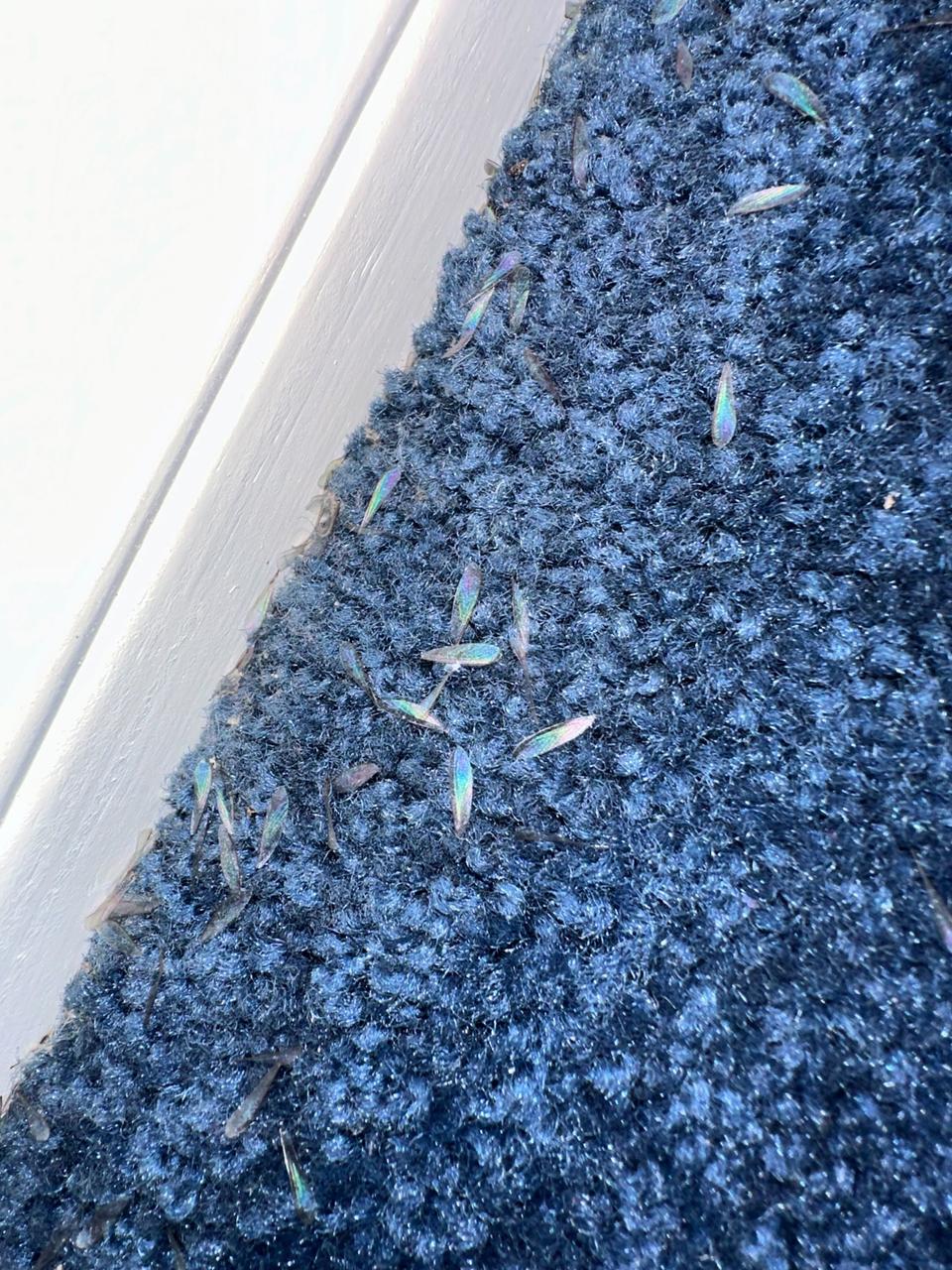
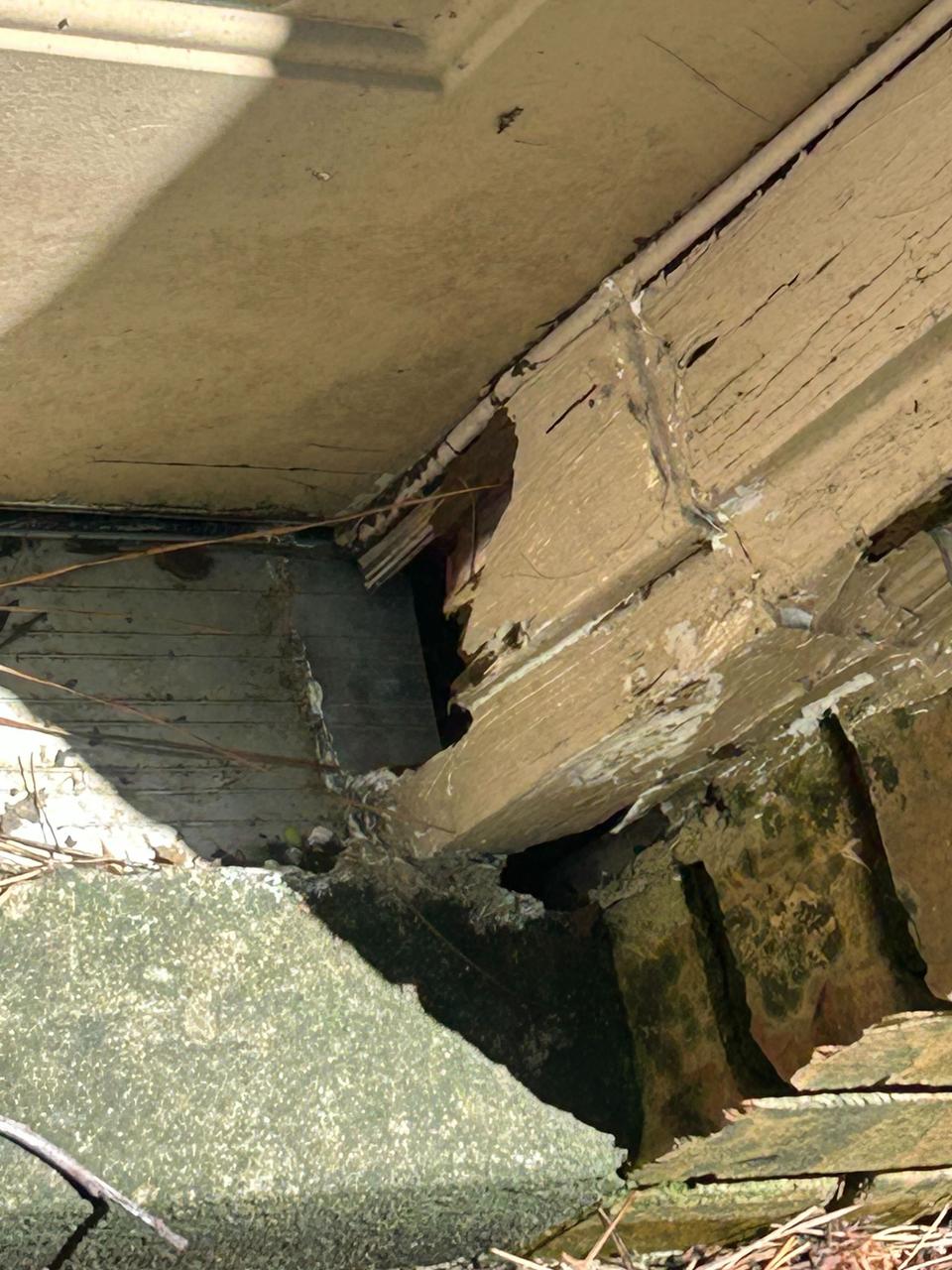
A termite bond is one of the most common things Alabama homeowners are asked about at closing, and one of the least explained. In plain terms, it is an ongoing agreement between you and a termite company that keeps your home under inspection and service after it has been treated. This page explains what that means, how a bond differs from the report a lender asks for, and what to ask before you sign one.
CH 01
What Is a Termite Bond?
The treatment protects the soil or the wood on the day it is applied. A bond is what keeps the house under watch afterwards, because the conditions around a home can change: soil may get disturbed by a new bed or patio, moisture shifts, and termites keep foraging. With Alabama Professional Services, bond coverage is available once a structure is treated, and every bond has the same two features that matter most.
It is renewable annually.
A bond runs year to year. Renewing it keeps the house under ongoing protection, and letting it lapse ends that.
It is transferable when the home is sold.
The bond can pass to the new owner, which tends to matter more at closing than people expect. A buyer taking over an existing bond is taking over a house that has been under watch, with a record of that service on file.
CH 02
How Is a Termite Bond Different From a WDI Report?
A bond is not the same as the real estate report a lender asks for. For a VA or FHA backed purchase, the lender needs an Official Alabama Wood Infestation Report, which records wood destroying insects, including termites, carpenter ants, carpenter bees and powderpost beetles, and is valid for 30 days. A house can have a bond and still need that report at sale, and a report does not put a house under a bond.
A bond also depends on the treatment underneath it being the right one for the house, which is why every bond starts with a termite inspection that identifies the species and how the house is built.
CH 03
How Does a Termite Bond Fit With the Treatment?
Alabama Professional Services uses two treatment methods for subterranean termites, and a bond sits on top of either. A Termidor SC liquid soil treatment puts a non repellent product in the soil along the foundation; typical barrier effectiveness is five to seven years, and soil conditions affect that, which is one reason ongoing inspection matters. Sentricon bait stations are monitored and serviced on schedule as part of how the system works. Drywood termites, which leave tiny kick out holes, are treated in the wood itself.
CH 04
What Should You Ask Before Signing a Termite Bond?
Whoever you choose, a bond is a written agreement, and the details are in the writing. These are the questions worth having answered before you sign.
What exactly does it cover?
Ask for the coverage in writing, in the bond itself, and read the full wording.
What happens if termites come back?
Ask what the company does, and how quickly, if activity returns while the bond is in force.
What does renewal involve?
Ask what the annual renewal includes, such as an inspection, and what it costs each year.
How does it transfer?
If you might sell, ask what the new owner needs to do to take the bond over, so it does not lapse between owners.
What would void it?
Ask what the homeowner is expected to do or avoid, such as disturbing treated soil against the foundation, so there are no surprises later.
CH 05
Buying a House With an Existing Termite Bond
Ask the seller for the bond paperwork early, not at the closing table, and find out whether it is current and when it renews. Taking over a bond keeps the house's protection continuous. If there is no bond, or it has lapsed, signs like mud tubes or damaged wood found during the sale are worth an inspection before you commit, and the WDI report the lender needs is a separate document on its own timeline.
CH 06
Selling a House With a Termite Bond
A current bond, transferable to the buyer when you sell, is something a buyer's agent will usually ask about, so have the paperwork ready. Because the bond transfers, the protection carries on under the new owner.
Bond coverage is available. Schedule your free inspection to find out what your house needs first.