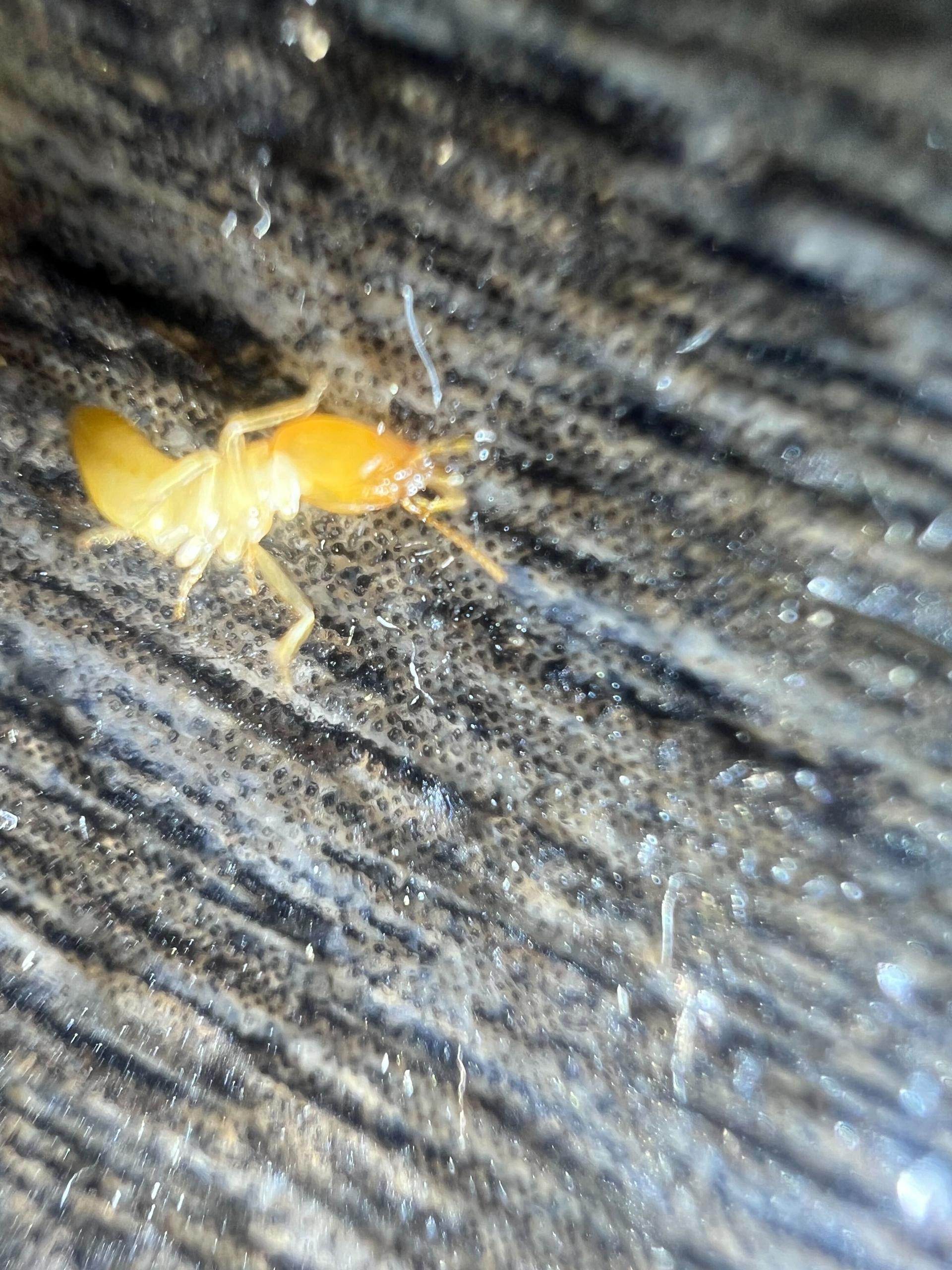
Termites eat wood along the grain and work from the inside out, which is why damage so often goes unnoticed until a floor gives underfoot or a contractor opens a wall. The good news is that the early signs are learnable, and most of them are things you can check yourself in an afternoon.
CH 01
What Are the Early Signs of Termite Damage?
Wood that sounds hollow.
When the inside of a board has been eaten and the surface left whole, tapping it produces a dull, hollow sound instead of a solid knock. Baseboards, door frames and joists near the ground are the places to tap, and hollow sounding wood has its own guide.
Paint that bubbles or peels.
Termites tunneling just under a painted surface can make it bubble, ripple or peel in a way that looks exactly like water damage. On trim or a wall with no leak nearby, it is worth a closer look.
Floors that sag, soften or bounce.
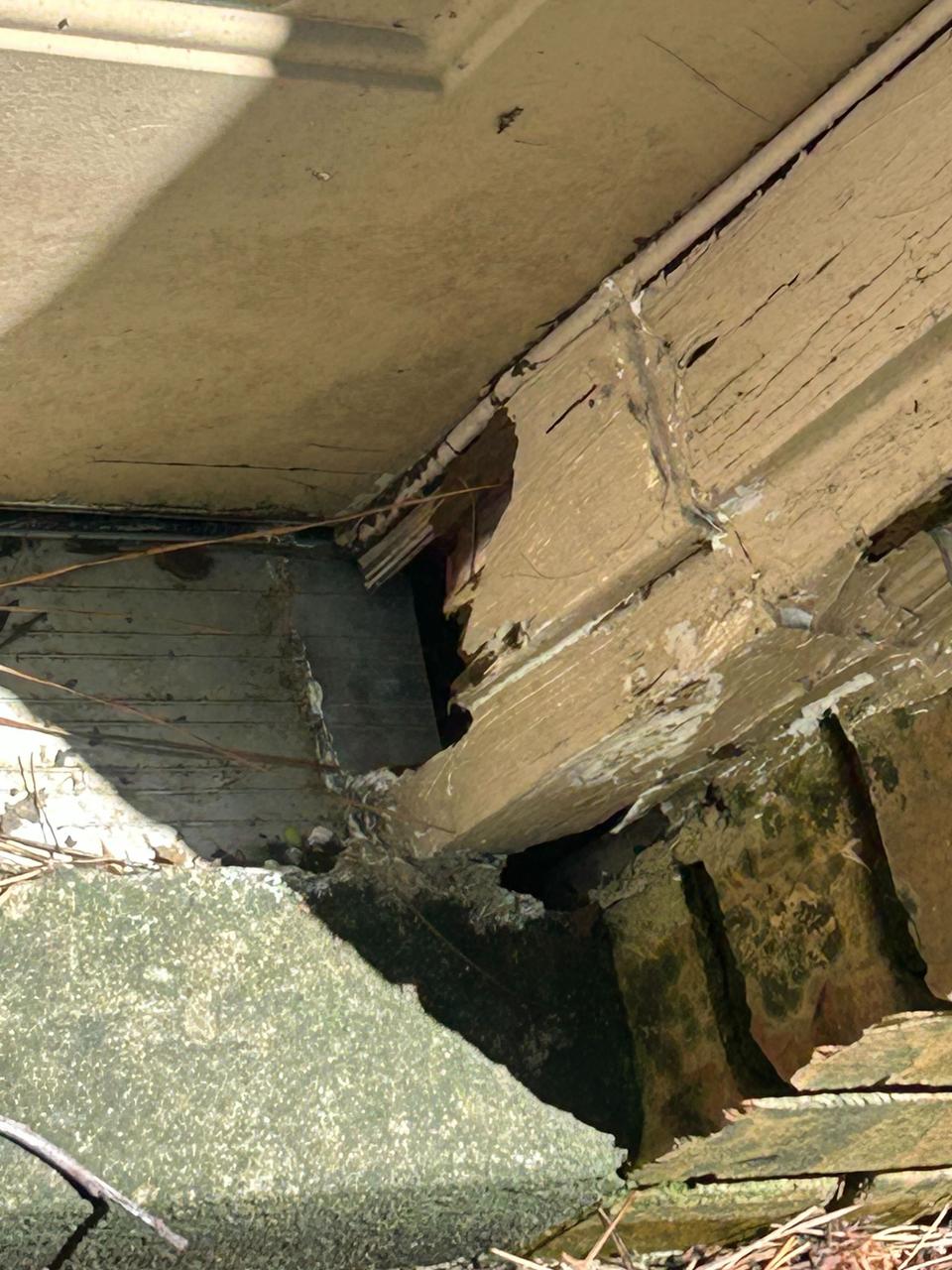
When the joists or subfloor underneath have been eaten, a floor can start to give, particularly near exterior walls, bathrooms and anywhere wood sits close to the soil.
Doors and windows that start to bind.
Damage inside a frame can let it shift out of square. This one has plenty of ordinary causes, humidity above all, so a door that suddenly sticks matters most when it appears alongside other signs.
Tiny holes and pellets.
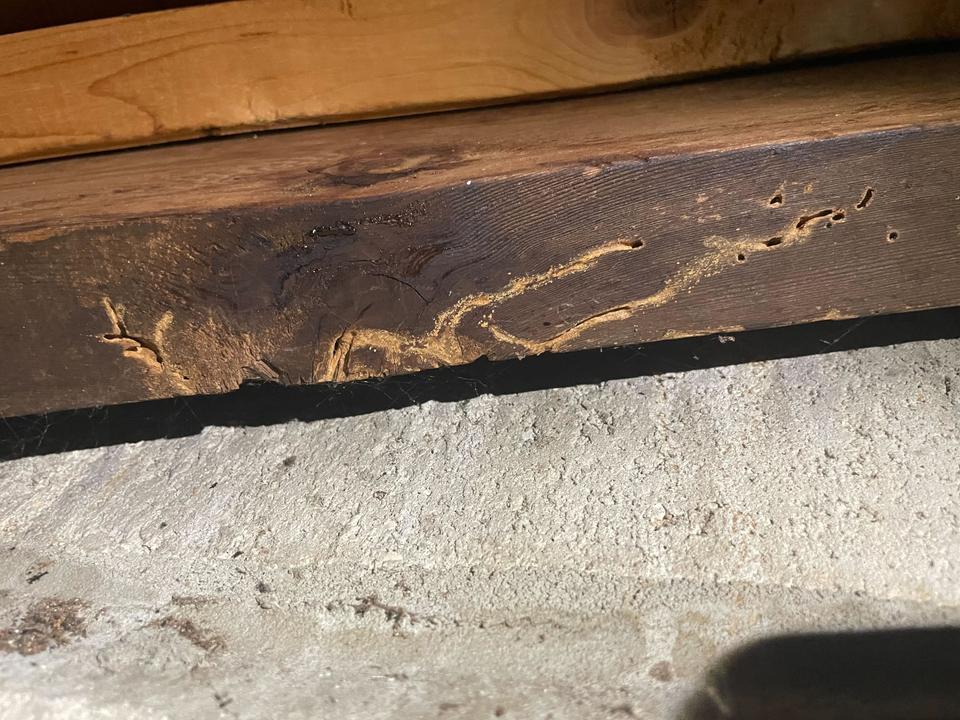
Drywood termites push waste out through pinhead sized kick out holes, and small six sided pellets collect underneath.
CH 02
What Does Termite Damage Look Like Inside the Wood?
Subterranean termite damage usually runs along the grain in layers, with galleries that often have soil packed into them, because these termites carry moisture with them. Drywood damage is cleaner, with smooth chambers and pellets and no soil. Carpenter ants excavate wood without eating it, leaving smooth tunnels and piles of shavings. Rot is different again: soft, spongy or crumbly all the way through, often with a musty smell. The two often turn up together, because damp wood attracts termites, which is why a technician looks at the wood itself before saying which it is.
CH 03
How Alabama Conditions Affect Termite Damage
Subterranean termites are present year round here. Activity slows in the coldest months but the colony does not die off, so damage keeps accumulating all year, winter included. Formosan termites, which form much larger colonies and have been spreading inland from the Gulf Coast, can do more damage in less time than native subterranean termites, and drywood termites are found more often in coastal and southern Alabama. Older homes carry more of this pressure; in Birmingham's inner suburbs, pre war housing is where termite and carpenter ant work turns up most.
CH 04
Does Termite Damage Mean an Active Infestation?
Termite damage stays in the wood long after the colony that caused it has gone. A house treated fifteen years ago can carry visible damage and no live insects at all, and a buyer's inspection can turn up old galleries that have nothing to do with the current owner. What separates old damage from a live colony is activity: mud tubes that rebuild, fresh pellets, live insects, damp soil in the galleries. The signs of a live infestation are covered separately for exactly this reason.
CH 05
What Happens After Termite Damage Is Found?
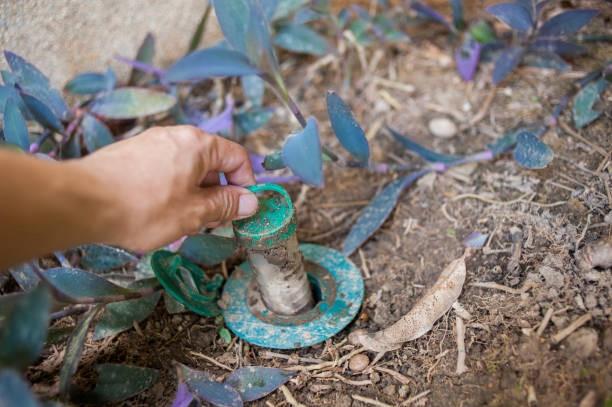
The order matters. The termites are dealt with first, because repairing wood while a colony is still active gives it something new to eat. The inspection identifies the species and whether it is active, and the recommendation names the method: a soil treatment or Sentricon Always Active bait stations for subterranean termites, treatment in the wood itself for drywood. Once the cause is dealt with and confirmed, the damaged wood can be assessed and repaired.
Most termite damage is a carpentry problem: a run of trim, a section of sill plate, a few joists. Where the damage goes beyond individual boards and affects the structure itself, our sister company APS Foundation Repair is set up to assess that side of it.
CH 06
What Happens if Termite Damage Is Left Alone?
Termites are slow and quiet, which is the actual problem. Nothing forces the issue until a floor flexes or a frame stops holding its shape, and by then the repair has moved from a treatment to carpentry. None of that is a reason to panic about one hollow board. It is a reason to have it looked at while it is still a treatment decision, before a repair is involved. Bond coverage is available, renewable annually and transferable to the new owner when the home is sold. Schedule your free inspection whenever something has you wondering.