




How Is the Price Set?
Commercial programs are scoped after a site inspection, because the facility's size, use, pest pressure and documentation needs set the price.
Healthcare facilities need pest control that is careful, discreet and documented. Alabama Professional Services builds programs around all three.
Clinics, medical offices, outpatient centers and other healthcare facilities cannot have pests in patient areas, and they also cannot have treatment that disrupts care. That makes integrated pest management the natural fit: monitoring to find activity, exclusion and sanitation to prevent it, and targeted treatment only where it is needed. Commercial pest management for healthcare is scheduled with the facility, carried out discreetly and recorded in detail.
A technician inspects the facility, records the findings and recommends a monthly program with its documentation.
In Depth
What a facility manager should know about this program, from the technicians who run it.
Clinics, medical offices, outpatient centers and other healthcare facilities cannot have pests in patient areas, and they also cannot have treatment that disrupts care. That makes integrated pest management the natural fit: monitoring to find activity, exclusion and sanitation to prevent it, and targeted treatment only where it is needed. Commercial pest management for healthcare is scheduled with the facility, carried out discreetly and recorded in detail.
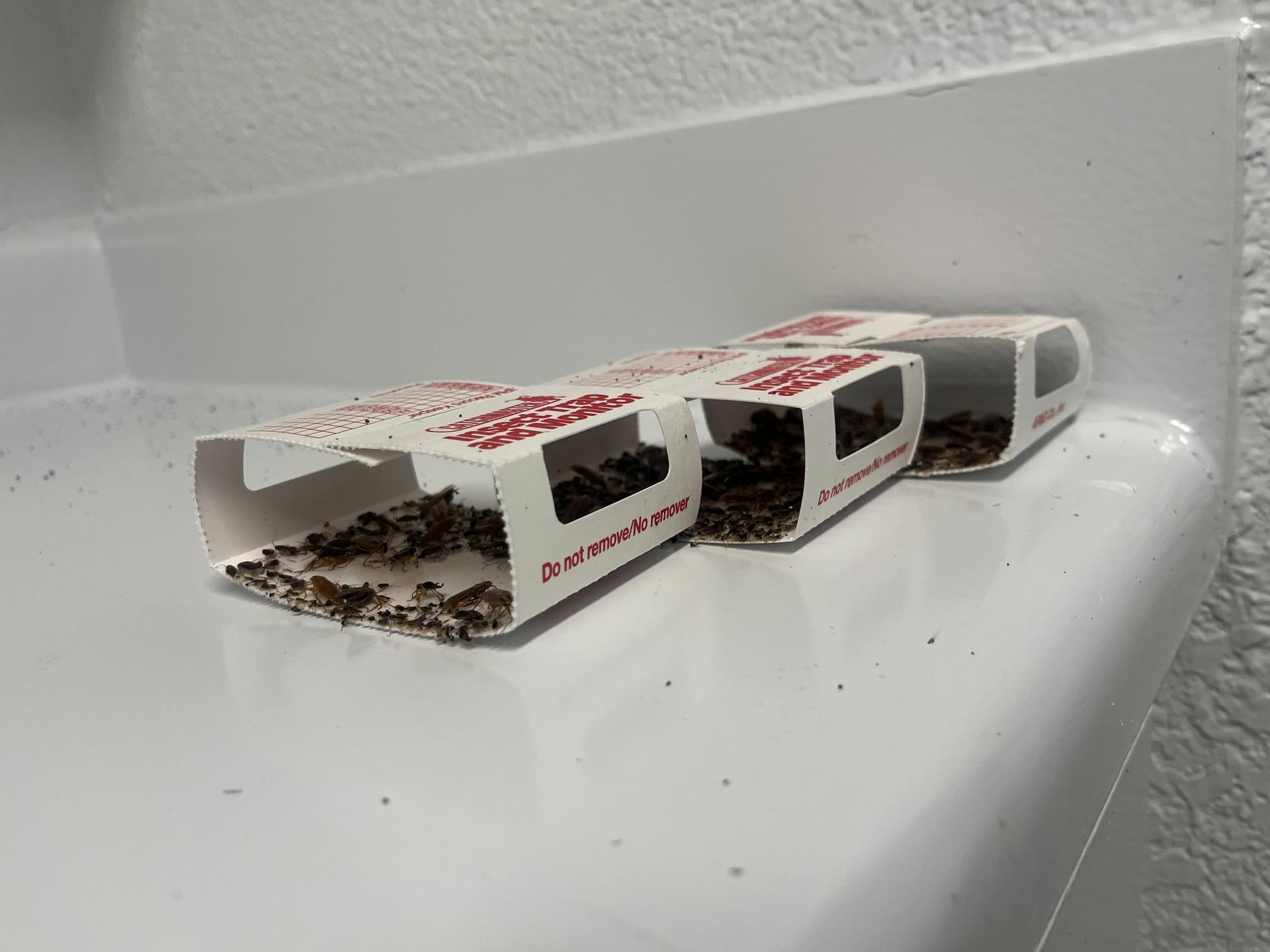
Healthcare facilities commonly see German cockroaches in break rooms, kitchens and utility areas, ants following moisture and food, flies near entrances and waste areas, rodents in mechanical spaces, and occasionally bed bugs brought in on belongings. The sign page on pest sightings in a facility covers what a single sighting can mean.
Because it uses monitoring to decide where treatment goes, so products are applied only where they are needed. The page on IPM in practice explains the four parts.
Visits are scheduled with the facility contact around patient hours, and most monitoring and treatment happens in back of house areas. Findings in patient areas are handled with the facility's staff.
Treatment options are heat, Cryonite freeze and targeted chemical treatment with a growth regulator, chosen by the area involved. The bed bug page on bed bug inspections covers how activity is confirmed.
Treatment records, pest sighting logs, chemical application logs and trap inspection records are kept for every visit. The page on service documentation covers the full set.
Residential care adds residents living on site. The guide to nursing home pest programs covers that setting.
Alabama Professional Services carries $1 million in general liability per occurrence, $2 million aggregate, a $5 million umbrella and $2 million in pollution liability, and its technicians are licensed by the Alabama Department of Agriculture and Industries' Pesticide Management Division. Schedule a commercial inspection to scope a program for your facility.
After inspecting your property, we recommend treatment methods based on the pests present and the conditions we find.
Your program is built on monitoring, exclusion and sanitation, with targeted treatment applied where activity is found and every monthly visit recorded.
We keep the treatment records, sighting logs, application logs, trap records and device maps your facility needs for health inspections and audits.
After rodent or wildlife activity, we remove droppings and nesting material, HEPA vacuum the affected area and apply an antimicrobial treatment.
Pest activity in a facility rarely stays in one place. Recognizing the early signs lets it be treated, corrected and documented before it becomes an inspection finding. The signs below are common in commercial buildings.
A technician finds the cause before recommending a program, and every finding is recorded.
Commercial programs run on a monthly service schedule, with every visit documented.
Your file holds treatment records, pest sighting logs, chemical application logs and trap inspection records.
We carry $1M general liability per occurrence and $2M aggregate, a $5M umbrella policy and $2M pollution liability.
Don't see your question here? Our team is happy to help. Reach out anytime.
Every facility is different, and so is the price of a program. Nothing on this page is a firm quote. A site inspection sets the scope, the service frequency and the documentation.
Commercial programs are scoped after a site inspection, because the facility's size, use, pest pressure and documentation needs set the price.
Pest control does not make a facility sterile and is not a substitute for the facility's infection control procedures.
The inspection decides which one fits your facility.
Commercial programs for the kinds of facilities we work in.
Pest programs for churches and places of worship: kitchens and fellowship halls, nurseries, attics and older buildings, serviced monthly around services and events.
Learn morePest programs for nursing homes and assisted living: resident rooms, dining and kitchens, laundry and storage, with discreet monthly IPM and detailed records.
Learn morePest programs for schools and daycares: IPM with reduced risk products, after hours scheduling, cafeterias, classrooms and playgrounds.
Learn more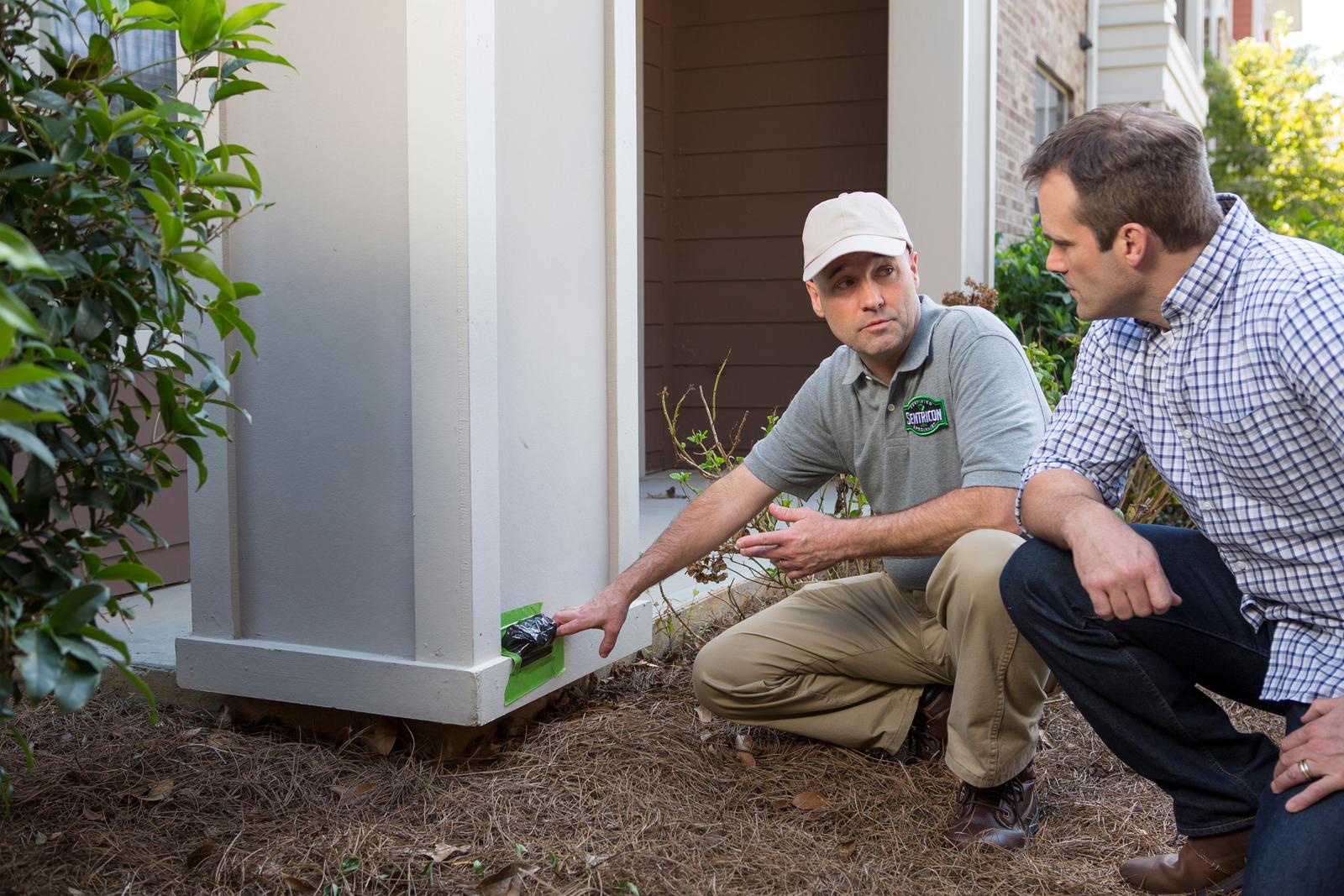
Pest programs for homeowners associations: clubhouses, pools, fitness centers, common areas and grounds, serviced monthly under one contract with the board.
Learn morePest programs for office buildings and complexes: break rooms, restrooms, mechanical spaces and entrances, serviced monthly after hours.
Learn moreOne office in Irondale. Technicians across the state.
A straightforward path from the first inspection to lasting protection.
Back of house, patient areas, entrances, mechanical spaces and the exterior are inspected.
Activity, entry points, conditions and risk areas are recorded and shared with the facility contact.
A discreet monthly IPM program and its documentation are agreed with the facility contact.
Scheduled monthly visits service devices, treat where needed and record every finding.
Service records are kept on file and reviewed with the facility contact.
Share a few details and a technician will follow up to schedule a site inspection.
A technician finds the cause before recommending a program, and every finding is recorded.