

When Is This Not the Right Fix?
Brown recluses are hard to see and live in hidden places, so a single treatment rarely ends them. Treating the hiding places and the insects they eat, on recurring service, is what keeps numbers down.
Brown recluses hide in the places people rarely disturb. Alabama Professional Services finds and treats those places, starting with a free inspection.
The brown recluse is one of two spiders in Alabama that matter for family safety, and the one people worry about most. It is shy, nocturnal and rarely seen, and bites happen when a spider hiding in clothing, a shoe or bedding is pressed against skin. Knowing where it hides is most of the job of spider control for this species.
A local specialist will inspect your home, walk you through the findings, and send a clear estimate. No cost, no pressure.
How the Price Is Set
The inspection is free. Treatment is quoted after it, because the species, where the spiders are and the insects drawing them in set the scope.
In Depth
The brown recluse is one of two spiders in Alabama that matter for family safety, and the one people worry about most. It is shy, nocturnal and rarely seen, and bites happen when a spider hiding in clothing, a shoe or bedding is pressed against skin. Knowing where it hides is most of the job of spider control for this species.
A brown recluse is light to medium brown with a darker violin shaped mark on its back, the neck of the violin pointing toward the rear, and long, thin, uniformly colored legs. It has six eyes in three pairs, where most spiders have eight, although that takes magnification to see. Many brown spiders are mistaken for recluses, so identification matters before anything else.
In attics, garages, stored boxes, folded clothing, seldom worn shoes, behind picture frames and inside wall voids: dark, dry, undisturbed places. Outdoors they often live in debris and wood piles. Males usually wander farther than females and are the ones most likely to crawl into shoes and clothing. Spiders in the attic and crawl space often turn out to be recluses. Older homes are often more exposed; in Birmingham's inner suburbs, pre war housing sees more brown recluse pressure.
In defense. They do not bite people instinctively, and neither does the black widow. Bites happen when a spider is trapped against skin, when someone puts on clothing or shoes it is hiding in, or rolls onto it in bed. The bite can be painful and can produce an open, ulcerating sore. The CDC's guidance for a suspected black widow or brown recluse bite is to seek professional medical attention, and its venomous spiders page describes both.
Where they live. Dusting of voids and crevices reaches the wall voids, attic spaces and cracks where recluses hide, and treatment of the insects they eat, such as crickets and cockroaches, reduces what keeps them there. Sealing gaps with spider exclusion closes routes in from outside.
Alabama Professional Services recommends keeping clothing off the floor, storing clothing and shoes in plastic containers, and shaking out clothing that has been in a hamper before wearing or washing it. Shoes left in a garage or closet are worth shaking out before they go on.
Because they are hard to see, live in hidden places and eat the insects that keep coming in. Crickets and cockroaches in the house can mean food for recluses. Alabama Professional Services has been family-owned since 1977, and its technicians are licensed by the Alabama Department of Agriculture and Industries' Pesticide Management Division. Schedule your free inspection.
After inspecting your property, we recommend treatment methods based on the pests present and the conditions we find.
We apply insecticidal dust into wall voids, attic spaces and crevices where brown recluse spiders hide, places surface treatments cannot reach.
We seal gaps at doors, windows, vents and the foundation to help keep wandering spiders, and the insects they follow, out of your home.
Our technicians treat the foundation, entry points and eaves with a residual product that keeps working after it dries, to help reduce the insects spiders eat.
Most spiders around an Alabama home are a nuisance: orb weavers, garden spiders and the Joro spider, a large invasive orb weaver that has spread across north Alabama since about 2014 and is handled with web removal and a perimeter treatment. Brown recluse and black widow spiders are a family safety matter, and they are treated as one.
Each card below is a sign our technicians look for during a free inspection. Open one to read what it can mean and what we do about it.
Our specialists evaluate the underlying cause before recommending any work. Inspections are at no cost and there's no obligation to proceed.
Now in its third generation, APS continues the family owned tradition that began in 1977.
If a covered pest problem returns between scheduled quarterly treatments, we'll come back at no additional charge.
You get a clear estimate before any work starts, with no obligation to go ahead.
Pick the symptom that best fits. We'll tell you what it can mean and where to go next.
Don't see your question here? Our team is happy to help. Reach out anytime.
Brown recluses are hard to see and live in hidden places, so a single treatment rarely ends them. Treating the hiding places and the insects they eat, on recurring service, is what keeps numbers down.
How to recognize each one and what it means for your home.
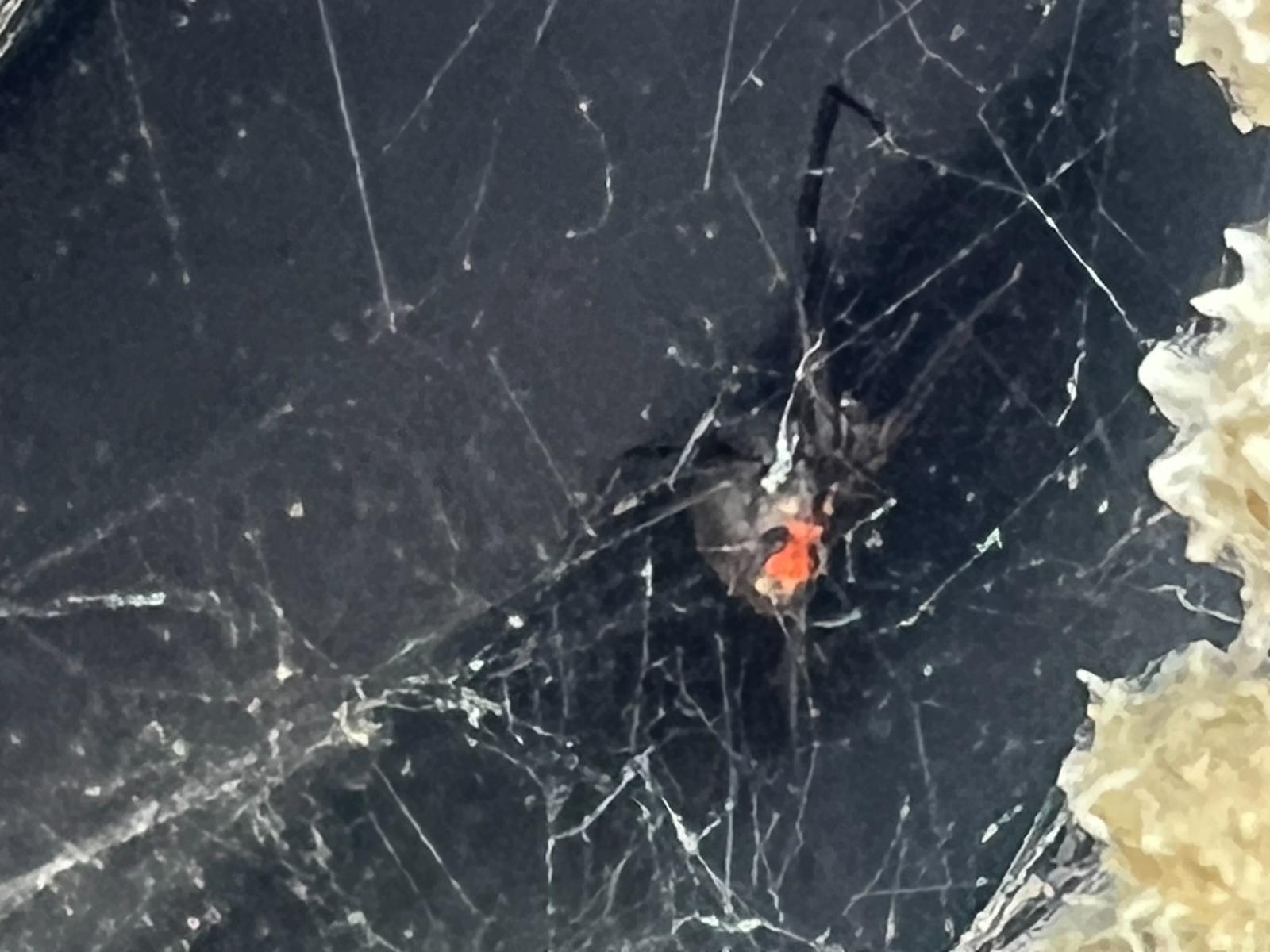
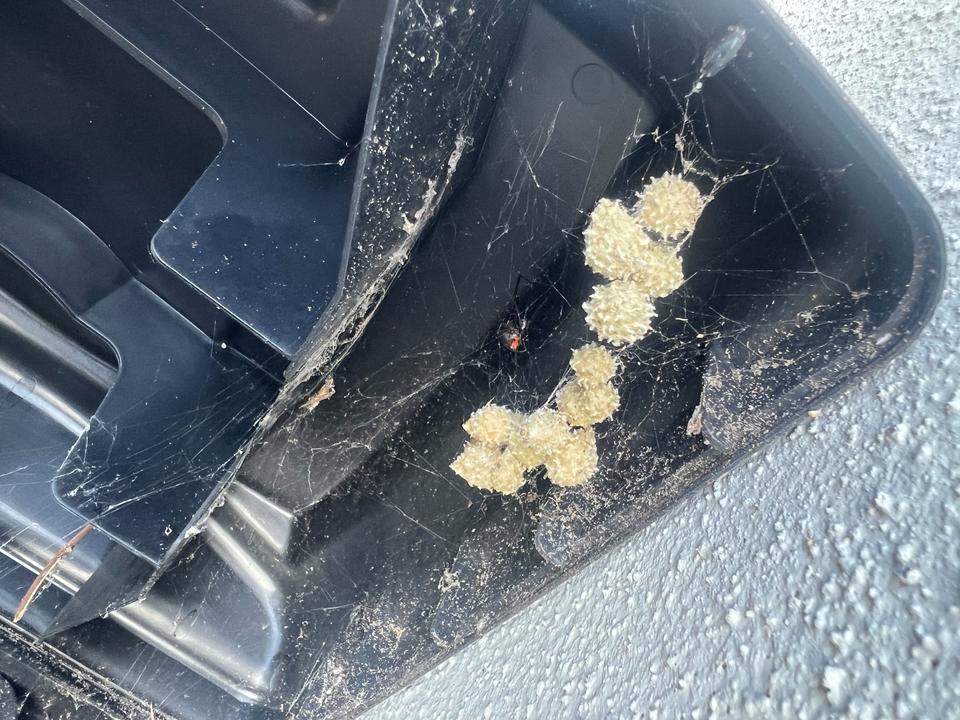
The black widow is Alabama's other medically significant spider. It builds messy webs near the ground in sheltered, undisturbed places.
Learn more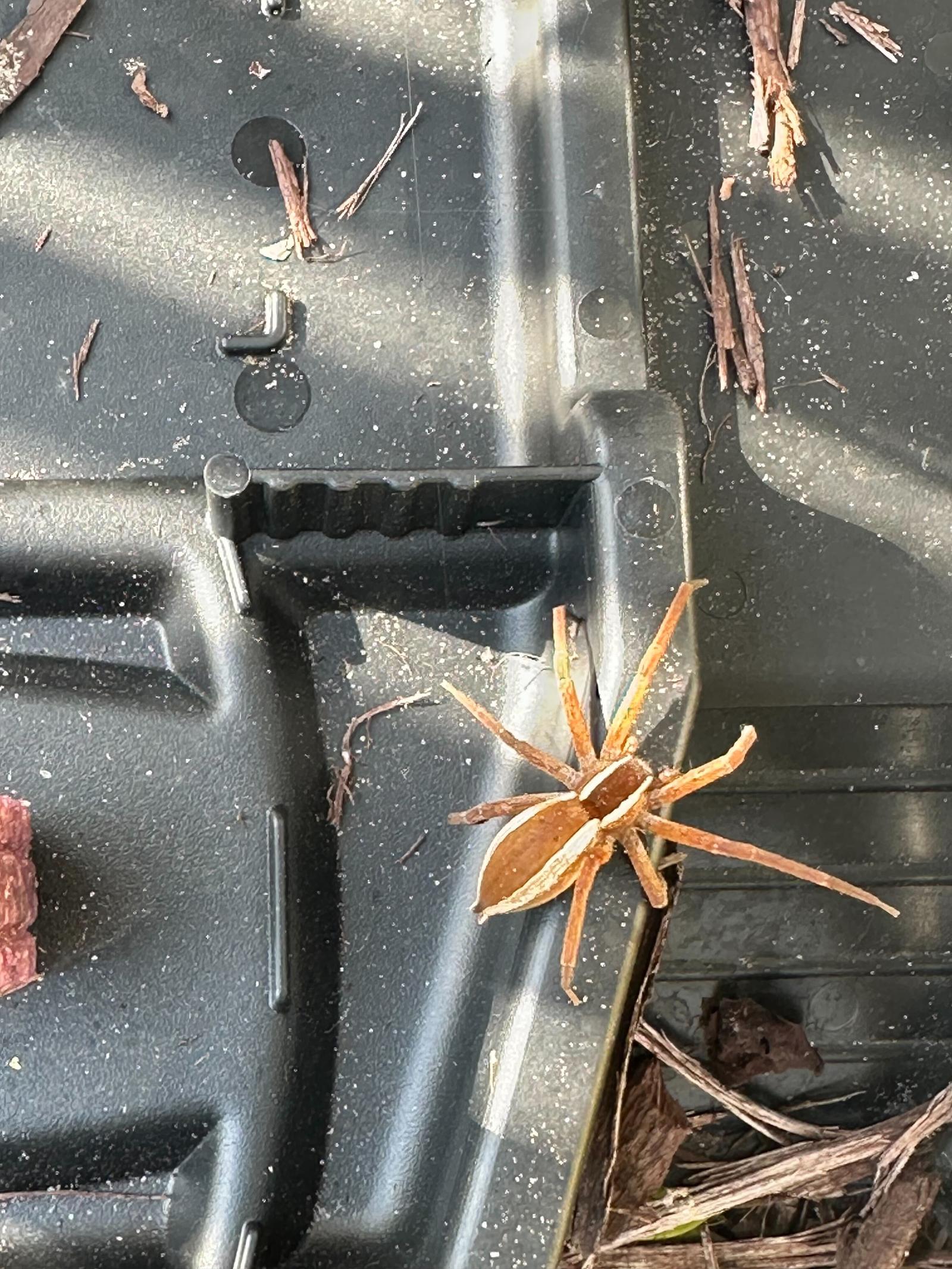
Wolf spiders are large, fast hunting spiders that do not build webs. They look alarming but are not dangerous.
Learn more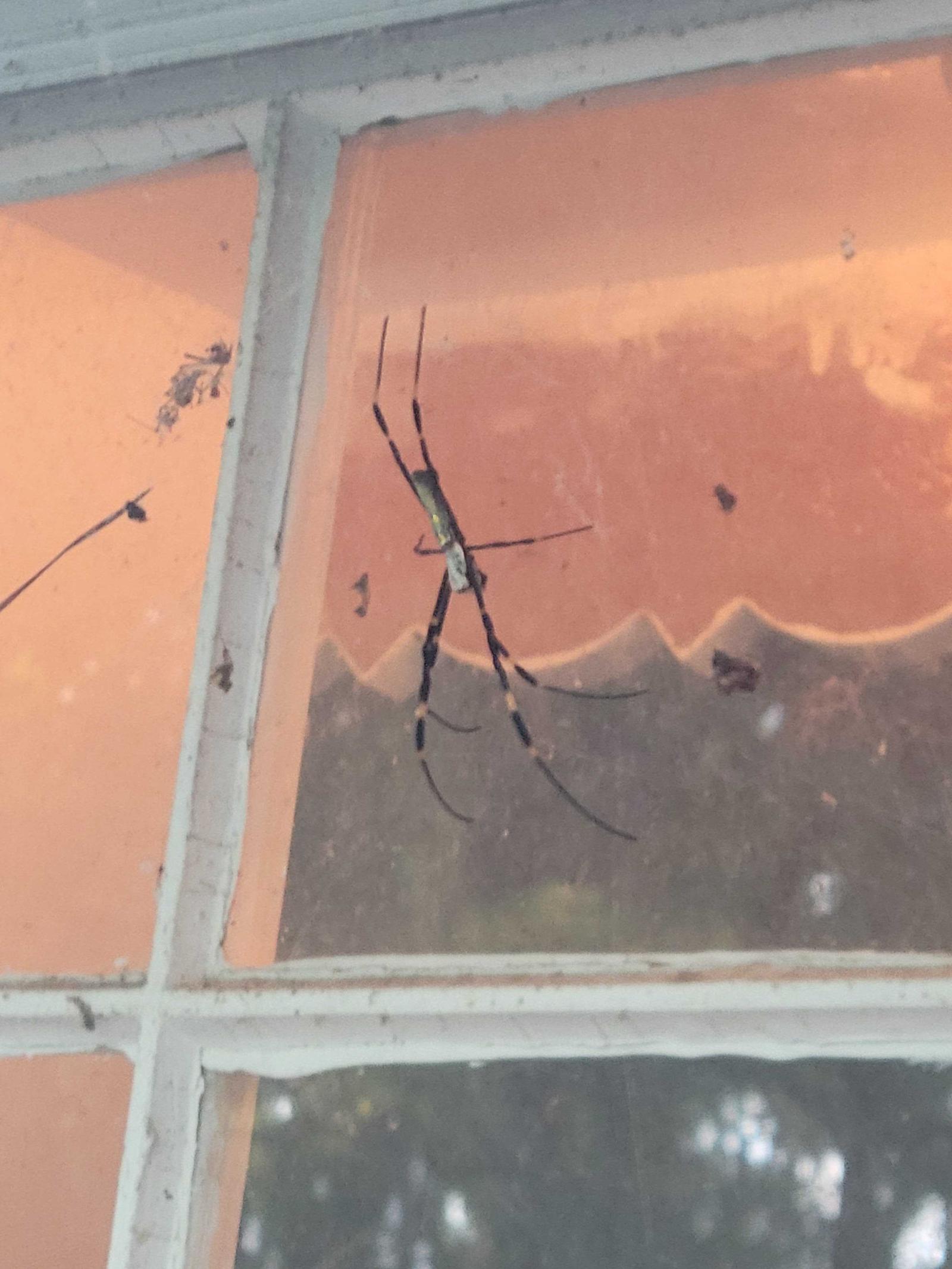
Orb weavers build the classic round webs around porches, eaves and gardens, and they rebuild them often. They are harmless but can make a house look neglected.
Learn more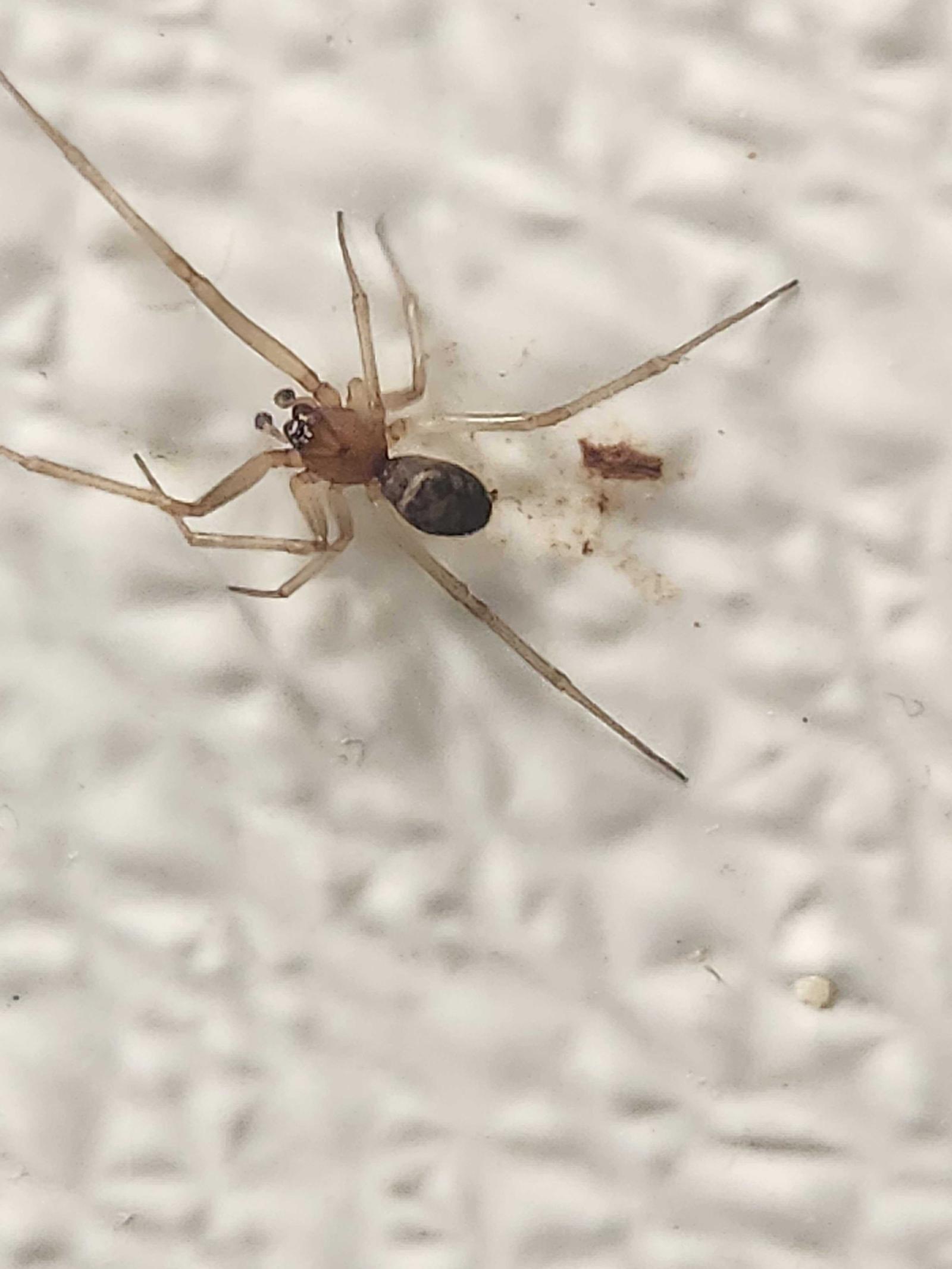
Cellar spiders are the long legged spiders in basement corners and crawl spaces. They are harmless, but their messy webs build up fast in damp, quiet places.
Learn more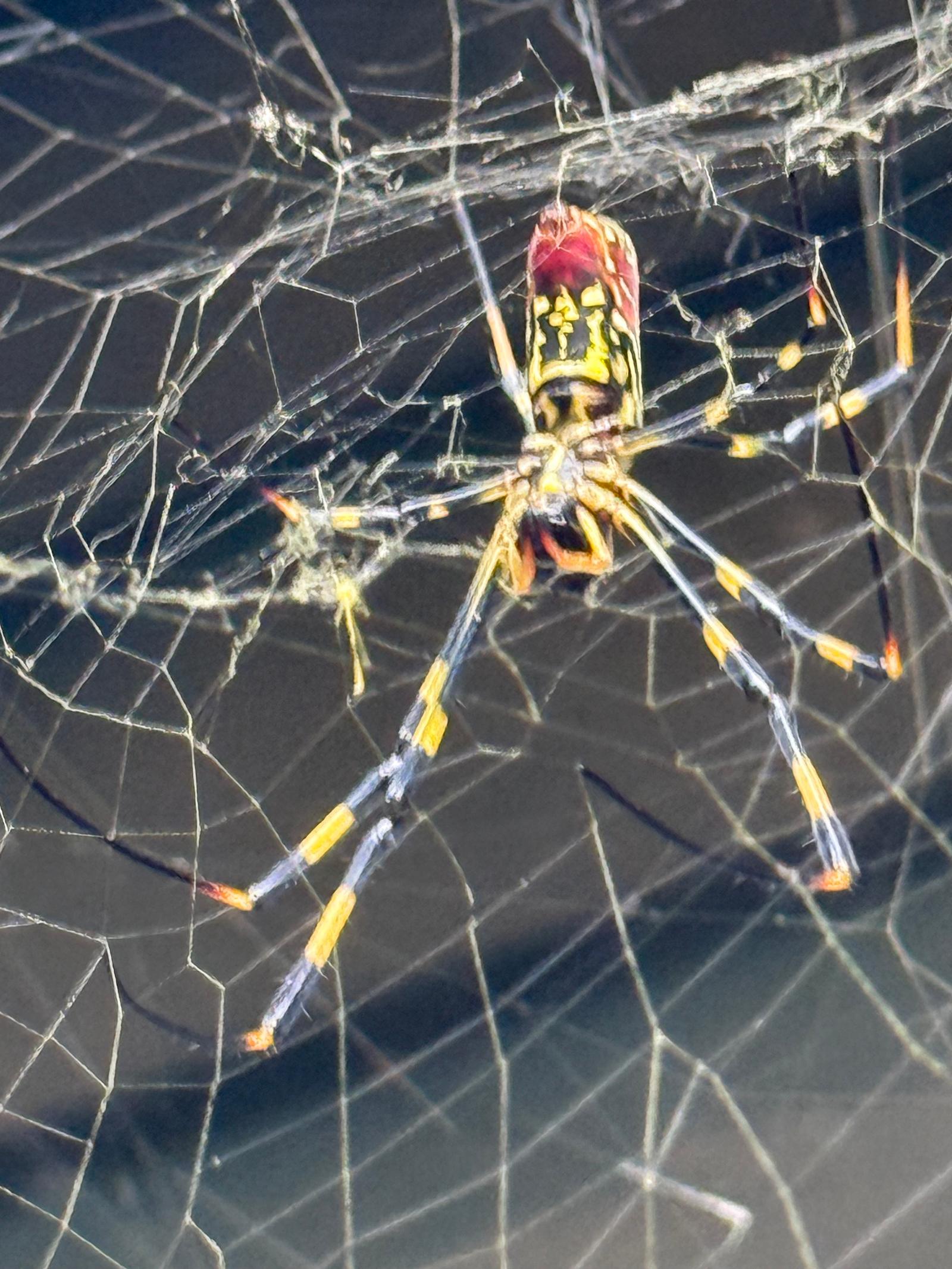
The Joro spider is a large, invasive orb weaver spreading across north Alabama. It can look alarming, but it is not medically dangerous.
Learn moreAnswers to common questions, from identification to prevention.
One office in Irondale. Technicians across the state.
A straightforward path from the first inspection to lasting protection.
The spider is confirmed as a brown recluse by its violin mark, legs and eyes, because many brown spiders look alike.
The insects drawing spiders in, and the lights, moisture and clutter that support them, are identified.
Perimeter insect treatment reduces the prey base around the house.
Webs are removed and hiding places treated where the species calls for it.
Quarterly pest control includes web removal and exterior treatment through the year.
From the Irondale office to any address in Alabama.
Practical articles from the Alabama Professional Services team, written for Alabama homeowners.
Yes, brown recluse spiders live in Alabama, including the Birmingham area.
A technician inspects the property, walks you through what we find, and explains the treatment we recommend, with a clear estimate before any work starts. The inspection is free.