

When Is This Not the Right Fix?
Kissing bugs live outdoors near wildlife, so sealing and perimeter treatment keep them out of the house. The treatment does not remove them from the area.
Kissing bugs live near wildlife and occasionally wander inside. Alabama Professional Services identifies them and seals them out, starting with a free inspection.
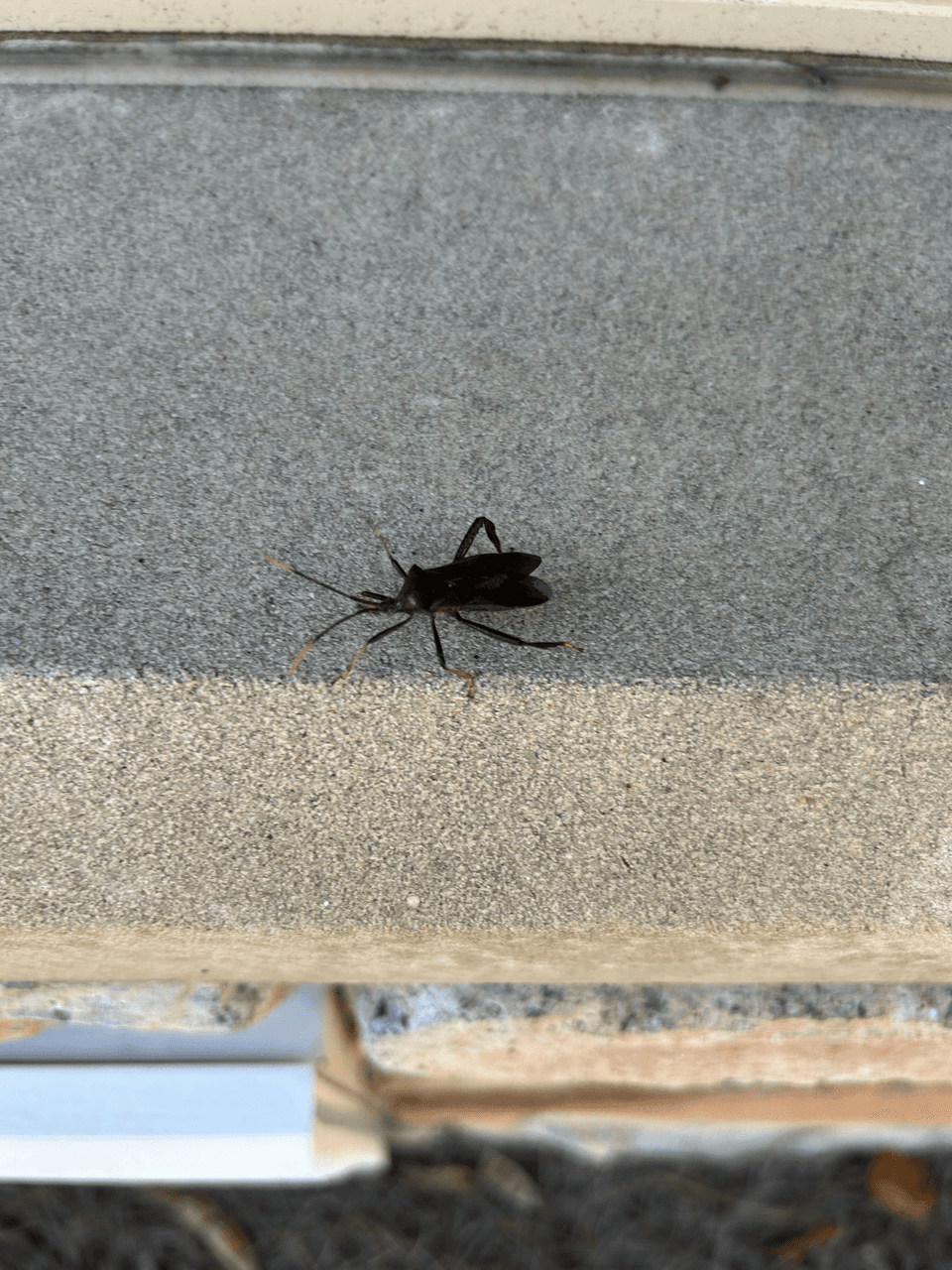
Kissing bugs, also called triatomine bugs or cone nose bugs, are blood feeding insects found across the southern United States, including Alabama. They usually live outdoors near the animals they feed on, in wildlife nests, woodpiles, under porches and in dog houses, and they sometimes come indoors, drawn by lights at night. They are worth identifying carefully, because several harmless insects look similar, and as with any occasional invader control, the work is mostly about keeping them outside.
A local specialist will inspect your home, walk you through the findings, and send a clear estimate. No cost, no pressure.
How the Price Is Set
The inspection is free. Treatment is quoted after it, because the pest, how it gets in and what draws it set the scope.
In Depth
Kissing bugs, also called triatomine bugs or cone nose bugs, are blood feeding insects found across the southern United States, including Alabama. They usually live outdoors near the animals they feed on, in wildlife nests, woodpiles, under porches and in dog houses, and they sometimes come indoors, drawn by lights at night. They are worth identifying carefully, because several harmless insects look similar, and as with any occasional invader control, the work is mostly about keeping them outside.
About half an inch to an inch long, dark brown to black, with a narrow, cone shaped head, thin antennae and often a band of red, orange or yellow markings around the edge of the flat body. Wheel bugs, leaf footed bugs and some assassin bugs look similar, and stink bugs are often mistaken for them.
They can carry the parasite that causes Chagas disease. The CDC's Chagas disease page explains the disease and the bugs in detail. If you find one, the first step is to have it identified, since several harmless bugs look much like it.
Near animal hosts: rodent and raccoon nests, opossum dens, chicken coops, dog kennels, woodpiles, rock piles and the spaces under decks and porches. Wildlife around the house brings them closer.
Through gaps around doors, windows, screens, vents and utility lines, and they are drawn to outdoor lights at night. Pets that sleep outdoors can also bring them near the house.
By sealing the gaps they enter through, including cracks at the foundation, reducing outdoor lighting near doors, clearing woodpiles and debris from the house, and treating the perimeter. Where wildlife is nesting near or under the house, dealing with it removes their host.
Many harmless insects, which is why identification matters. Other occasional invaders come in through the same gaps.
We have been family-owned since 1977. Our technicians are licensed by the Alabama Department of Agriculture and Industries' Pesticide Management Division. Schedule your free inspection.
After inspecting your property, we recommend treatment methods based on the pests present and the conditions we find.
We seal gaps and small cracks at the foundation, pipes, windows, doors and vents to help keep occasional and fall invaders out of your home.
Using granules in the mulch beds and soil along your foundation, we reach millipedes, earwigs, crickets and other occasional invaders where they cross.
From September through November, stink bugs, lady beetles and boxelder bugs gather on sunny Alabama siding and slip inside through gaps to spend the winter. Calls about Asian lady beetles peak in November, continue into December and pick up again in March. Sealing those gaps and a perimeter treatment are the usual starting points.
Each card below is a sign our technicians look for during a free inspection. Open one to read what it can mean and what we do about it.
Our specialists evaluate the underlying cause before recommending any work. Inspections are at no cost and there's no obligation to proceed.
Now in its third generation, APS continues the family owned tradition that began in 1977.
You get a clear estimate before any work starts, with no obligation to go ahead.
Pick the symptom that best fits. We'll tell you what it can mean and where to go next.
Don't see your question here? Our team is happy to help. Reach out anytime.
Kissing bugs live outdoors near wildlife, so sealing and perimeter treatment keep them out of the house. The treatment does not remove them from the area.
How to recognize each one and what it means for your home.
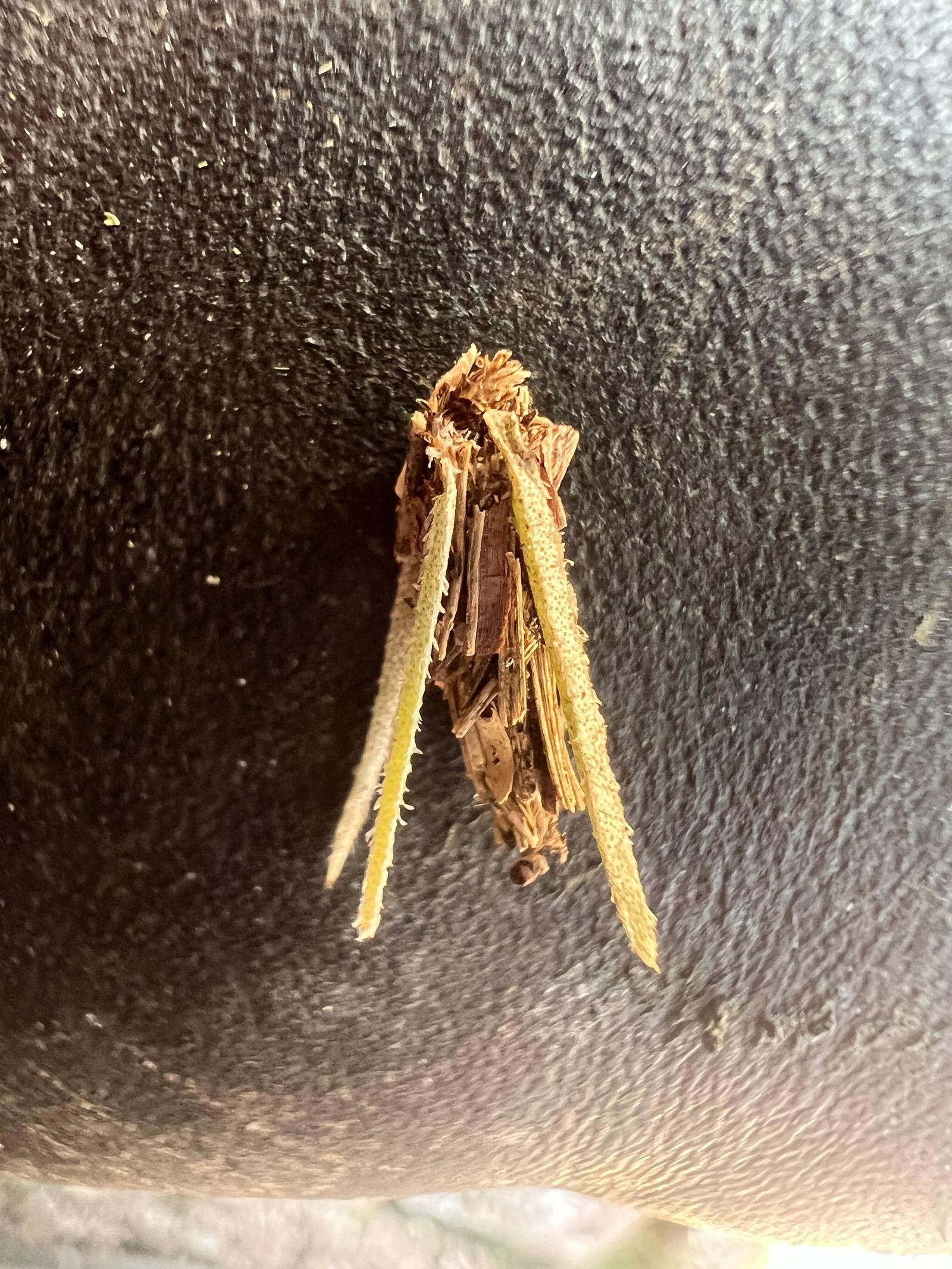
Plaster bagworms are small moth larvae that carry flat, seed like cases and hang on walls in humid homes. They feed on spider webs and debris.
Learn more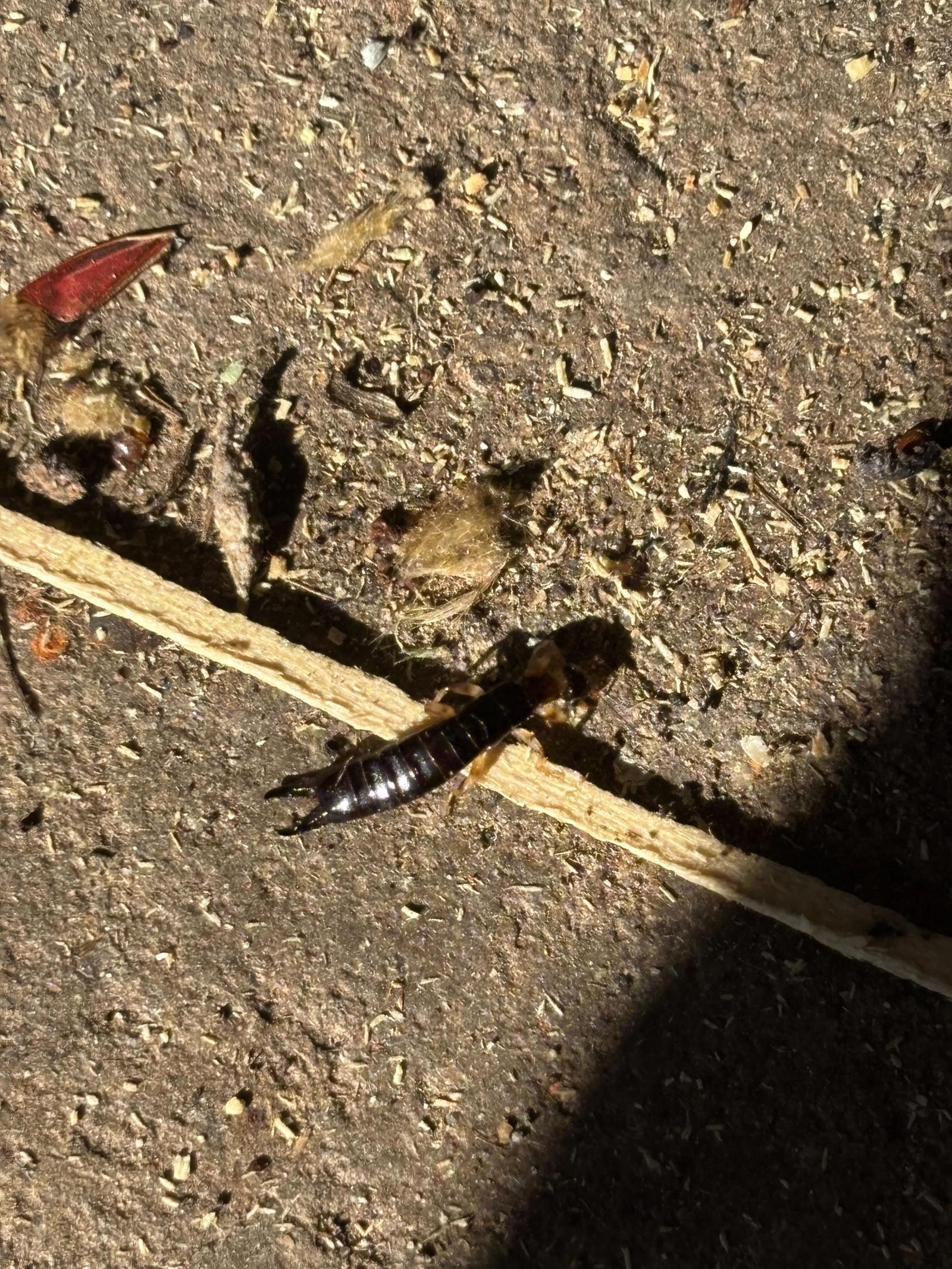
Earwigs are the pincer tailed insects that come in from damp mulch and leaf litter. They are harmless and are kept out by reducing moisture at the foundation.
Learn more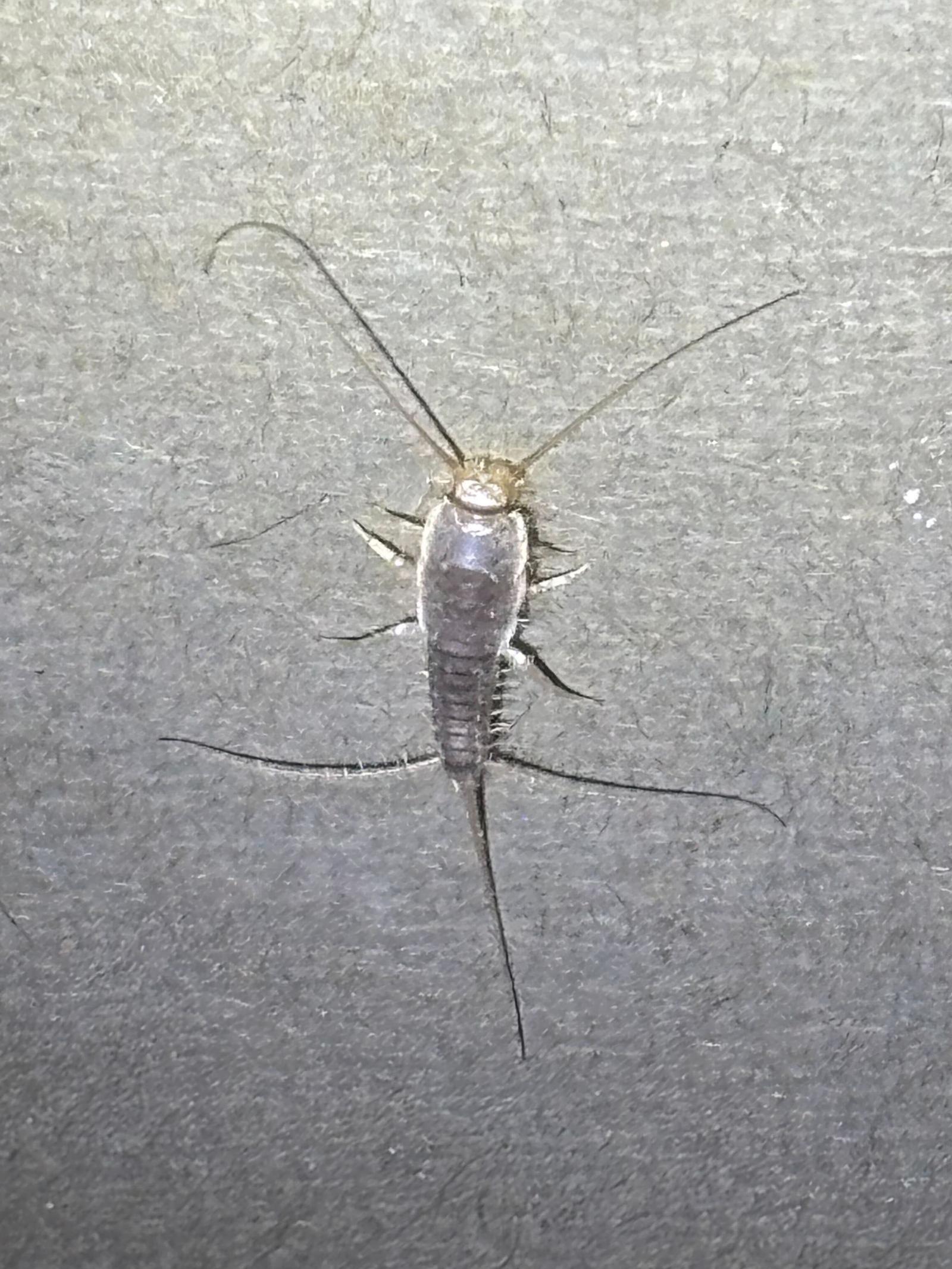
Silverfish are fast, silvery insects that live in damp, dark places and eat paper, starch and glue. They are controlled by treating their hiding places and reducing humidity.
Learn moreMost mites people find at home come from a source: bird or rodent nests, clover in the lawn, or chiggers in tall grass. Finding the source is the key.
Learn moreClover mites are tiny red mites that often swarm up sunny siding and onto windowsills in spring and fall. They do not bite, and they leave stains when crushed.
Learn more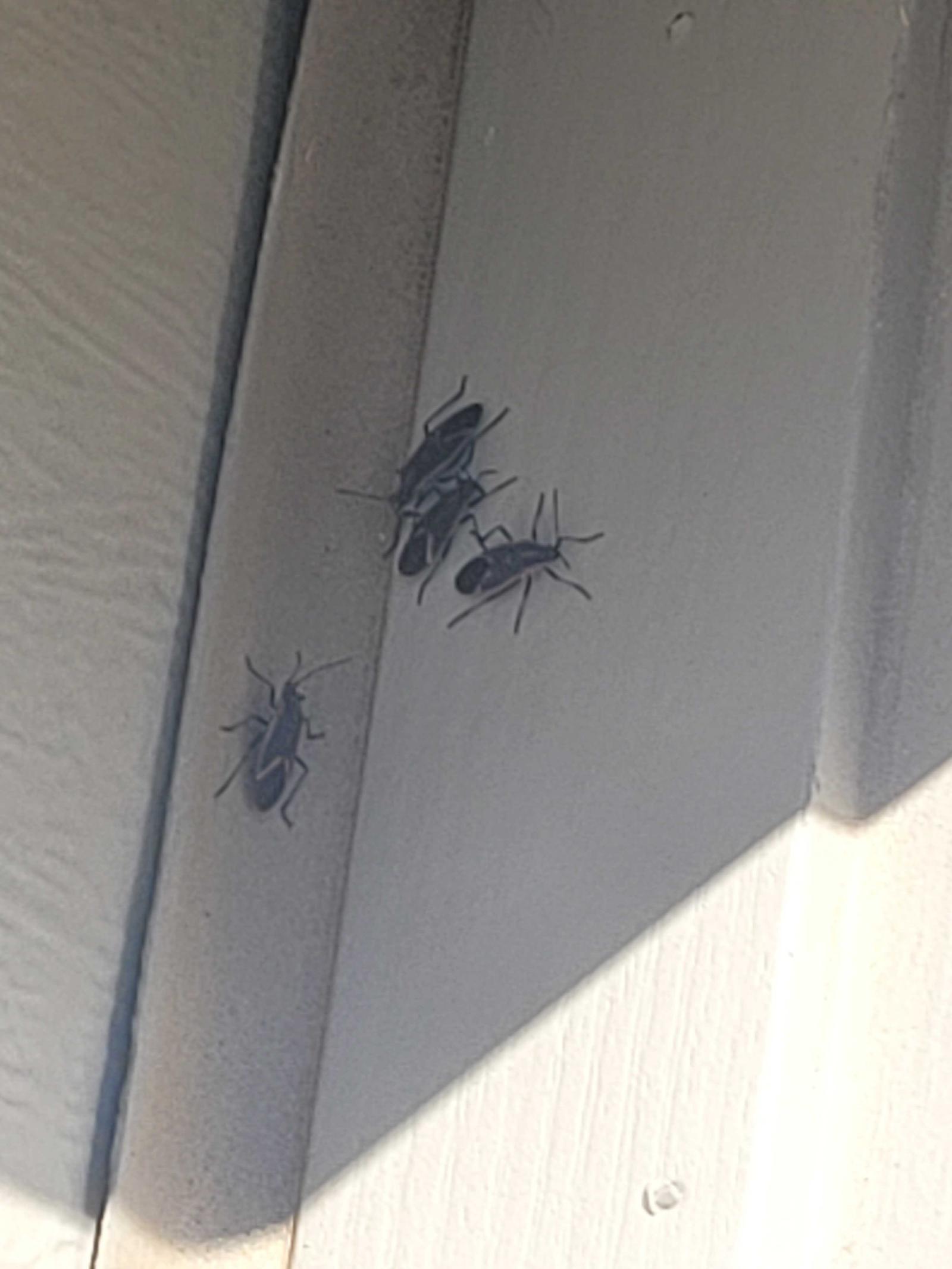
Boxelder bugs are black and red bugs that gather on sunny siding in the fall and slip inside to spend the winter.
Learn moreOne office in Irondale. Technicians across the state.
A straightforward path from the first inspection to lasting protection.
The insect is identified carefully, because several harmless bugs look similar.
Gaps at doors, windows, vents, utility lines and the foundation are checked.
Moisture, lights, food and clutter that attract the pest are identified.
Gaps are sealed and the perimeter treated, with wildlife hosts dealt with where they nest near the house.
Quarterly pest control keeps the perimeter treated through the year.
From the Irondale office to any address in Alabama.
A technician inspects the property, walks you through what we find, and explains the treatment we recommend, with a clear estimate before any work starts. The inspection is free.