
Small Dirt Mounds: Which Ants Build Them and What to Do About Each
A mound is the part of an ant nest that reaches the surface. Alabama Professional Services identifies which ant built it and treats the nest below the mound you can see.
Let's Take the First Step Toward a Healthy Home
A local specialist will inspect your home, walk you through the findings, and send a clear estimate. No cost, no pressure.
What Can Small Dirt Mounds Mean for Your Home?
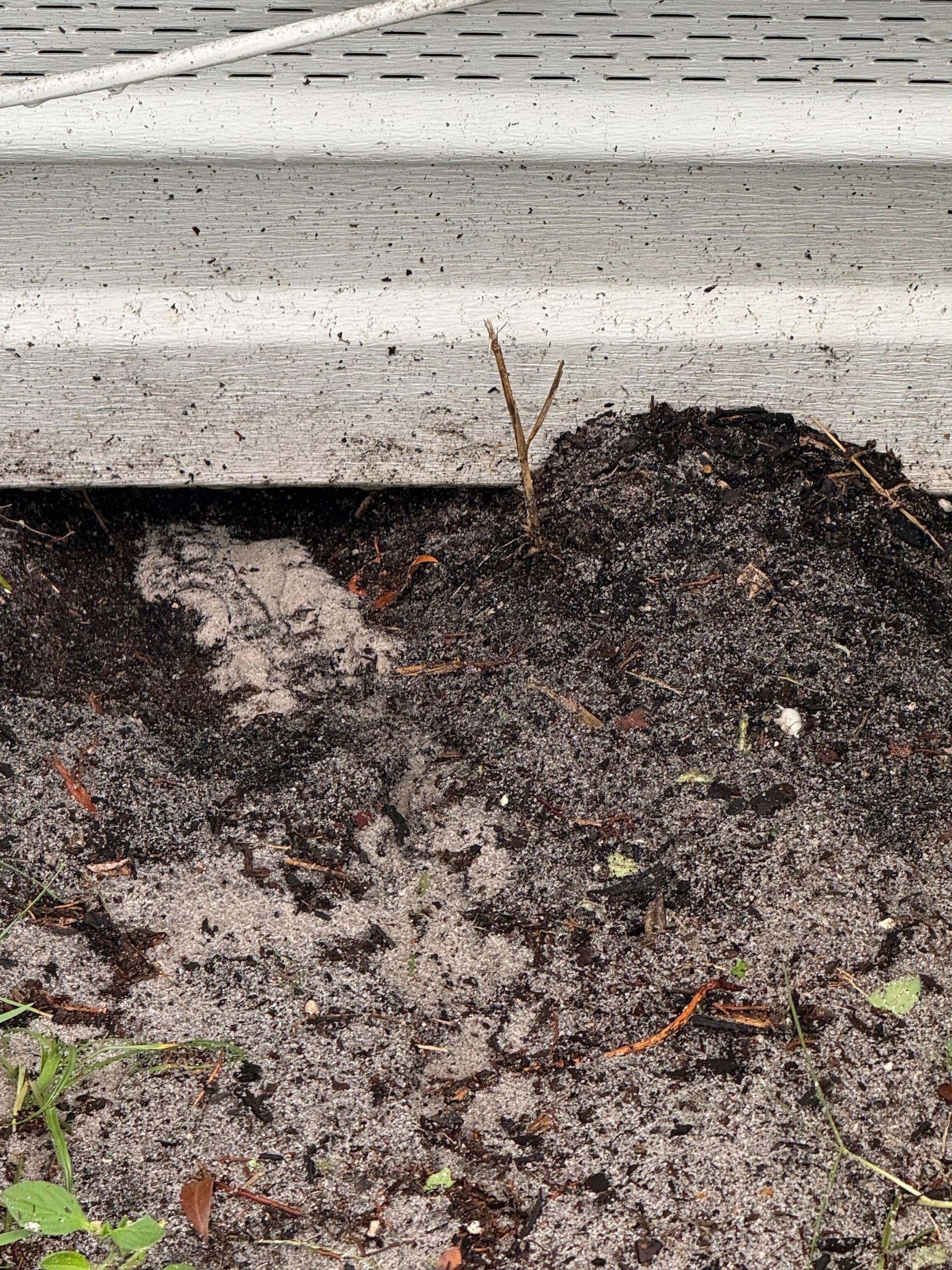
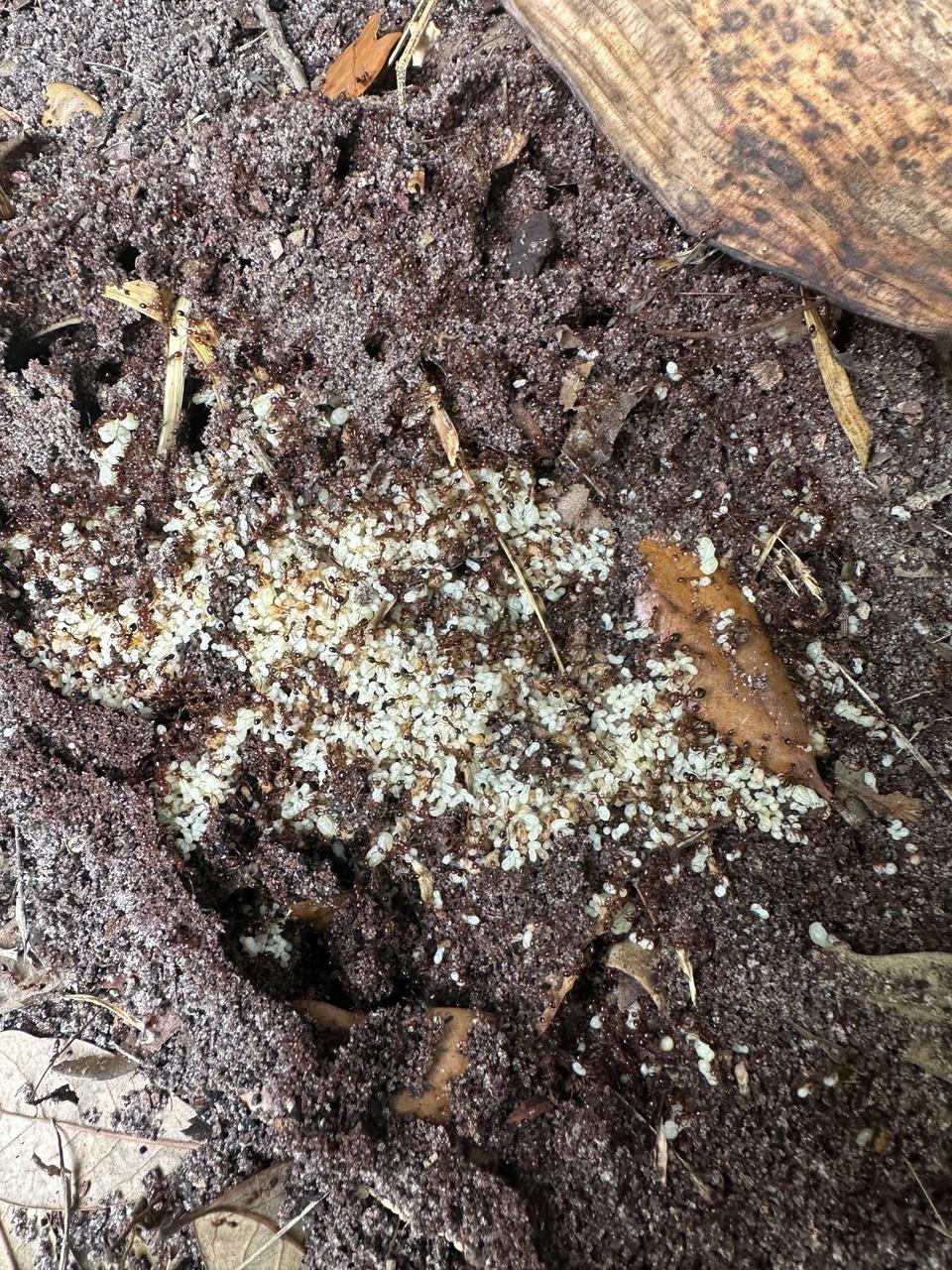
Small dirt mounds are soil that ants have carried up from a nest underground. Where they appear tells you a lot. In the lawn, in landscape beds and along the driveway edge, fluffy mounds of loose soil with no opening on top are the classic sign of red imported fire ants, the most common mound builders in Alabama and the ones that sting. Small crater shaped piles of fine soil between pavers, along sidewalk cracks or at the edge of a patio are usually a smaller ant nesting under the hardscape (patios, walkways and pavers). Tiny heaps of soil indoors, along a slab crack, at the edge of floor tile or next to a baseboard, usually mean ants are nesting under the slab and bringing soil up through the gaps. Mounds often appear after rain, when colonies move up or rebuild, which is why a yard can seem clear one week and dotted with them the next. The mound is not the whole colony. A yard with a few visible fire ant mounds usually has satellite colonies that have not built one yet.
How to Tell Which Ant Built a Small Dirt Mound?
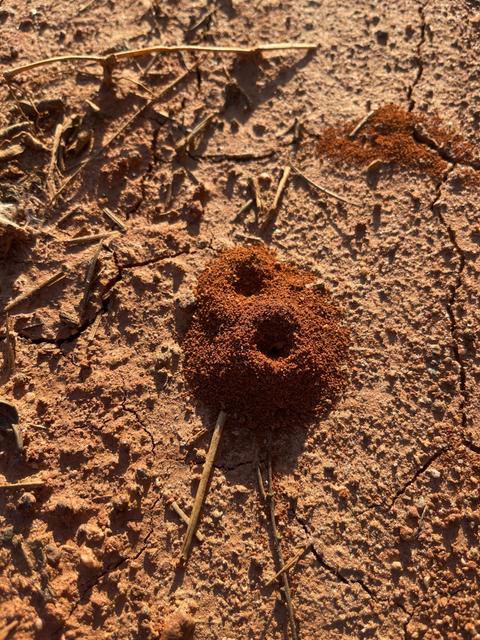
Fluffy mounds with no hole on top
Fire ant mounds are loose, worked soil with no central opening, and they grow larger as a colony becomes established. The ants come and go through tunnels underneath. Disturb one and the ants pour out and climb, and they sting as a group.
Mounds that appear after rain
A flush of new mounds a day or two after heavy rain is typical of fire ants rebuilding or relocating. It may or may not mean more colonies, and it does show where they are.
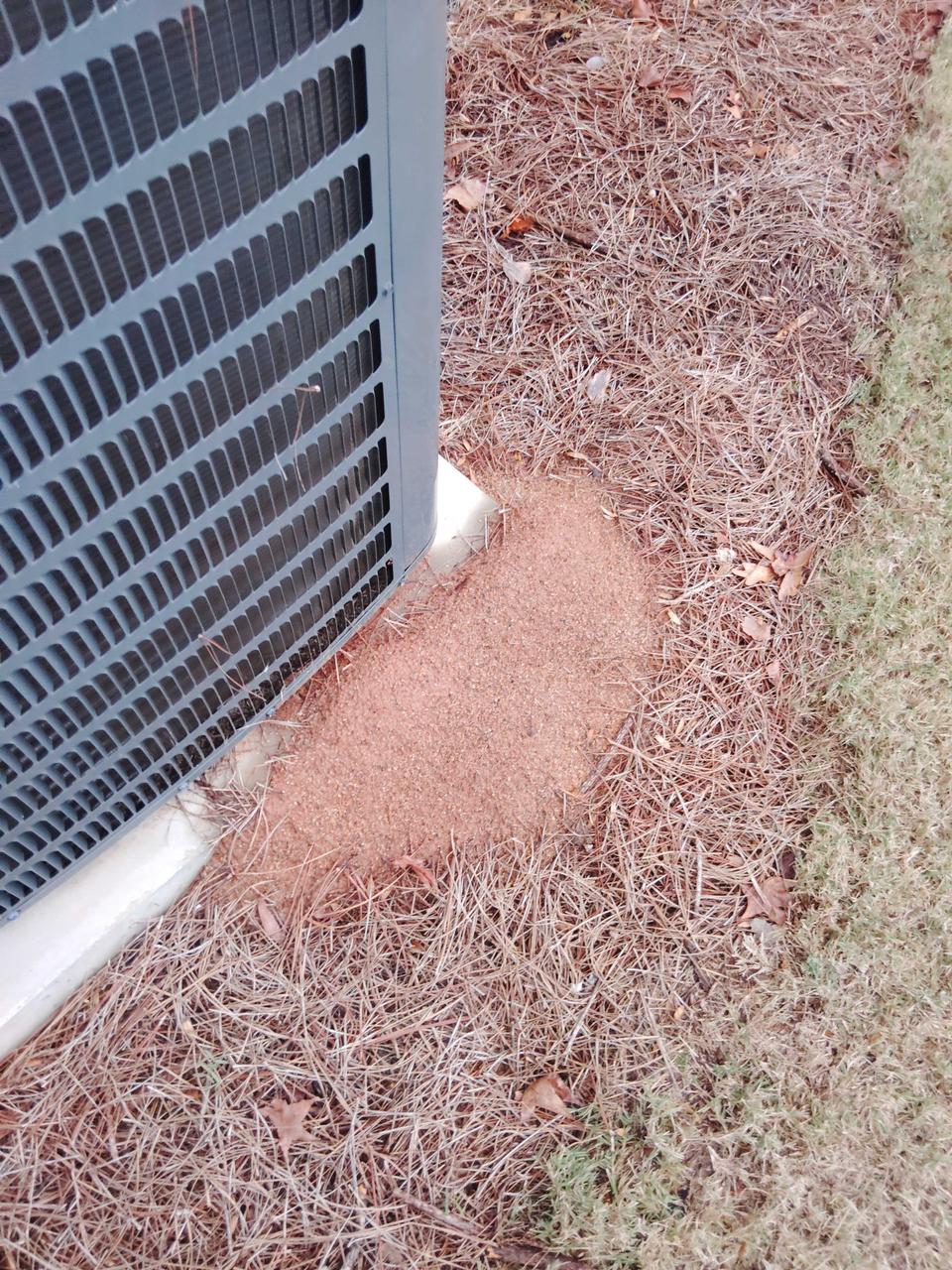
Mounds against the foundation or under the AC unit
Fire ants often build against warm surfaces, including foundation walls, driveway slabs and the pad under the air conditioning unit, and they can get into electrical equipment and into the house from there.
Fine soil in cracks between pavers
Small crater shaped piles along pavement cracks and between patio stones point to a smaller ant nesting under the hardscape. They rarely sting, but the colony can send trails indoors.
Soil appearing indoors
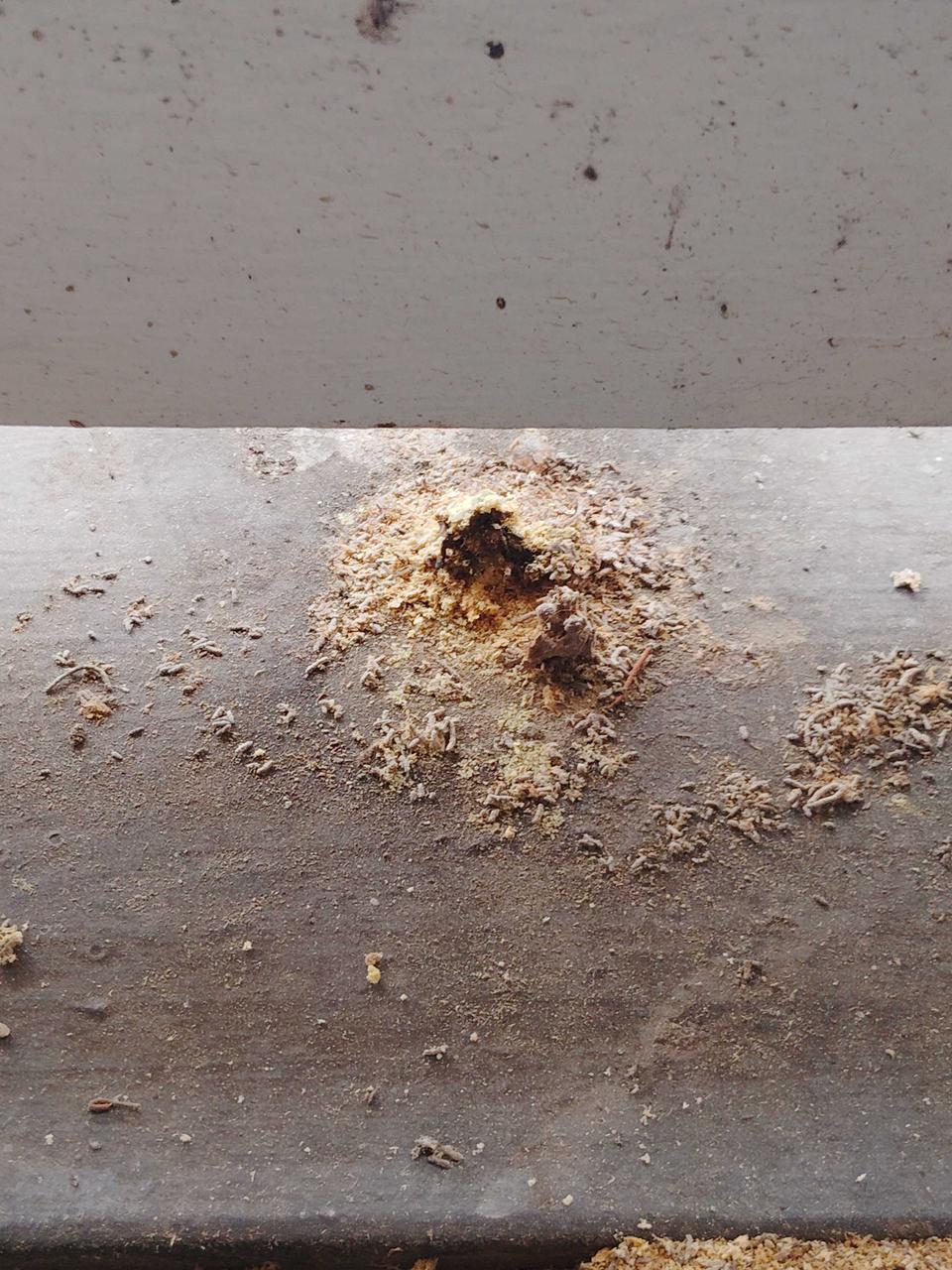
A little heap of fine soil at a slab crack, a floor tile joint or a baseboard usually means ants are nesting under the slab and carrying soil up through the gap. It is worth an inspection, because the nest is out of sight and close to the living space.
What Causes Small Dirt Mounds?
Small Dirt Mounds on Our Job Sites
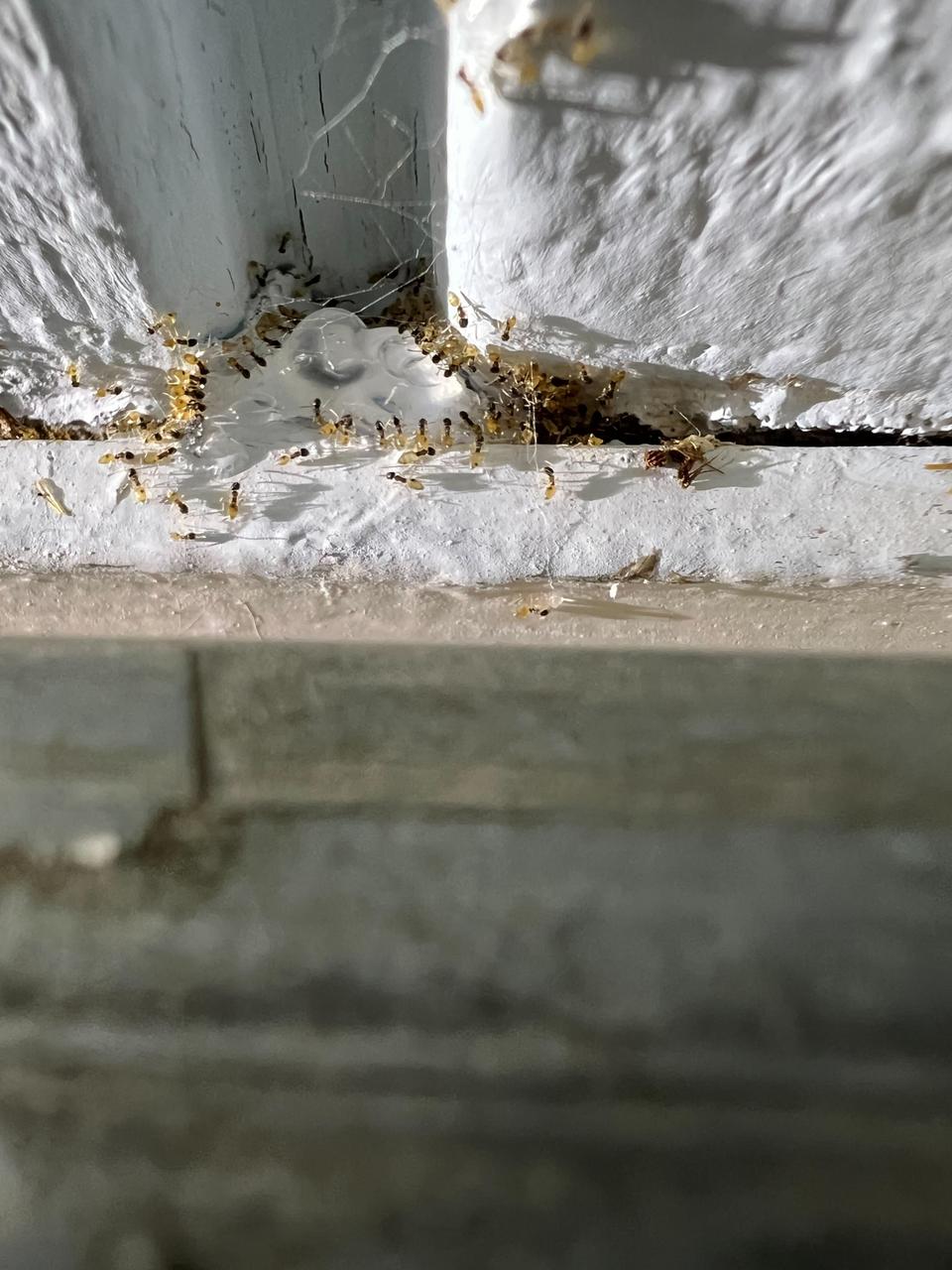
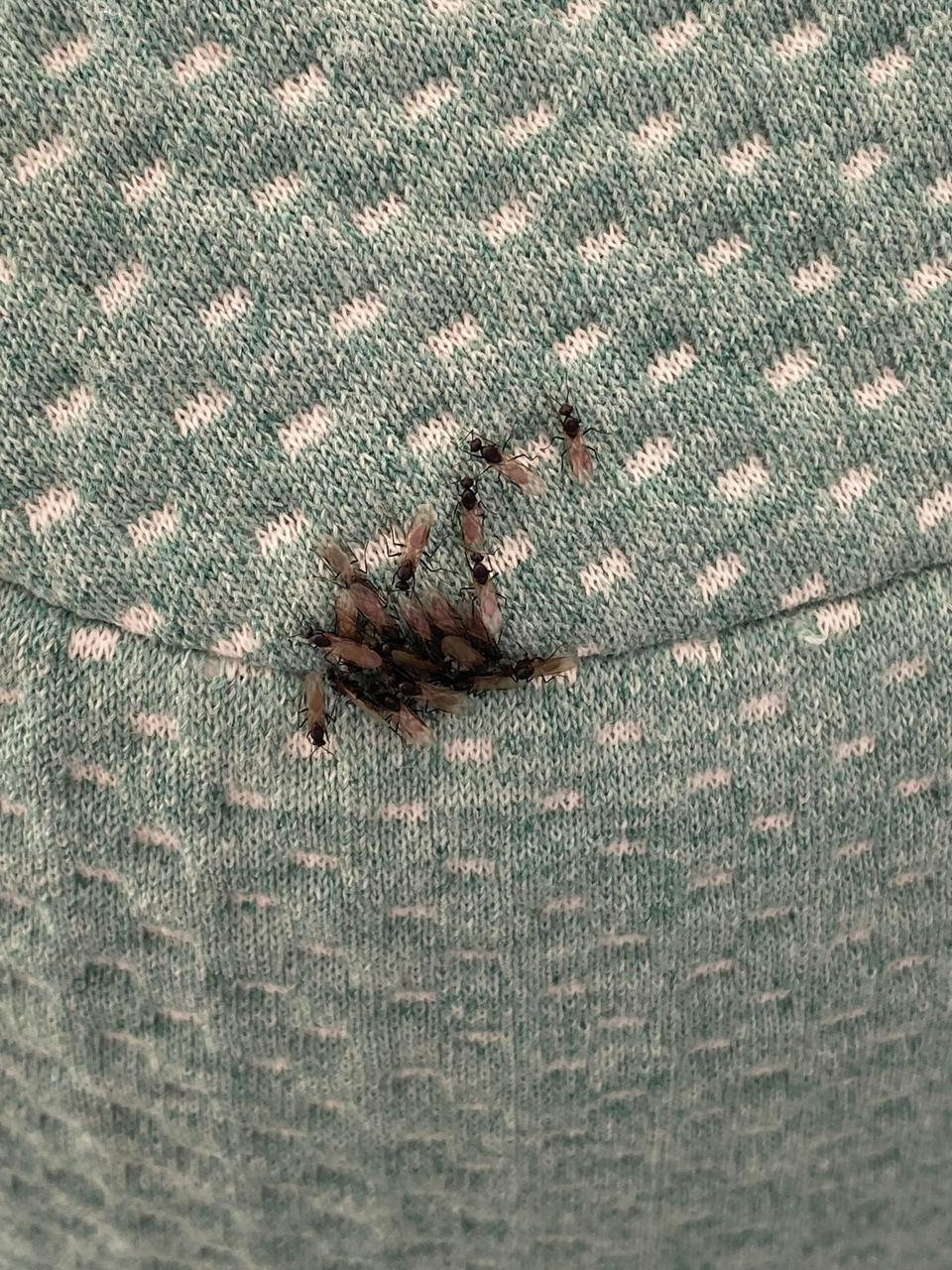
Photos from our own inspections and job sites.
How Do Our Technicians Handle Small Dirt Mounds?
Each method is matched to what the inspection finds. The inspection shows which cause is at work in your home and which method fits it.
Fire Ant Mound Treatments
Our technicians drench active fire ant mounds and spread bait across the yard that foraging workers carry to hidden colonies, from March through November.
Perimeter Treatment
As part of quarterly pest control, we treat the foundation, entry points and eaves where ants and other pests cross, to help stop them before they get inside.
Seeing a Different Sign?
Pick the symptom that best fits. We'll tell you what it can mean and where to go next.
What You Get From APS Ant Control
Fire ants, carpenter ants and small indoor ants each need a different treatment, so every plan starts by identifying the species.
For pharaoh ants, ghost ants and other species that form new colonies when disturbed, we use non repellent baits instead of sprays.
If a covered pest problem returns between scheduled quarterly treatments, we'll come back at no additional charge.
You get a clear estimate before any work starts, with no obligation to go ahead.
Answers to Common Questions About Small Dirt Mounds
Don't see your question here? Our team is happy to help. Reach out anytime.
Other Ant Signs to Watch For
One problem can leave more than one sign. If you see small dirt mounds, these are worth checking for too.
Serving All of Alabama
One office in Irondale. Technicians across the state.
- Huntsville, AL
- Montgomery, AL
- Hoover, AL
- Birmingham, AL
- Madison, AL
- Vestavia Hills, AL
- Alabaster, AL
- Tuscaloosa, AL
- Auburn, AL
Take the First Step Toward a Healthy Home
A straightforward path from the first inspection to lasting protection.
Schedule Your Inspection
A local specialist visits your home, inspects the problem, and answers your questions on site. No cost, no obligation.
Review Your Estimate
We explain our findings and provide an estimate for the recommended treatment.
Receive Your Treatment
Our team performs the recommended treatment and explains any follow up care or preventive measures.
Tell Us What You Found
From the Irondale office to any address in Alabama.
- A local specialist contacts you to schedule a visit.
- Your specialist inspects the problem and explains the findings.
- You receive an estimate with no obligation to proceed.
Expert Guidance on Protecting Your Home
Practical articles from the Alabama Professional Services team, written for Alabama homeowners.
 Ant Control
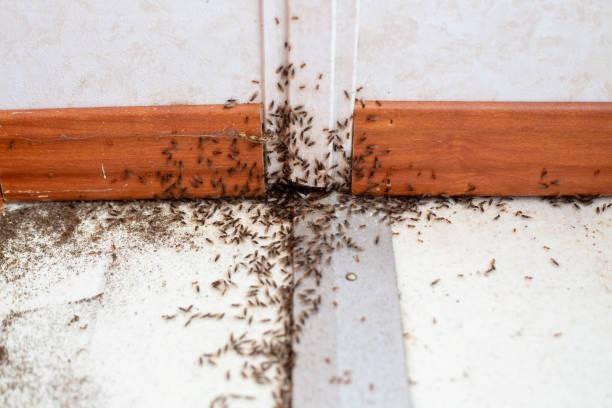
Top Four Causes of Ant Infestation
Discover the top four causes of ant infestation and how they can disrupt your home.
Noticed This Sign? Schedule Your Free Inspection
A technician inspects the property, walks you through what we find, and explains the treatment we recommend, with a clear estimate before any work starts.