

When Is This Not the Right Fix?
Treating a pantry without finding and removing every infested package leaves the source in place.
Pantry pests live in the food itself. Alabama Professional Services finds the source and keeps them from coming back, starting with a free inspection.
Pantry pests are the moths and beetles that live in dry food: flour, cereal, rice, pasta, dried fruit, nuts, spices, birdseed and dry pet food. Unlike ants or cockroaches, they are not coming in from outside to feed; they are living and breeding in the food, often brought home in a package that was already infested. That makes control different, and the first step is always finding and removing the infested food. This page covers controlling them; a separate sign page covers what finding them means.
A local specialist will inspect your home, walk you through the findings, and send a clear estimate. No cost, no pressure.
How the Price Is Set
The inspection is free. Treatment is quoted after it, because the pest, how it gets in and what draws it set the scope.
In Depth
Pantry pests are the moths and beetles that live in dry food: flour, cereal, rice, pasta, dried fruit, nuts, spices, birdseed and dry pet food. Unlike ants or cockroaches, they are not coming in from outside to feed; they are living and breeding in the food, often brought home in a package that was already infested. That makes control different, and the first step is always finding and removing the infested food. This page covers controlling them; a separate sign page covers what finding them means.
Indian meal moths, the small moths with coppery tipped wings that flutter out of cupboards, are the most common. Flour beetles, sawtoothed grain beetles, cigarette beetles and drugstore beetles are small brown beetles in dry goods, and rice and grain weevils have a distinctive snout.
Usually in the package. Eggs or larvae are already inside when it is brought home, and from there adults often spread to other packages, working into cardboard and loosely closed bags. They can also come in with birdseed and dry pet food stored in the garage.
Finding and discarding every infested package, because treatment does nothing to insects inside food. Everything else dry in the pantry is checked, and shelves are vacuumed and wiped, especially cracks and corners where larvae hide.
After the source is removed, the cracks and crevices where larvae and pupae hide are treated, and pheromone monitoring traps for moths show whether any remain. Food then goes into sealed glass or hard plastic containers.
Because one missed package, a bag of birdseed or pet food, or larvae pupating in a crack can keep the cycle going. Moth larvae often wander to the ceiling or wall corners to pupate, well away from the food. Fabric pests are a related problem in closets, with similar moths.
They are not known to spread disease. They do contaminate and ruin food. Beetles underfoot near the pantry often mean an infestation has spread, and the page on moths and beetles in food covers what finding them means.
We have been family-owned since 1977. Our technicians are licensed by the Alabama Department of Agriculture and Industries' Pesticide Management Division. Schedule your free inspection.
After inspecting your property, we recommend treatment methods based on the pests present and the conditions we find.
We place pheromone traps where pantry or clothes moths are active to help find the source and confirm whether treatment has worked.
We deliver a fine aerosol into wall voids and crevices where stink bugs, lady beetles and silverfish hide, then seal the gaps that let them in.
From September through November, stink bugs, lady beetles and boxelder bugs gather on sunny Alabama siding and slip inside through gaps to spend the winter. Calls about Asian lady beetles peak in November, continue into December and pick up again in March. Sealing those gaps and a perimeter treatment are the usual starting points.
Each card below is a sign our technicians look for during a free inspection. Open one to read what it can mean and what we do about it.
Our specialists evaluate the underlying cause before recommending any work. Inspections are at no cost and there's no obligation to proceed.
Now in its third generation, APS continues the family owned tradition that began in 1977.
You get a clear estimate before any work starts, with no obligation to go ahead.
Pick the symptom that best fits. We'll tell you what it can mean and where to go next.
Don't see your question here? Our team is happy to help. Reach out anytime.
Treating a pantry without finding and removing every infested package leaves the source in place.
How to recognize each one and what it means for your home.
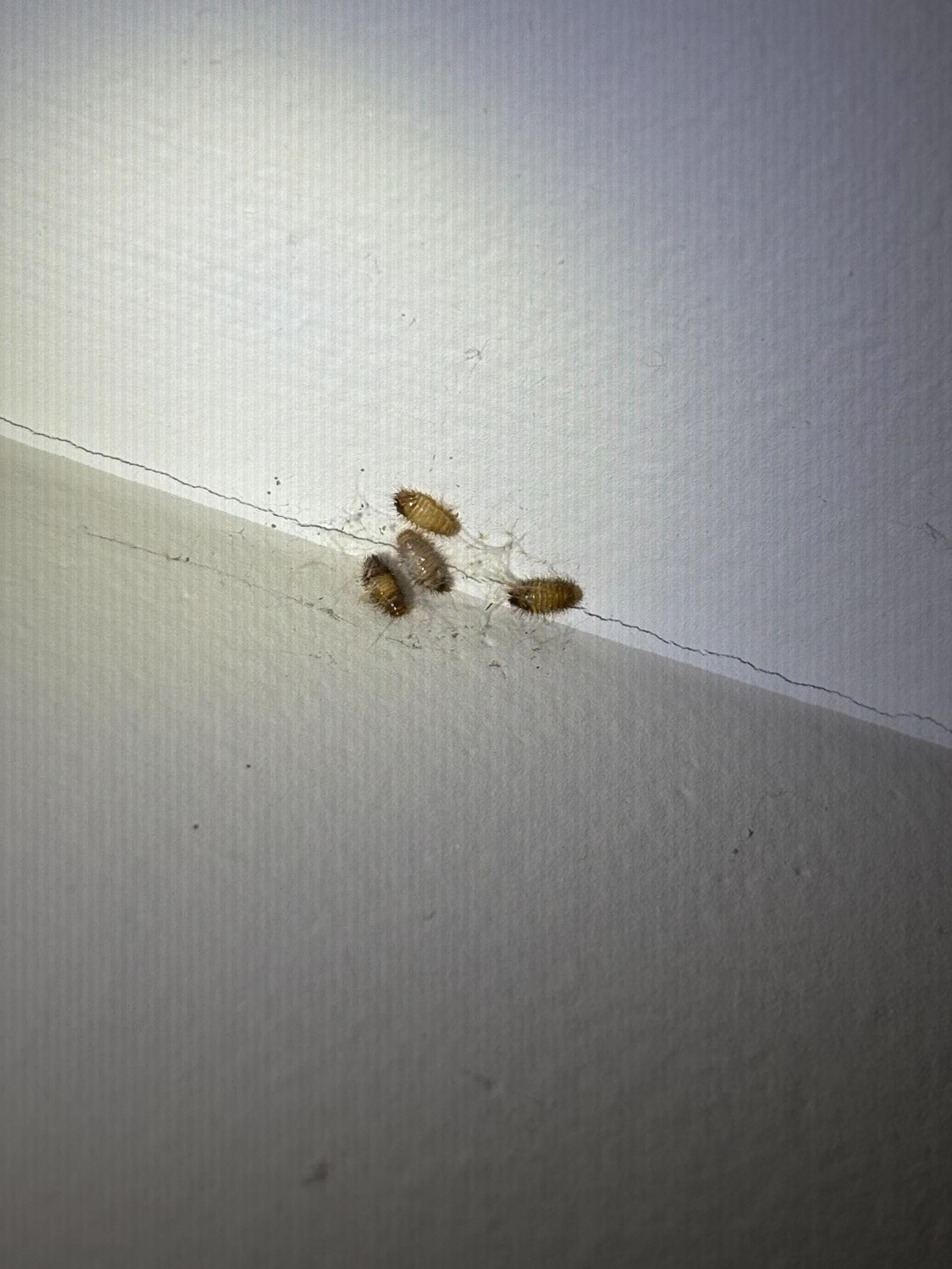
Clothes moths and carpet beetles feed on wool, silk, fur and feathers in closets, rugs and stored clothing. Their larvae do the damage.
Learn moreKissing bugs are blood feeding insects that live around wildlife nests and occasionally come indoors. They are identified carefully and kept out at the perimeter.
Learn more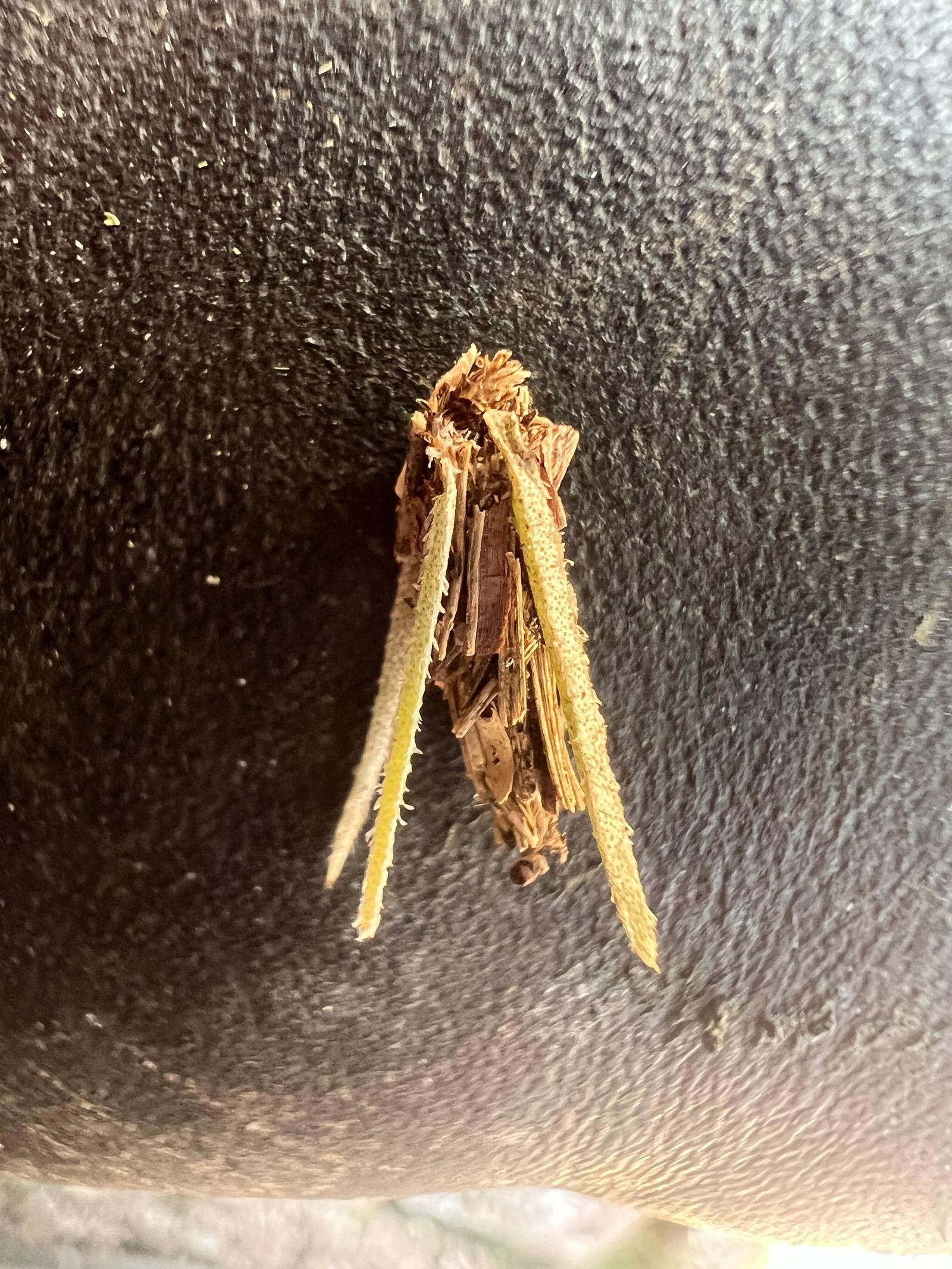
Plaster bagworms are small moth larvae that carry flat, seed like cases and hang on walls in humid homes. They feed on spider webs and debris.
Learn more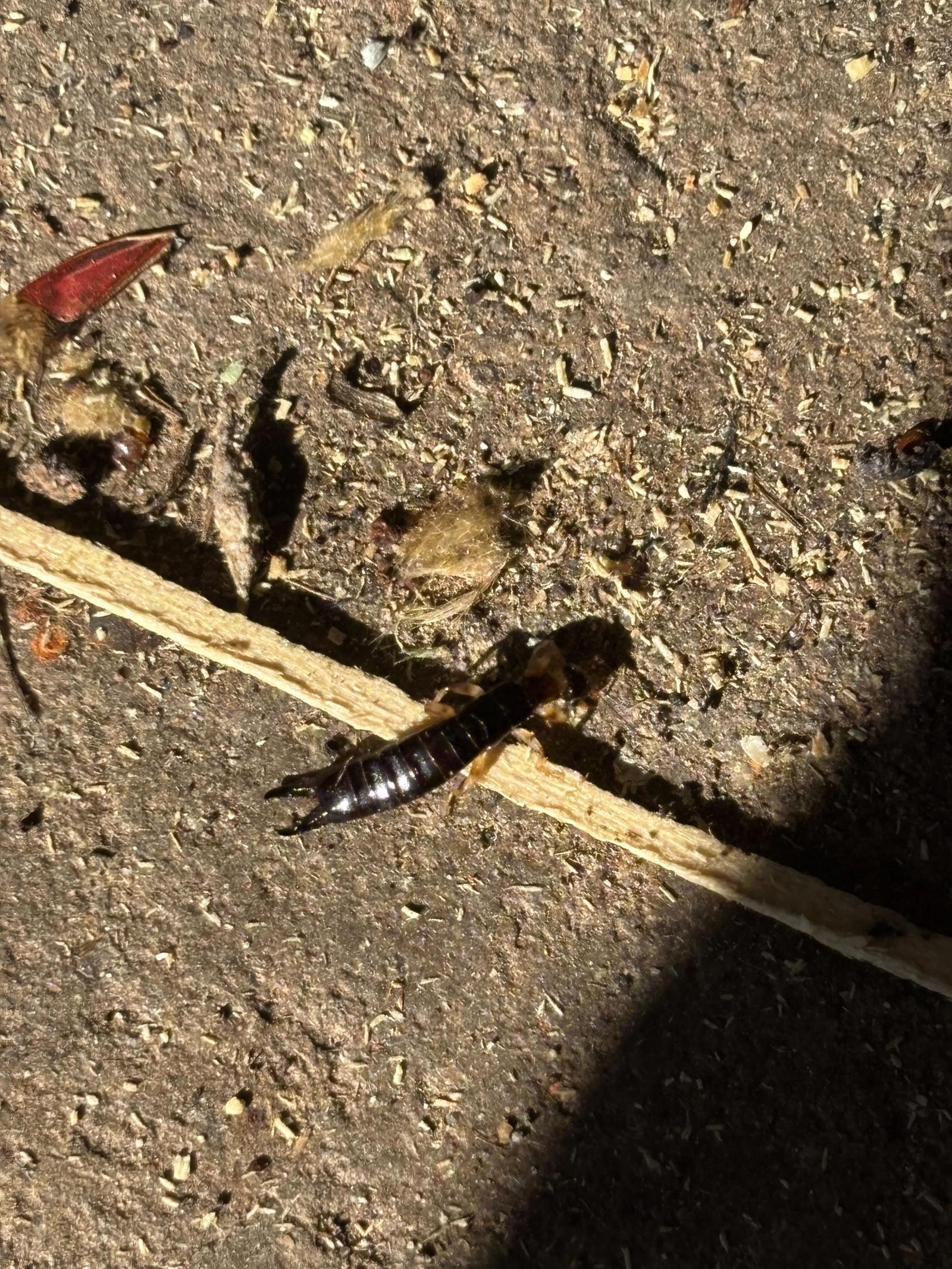
Earwigs are the pincer tailed insects that come in from damp mulch and leaf litter. They are harmless and are kept out by reducing moisture at the foundation.
Learn more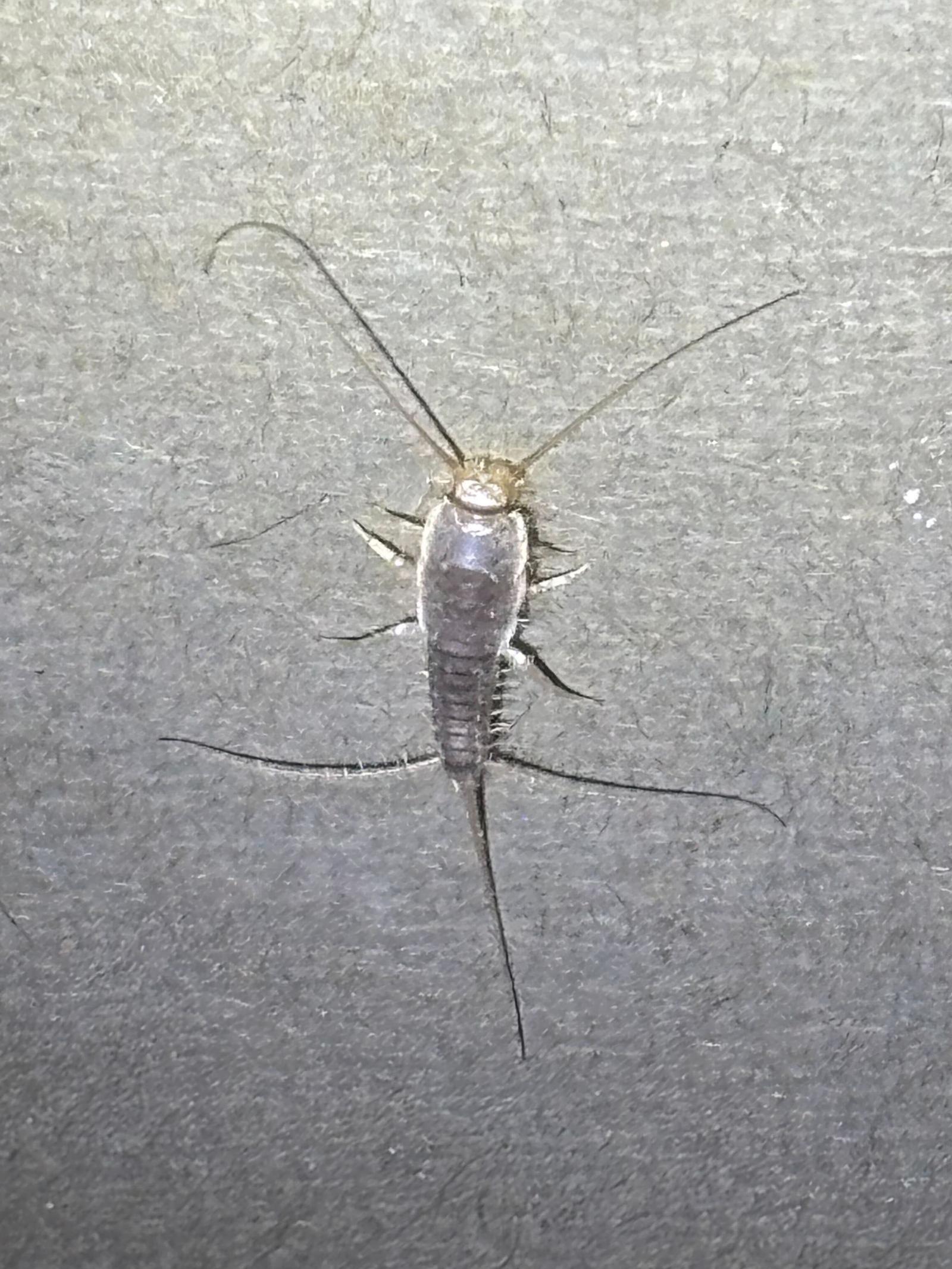
Silverfish are fast, silvery insects that live in damp, dark places and eat paper, starch and glue. They are controlled by treating their hiding places and reducing humidity.
Learn moreMost mites people find at home come from a source: bird or rodent nests, clover in the lawn, or chiggers in tall grass. Finding the source is the key.
Learn moreOne office in Irondale. Technicians across the state.
A straightforward path from the first inspection to lasting protection.
Indian meal moths, beetles or weevils are identified.
Every package is checked and infested food is discarded.
Shelves are vacuumed and cracks and crevices treated where larvae hide.
Pheromone traps show whether moths remain.
Dry food goes into sealed containers to prevent a return.
From the Irondale office to any address in Alabama.
A technician inspects the property, walks you through what we find, and explains the treatment we recommend, with a clear estimate before any work starts. The inspection is free.