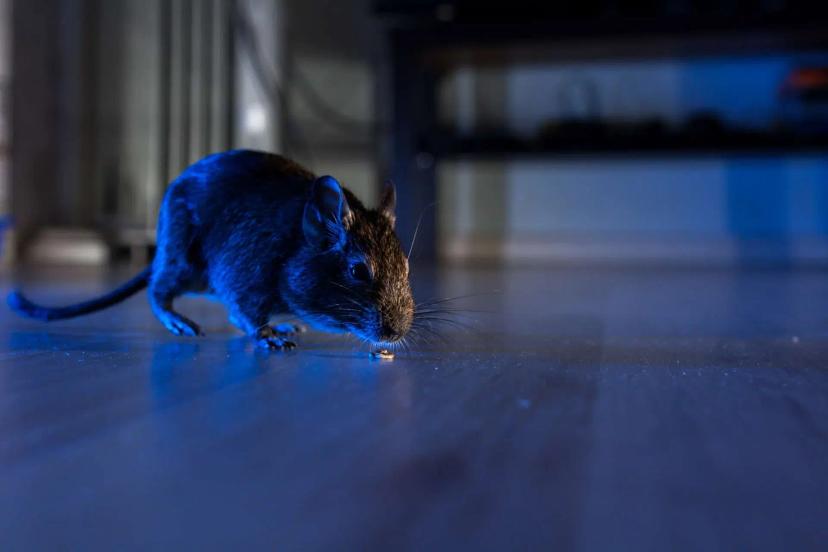
When Is This Not the Right Fix?
Trapping without sealing leaves the same gaps open for the next mice, and sealing without trapping closes the house with mice still inside. Neither step works on its own.
Mice often follow each other's scent to the same food and the same way in. Alabama Professional Services removes the mice and seals the gaps, starting with a free inspection.
House mice are the most common rodent inside Alabama homes, and the most common reason people look for professional rodent control. They are small, quick and mostly active at night, so people usually notice droppings in a cabinet or a sound in the wall before they see the mouse itself. And there is rarely just one: mice leave scent behind as they move through a house, and it can draw others to the same food and the same way in.
A local specialist will inspect your home, walk you through the findings, and send a clear estimate. No cost, no pressure.
How the Price Is Set
The inspection is free. Treatment is quoted after it, because the number of entry points and where the rodents are nesting set the scope.
In Depth
House mice are the most common rodent inside Alabama homes, and the most common reason people look for professional rodent control. They are small, quick and mostly active at night, so people usually notice droppings in a cabinet or a sound in the wall before they see the mouse itself. And there is rarely just one: mice leave scent behind as they move through a house, and it can draw others to the same food and the same way in.
Droppings are the most common first sign: small, dark, pointed pellets in cabinets, drawers, pantries and along the edges of walls. Finding droppings in the kitchen usually means mice are feeding nearby. Gnawed food packaging, shredded paper or fabric pulled into nests, a musky smell and scratching in the walls at night are the other common signs. The mouse droppings identification guide shows how to tell them from other pests.
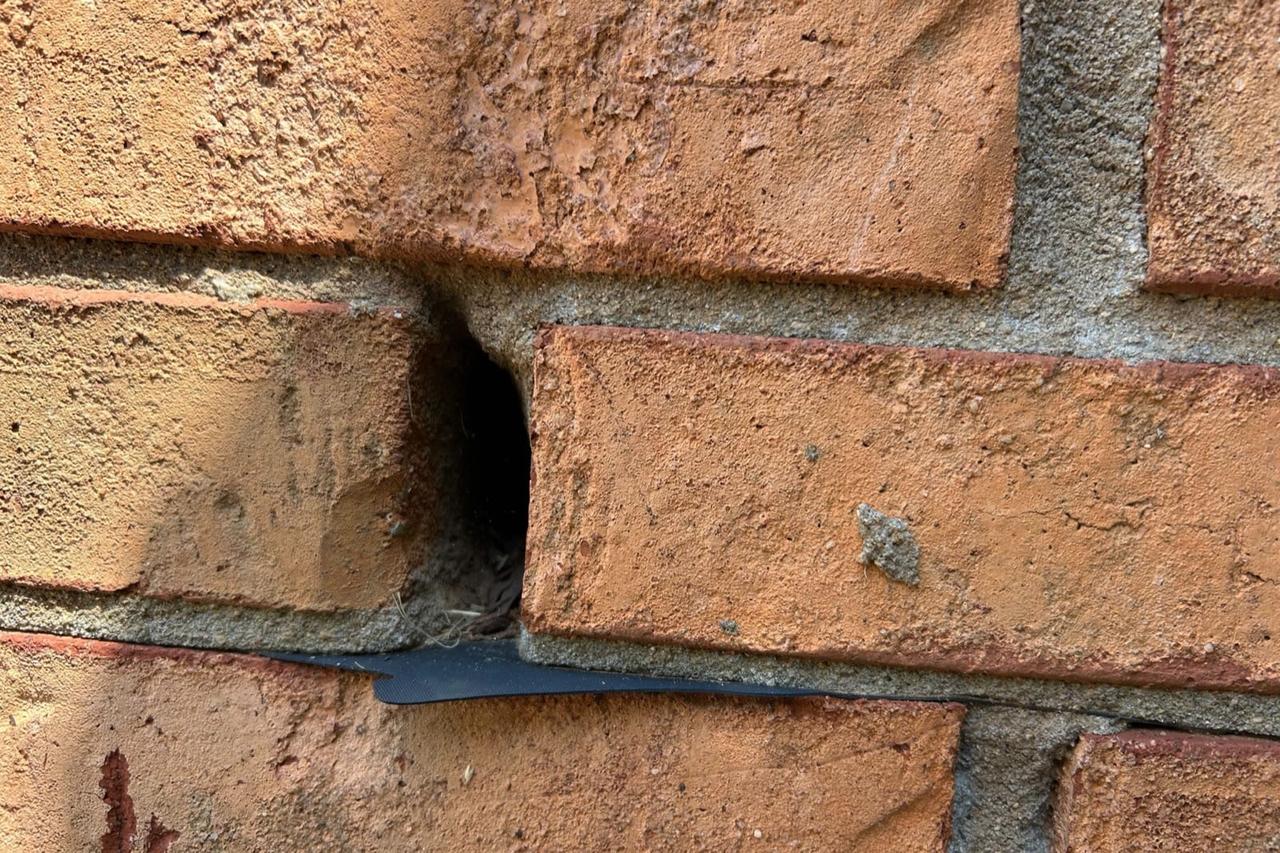
Through gaps far smaller than the mouse looks: around pipes under sinks, where utility lines enter, at the corners of garage doors, under doors without sweeps, through foundation vents and at the roof line. Mice climb well, so a gap high on the wall can be as useful to them as one at the ground.
Mice contaminate food and surfaces with droppings and urine, and they can spread bacteria such as salmonella. Deer mice, more common in rural and wooded settings than in town, are the main carrier of hantavirus in North America. Mice can also bring mites and fleas into a house. None of that is a reason for panic, but it is why droppings are cleaned up differently from ordinary dirt.
Mostly in the fall, as temperatures drop and outdoor food thins out, and through the winter they are active indoors. That makes fall the season for exclusion, and a house sealed before the weather turns usually has far fewer mice looking for a way in.
Trapping reduces the mice already inside the house, and a trapping and baiting program is set up around where they are feeding and traveling. Exclusion stops new mice from coming in: sealing every entry point with galvanized steel mesh, copper wool, Xcluder fill fabric and professional grade sealants. Both steps are required for a lasting fix.
Traps catch the mice that are there. They do nothing about the gap those mice came through, so new mice can keep arriving along the same scent trail, and the traps seem to stop working when in fact they are working on an endless supply. The guide to getting rid of mice covers what works at home and when it takes exclusion.
Food stored off the floor in airtight, chew resistant containers, trash in bins with locking lids, less clutter in garages and storage rooms, and shrubs cut back from the walls all leave mice less to find. Sealed gaps do the rest. Alabama Professional Services has been family-owned since 1977, and its technicians are licensed by the Alabama Department of Agriculture and Industries' Pesticide Management Division. Schedule your free inspection and a technician will find where the mice are getting in.
After inspecting your property, we recommend treatment methods based on the pests present and the conditions we find.
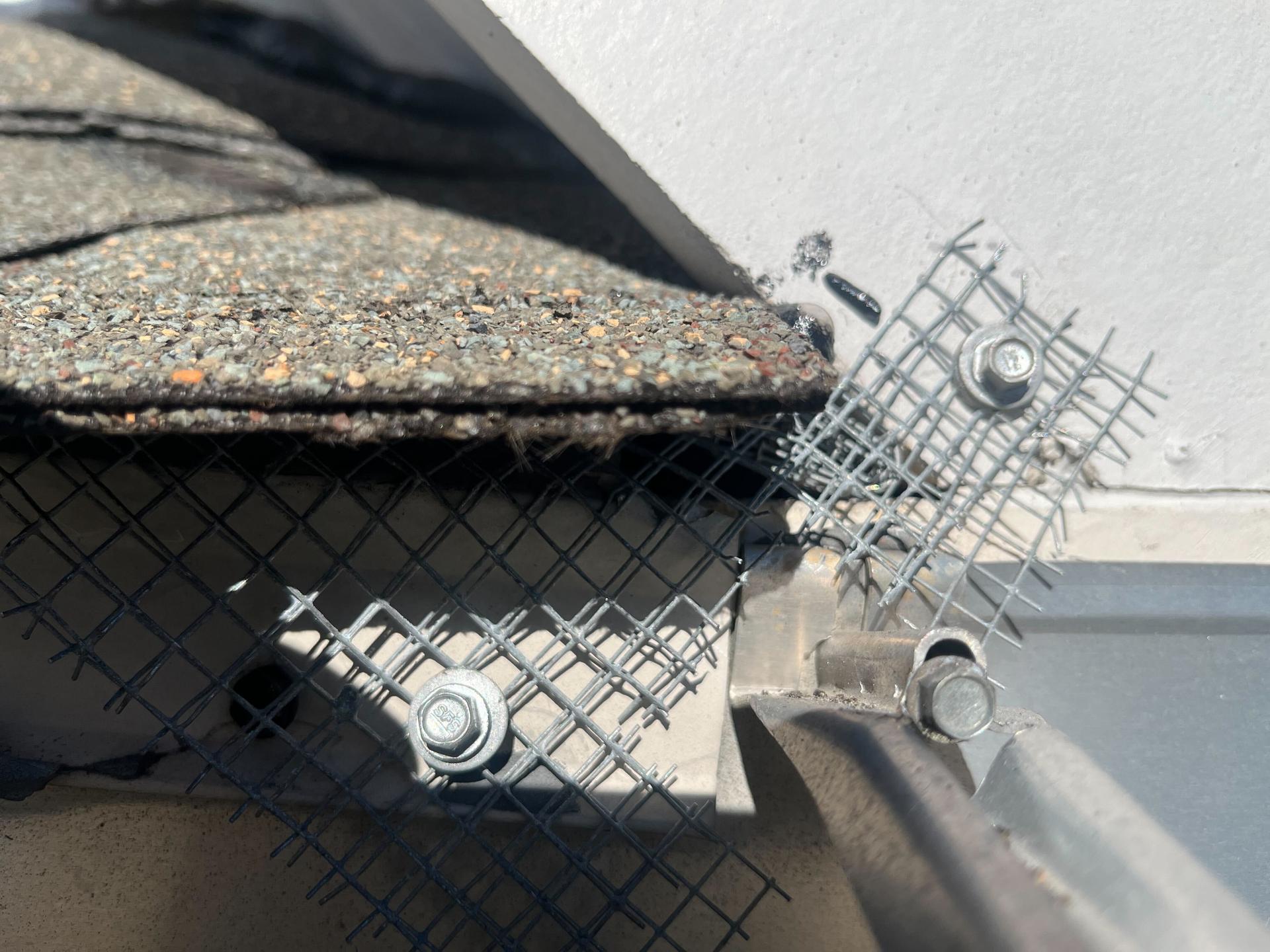
From the roof line to the foundation, we seal entry points with galvanized steel mesh, copper wool and Xcluder fill fabric, alongside trapping inside.
We set snap traps, bait stations and placement baits along the routes mice and rats travel, with visits set by how severe the problem is.
Once rodents are out and entry points sealed, we remove soiled insulation, HEPA vacuum, apply an antimicrobial treatment and install T·A·P insulation.
From September through November, mice and rats look for warm winter harborage, and through the winter they stay active indoors. That makes fall the time to seal entry points, with Xcluder fill fabric, a stainless steel fill rodents cannot chew through, before they settle in.
Each card below is a sign our technicians look for during a free inspection. Open one to read what it can mean and what we do about it.
Our specialists evaluate the underlying cause before recommending any work. Inspections are at no cost and there's no obligation to proceed.
Trapping reduces the rodents already inside. Exclusion with galvanized steel mesh, copper wool and Xcluder fill fabric stops new rodents from coming in.
House mice, roof rats and Norway rats nest and travel differently, so the plan is built around the one we find.
If a covered pest problem returns between scheduled quarterly treatments, we'll come back at no additional charge.
You get a clear estimate before any work starts, with no obligation to go ahead.
Pick the symptom that best fits. We'll tell you what it can mean and where to go next.
Don't see your question here? Our team is happy to help. Reach out anytime.
Trapping without sealing leaves the same gaps open for the next mice, and sealing without trapping closes the house with mice still inside. Neither step works on its own.
Each service starts with a free inspection, so the treatment fits what we find.
Answers to common questions, from identification to prevention.
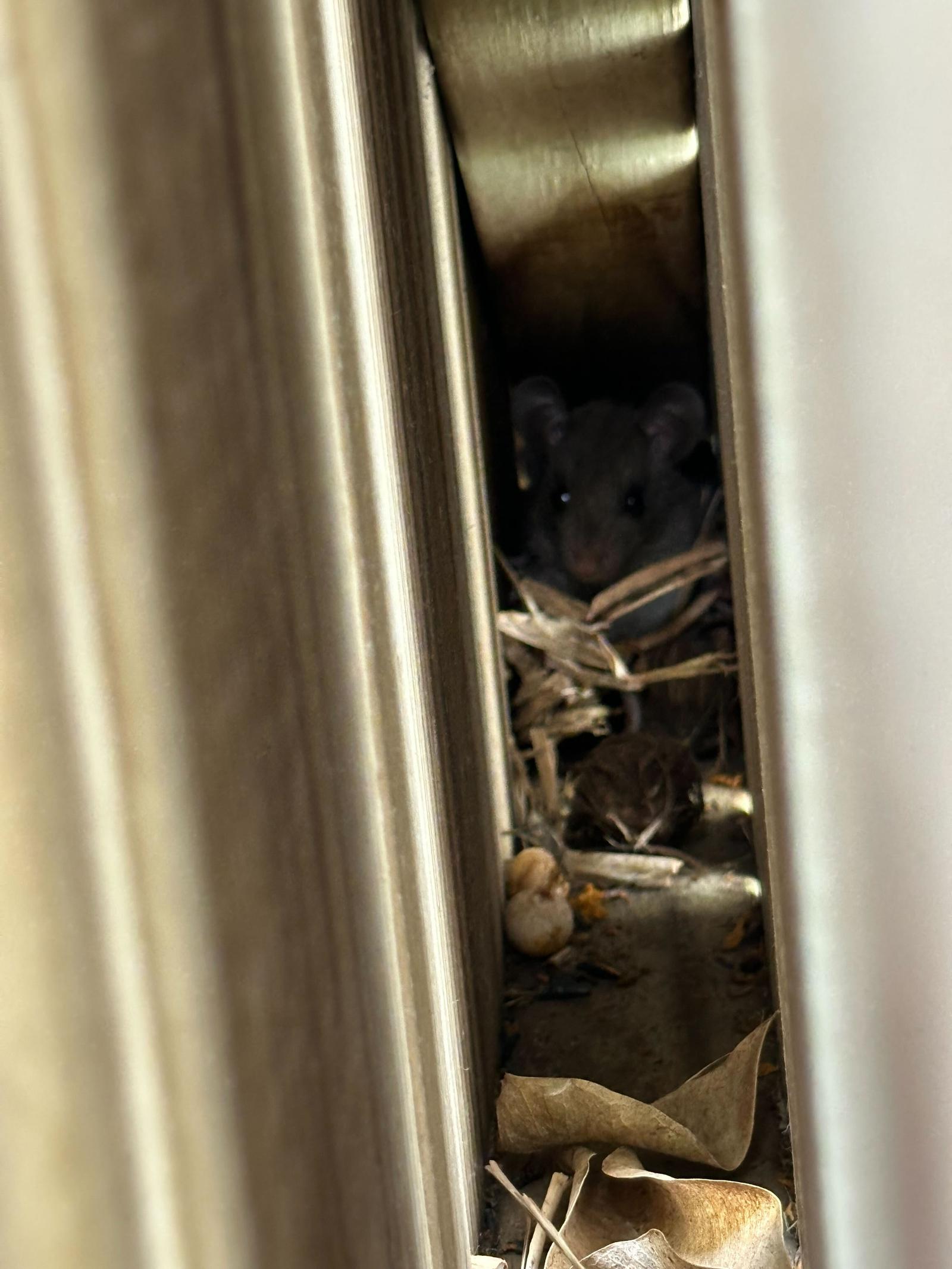
Mice and rats look alike at a glance, but the size of everything they leave behind is different, and so is how each is handled.
Learn moreRodents are rarely seen before they are noticed. Droppings, noise, damage and smell usually come first.
Learn moreMouse droppings are small, dark and pointed, and they are easy to confuse with the droppings of several other pests.
Learn moreGetting rid of mice takes two steps: removing the mice inside and closing the way they came in.
Learn moreRats are harder to get rid of than mice: they are cautious of anything new, they chew through weak repairs, and the two species get in different ways.
Learn moreOne office in Irondale. Technicians across the state.
A straightforward path from the first inspection to lasting protection.
Droppings, damage and activity show whether the rodent is a mouse or a rat, because the entry points and traps are a different size.
The house is checked for gaps around pipes, utility lines, doors, vents and the roof line.
Trapping reduces the mice already in the house, set around where they are feeding and traveling.
Gaps are sealed with galvanized steel mesh, copper wool, Xcluder fill fabric and professional grade sealants.
Where mice have nested in an attic or crawl space, contaminated insulation is removed and the area cleaned and treated.
How often the technician returns depends on how severe the problem is.
From the Irondale office to any address in Alabama.
Practical articles from the Alabama Professional Services team, written for Alabama homeowners.
 Rodent Control
Mice get into Alabama homes through small gaps: foundation cracks, utility lines, garage doors and roof edges.
A technician inspects the property, walks you through what we find, and explains the treatment we recommend, with a clear estimate before any work starts. The inspection is free.