When Is This Not the Right Fix?
Traps alone rarely end a mouse problem, because the entry points stay open. And a home effort that seals only the obvious gaps often leaves the one the mice are actually using.
Traps catch the mice that are there. Sealing every gap stops the next ones. Alabama Professional Services does both, starting with a free inspection.
Getting rid of mice takes two steps: removing the mice already inside and closing the gap they came through. If that gap stays open, new mice can keep arriving along the same scent trail, and a house can seem to have mice for a long time even with traps down. Getting rid of mice takes two jobs done together: removing the mice inside and closing every way in.
A local specialist will inspect your home, walk you through the findings, and send a clear estimate. No cost, no pressure.
How the Price Is Set
The inspection is free. Treatment is quoted after it, because the number of entry points and where the rodents are nesting set the scope.
In Depth
Getting rid of mice takes two steps: removing the mice already inside and closing the gap they came through. If that gap stays open, new mice can keep arriving along the same scent trail, and a house can seem to have mice for a long time even with traps down. Getting rid of mice takes two jobs done together: removing the mice inside and closing every way in.
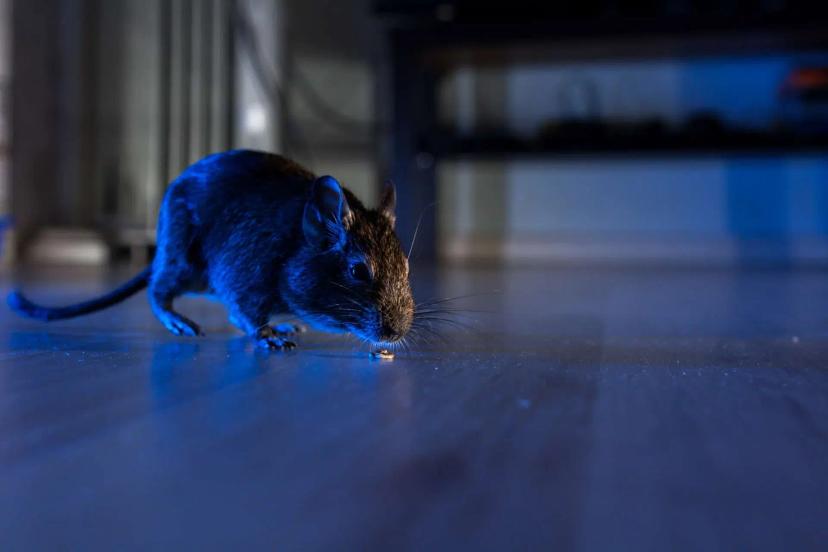
Traps catch the mice that are there. They do nothing about the gap they came through, and the scent the last mice left can lead new ones straight to it. Fall makes it worse, because that is when mice usually move indoors looking for warmth as outdoor food thins out. The result is the familiar pattern of traps that seem to stop working, when in fact they are working on an endless supply.
A mouse that eats poison bait inside a house can die inside a wall or under a floor, where it cannot be reached and the smell often lingers for days. That is one reason professional trapping and baiting decides carefully where bait goes, and outdoor bait is kept in locked stations.
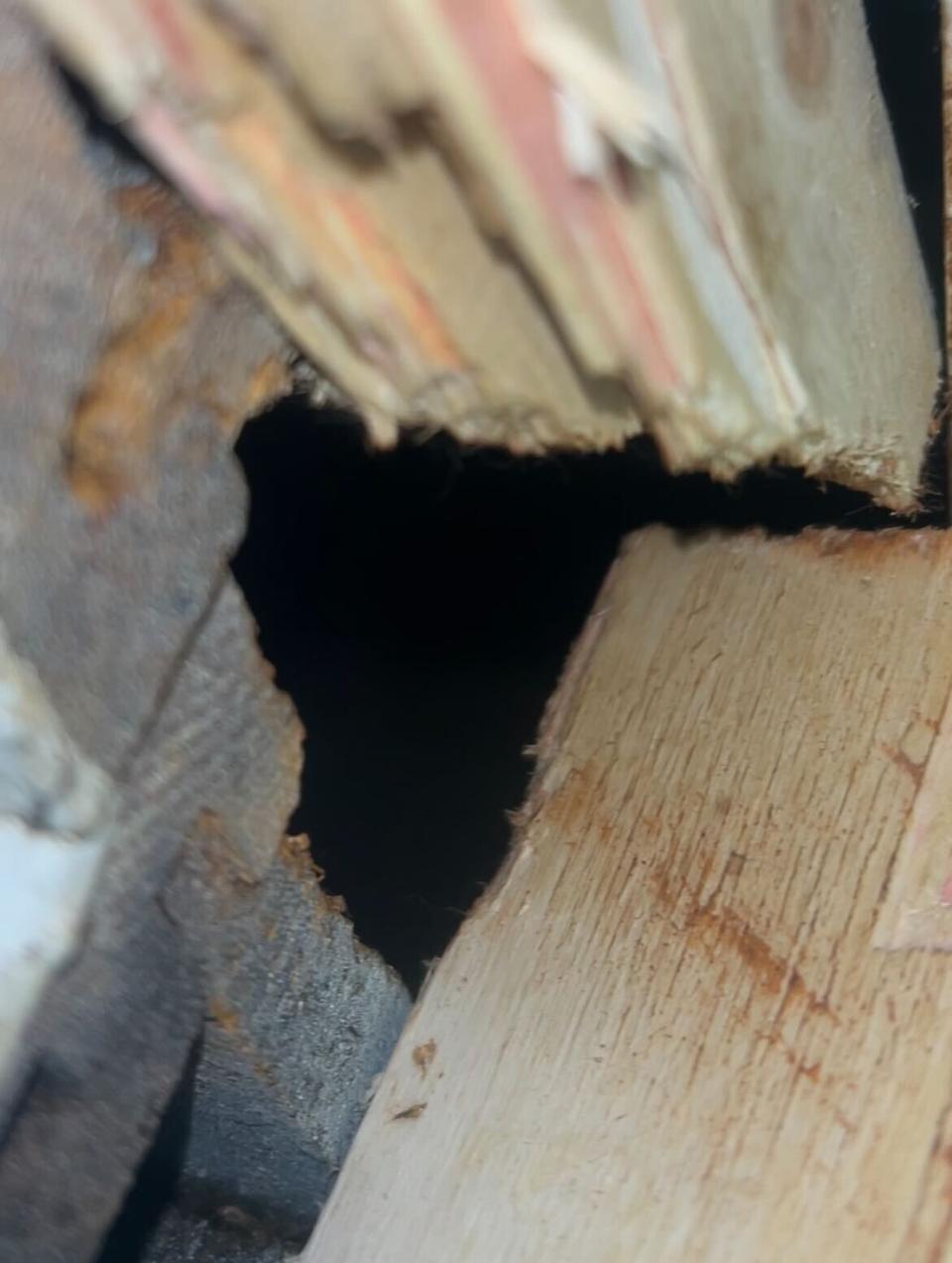
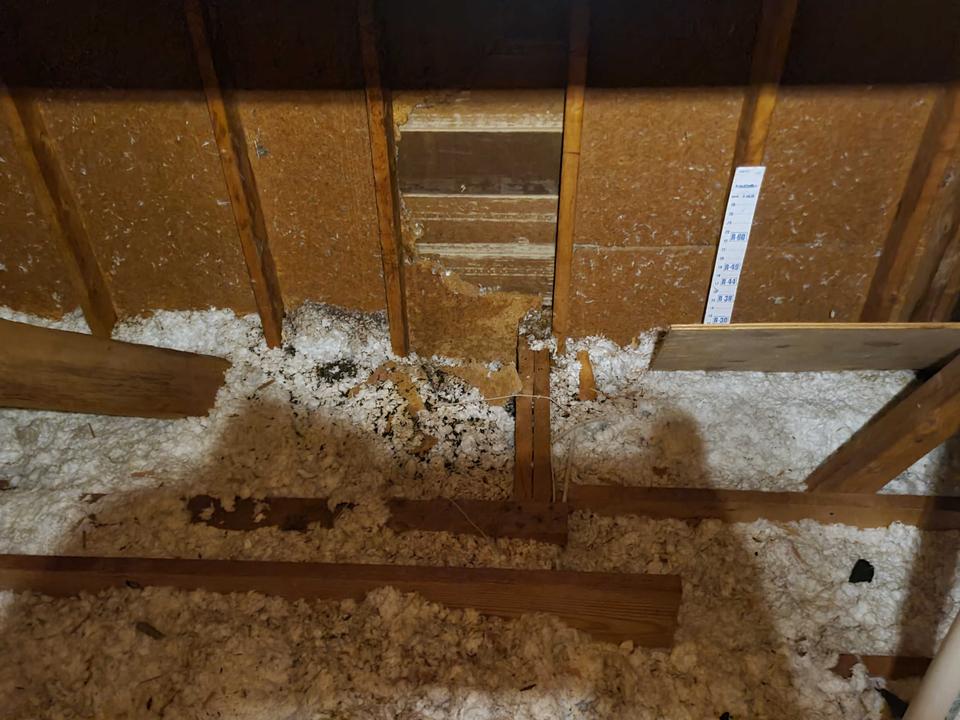
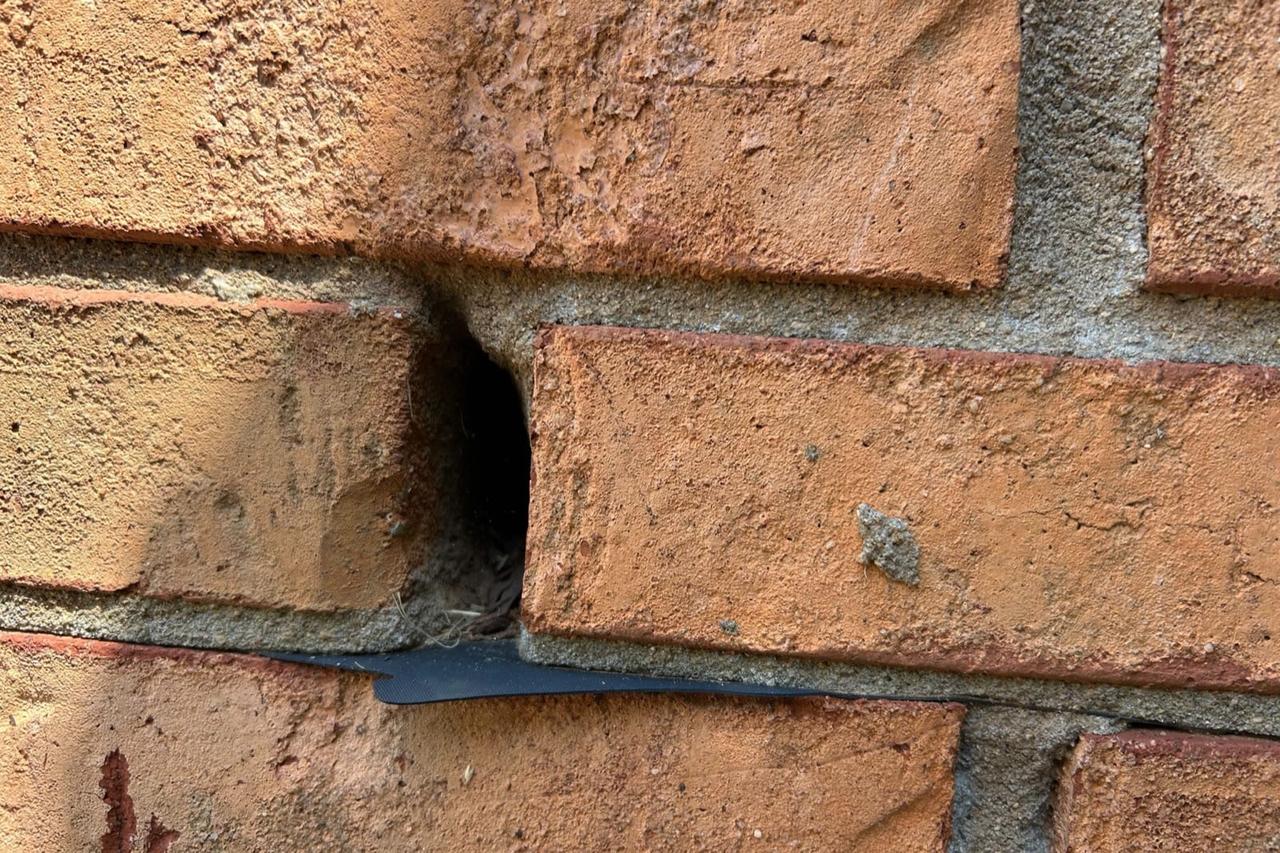
Because mice use gaps far smaller than they look, in places that are easy to miss: around pipes under sinks, where cable, gas and electrical lines enter, at the corners of garage doors, under doors without sweeps, at foundation and crawl space vents and along the roof line. A home effort that seals the obvious gaps often misses the one the mice are actually using. Droppings tend to be heaviest near the way in, and the mouse droppings guide helps confirm it is mice at all.
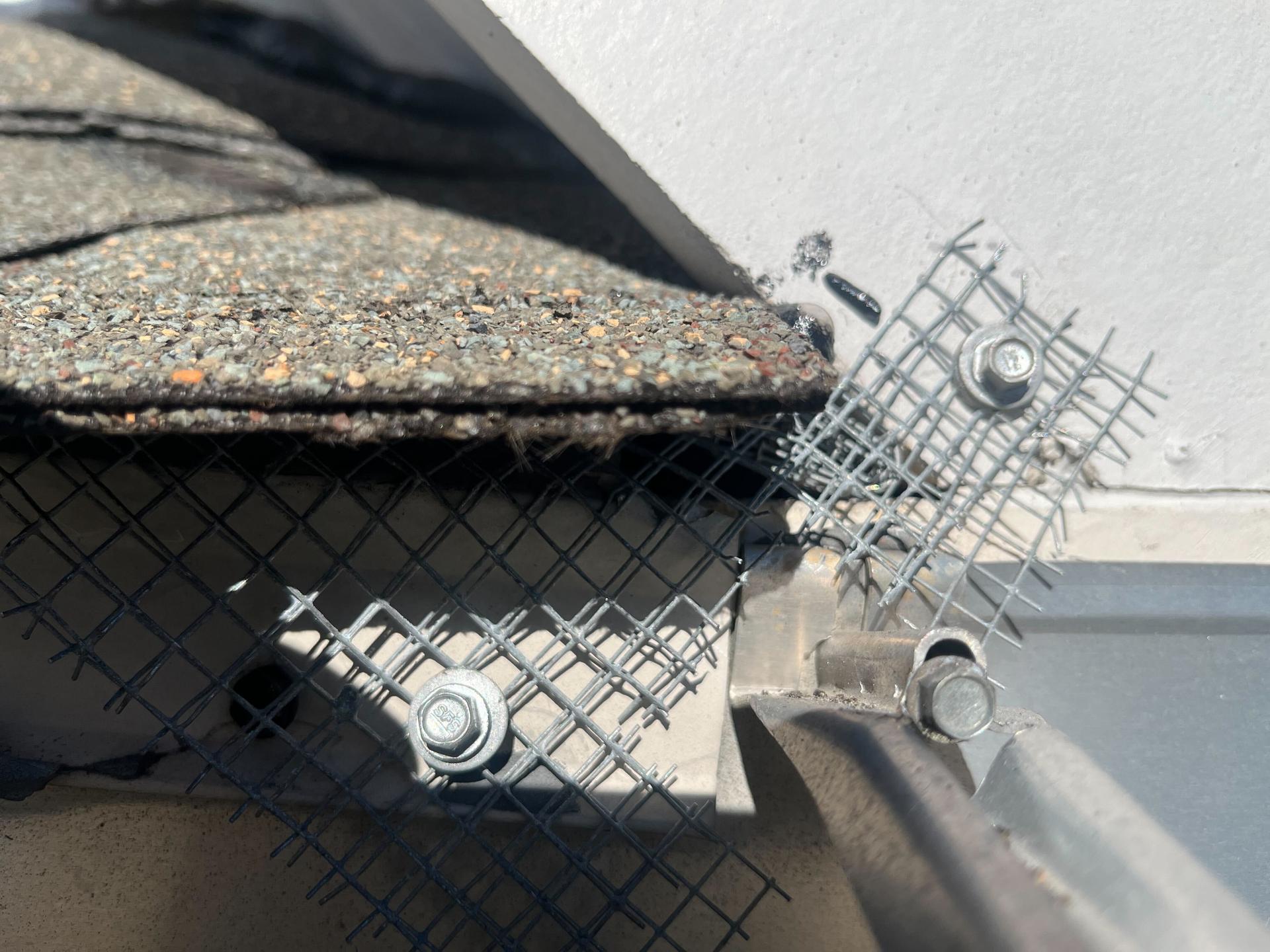
It finds and seals every entry point, from the roof line to the foundation, with materials mice cannot chew through. Professional rodent exclusion uses galvanized steel mesh, copper wool, Xcluder fill fabric and professional grade sealants, alongside trapping that reduces the mice inside so the house is not sealed with them in it. Both steps are required for a lasting fix. The mouse control page covers how the two work together.
When mice are seen during the day, when droppings turn up in large numbers or in several rooms, or when the problem keeps coming back despite traps and cleanup. Those usually point to an established population and entry points that are hard to find, and the signs of rodent activity show how established it is. Every rodent control method is explained separately.
Food stored off the floor in airtight, chew resistant containers, trash in bins with locking lids, less clutter in garages and storage rooms, shrubs cut back from the walls and firewood stored away from the house all leave mice less to find. They make exclusion work better; on their own they rarely end a mouse problem. Alabama Professional Services has been family-owned since 1977, and its technicians are licensed by the Alabama Department of Agriculture and Industries' Pesticide Management Division. Schedule your free inspection and a technician will find where the mice are getting in.
After inspecting your property, we recommend treatment methods based on the pests present and the conditions we find.
From the roof line to the foundation, we seal entry points with galvanized steel mesh, copper wool and Xcluder fill fabric, alongside trapping inside.
We set snap traps, bait stations and placement baits along the routes mice and rats travel, with visits set by how severe the problem is.
From September through November, mice and rats look for warm winter harborage, and through the winter they stay active indoors. That makes fall the time to seal entry points, with Xcluder fill fabric, a stainless steel fill rodents cannot chew through, before they settle in.
Each card below is a sign our technicians look for during a free inspection. Open one to read what it can mean and what we do about it.
Our specialists evaluate the underlying cause before recommending any work. Inspections are at no cost and there's no obligation to proceed.
Trapping reduces the rodents already inside. Exclusion with galvanized steel mesh, copper wool and Xcluder fill fabric stops new rodents from coming in.
House mice, roof rats and Norway rats nest and travel differently, so the plan is built around the one we find.
If a covered pest problem returns between scheduled quarterly treatments, we'll come back at no additional charge.
You get a clear estimate before any work starts, with no obligation to go ahead.
Pick the symptom that best fits. We'll tell you what it can mean and where to go next.
Don't see your question here? Our team is happy to help. Reach out anytime.
Traps alone rarely end a mouse problem, because the entry points stay open. And a home effort that seals only the obvious gaps often leaves the one the mice are actually using.
Each service starts with a free inspection, so the treatment fits what we find.
We identify whether you have roof rats in the attic or Norway rats at the foundation, which shows where they get in and how to handle them.
Learn moreWe remove the mice in your home and seal the gaps they use, since one mouse often leads others to the same food and way in.
Learn moreAnswers to common questions, from identification to prevention.
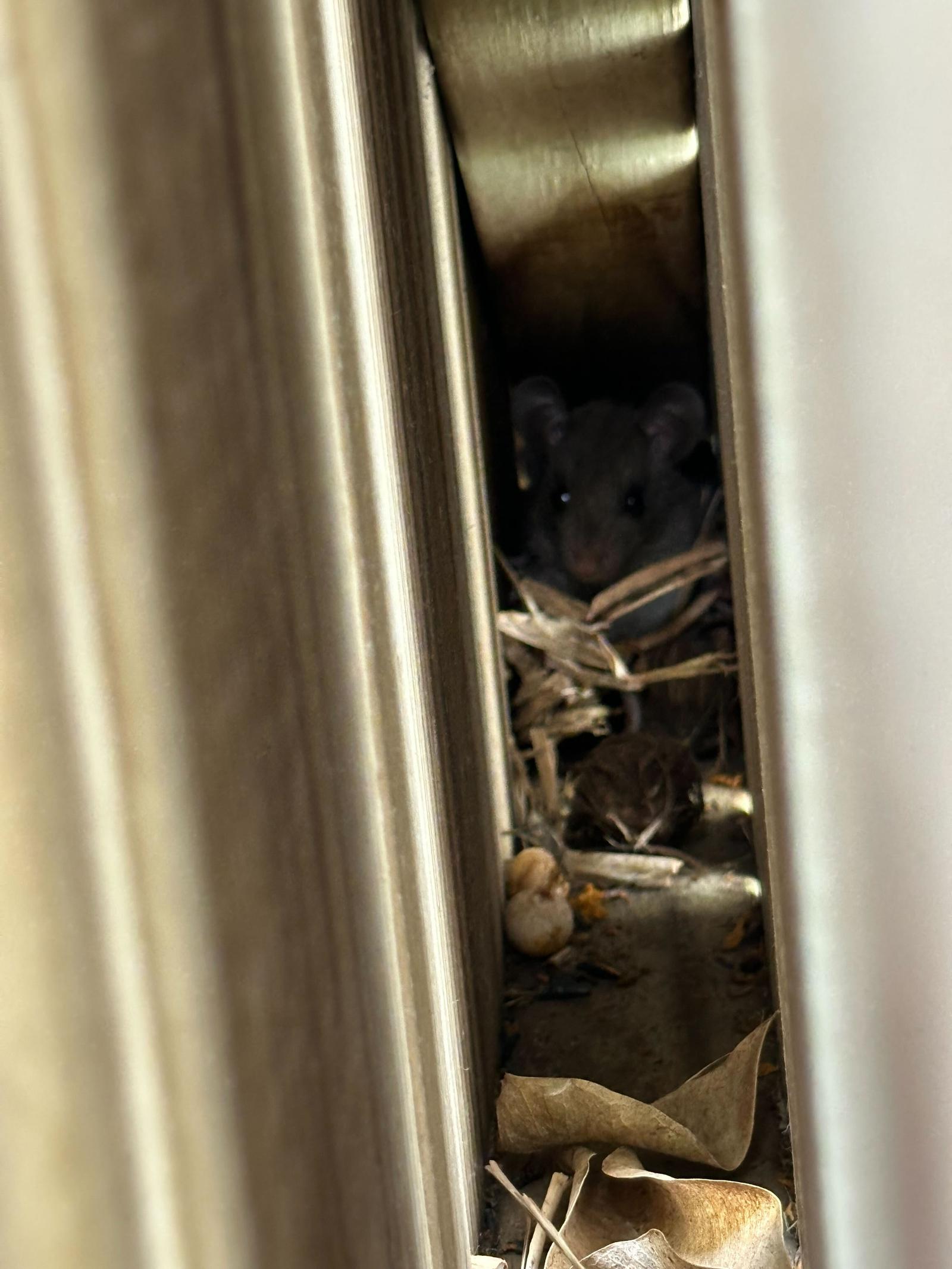
Mice and rats look alike at a glance, but the size of everything they leave behind is different, and so is how each is handled.
Learn moreRodents are rarely seen before they are noticed. Droppings, noise, damage and smell usually come first.
Learn moreMouse droppings are small, dark and pointed, and they are easy to confuse with the droppings of several other pests.
Learn moreRats are harder to get rid of than mice: they are cautious of anything new, they chew through weak repairs, and the two species get in different ways.
Learn moreOne office in Irondale. Technicians across the state.
A straightforward path from the first inspection to lasting protection.
Droppings and damage confirm whether the pest is a mouse, a rat or something else.
The house is checked from the roof line to the foundation for the gaps the mice use.
Trapping reduces the mice already in the house.
Entry points are sealed with galvanized steel mesh, copper wool, Xcluder fill fabric and professional grade sealants.
How often the technician returns depends on how severe the problem is.
From the Irondale office to any address in Alabama.
Practical articles from the Alabama Professional Services team, written for Alabama homeowners.
 Rodent Control
Mice get into Alabama homes through small gaps: foundation cracks, utility lines, garage doors and roof edges.
A technician inspects the property, walks you through what we find, and explains the treatment we recommend, with a clear estimate before any work starts. The inspection is free.