Rodents Run Amok
You can do more to rid yourself of these pests than just adopt some housecats.
Rodents and their ilk can be a problem for Alabama’s home and business owners year round, but they’re especially likely to move indoors during the fall and winter months as they seek warmth.
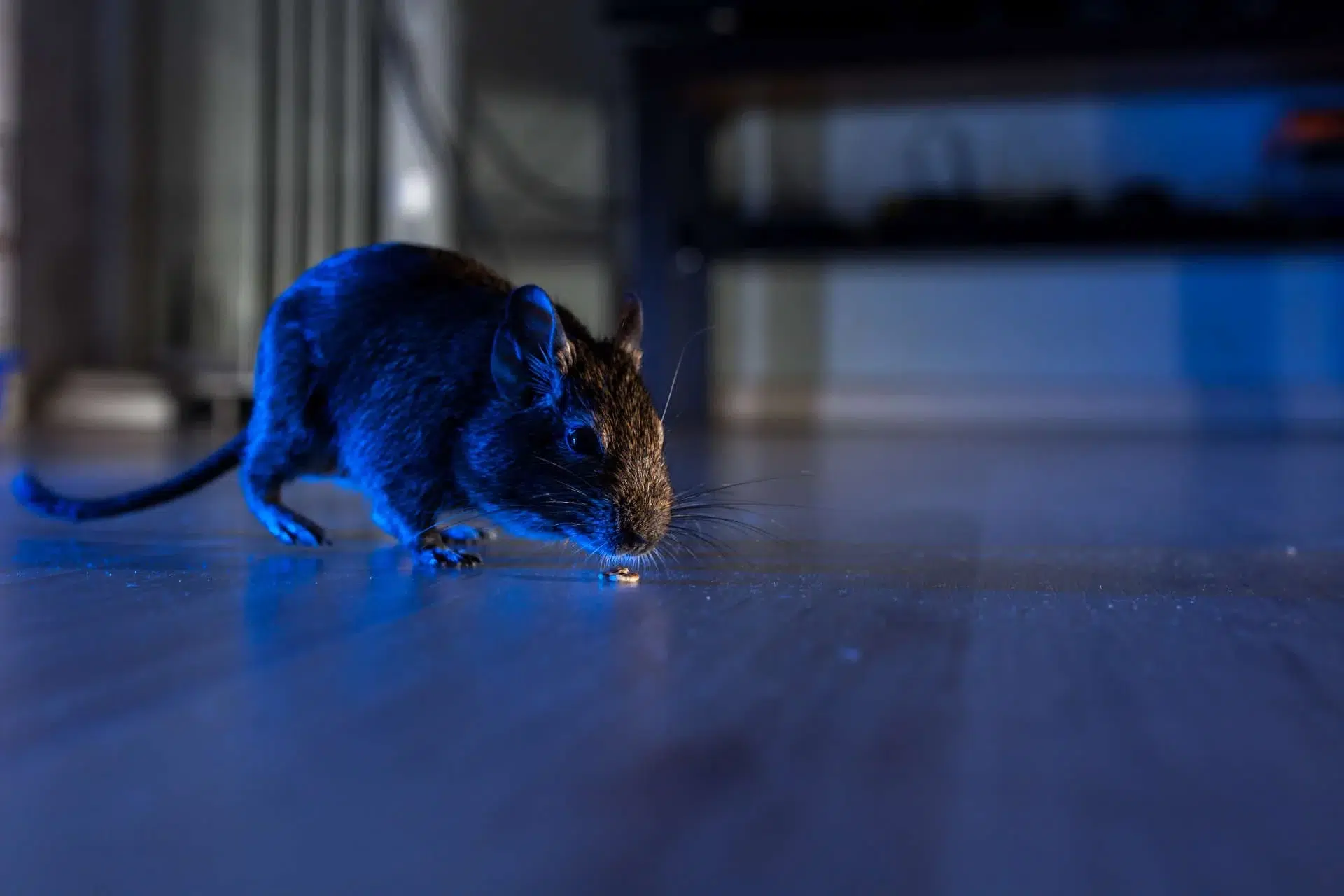
- House Mouse: House mice are the featherweight champions of home invasion. They’re a common sight across the United States, and Alabama is no exception.
- Roof Rats: Also known as black rats, roof rats are an invasive species from Europe. They’ve spent hundreds of years building a foothold in America, including the Southeast. Roof rats are notoriously good climbers, hence their name, and live in attics, floor voids, walls, and dense foliage, just to name a few of their favorite hiding spots.
- Norway Rats: Norway rats are yet another European invasive species that found a new home in America through shipping. Norway rats are less likely to forage in the wild than some other species, primarily making a meal of human food sources.
- Gray Squirrel: If they decide to make themselves at home in your residential or commercial property, then it will likely be toward the end of winter when they typically give birth.
- Eastern Chipmunk: Where you find gray squirrels, Eastern chipmunks likely aren’t far behind. Though they’re far smaller than gray squirrels, they’re almost as common in the Eastern part of the U.S.
- Southern Flying Squirrel: Occasionally, the Southern flying squirrel will make its way inside to disturb urban homeowners, but it’s more typically found in rural areas. Their pesky behavior is more common in early winter due to breeding patterns.
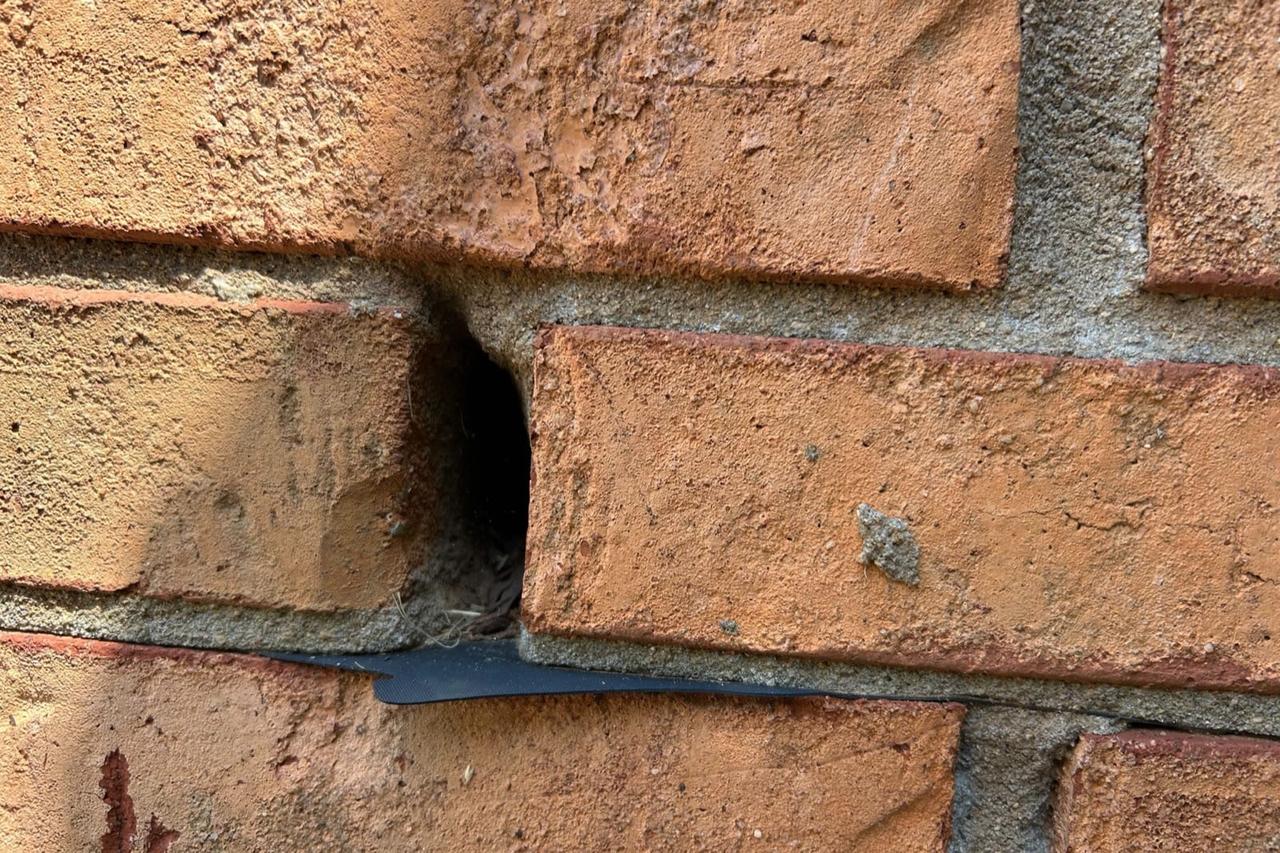
While the sight of any of the above pests is proof positive of an infestation, the initial warning signs might be more subtle. You’ll see the small, oblong pellets in drawers or cabinets, along baseboards, and areas near pantries or other food storage. Further, keep an eye out for tracks, gnaw marks (especially on food containers) nests made out of everyday household items, and, of course, the unmistakable sound of scratching or running within walls or under floors. Even small gaps let mice and rats in.
Rodents are known for transmitting diseases and the parasites that hitch a ride on them. Residential and commercial kitchens are especially vulnerable where the spread of those germs is concerned. Rats and mice can also bring in fleas and ticks that can transfer to humans. Those parasites can carry disease to you and the people you care about.
Our rodent control pairs trapping, which reduces the rodents already inside, with exclusion: sealing entry points with galvanized steel mesh, copper wool and Xcluder fill fabric so new ones cannot get in.
Tips to Prevent Rodent Infestations
- Seal up any potential rodent entry points on the exterior of your structure. Remember, don’t ignore even the smallest of gaps. Use door sweeps, chimney caps and durable mesh to seal openings like crawlspace ventilation.
- Repair roof line damage as soon as possible. While many rodents find entrances inside from ground level, they’re notoriously proficient climbers and will take advantage of the smallest gaps to make a nest in your attic.
- Cut foliage away from your home as needed. When these pests are outdoors, they frequently nest in dense trees or shrubs. Don’t make it easier for them to find a way in by keeping their habitat close to your home.
- Secure trash with locking lids.
- Store food carefully off the floor in airtight, scratch resistant containers. If rodents can’t access the food you store inside, they’re far less likely to stick around. Don’t let cardboard or flimsy plastic food packaging turn your pantry into an all you can eat buffet.
Next Step
Let's Take the First Step Toward a Healthy Home
A local specialist will inspect your home, walk you through the findings, and send a clear estimate. No cost, no pressure.
Learn more about our rodents services.
Found this useful? Share it with someone working on their home.

Let's Take the First Step Toward a Healthy Home
A local specialist will inspect your home, walk you through the findings, and send a clear estimate. No cost, no pressure.