




How Is the Price Set?
Commercial programs are scoped after a site inspection, because the facility's size, use, pest pressure and documentation needs set the price.
Inventory is the asset pests threaten. Alabama Professional Services protects it with monitoring, exclusion and records.
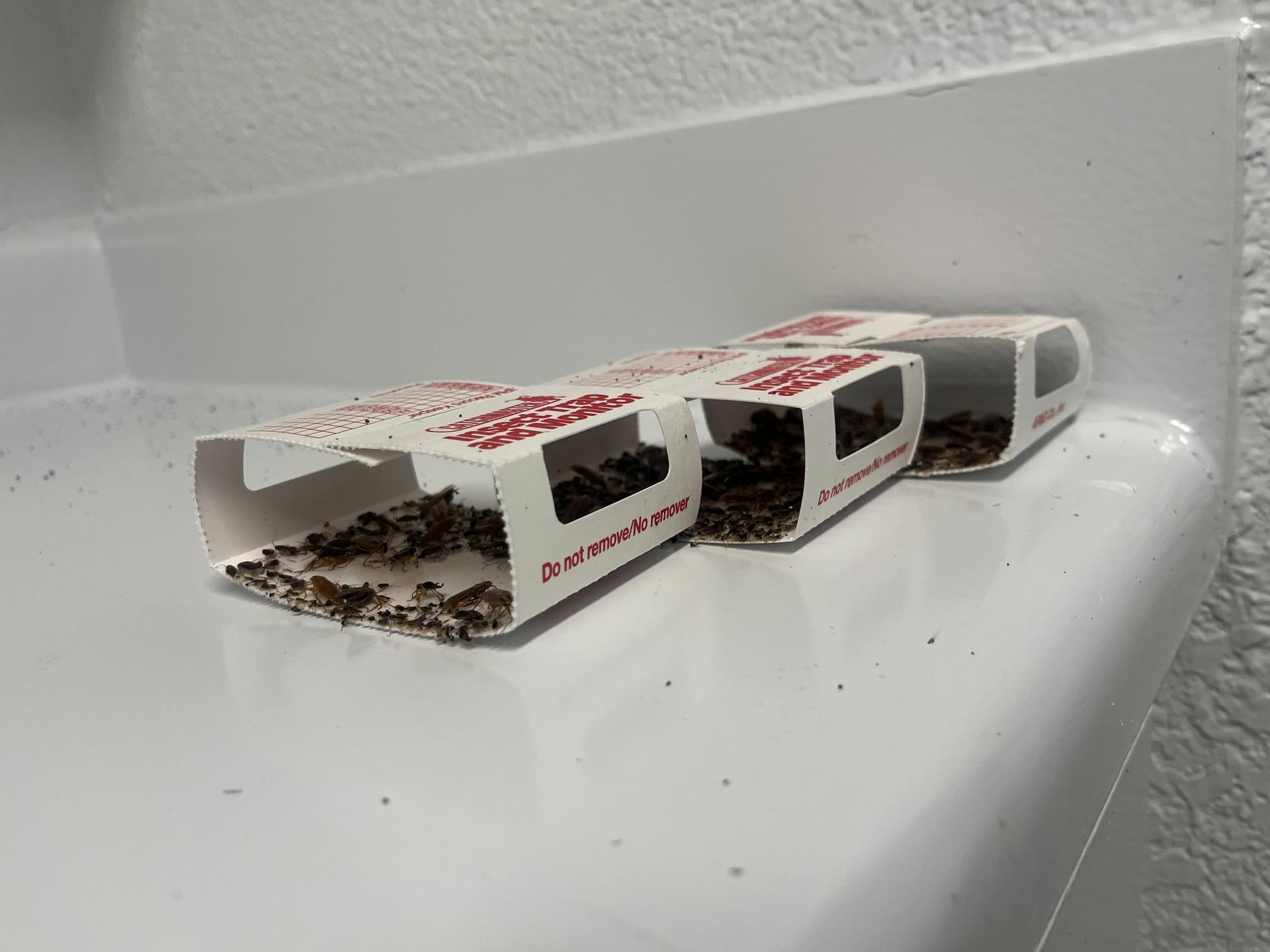
Warehouses and distribution centers bring in pallets, packaging and product from many sources every day, often keep dock doors open for long stretches, and store goods in racking that is rarely moved. That can make them easy for rodents to enter and hard to inspect by eye. Commercial pest management for a warehouse relies on a mapped layout of monitoring devices, exclusion at the docks and records that show what was found where.
A technician inspects the facility, records the findings and recommends a monthly program with its documentation.
In Depth
What a facility manager should know about this program, from the technicians who run it.
Warehouses and distribution centers bring in pallets, packaging and product from many sources every day, often keep dock doors open for long stretches, and store goods in racking that is rarely moved. That can make them easy for rodents to enter and hard to inspect by eye. Commercial pest management for a warehouse relies on a mapped layout of monitoring devices, exclusion at the docks and records that show what was found where.
Mice and rats, which can damage packaging and contaminate stock; stored product insects in food, grain, seed and pet food; birds nesting in high structures; and cockroaches in break rooms. The sign page on damaged or contaminated stock covers what to look for.
Exterior tamper resistant bait stations around the building, interior traps along walls and at doors, and exclusion at dock seals, door sweeps and wall penetrations. The page on large scale rodent programs covers station layout and servicing.
Because they are usually the biggest opening in the building and stay open during loading. Worn dock seals, damaged door bottoms and gaps at the leveler can let rodents in even when doors are closed.
Monitoring traps in storage aisles and receiving areas are checked each visit, and counts are recorded so a problem shows up early. Pest sightings logged by staff add to the picture.
A numbered device map, service reports, trap counts, sighting logs and chemical application logs. The page on compliance records covers them.
A warehouse stores and moves product, while a plant makes it. In a warehouse, receiving and storage usually matter most. The guide to manufacturing plant programs covers production facilities.
Alabama Professional Services carries $1 million in general liability per occurrence, $2 million aggregate, a $5 million umbrella and $2 million in pollution liability, and its technicians are licensed by the Alabama Department of Agriculture and Industries' Pesticide Management Division. Schedule a commercial inspection to scope a program for your facility.
After inspecting your property, we recommend treatment methods based on the pests present and the conditions we find.
For warehouses, plants and large sites, we place tamper resistant bait stations on a mapped layout, seal entry points at docks and doors, and service every device monthly.
We keep the treatment records, sighting logs, application logs, trap records and device maps your facility needs for health inspections and audits.
Pest activity in a facility rarely stays in one place. Recognizing the early signs lets it be treated, corrected and documented before it becomes an inspection finding. The signs below are common in commercial buildings.
A technician finds the cause before recommending a program, and every finding is recorded.
Commercial programs run on a monthly service schedule, with every visit documented.
Your file holds treatment records, pest sighting logs, chemical application logs and trap inspection records.
We carry $1M general liability per occurrence and $2M aggregate, a $5M umbrella policy and $2M pollution liability.
Don't see your question here? Our team is happy to help. Reach out anytime.
Every facility is different, and so is the price of a program. Nothing on this page is a firm quote. A site inspection sets the scope, the service frequency and the documentation.
Commercial programs are scoped after a site inspection, because the facility's size, use, pest pressure and documentation needs set the price.
Stations and traps cannot keep up with dock doors left open or damaged seals; exclusion findings have to be repaired.
Commercial programs for the kinds of facilities we work in.
Pest programs for clinics, medical offices and healthcare facilities: discreet monthly service, IPM with targeted treatment, and records for the facility's compliance files.
Learn morePest programs for churches and places of worship: kitchens and fellowship halls, nurseries, attics and older buildings, serviced monthly around services and events.
Learn morePest programs for nursing homes and assisted living: resident rooms, dining and kitchens, laundry and storage, with discreet monthly IPM and detailed records.
Learn morePest programs for schools and daycares: IPM with reduced risk products, after hours scheduling, cafeterias, classrooms and playgrounds.
Learn more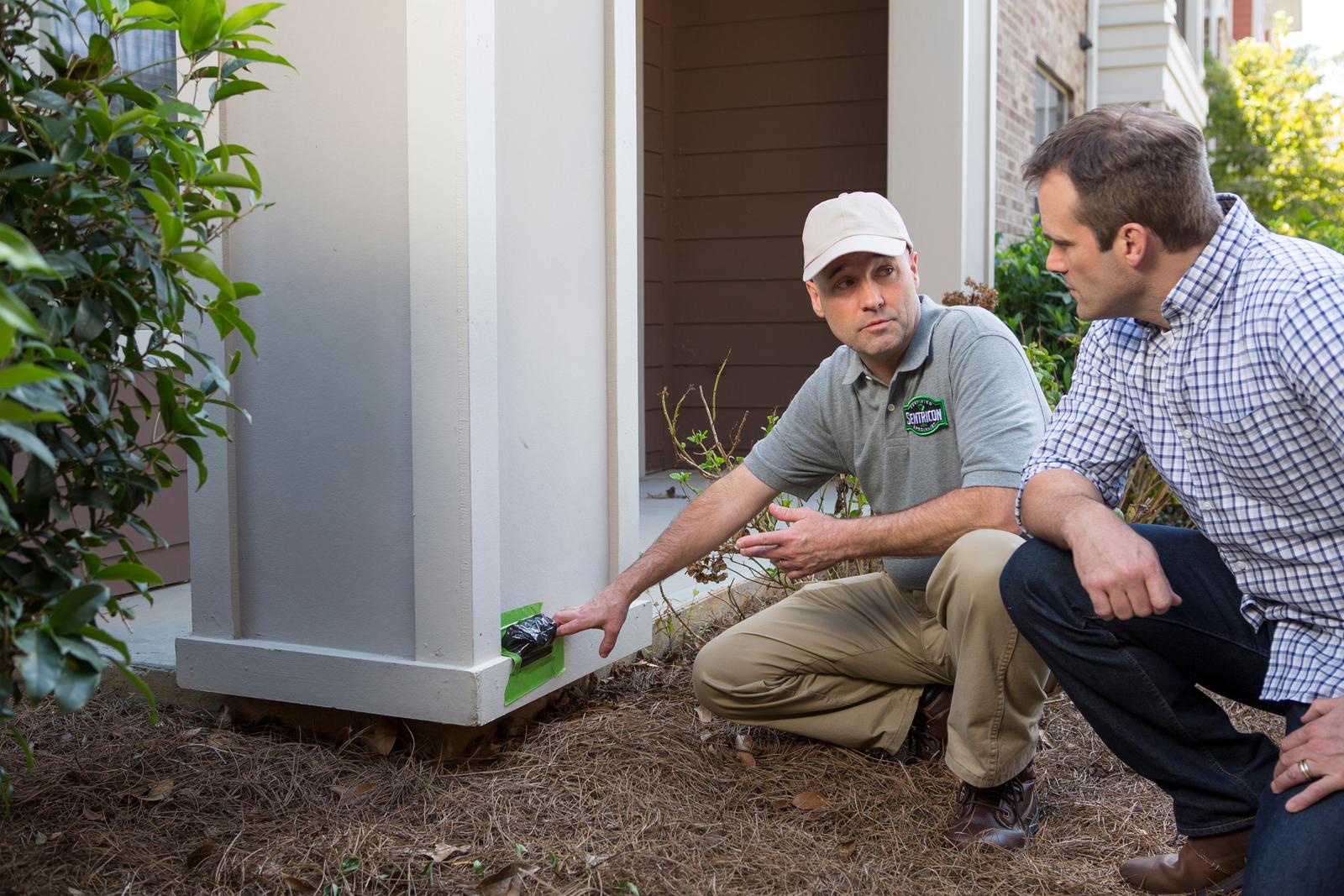
Pest programs for homeowners associations: clubhouses, pools, fitness centers, common areas and grounds, serviced monthly under one contract with the board.
Learn morePest programs for office buildings and complexes: break rooms, restrooms, mechanical spaces and entrances, serviced monthly after hours.
Learn moreOne office in Irondale. Technicians across the state.
A straightforward path from the first inspection to lasting protection.
The perimeter, docks, receiving, storage aisles and break areas are inspected.
Activity, entry points, conditions and risk areas are recorded and shared with the facility contact.
A device layout, exclusion list and monthly service scope are agreed with the facility contact.
Scheduled monthly visits service devices, treat where needed and record every finding.
Service records are kept on file and reviewed with the facility contact.
Share a few details and a technician will follow up to schedule a site inspection.
A technician finds the cause before recommending a program, and every finding is recorded.