


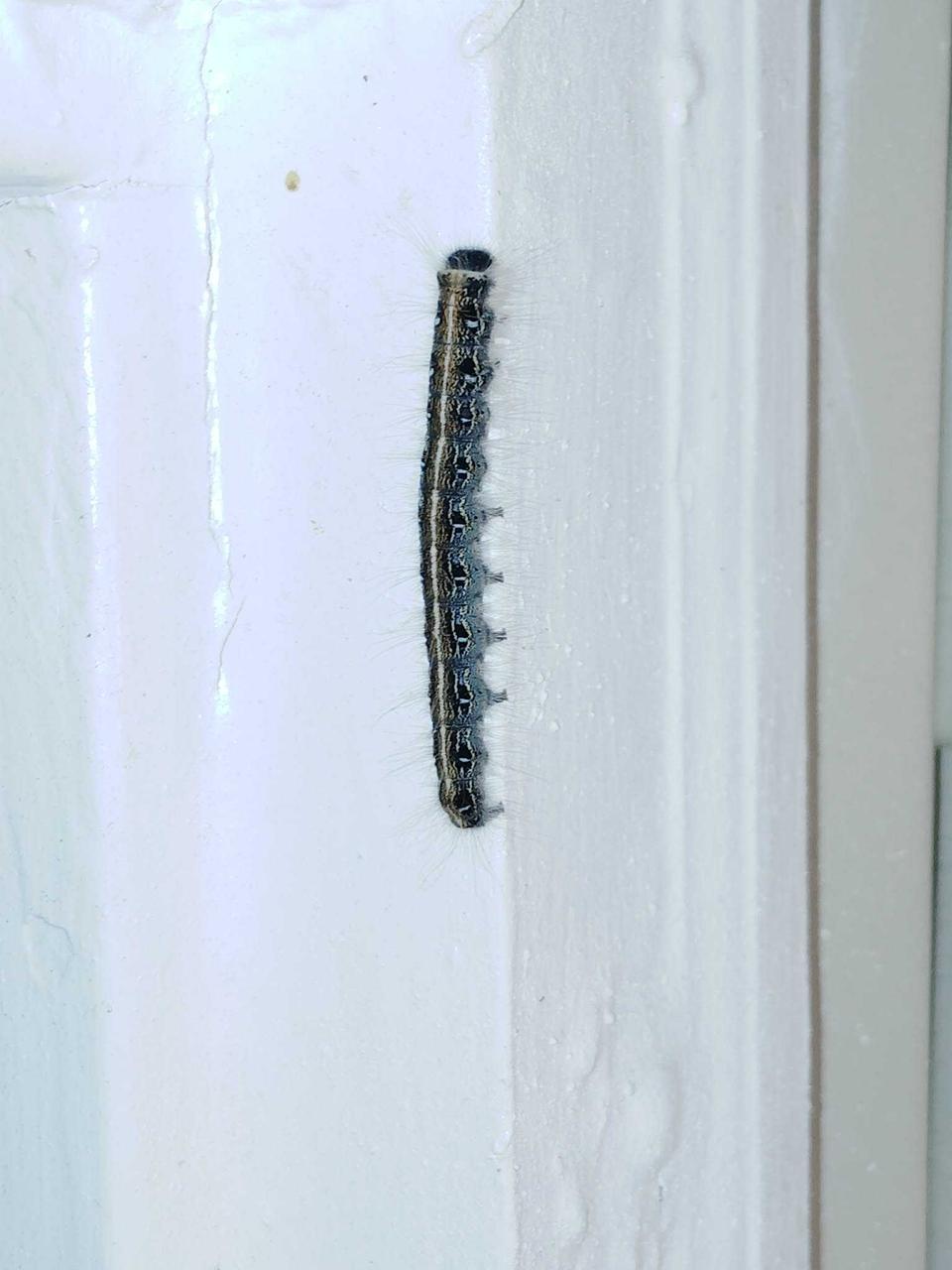


How Is the Price Set?
Commercial programs are scoped after a site inspection, because the facility's size, use, pest pressure and documentation needs set the price.
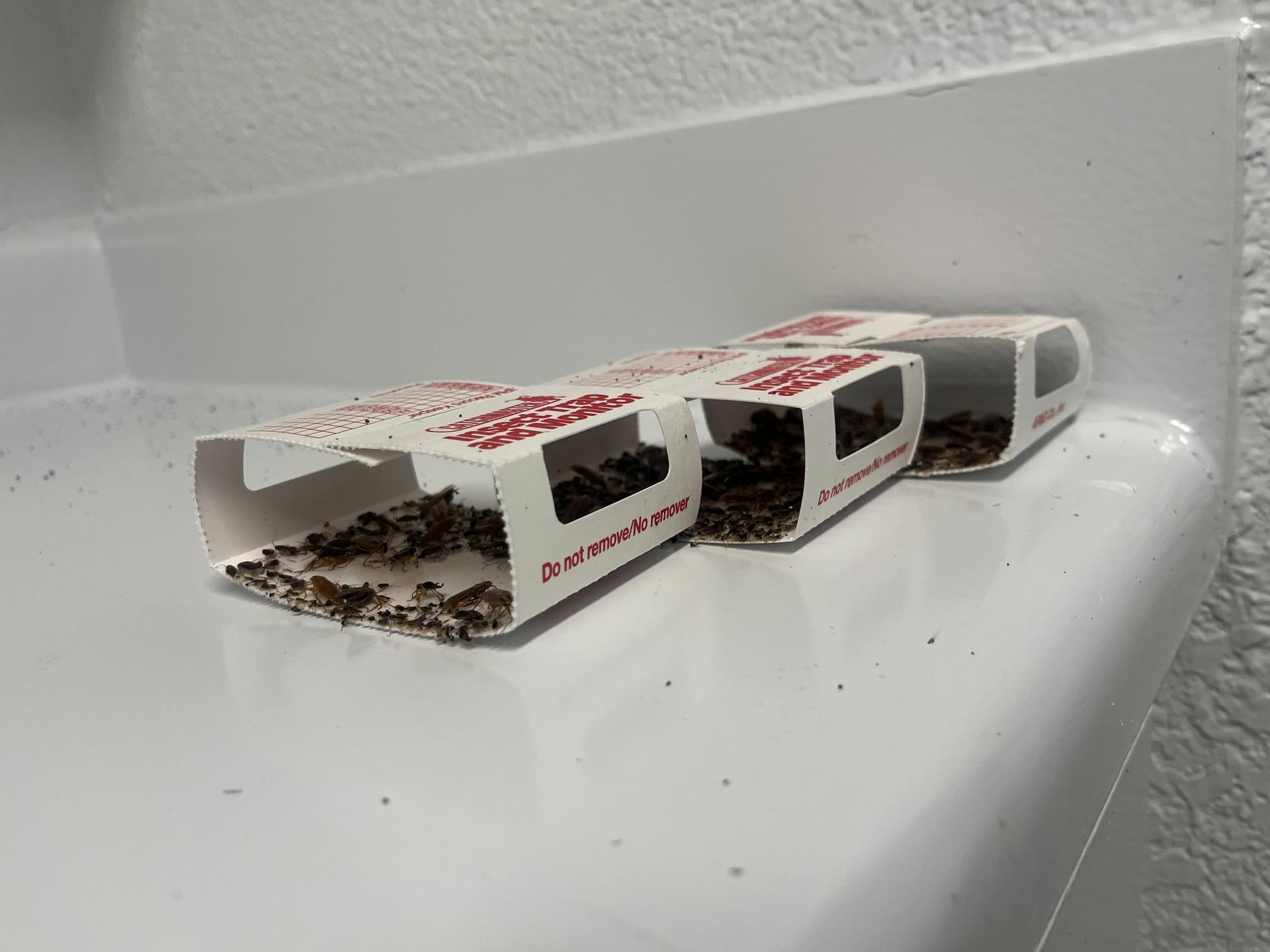
Shoppers are likely to remember a mouse in the aisle. Alabama Professional Services services stores outside business hours and keeps the records.
Retail stores often bring in merchandise and packaging every day through receiving doors, keep stock in back rooms that are rarely emptied, and serve customers who can notice anything on the floor. Food, pet supply and grocery stores can add stored product pests and rodents to the list. Business pest control for retail is serviced monthly outside store hours, with records for store and district managers.
A technician inspects the facility, records the findings and recommends a monthly program with its documentation.
In Depth
What a facility manager should know about this program, from the technicians who run it.
Retail stores often bring in merchandise and packaging every day through receiving doors, keep stock in back rooms that are rarely emptied, and serve customers who can notice anything on the floor. Food, pet supply and grocery stores can add stored product pests and rodents to the list. Business pest control for retail is serviced monthly outside store hours, with records for store and district managers.
Stores commonly see rodents in stockrooms and around receiving, stored product insects in food, seed and pet food, cockroaches in break rooms, ants and occasional invaders at entrances, and flies near trash areas. The sign page on damaged merchandise covers what to look for.
Receiving doors, stockrooms, break rooms, restrooms, trash areas and the exterior, with the sales floor checked for activity. The page on perimeter rodent stations covers the exterior layout.
By stopping pests at receiving and in the stockroom, where they usually arrive, and following up any sighting on the floor quickly and discreetly.
Outside store hours or at times agreed with the store manager, so customers do not see it.
A chain can run one program across its stores with consistent records. The guide to multi site programs covers portfolios.
Each visit is recorded with findings, treatment and conditions to correct. The page on store service records covers them.
Alabama Professional Services carries $1 million in general liability per occurrence, $2 million aggregate, a $5 million umbrella and $2 million in pollution liability, and its technicians are licensed by the Alabama Department of Agriculture and Industries' Pesticide Management Division. Schedule a commercial inspection to scope a program for your facility.
After inspecting your property, we recommend treatment methods based on the pests present and the conditions we find.
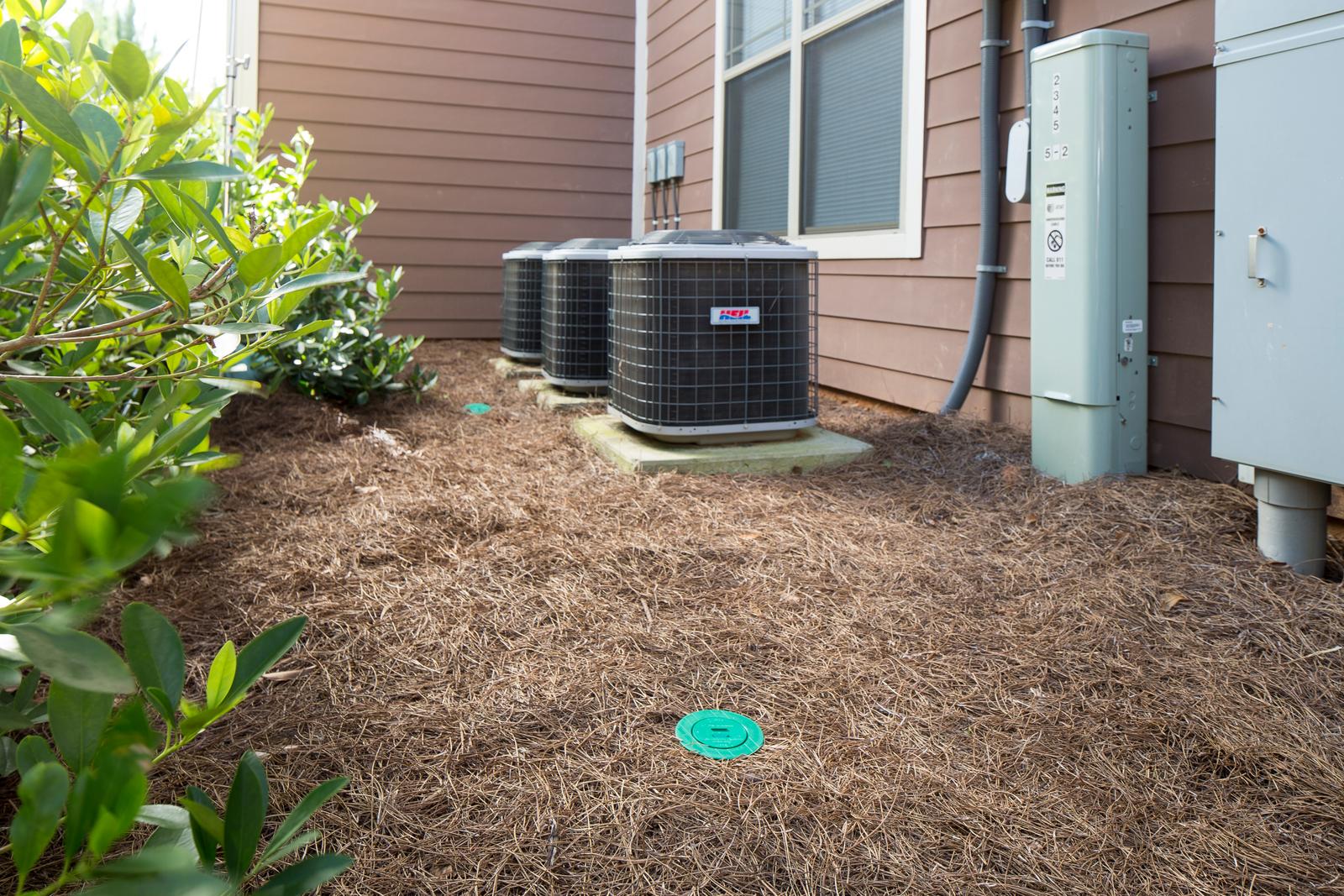
For warehouses, plants and large sites, we place tamper resistant bait stations on a mapped layout, seal entry points at docks and doors, and service every device monthly.
Your program is built on monitoring, exclusion and sanitation, with targeted treatment applied where activity is found and every monthly visit recorded.
Pest activity in a facility rarely stays in one place. Recognizing the early signs lets it be treated, corrected and documented before it becomes an inspection finding. The signs below are common in commercial buildings.
A technician finds the cause before recommending a program, and every finding is recorded.
Commercial programs run on a monthly service schedule, with every visit documented.
Your file holds treatment records, pest sighting logs, chemical application logs and trap inspection records.
We carry $1M general liability per occurrence and $2M aggregate, a $5M umbrella policy and $2M pollution liability.
Don't see your question here? Our team is happy to help. Reach out anytime.
Every facility is different, and so is the price of a program. Nothing on this page is a firm quote. A site inspection sets the scope, the service frequency and the documentation.
Commercial programs are scoped after a site inspection, because the facility's size, use, pest pressure and documentation needs set the price.
Receiving doors propped open and damaged stock left in back rooms can keep drawing pests in; those findings have to be acted on.
The inspection decides which one fits your facility.
Commercial programs for the kinds of facilities we work in.
Pest programs for property management companies: one program across a portfolio of offices, retail, industrial and multifamily properties, with consistent records.
Learn morePest programs for manufacturing and industrial plants: rodent perimeter programs, stored product pest monitoring, dock and door exclusion, and records for customer and third party audits.
Learn moreRestaurant pest programs built around health inspections: monthly service, German cockroach and fly control, rodent exclusion, and documentation on file for the inspector.
Learn moreWarehouse pest programs: rodent perimeter stations, dock and door exclusion, stored product pest monitoring and records for customer audits.
Learn morePest programs for clinics, medical offices and healthcare facilities: discreet monthly service, IPM with targeted treatment, and records for the facility's compliance files.
Learn moreOne office in Irondale. Technicians across the state.
A straightforward path from the first inspection to lasting protection.
The receiving area, stockroom, break rooms, sales floor and exterior are inspected.
Activity, entry points, conditions and risk areas are recorded and shared with the facility contact.
A monthly program outside store hours and its records are agreed with the store or district manager.
Scheduled monthly visits service devices, treat where needed and record every finding.
Service records are kept on file and reviewed with the facility contact.
Share a few details and a technician will follow up to schedule a site inspection.
A technician finds the cause before recommending a program, and every finding is recorded.