
When Is This Not the Right Fix?
Treating moles with rodent methods does not work, because moles are insect eaters.
Moles and voles damage lawns in different ways and need different handling. Alabama Professional Services identifies which one it is, starting with a free inspection.
Moles and voles are often mentioned together because both damage lawns, but they are very different animals, and treating them the same way does not work. Moles are insect eaters. They usually tunnel just under the surface hunting earthworms and grubs, leaving raised ridges and volcano shaped mounds. Voles are rodents. They usually make narrow surface runways through the grass and eat roots, bulbs and the bark at the base of shrubs. Lawn animal control for either one starts by confirming which one it is.
A local specialist will inspect your home, walk you through the findings, and send a clear estimate. No cost, no pressure.
How the Price Is Set
The inspection is free. Wildlife work is quoted after it, because the animal, the number of entry points and any cleanup set the scope.
In Depth
Moles and voles are often mentioned together because both damage lawns, but they are very different animals, and treating them the same way does not work. Moles are insect eaters. They usually tunnel just under the surface hunting earthworms and grubs, leaving raised ridges and volcano shaped mounds. Voles are rodents. They usually make narrow surface runways through the grass and eat roots, bulbs and the bark at the base of shrubs. Lawn animal control for either one starts by confirming which one it is.
Moles usually leave raised tunnel ridges and cone shaped mounds of soil. Voles usually leave narrow, grass cleared runways on the surface, about the width of a golf ball, and small holes without mounds. The guide to mole or vole identification covers the differences in detail.
Because moles are insectivores, not rodents. Moles are insectivores, so the plan for them differs from rodent baits and methods built for voles or mice, and it follows from what moles eat and how they tunnel.
Not on its own. Moles eat earthworms as well as grubs, so a lawn with fewer grubs can still feed them. Grub control can help the lawn, but it is not a mole treatment by itself.
As rodents: reducing the cover they use, such as thick mulch, dense groundcover and tall grass along beds, and treating or trapping where they are active. Protecting the base of young trees and shrubs can help too.
They can eat roots and bulbs, girdle the bark at the base of shrubs and young trees, and cut runways through the lawn, which are often most visible after snow or in late winter.
Small, cone shaped holes from nighttime digging are often skunks or raccoons after grubs. The sign page on lawn digging covers them, and the guide to groundhog burrows covers larger holes.
Alabama Professional Services has been family-owned since 1977, and its technicians are licensed by the Alabama Department of Agriculture and Industries' Pesticide Management Division. Schedule your free inspection.
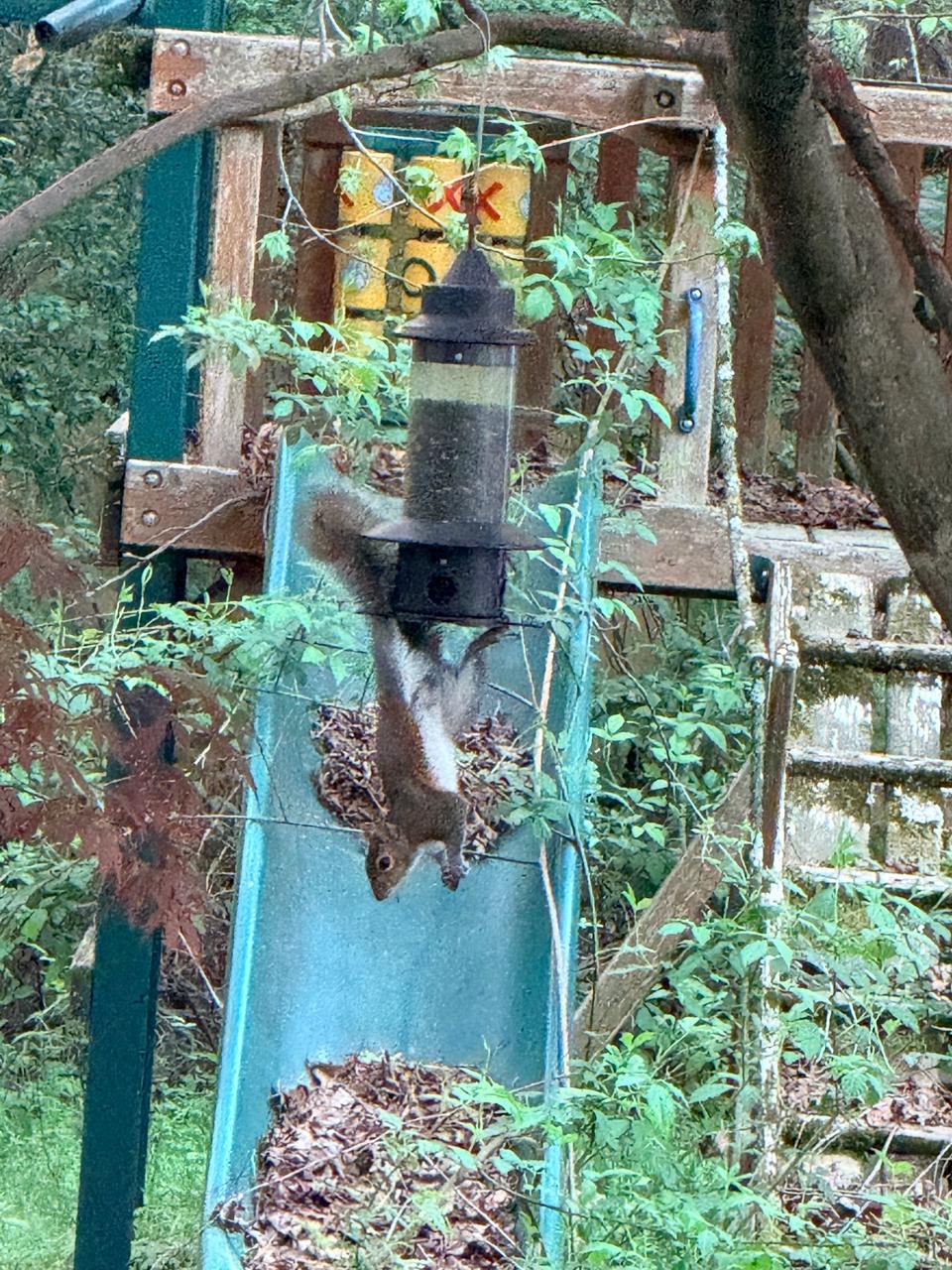
Raccoons and opossums are most active in summer near food and water, and in the Birmingham suburbs with mature hardwood canopy, squirrels and raccoons put steady pressure on attics. Bats are excluded with one way devices outside their maternity season, when young that cannot yet fly are in the roost.
Each card below is a sign our technicians look for during a free inspection. Open one to read what it can mean and what we do about it.
Our specialists evaluate the underlying cause before recommending any work. Inspections are at no cost and there's no obligation to proceed.
After an animal is removed, we seal the openings it used to help keep another one from moving in.
You get a clear estimate before any work starts, with no obligation to go ahead.
Pick the symptom that best fits. We'll tell you what it can mean and where to go next.
Don't see your question here? Our team is happy to help. Reach out anytime.
Treating moles with rodent methods does not work, because moles are insect eaters.
Each service starts with a free inspection, so the treatment fits what we find.
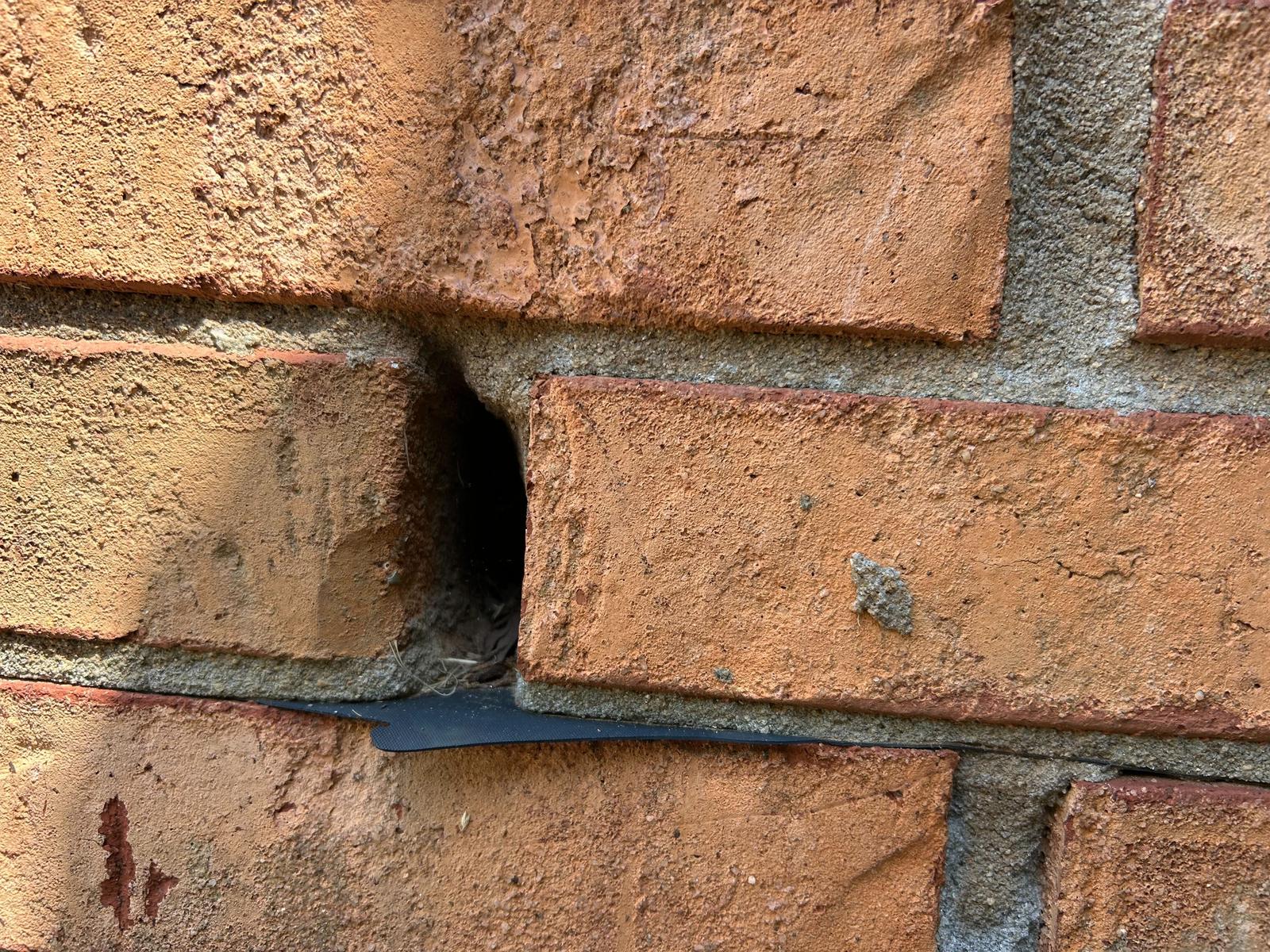
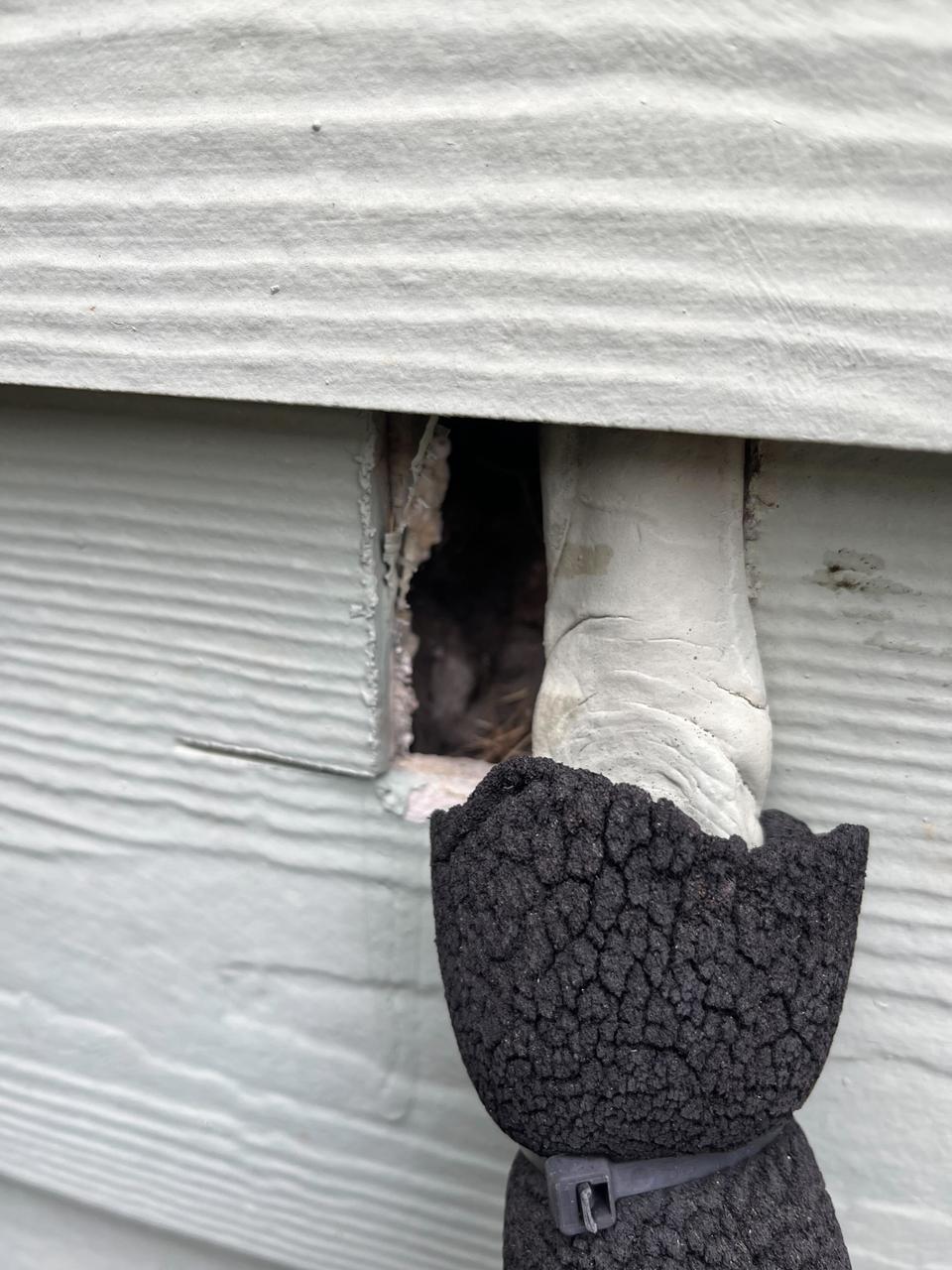
We find and seal the openings animals use to get into your home, with materials they cannot chew through, to help keep the next animal from following.
Learn more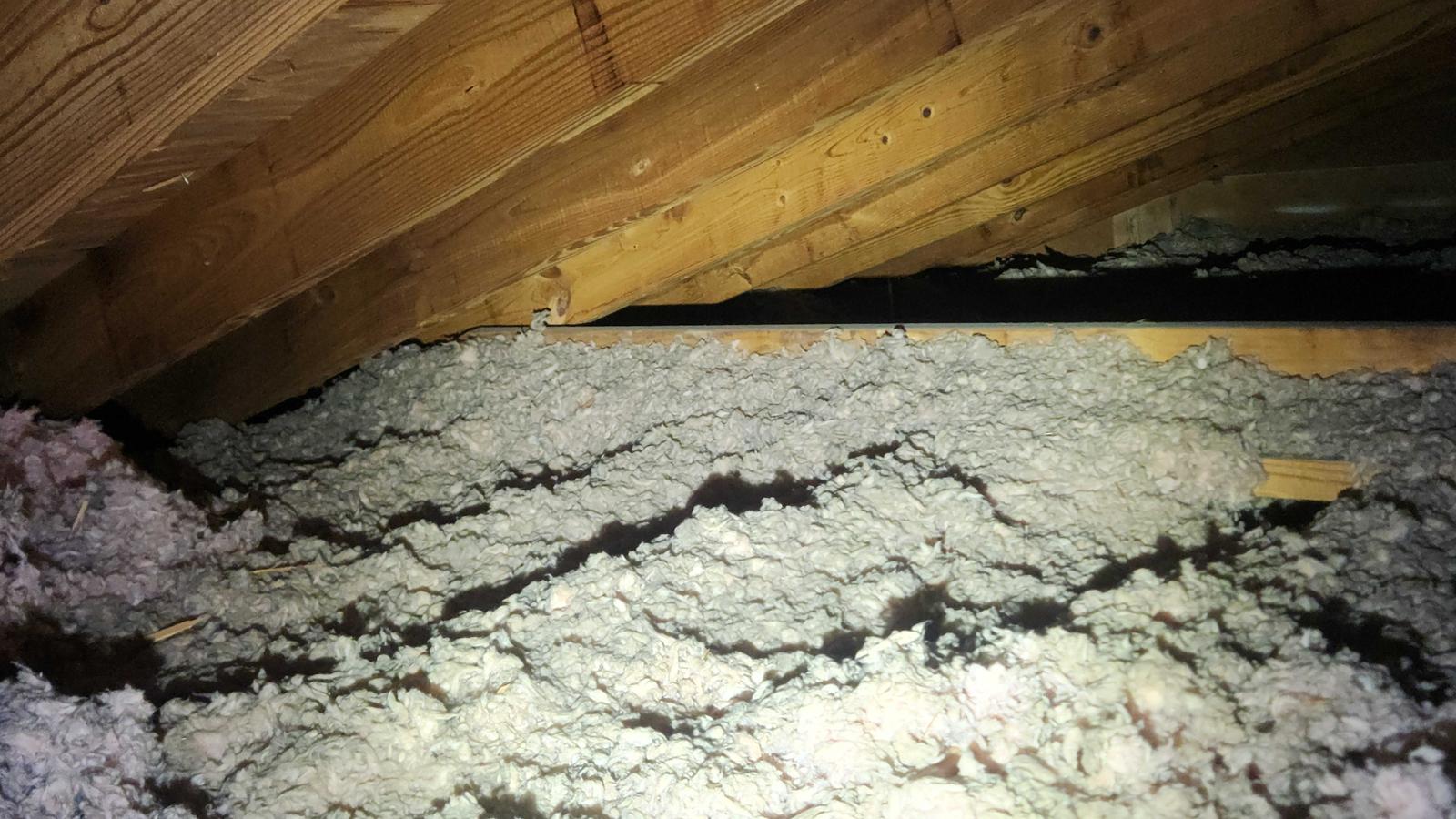
Once animals are out, we remove droppings, soiled insulation and nesting material, sanitize the attic and restore the insulation.
Learn more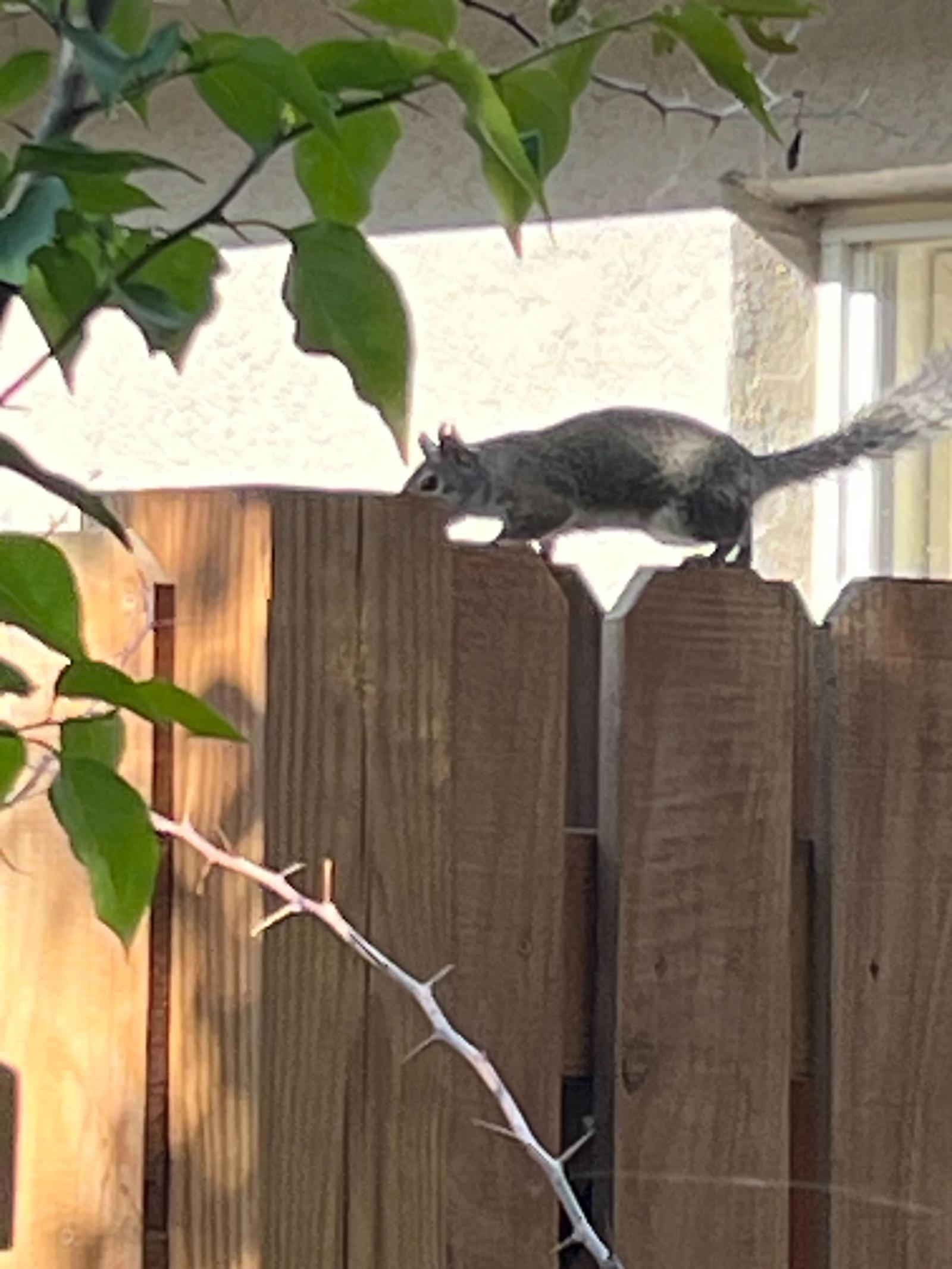
We remove squirrels from your attic with one way doors and seal the whole roof line to help keep them from chewing back in.
Learn more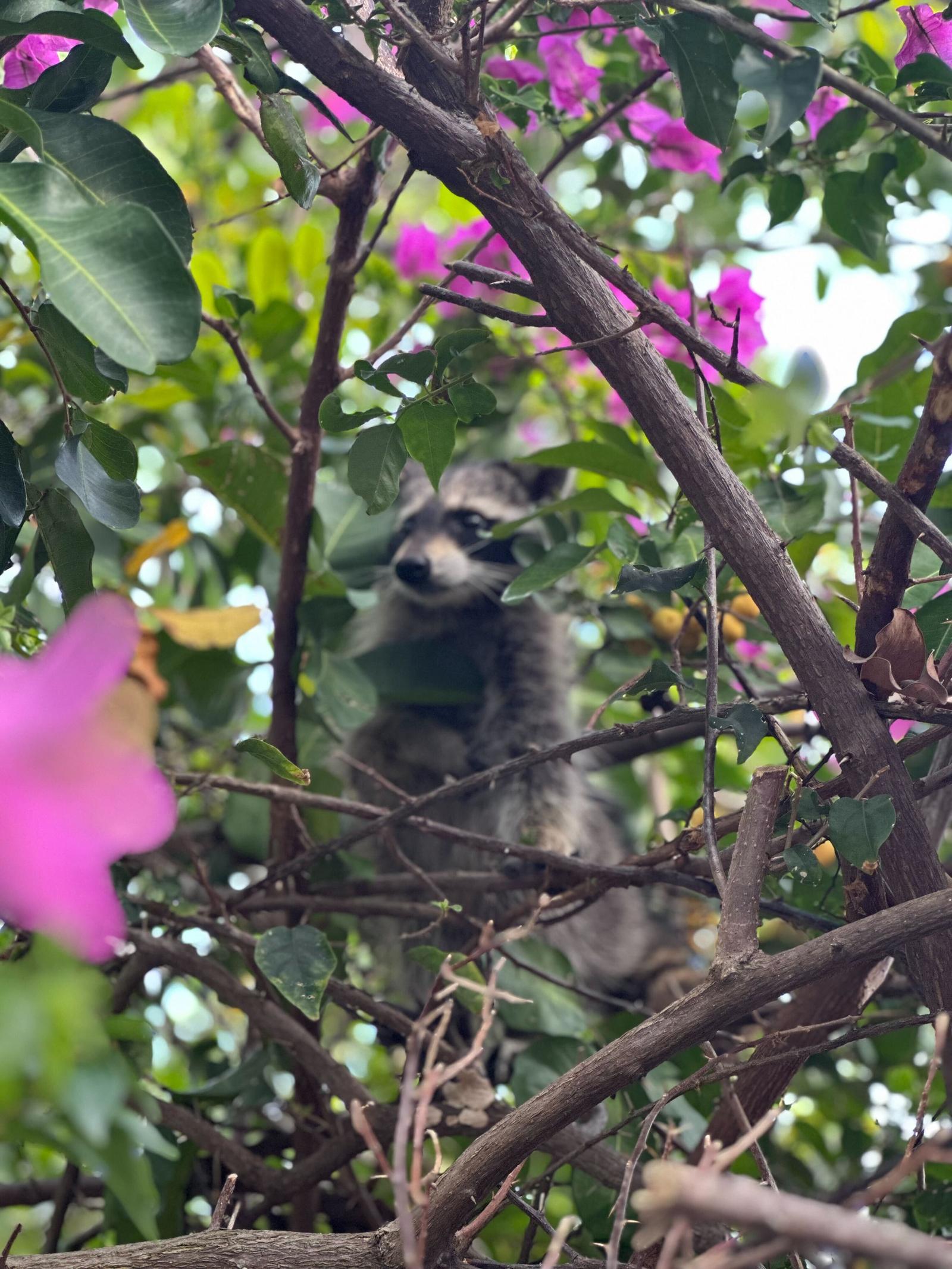
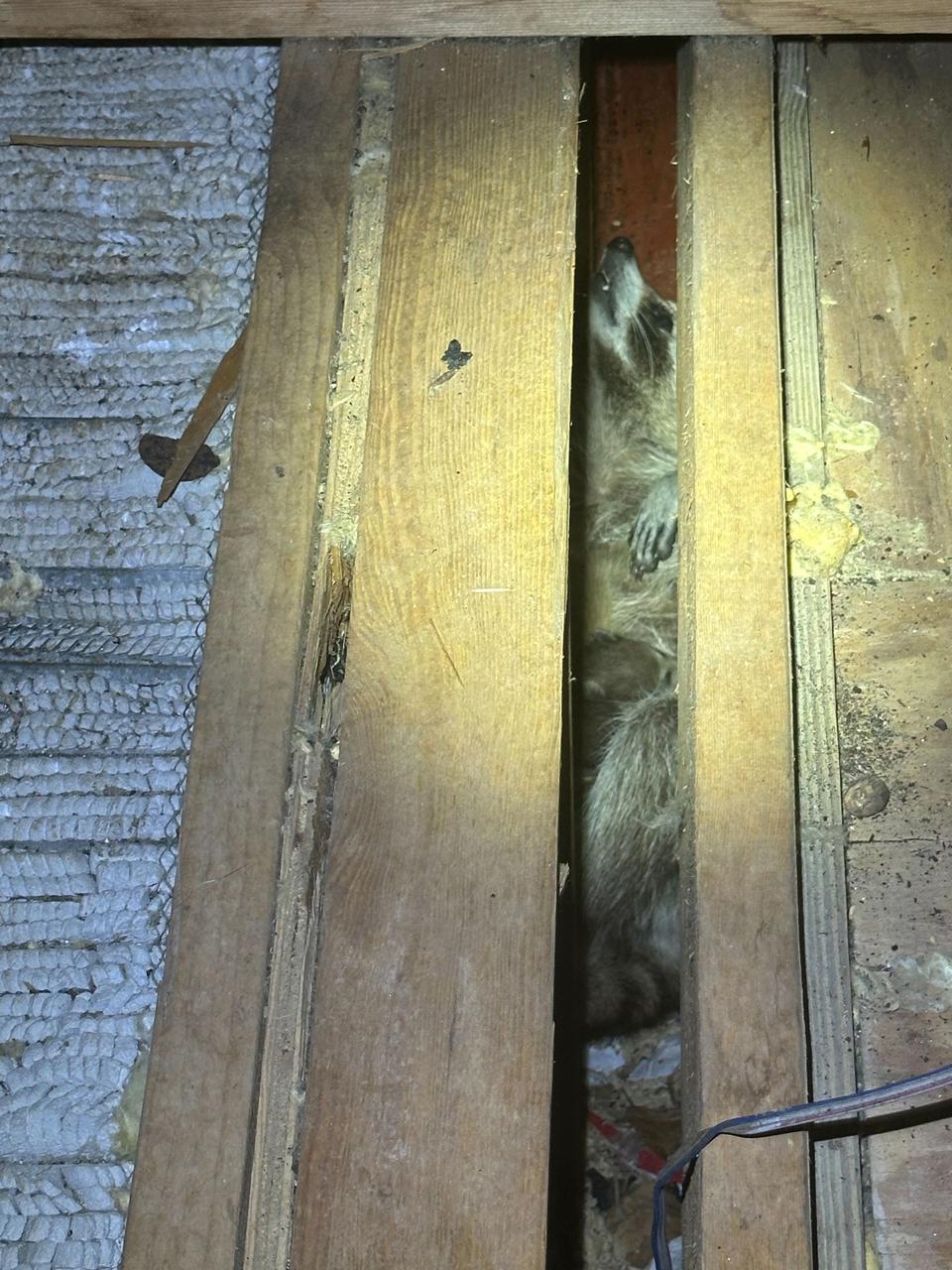
Raccoons are removed humanely, and we rebuild the openings they tore through and clean up the latrines they leave behind.
Learn moreWe remove skunks humanely from under decks, porches and sheds, close off the den site and deal with the odor they leave.
Learn moreAnswers to common questions, from identification to prevention.
One office in Irondale. Technicians across the state.
A straightforward path from the first inspection to lasting protection.
Mole, vole or another digger is confirmed from the tunnels, mounds or runways.
Active tunnels, runways and damaged plants are located.
Moles are handled as insect eaters and voles as rodents.
For voles, dense mulch, groundcover and tall grass along beds are pointed out.
Activity is checked and the approach adjusted.
From the Irondale office to any address in Alabama.
A technician inspects the property, walks you through what we find, and explains the treatment we recommend, with a clear estimate before any work starts. The inspection is free.