
When Is This Not the Right Fix?
Trapping alone is not a lasting fix, because new rats use the same gaps. And bait on its own inside a house can leave a rat to die in a wall, where it cannot be reached.
The two rats found in Alabama homes live in different parts of the house and get in different ways. Alabama Professional Services identifies which one you have with a free inspection.
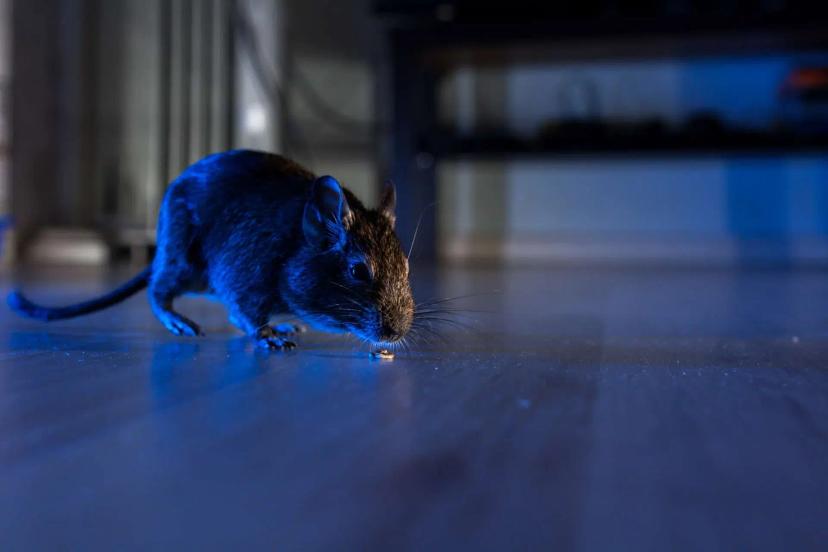
Two kinds of rat get into Alabama homes, and they rarely share the same part of the house. Roof rats usually climb and nest high, in attics and upper walls. Norway rats generally burrow and stay low, in crawl spaces, basements and the soil along the foundation. Knowing which one you have tells you where it is getting in, and that is most of the work of rodent control.
A local specialist will inspect your home, walk you through the findings, and send a clear estimate. No cost, no pressure.
How the Price Is Set
The inspection is free. Treatment is quoted after it, because the number of entry points and where the rodents are nesting set the scope.
In Depth
Two kinds of rat get into Alabama homes, and they rarely share the same part of the house. Roof rats usually climb and nest high, in attics and upper walls. Norway rats generally burrow and stay low, in crawl spaces, basements and the soil along the foundation. Knowing which one you have tells you where it is getting in, and that is most of the work of rodent control.
Roof rats are slimmer and darker, with a tail longer than the head and body together, and they are agile climbers that travel along branches, fences and utility lines. Norway rats are heavier and brown, with a shorter tail, and they often dig burrows along foundations, woodpiles and garden beds. Before either, it helps to rule out mice: telling rats from mice comes first, because the droppings, the damage and the entry points are all a different size.
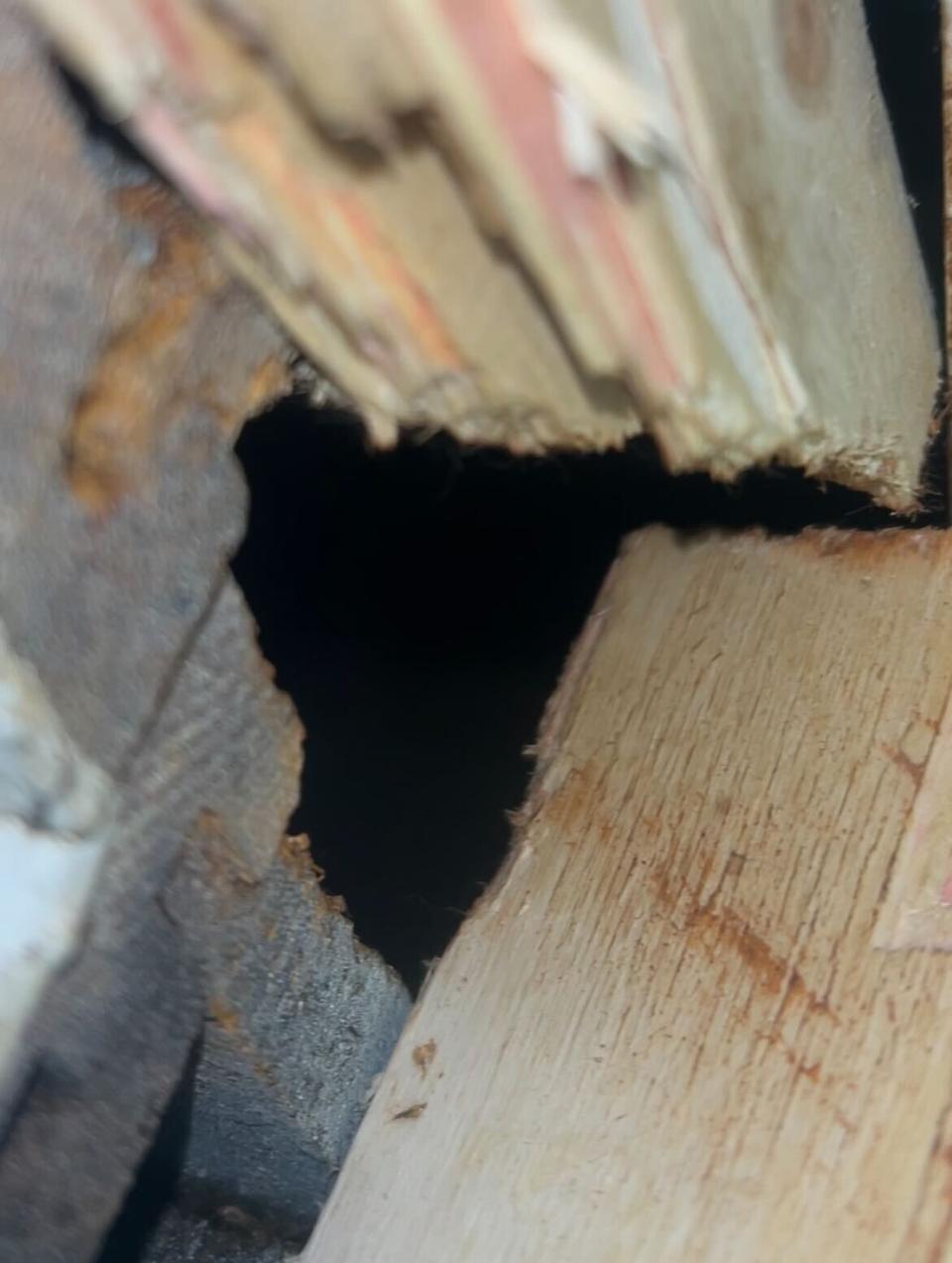
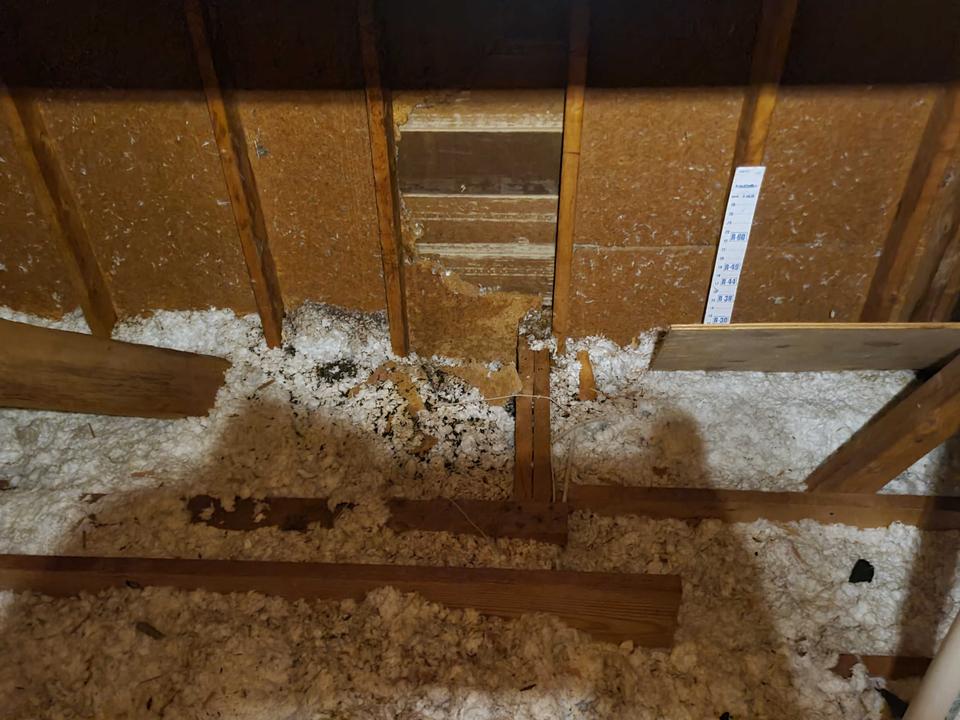
Roof rats are the rat of the attic. They usually reach the roof line from overhanging branches and power lines and get in through gaps at the eaves, soffits, vents and where the roof meets the wall. Older Birmingham neighborhoods under mature trees see them often, because the canopy gives them a road to the roof. In the attic they often leave shredded or flattened insulation, droppings along the rafters and noise overhead at night.
Norway rats come in at ground level: gaps around pipes and utility lines, foundation vents, crawl space access doors, garage doors that do not seal and burrows that run under slabs and steps. They favor damp places, which is why they often turn up in crawl spaces and basements, and firewood, debris piles and dense ground cover near the house give them shelter.
A rat's front teeth grow throughout its life, so rats gnaw constantly to keep them worn down. Wiring in attics and walls is soft enough to chew, and gnawed wiring can become a fire risk. The same chewing shows up on wood, pipes and stored boxes, and it is one of several signs of rats and mice worth knowing.
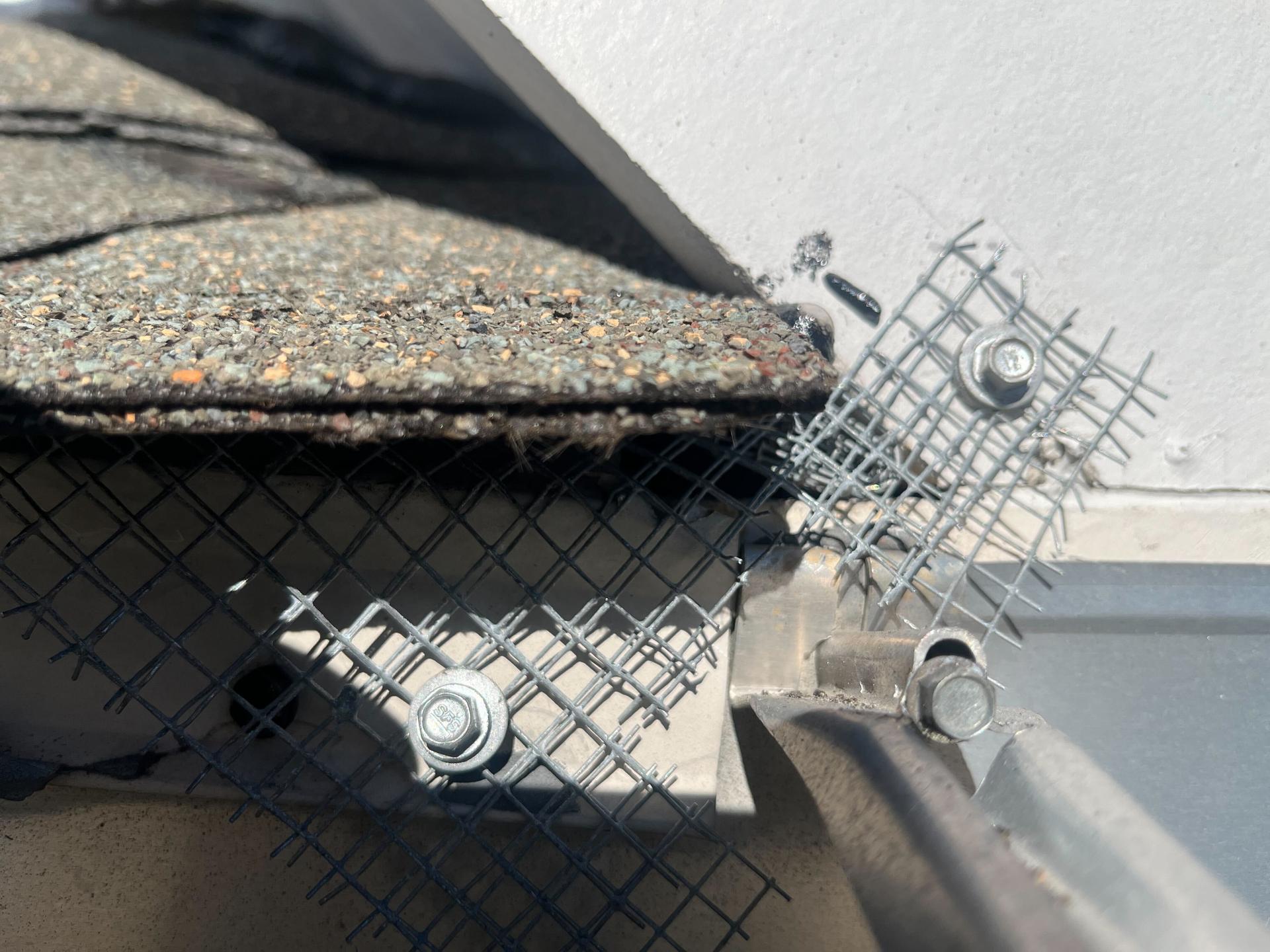
Two steps, and both are needed. Trapping reduces the rats already inside. Rodent exclusion, sealing every entry point with galvanized steel mesh, Xcluder fill fabric and professional grade sealants, stops new rats from coming in. Trapping without exclusion leaves the gaps open for the next rats, and exclusion without trapping seals the current ones in. Where rats are active outside, bait goes into locked bait stations that children and pets cannot open. The full set of rodent control solutions is explained separately.
Fall is when rats and mice move indoors looking for warm shelter as outside food gets scarce, and through the winter they are active inside. That makes late summer and fall the time exclusion does the most good, because the house is sealed before the move indoors begins.
Rats usually return where food, water and shelter stay available and the gaps stay open. Branches trimmed back from the roof line, firewood stored away from the house, trash in bins with locking lids and food in sealed containers all take away what they come for. Alabama Professional Services has been family-owned since 1977, and its technicians are licensed by the Alabama Department of Agriculture and Industries' Pesticide Management Division. Schedule your free inspection and a technician will identify the rat and find where it is getting in.
After inspecting your property, we recommend treatment methods based on the pests present and the conditions we find.
From the roof line to the foundation, we seal entry points with galvanized steel mesh, copper wool and Xcluder fill fabric, alongside trapping inside.
We set snap traps, bait stations and placement baits along the routes mice and rats travel, with visits set by how severe the problem is.
We place locked bait stations along the routes rodents travel outside, at the foundation, fence lines and outbuildings, with the bait fixed inside.
From September through November, mice and rats look for warm winter harborage, and through the winter they stay active indoors. That makes fall the time to seal entry points, with Xcluder fill fabric, a stainless steel fill rodents cannot chew through, before they settle in.
Each card below is a sign our technicians look for during a free inspection. Open one to read what it can mean and what we do about it.
Our specialists evaluate the underlying cause before recommending any work. Inspections are at no cost and there's no obligation to proceed.
Trapping reduces the rodents already inside. Exclusion with galvanized steel mesh, copper wool and Xcluder fill fabric stops new rodents from coming in.
House mice, roof rats and Norway rats nest and travel differently, so the plan is built around the one we find.
If a covered pest problem returns between scheduled quarterly treatments, we'll come back at no additional charge.
You get a clear estimate before any work starts, with no obligation to go ahead.
Pick the symptom that best fits. We'll tell you what it can mean and where to go next.
Don't see your question here? Our team is happy to help. Reach out anytime.
Trapping alone is not a lasting fix, because new rats use the same gaps. And bait on its own inside a house can leave a rat to die in a wall, where it cannot be reached.
Each service starts with a free inspection, so the treatment fits what we find.
Answers to common questions, from identification to prevention.
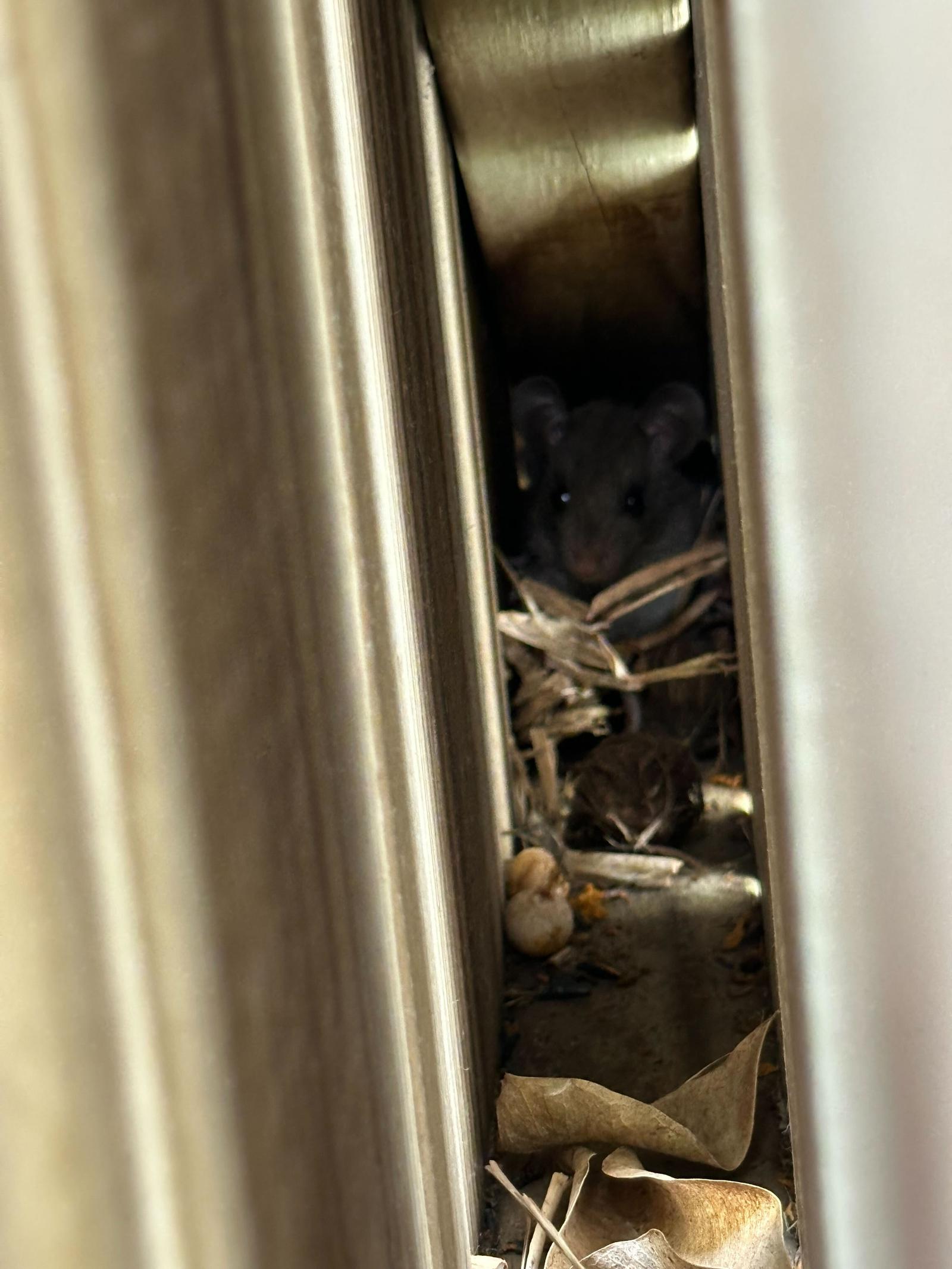
Mice and rats look alike at a glance, but the size of everything they leave behind is different, and so is how each is handled.
Learn moreRodents are rarely seen before they are noticed. Droppings, noise, damage and smell usually come first.
Learn moreMouse droppings are small, dark and pointed, and they are easy to confuse with the droppings of several other pests.
Learn moreGetting rid of mice takes two steps: removing the mice inside and closing the way they came in.
Learn moreRats are harder to get rid of than mice: they are cautious of anything new, they chew through weak repairs, and the two species get in different ways.
Learn moreOne office in Irondale. Technicians across the state.
A straightforward path from the first inspection to lasting protection.
Droppings, damage and where the activity is identify roof rats or Norway rats, which decides where the entry points are likely to be.
The house is checked from the roof line and eaves down to the foundation, vents, pipes and crawl space access.
Trapping reduces the rats already in the house.
Entry points are sealed with galvanized steel mesh, copper wool, Xcluder fill fabric and professional grade sealants.
Where rats have nested in an attic or crawl space, contaminated insulation is removed, the area is cleaned and treated, and the insulation replaced.
How often the technician returns depends on how severe the problem is.
From the Irondale office to any address in Alabama.
Practical articles from the Alabama Professional Services team, written for Alabama homeowners.
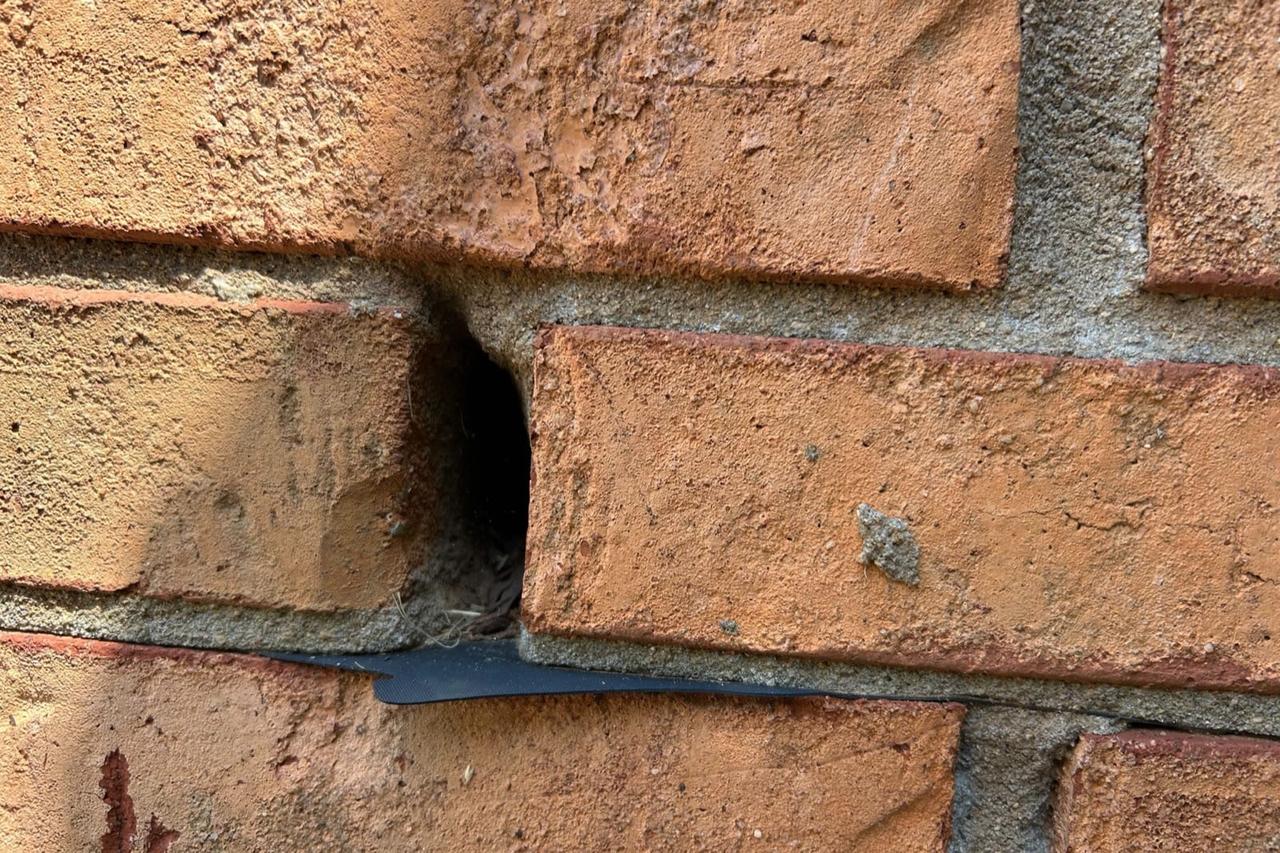 Rodent Control
Mice get into Alabama homes through small gaps: foundation cracks, utility lines, garage doors and roof edges.
A technician inspects the property, walks you through what we find, and explains the treatment we recommend, with a clear estimate before any work starts. The inspection is free.