
Baiting & Trapping Programs: Reducing the Rodents Already Inside
Trapping reduces the rodents inside. Exclusion stops new ones. Alabama Professional Services sets up both, starting with a free inspection.
Let's Take the First Step Toward a Healthy Home
A local specialist will inspect your home, walk you through the findings, and send a clear estimate. No cost, no pressure.
What Should You Know About Baiting and Trapping Programs?
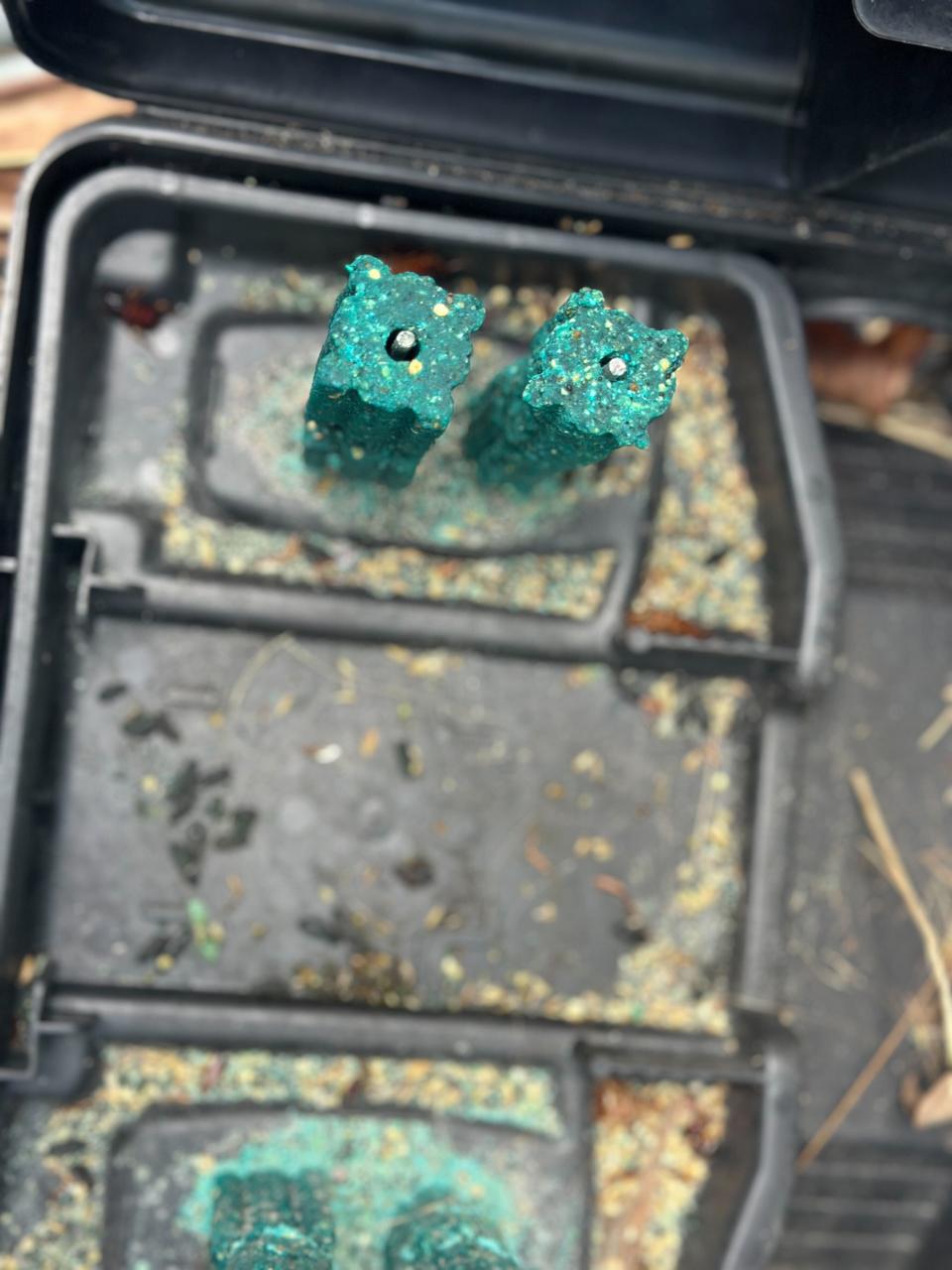
A trapping and baiting program deals with the rodents already inside the house. It is set up after the rodent is identified, because mice and rats behave differently: mice usually investigate anything new, while rats are cautious of new objects in their path and can avoid a trap for days, so rat control often takes more patience. Alabama Professional Services uses snap traps, bait stations and placement baits, set along the routes the rodents use, where droppings, gnaw marks and smudge marks show they travel and feed. Where bait goes matters. A rodent that eats bait inside a house can die inside a wall or under a floor, where it cannot be reached, so bait placement is decided carefully, and bait outdoors goes into locked, tamper resistant stations that children and pets cannot open. How often the technician returns depends on how severe the problem is. What a trapping program does not do is stop new rodents arriving. Trapping reduces the active population inside the home; exclusion, sealing every entry point, stops new rodents coming in; both steps are required for a lasting fix.
Baiting & Trapping Programs, Step by Step
Identify the rodent
Mice or rats, because they respond to traps differently and need different placement.
Map the routes
Droppings, gnaw marks and smudge marks show where the rodents travel and feed.
Set traps and bait
Snap traps, bait stations and placement baits go along those routes, with outdoor bait in tamper resistant stations.
Seal the entry points
Exclusion stops new rodents coming in while the program reduces the ones inside.
Set the follow up by severity
How often the technician returns depends on how severe the problem is.
What You Get From APS Rodent Control
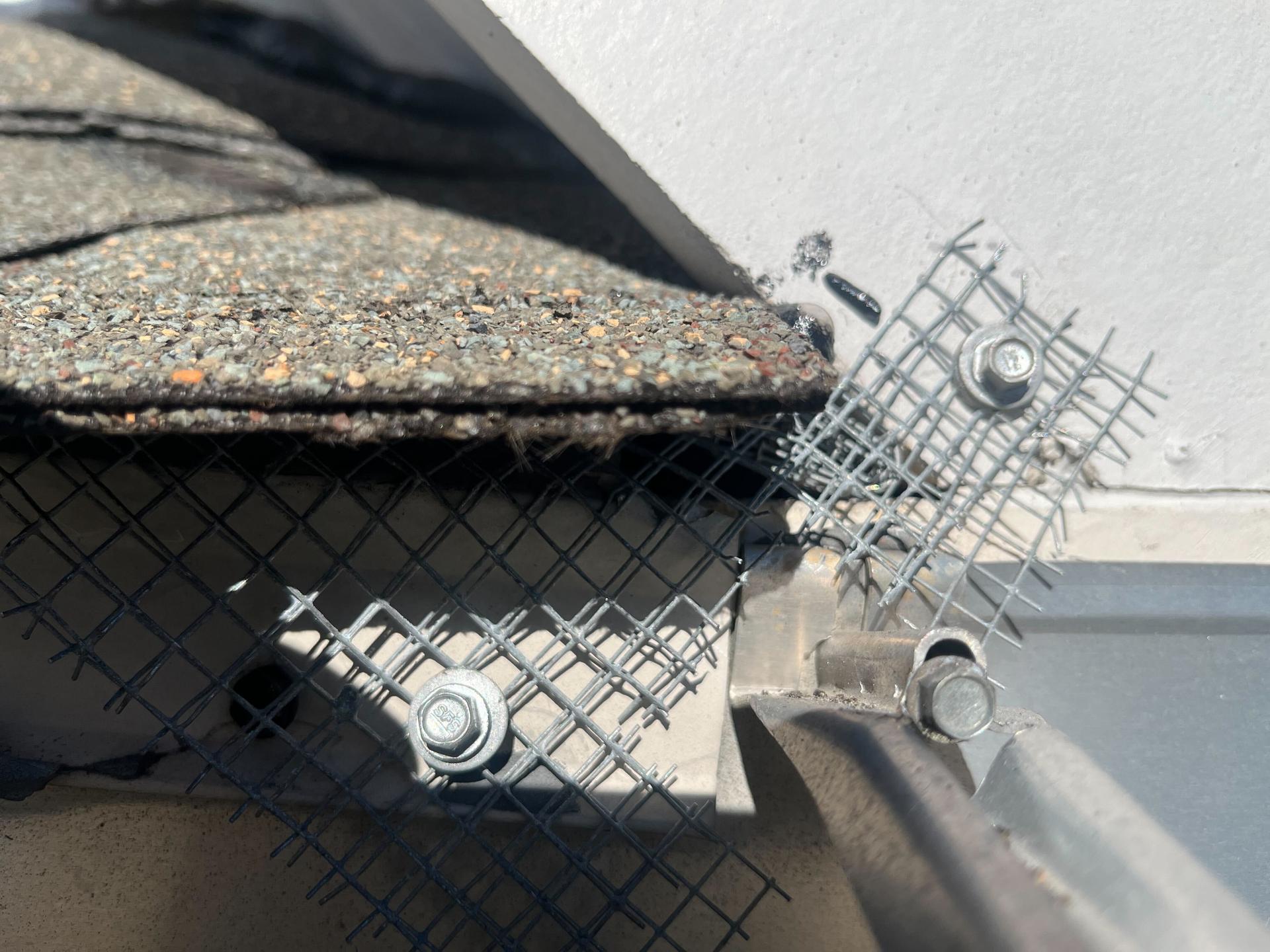
Trapping reduces the rodents already inside. Exclusion with galvanized steel mesh, copper wool and Xcluder fill fabric stops new rodents from coming in.
House mice, roof rats and Norway rats nest and travel differently, so the plan is built around the one we find.
If a covered pest problem returns between scheduled quarterly treatments, we'll come back at no additional charge.
You get a clear estimate before any work starts, with no obligation to go ahead.
Answers to Common Questions About Baiting & Trapping Programs
Don't see your question here? Our team is happy to help. Reach out anytime.
Which Rodent Problem Signs Can Baiting and Trapping Programs Help With?
A sign can trace to more than one cause. These are the rodent signs that can point to a cause this method addresses, and the inspection shows which cause is at work in your home.
Rodent Droppings
Rodent droppings are usually the first sign that mice or rats are in a house, and they often turn up long before anyone sees the animal itself.
Gnawed Wires & Wood
Gnaw marks on wiring, wood, pipes and stored belongings can be a sign that rodents are living in the house.
Scratching in Walls
Scratching, scurrying or gnawing inside a wall, under a floor or in the ceiling, loudest at night, is one of the most common signs of mice or rats.
Other Rodent Solutions We Use
Each method is matched to what the inspection finds.
Attic & Crawl Space Sanitation
Once rodents are out and entry points sealed, we remove soiled insulation, HEPA vacuum, apply an antimicrobial treatment and install T·A·P insulation.
Learn moreOne Way Exit Doors
We fit a one way door over the active opening so rodents nesting inside can leave but not return, then seal it once they are gone.
Learn more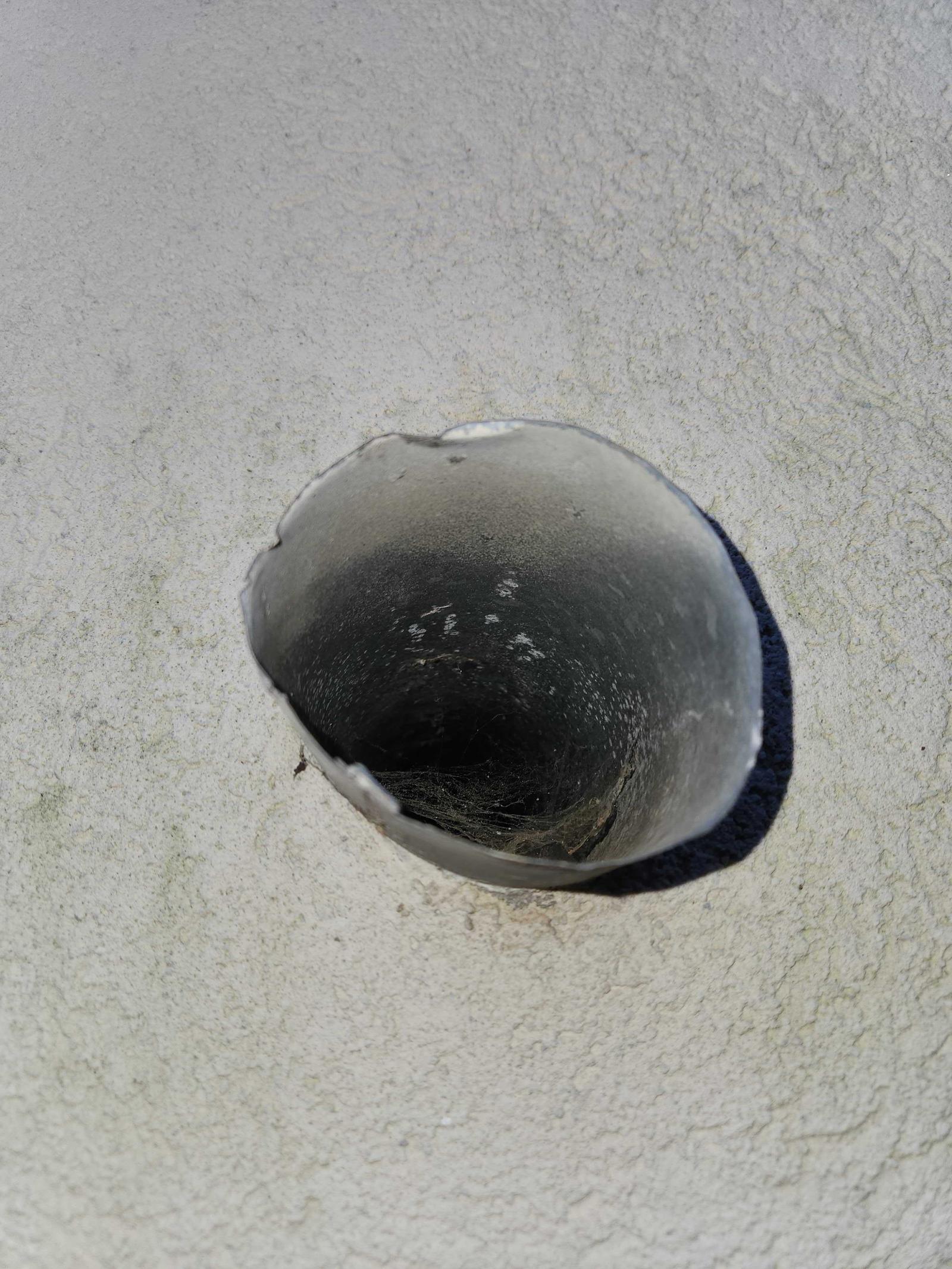
Rodent Exclusion
From the roof line to the foundation, we seal entry points with galvanized steel mesh, copper wool and Xcluder fill fabric, alongside trapping inside.
Learn more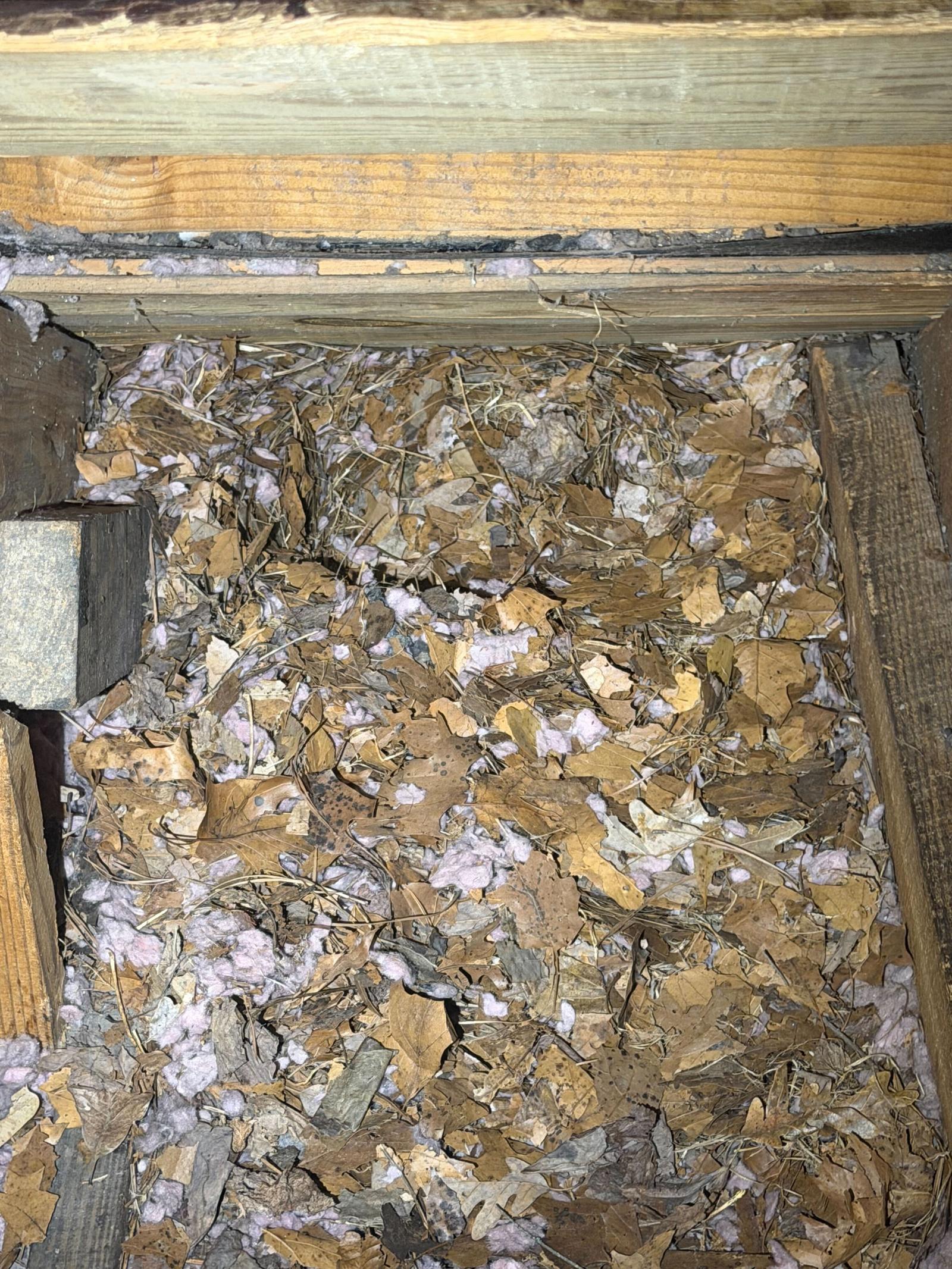
Rodent Proof Insulation
After the attic is sealed and cleaned, we install T·A·P, a borate infused cellulose insulation with a pest control component.
Learn more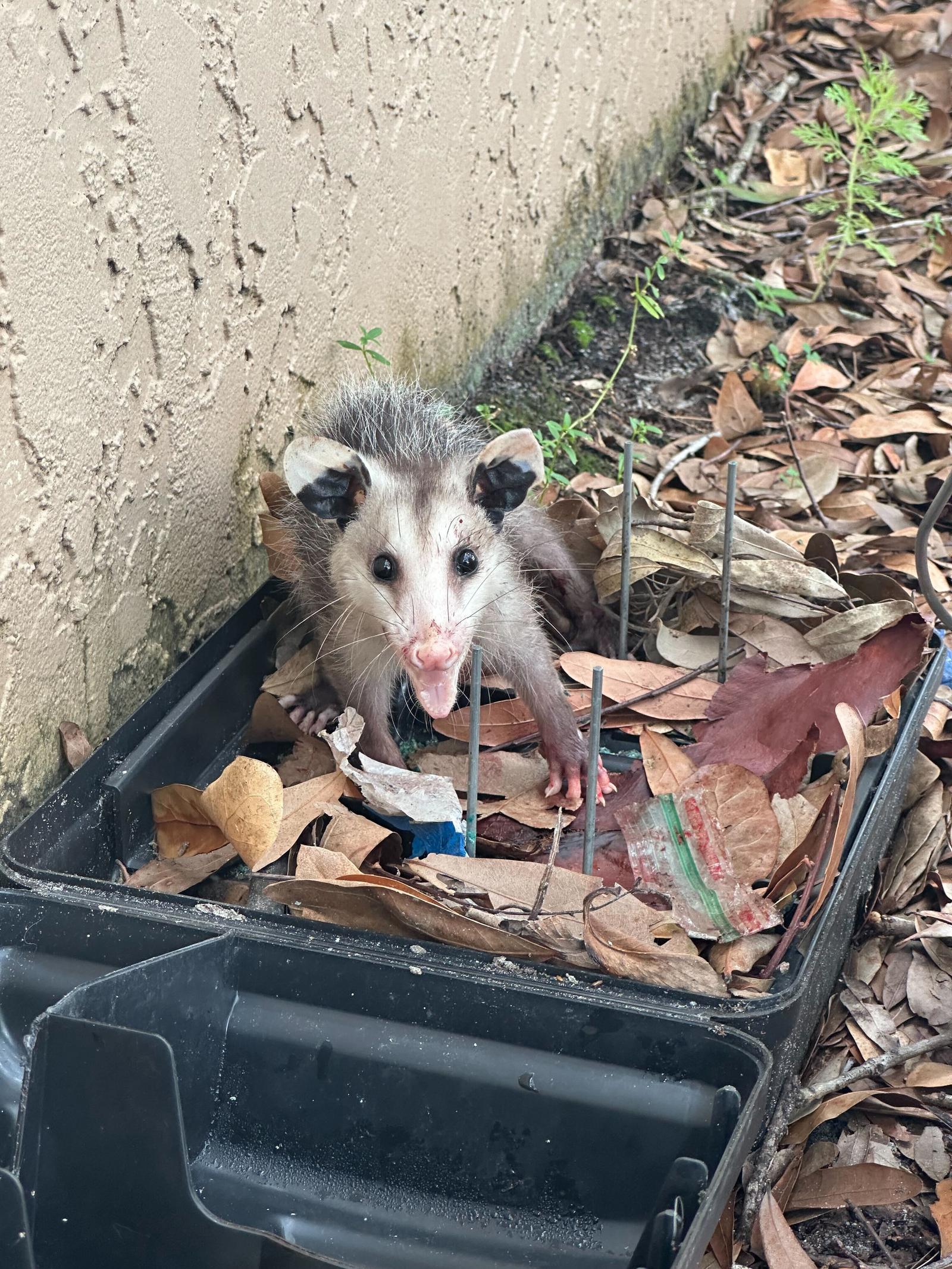
Tamper Resistant Stations
We place locked bait stations along the routes rodents travel outside, at the foundation, fence lines and outbuildings, with the bait fixed inside.
Learn moreServing All of Alabama
One office in Irondale. Technicians across the state.
- Huntsville, AL
- Montgomery, AL
- Hoover, AL
- Birmingham, AL
- Madison, AL
- Vestavia Hills, AL
- Alabaster, AL
- Tuscaloosa, AL
- Auburn, AL
Take the First Step Toward a Healthy Home
A straightforward path from the first inspection to lasting protection.
Schedule Your Inspection
A local specialist visits your home, inspects the problem, and answers your questions on site. No cost, no obligation.
Review Your Estimate
We explain our findings and provide an estimate for the recommended treatment.
Receive Your Treatment
Our team performs the recommended treatment and explains any follow up care or preventive measures.
Tell Us What You Found
From the Irondale office to any address in Alabama.
- A local specialist contacts you to schedule a visit.
- Your specialist inspects the problem and explains the findings.
- You receive an estimate with no obligation to proceed.
Expert Guidance on Protecting Your Home
Practical articles from the Alabama Professional Services team, written for Alabama homeowners.
 Rodent Control
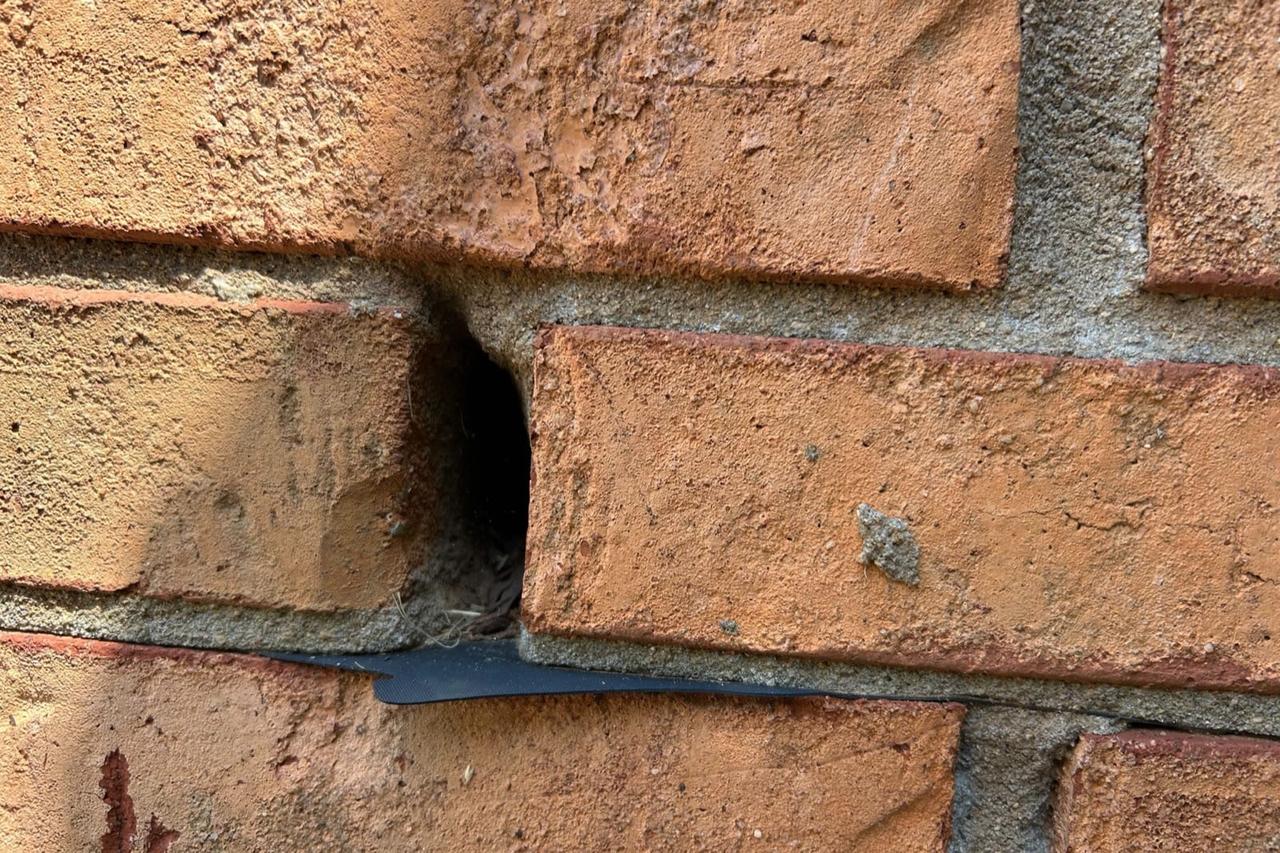
How Do Mice Get Into Your House?
Mice get into Alabama homes through small gaps: foundation cracks, utility lines, garage doors and roof edges.
Wondering Whether Baiting and Trapping Programs Will Work for Your Home?
A technician inspects the property, walks you through what we find, and explains the treatment we recommend, with a clear estimate before any work starts. The inspection is free.