
When Is This Not the Right Fix?
Treating only the foundation misses the smoky brown's route in through the eaves and attic, so the roofline has to be part of it.
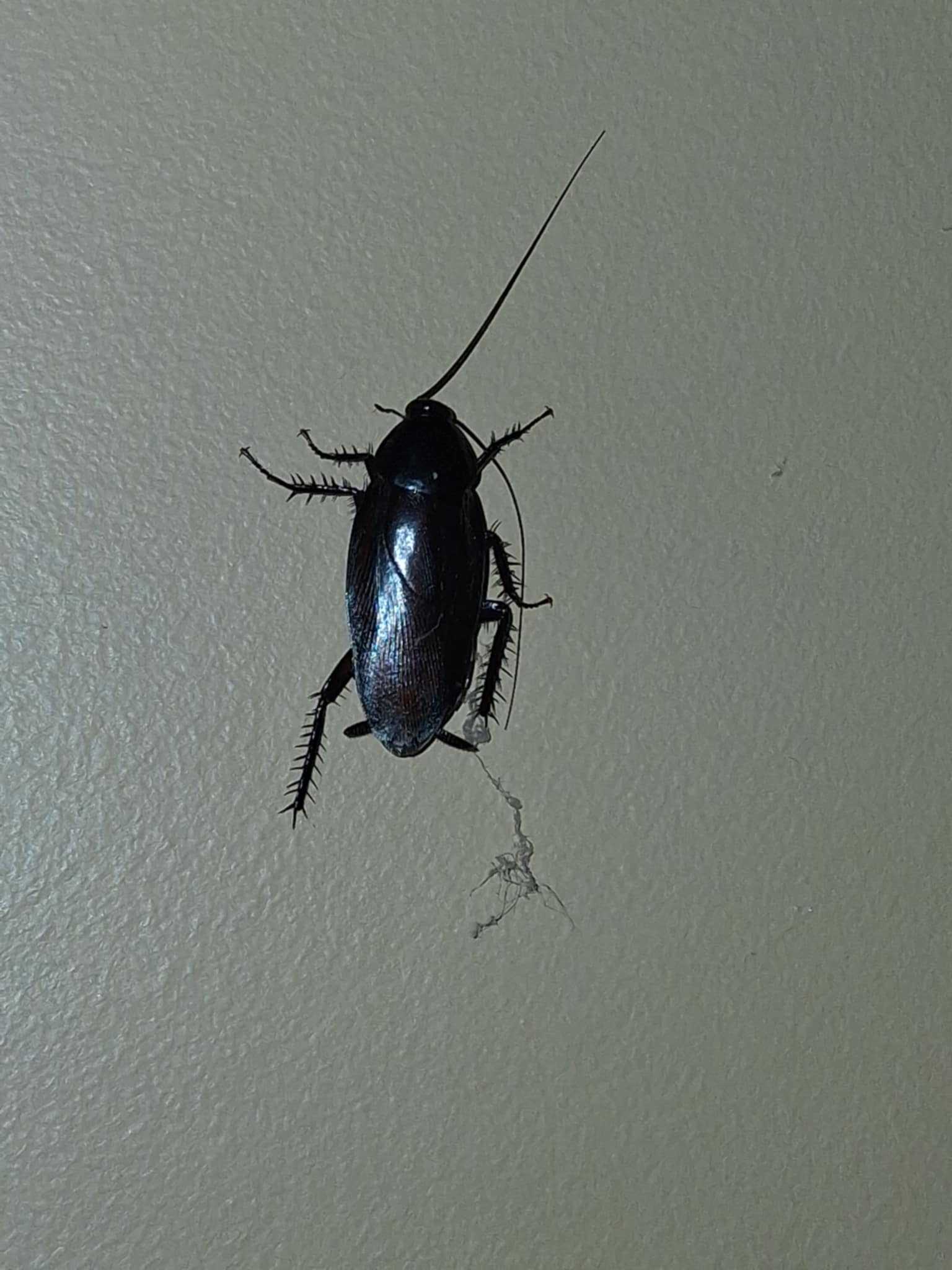
Smoky brown cockroaches live in trees and gutters and come in high. Alabama Professional Services treats the perimeter and eaves, starting with a free inspection.
The smoky brown cockroach is a large, dark roach that is especially common around Mobile and the Gulf Coast. It is a close relative of the palmetto bug (American cockroach) and, like it, lives mostly outdoors. What sets it apart is where it lives: up high, in trees, gutters, attics and the eaves, so it often gets into a house from above, and cockroach control for this species covers the roofline as well as the foundation.
A local specialist will inspect your home, walk you through the findings, and send a clear estimate. No cost, no pressure.
How the Price Is Set
The inspection is free. Treatment is quoted after it, because the species, how established the population is and where it is living set the scope.
In Depth
The smoky brown cockroach is a large, dark roach that is especially common around Mobile and the Gulf Coast. It is a close relative of the palmetto bug (American cockroach) and, like it, lives mostly outdoors. What sets it apart is where it lives: up high, in trees, gutters, attics and the eaves, so it often gets into a house from above, and cockroach control for this species covers the roofline as well as the foundation.
Large, about an inch and a quarter to an inch and a half, uniformly dark mahogany brown to nearly black and glossy, with long wings. It is a strong flier and is often drawn to lights at night. The palmetto bug page covers its reddish brown cousin, which has a pale band behind the head that the smoky brown lacks.
Outdoors in humid, sheltered places up off the ground: tree holes, palm fronds, gutters full of leaves, woodpiles and the gaps under shingles and siding. They can move into attics, soffits and the upper walls of houses from there, and they also shelter in mulch and leaf litter.
Because they need warmth and high humidity to survive, which the coast gives them year round. In drier parts of Alabama they are less common, although they can turn up across the state.
From above as often as below: through gaps at the eaves and soffits, attic vents, around windows and where branches touch the roof, and at the foundation through gaps and vents. Outdoor lights can draw them toward doors and windows at night.
With treatment that covers the whole outside of the house, the foundation included. Perimeter roach treatment goes on the foundation and entry points, the eaves and soffits are treated, and gaps at the roofline and windows are sealed. Clearing gutters, trimming branches back from the roof and managing outdoor lights can reduce what draws them close.
Rarely in living spaces, but they can in attics and damp crawl spaces. Roach egg cases found in an attic show they have settled. The signs of a cockroach infestation can help tell visitors from a resident population. Alabama Professional Services has been family-owned since 1977, and its technicians are licensed by the Alabama Department of Agriculture and Industries' Pesticide Management Division. Schedule your free inspection.
After inspecting your property, we recommend treatment methods based on the pests present and the conditions we find.
Our residual treatment along the foundation, entry points and eaves helps stop palmetto bugs (American cockroaches) and smoky brown cockroaches from crossing in.
We seal gaps at doors, pipes, vents and the foundation to help keep palmetto bugs (American cockroaches) out, treating crevices before they are closed.
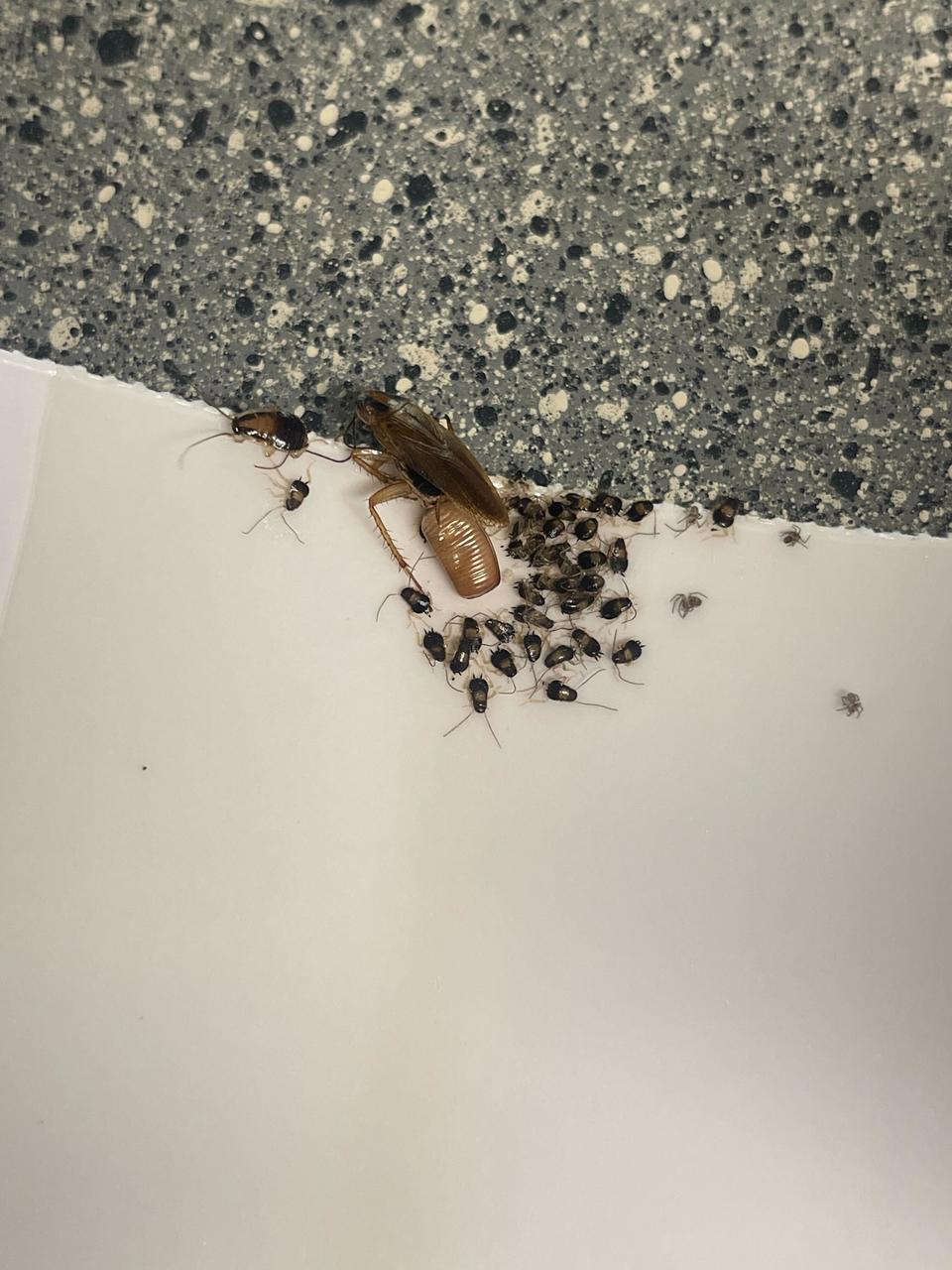
The large reddish brown roach that comes in from outside is the palmetto bug (American cockroach), and it responds to a perimeter barrier and moisture control. The small tan German cockroach lives indoors, mostly in kitchens, breeds fast and peaks in summer and in heated homes through the winter; it needs gel bait with an insect growth regulator. Knowing which one you have decides the treatment.
Each card below is a sign our technicians look for during a free inspection. Open one to read what it can mean and what we do about it.
Our specialists evaluate the underlying cause before recommending any work. Inspections are at no cost and there's no obligation to proceed.
German cockroaches get gel bait and an insect growth regulator indoors. Palmetto bugs (American cockroaches) get a perimeter barrier and moisture management.
An insect growth regulator keeps young roaches from reaching breeding age, which helps stop a German roach population from rebuilding.
If a covered pest problem returns between scheduled quarterly treatments, we'll come back at no additional charge.
You get a clear estimate before any work starts, with no obligation to go ahead.
Pick the symptom that best fits. We'll tell you what it can mean and where to go next.
Don't see your question here? Our team is happy to help. Reach out anytime.
Treating only the foundation misses the smoky brown's route in through the eaves and attic, so the roofline has to be part of it.
Answers to common questions, from identification to prevention.
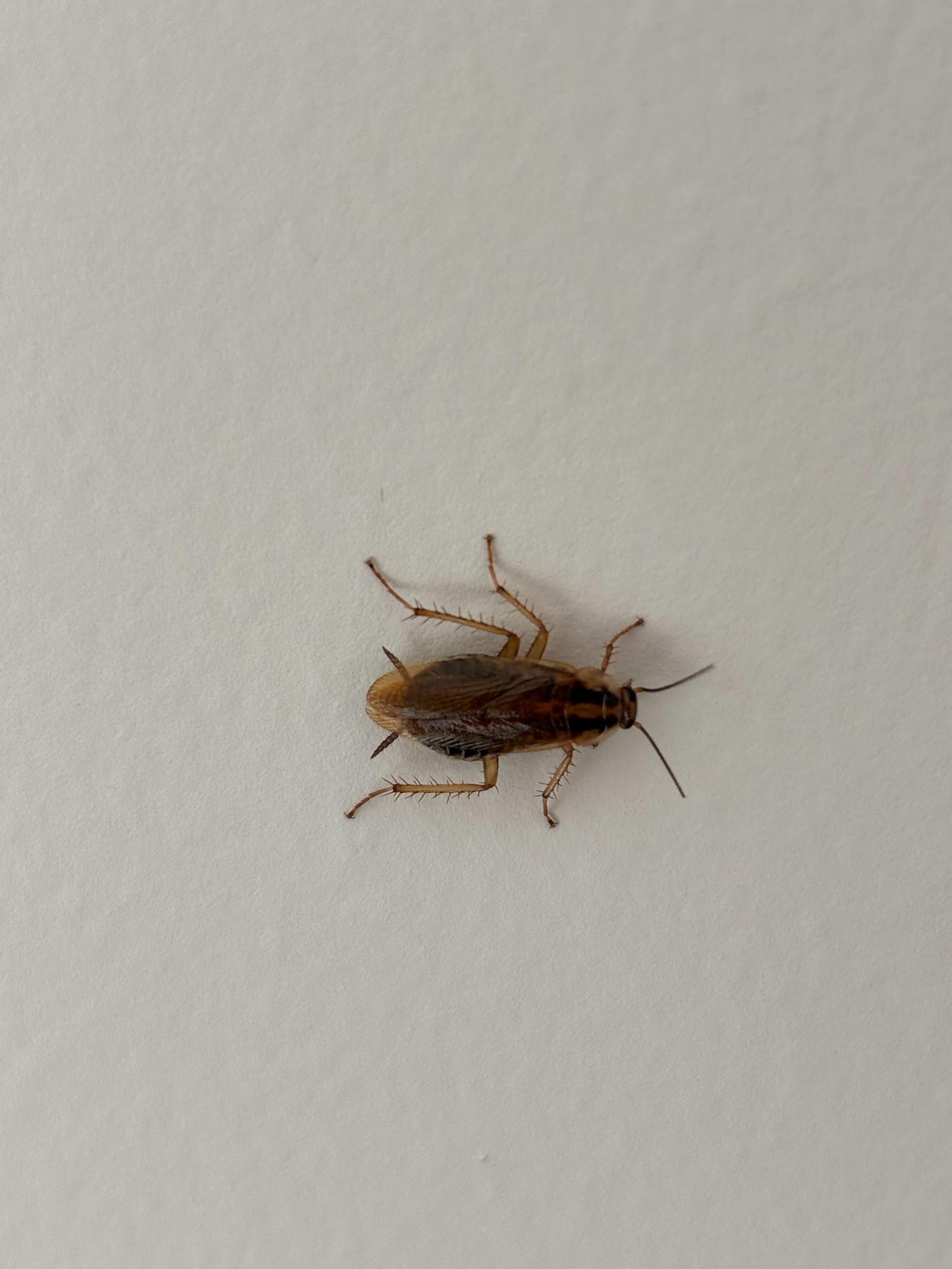
German cockroaches and palmetto bugs are treated so differently that telling them apart is the first step of cockroach control.
Learn more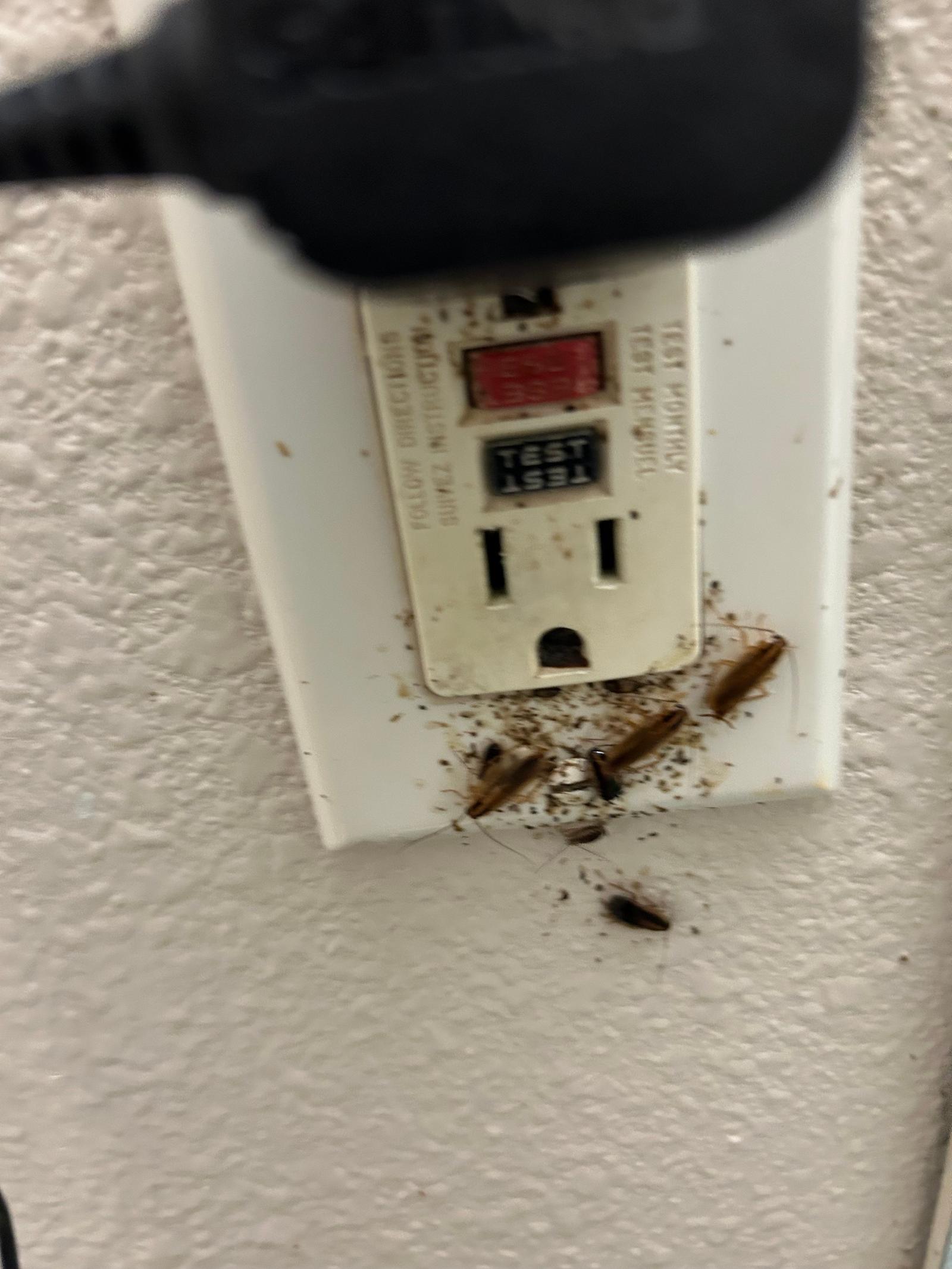
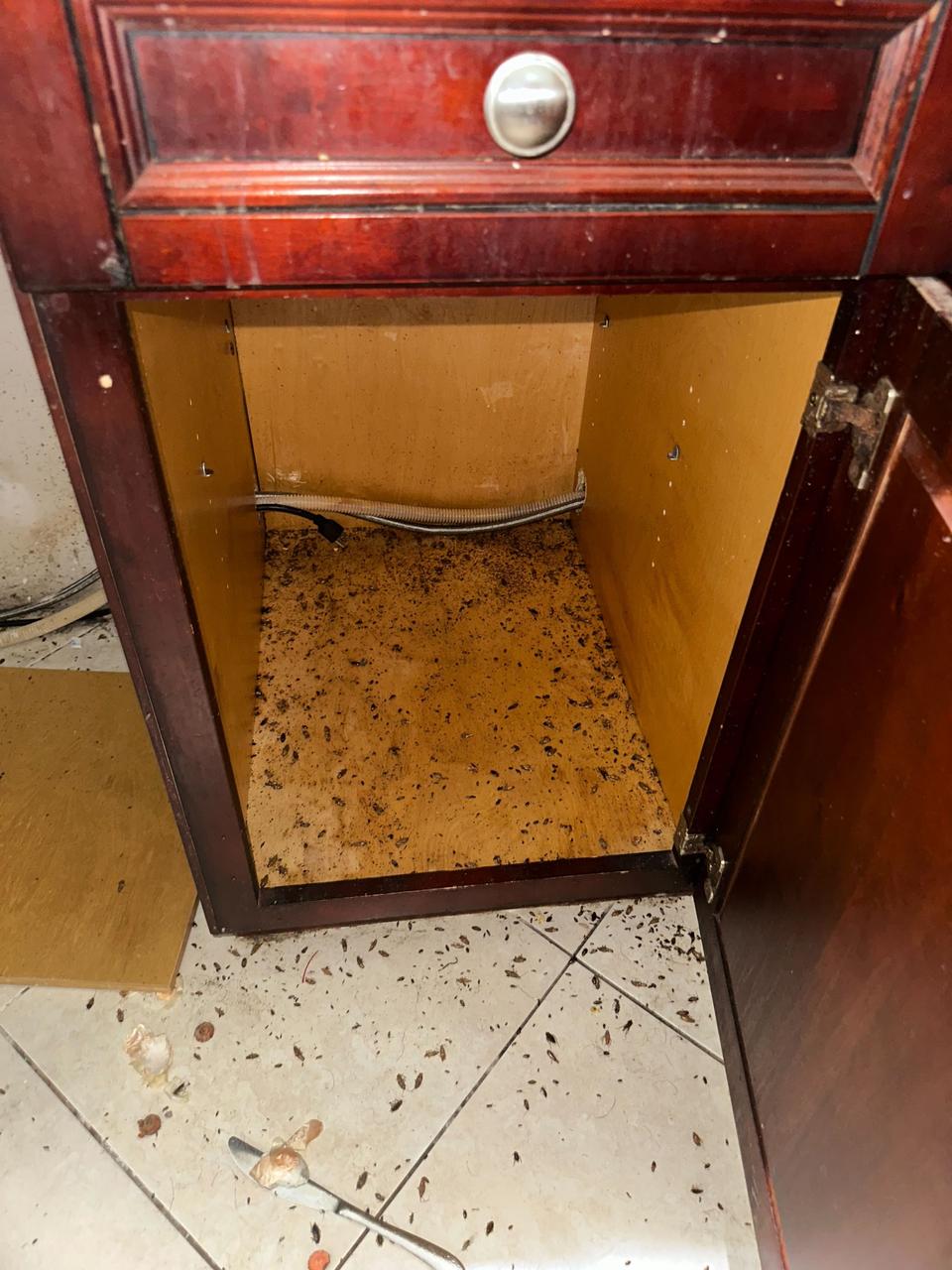
Cockroaches hide by day, so their droppings, smears, egg capsules, shed skins and smell usually show up before they do.
Learn more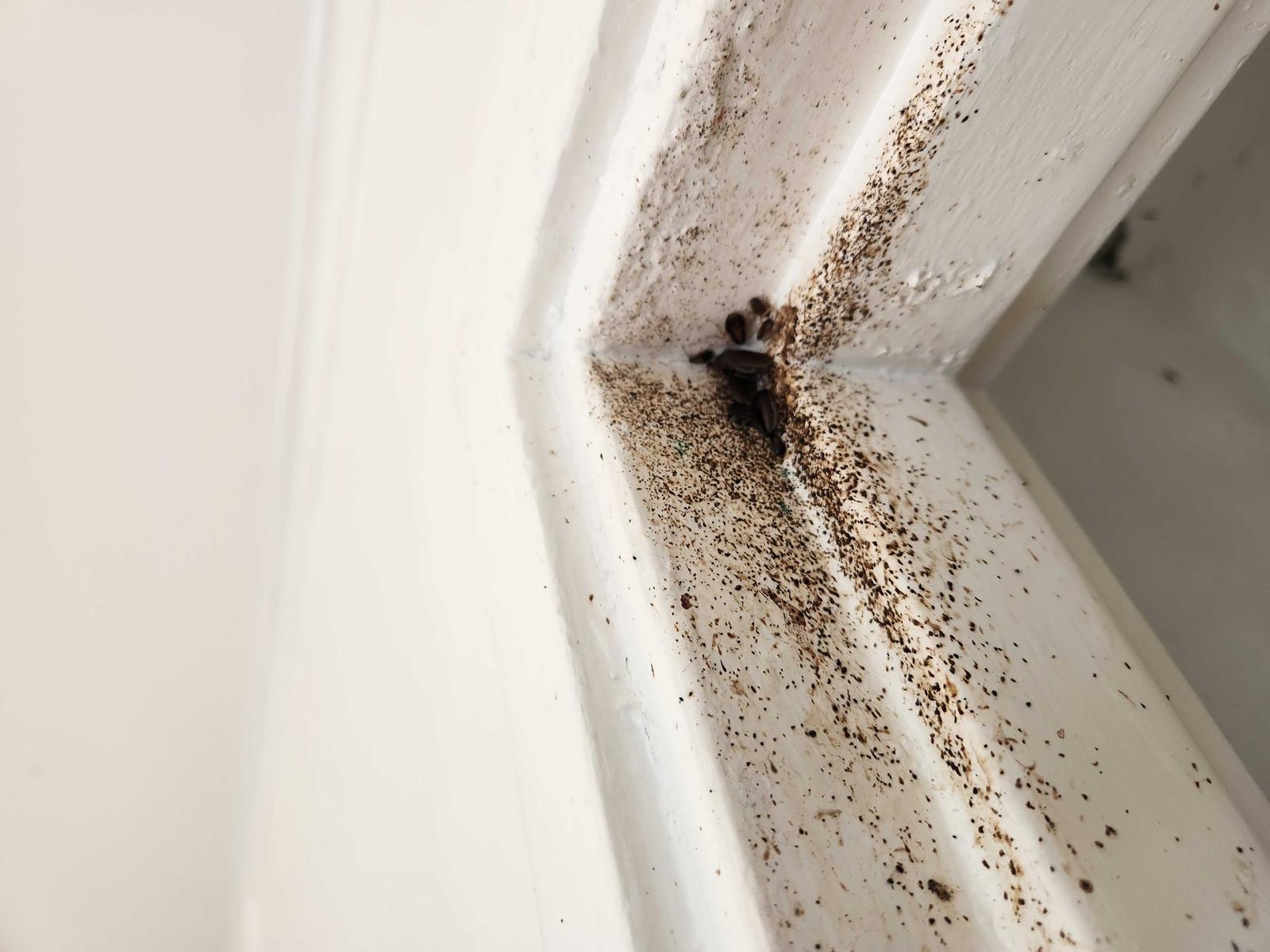
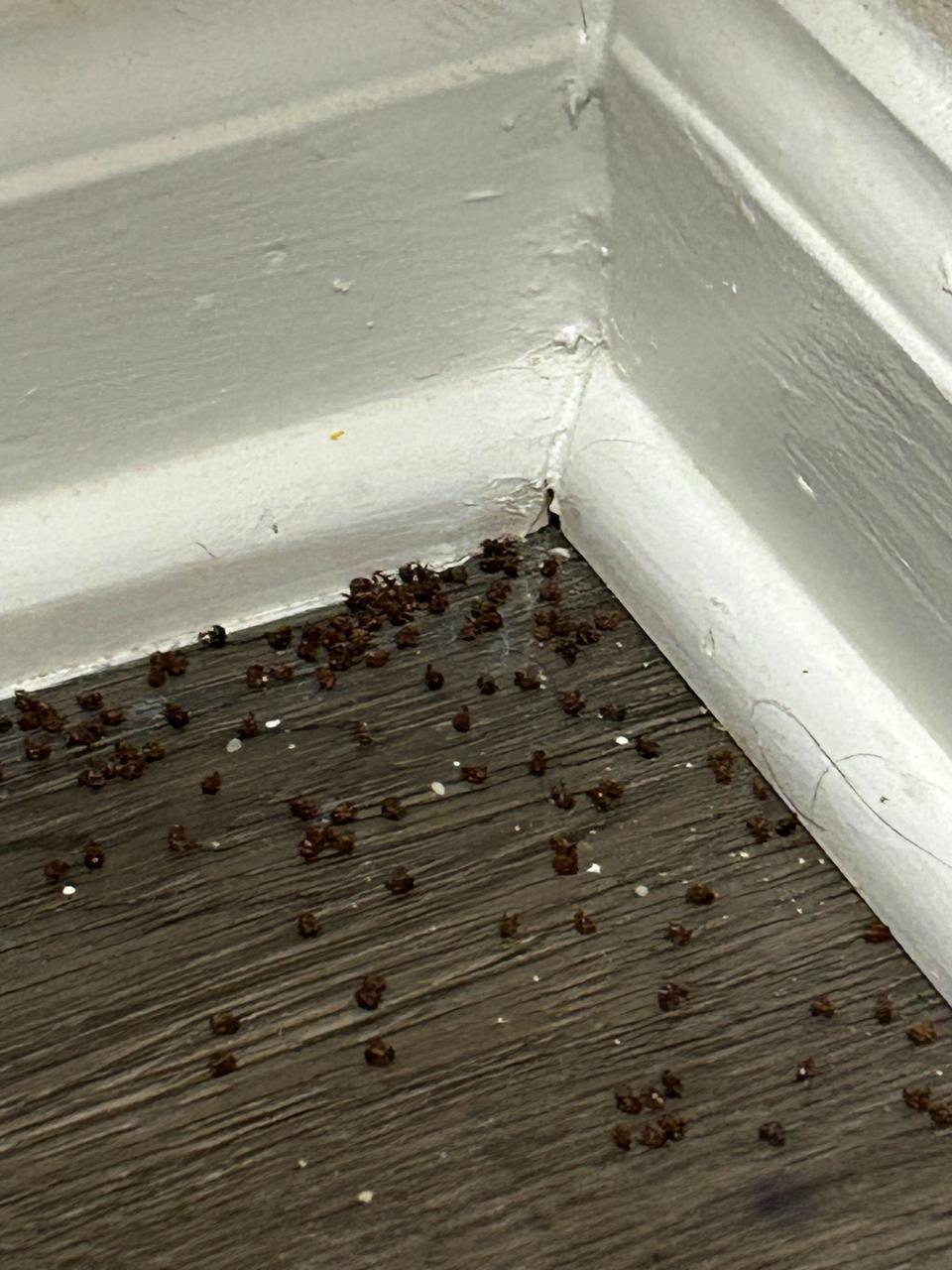
Roach droppings look different for German cockroaches and palmetto bugs, and they are easy to confuse with mouse droppings.
Learn moreGetting rid of roaches means identifying the species first, then treating the roaches that are hiding as well as the ones you see.
Learn more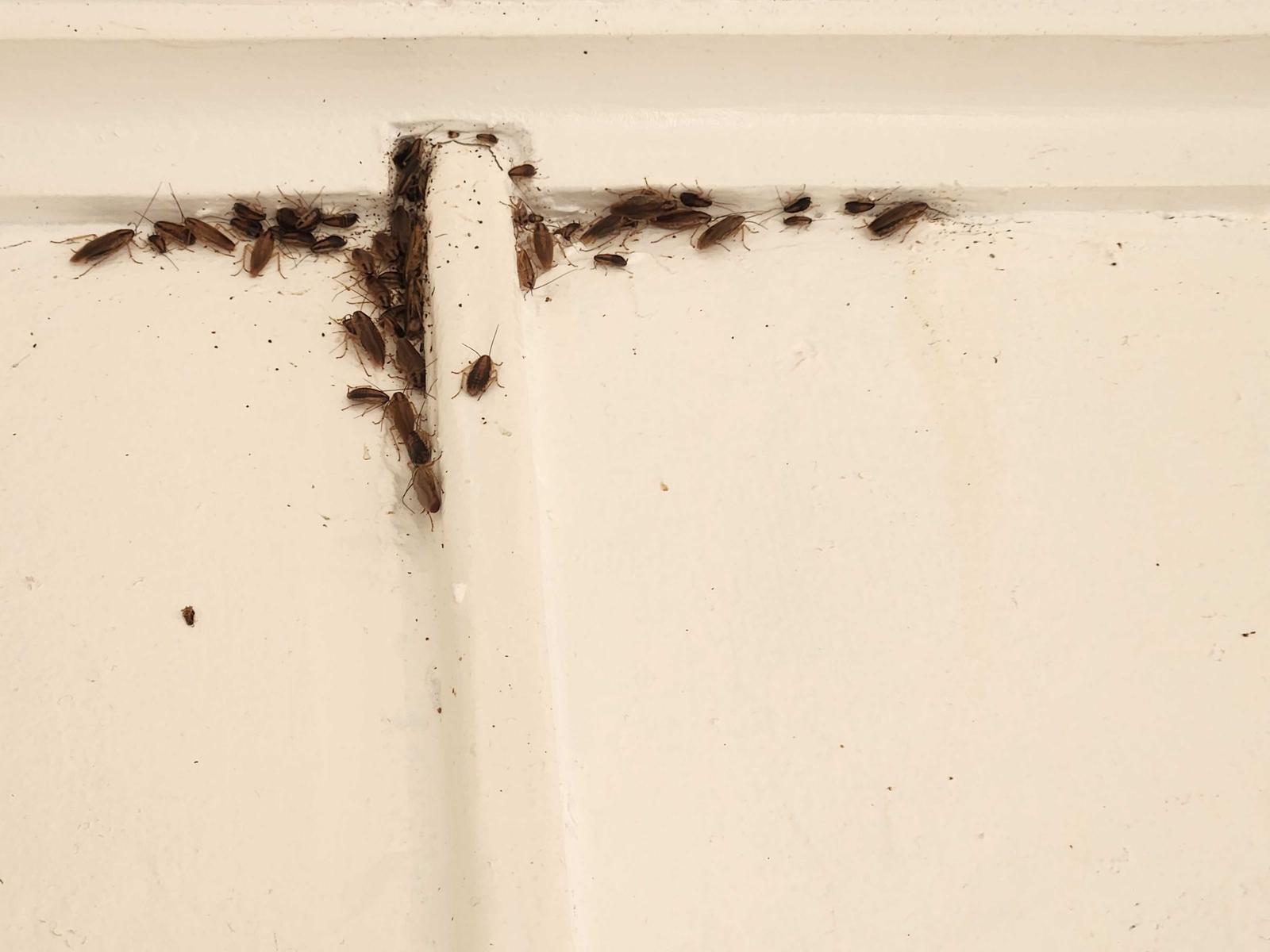
German cockroaches are the hardest roach to get rid of because they breed indoors and hide where sprays cannot reach. Gel bait, growth regulators and sanitation together are what work.
Learn morePalmetto bugs (American cockroaches) come in from outside, so getting rid of them means stopping them at the perimeter and taking away the damp that draws them.
Learn moreOne office in Irondale. Technicians across the state.
A straightforward path from the first inspection to lasting protection.
The roach is confirmed as a smoky brown cockroach, which lives higher than other outdoor roaches.
Eaves, soffits, attic vents, gutters and the foundation are checked for routes in.
A residual barrier goes on the foundation and entry points, and the eaves and soffits are treated.
Gaps at the roofline, windows and foundation are sealed.
The perimeter is renewed on quarterly pest control.
From the Irondale office to any address in Alabama.
Practical articles from the Alabama Professional Services team, written for Alabama homeowners.
Seeing roaches in the days after a treatment can be part of how the treatment works.
A technician inspects the property, walks you through what we find, and explains the treatment we recommend, with a clear estimate before any work starts. The inspection is free.