

When Is This Not the Right Fix?
Treating without finding and cleaning the infested items leaves larvae feeding where treatment cannot reach.
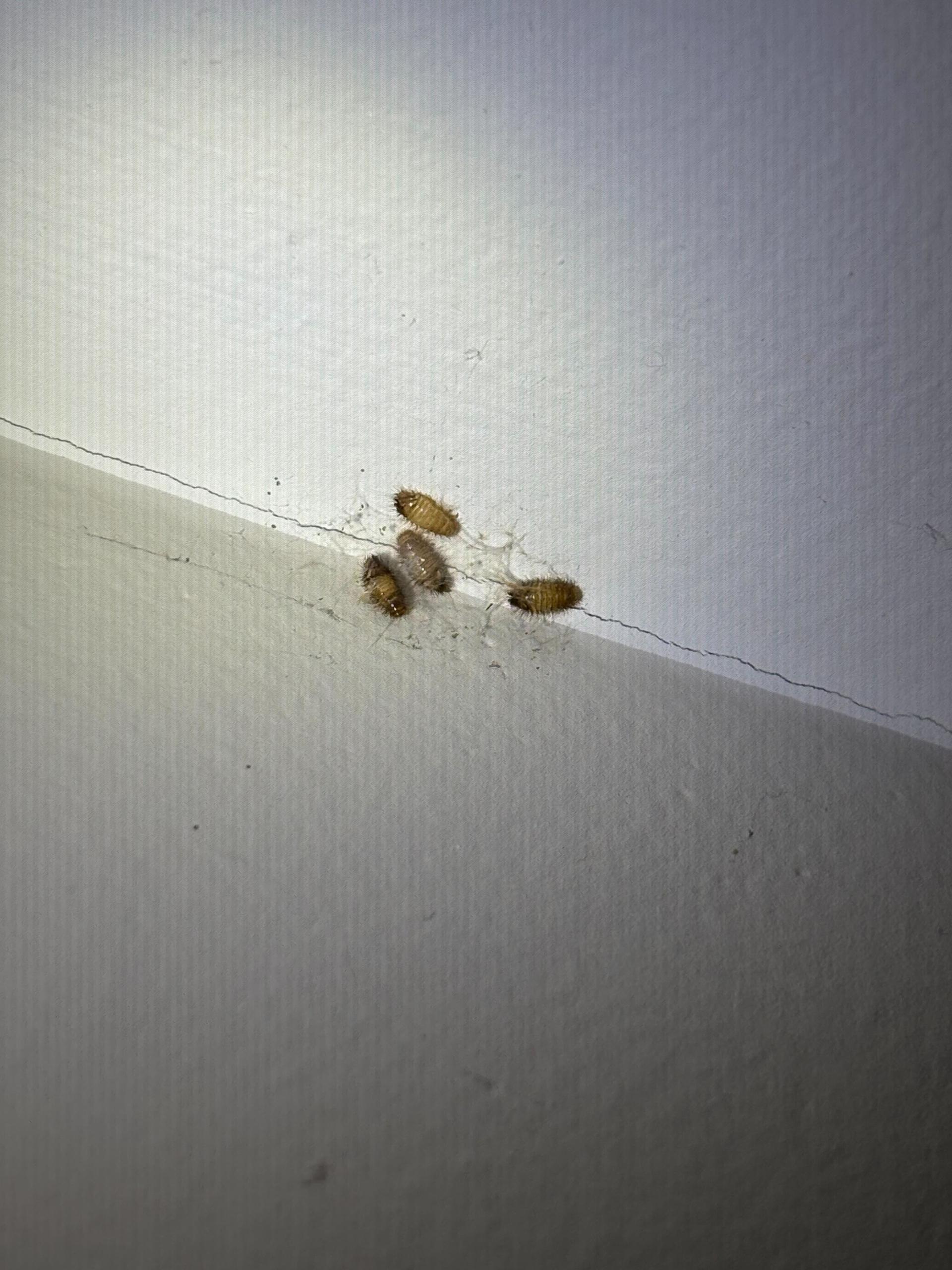
Fabric pest damage is done by larvae you rarely see. Alabama Professional Services finds and treats them, starting with a free inspection.
Fabric pests are the insects whose larvae eat animal based fibers: wool, silk, cashmere, fur, feathers, felt and leather. The two main ones are clothes moths and carpet beetles, and the damage is done by larvae that stay out of sight in closets, under rugs, in stored clothing and around baseboards. By the time holes appear in a sweater, the larvae have usually been feeding for a while, which is why control of nuisance pests like clothes moths and carpet beetles starts with finding where they are breeding.
A local specialist will inspect your home, walk you through the findings, and send a clear estimate. No cost, no pressure.
How the Price Is Set
The inspection is free. Treatment is quoted after it, because the pest, how it gets in and what draws it set the scope.
In Depth
Fabric pests are the insects whose larvae eat animal based fibers: wool, silk, cashmere, fur, feathers, felt and leather. The two main ones are clothes moths and carpet beetles, and the damage is done by larvae that stay out of sight in closets, under rugs, in stored clothing and around baseboards. By the time holes appear in a sweater, the larvae have usually been feeding for a while, which is why control of nuisance pests like clothes moths and carpet beetles starts with finding where they are breeding.
Small, buff or golden moths that avoid light and usually flutter. Unlike pantry moths, they do not fly toward lamps. Their larvae are small white caterpillars, and some species spin silky tubes or cases as they feed.
Adults are tiny, round beetles, often mottled with white, brown and yellow, and are often found on windowsills because they are drawn to light. The larvae are small, hairy, carrot shaped and brown, and they are the ones that feed on fabrics, carpets and stored items.
Irregular holes in wool, silk and cashmere clothing, bare patches in wool rugs, especially under furniture and along edges, and damage to felt, feathers and fur. Carpet beetle larvae also feed on pet hair, lint and dead insects that often collect along baseboards.
Infested items are found and cleaned, closets, rugs and baseboards are vacuumed thoroughly, and the cracks, edges and voids where larvae hide are treated. Pheromone traps for clothes moths help show where they are and whether they are gone.
Because larvae can survive in undisturbed places: the back of a closet, under a rug, in stored boxes and in lint along baseboards. Clothing stored dirty, with body oils and food stains, is more attractive. Pantry moths are a different moth in dry food.
Silverfish can also damage fabrics and paper, especially starched items and cotton. The silverfish page covers them, and stains on upholstery have other causes too.
We have been family-owned since 1977. Our technicians are licensed by the Alabama Department of Agriculture and Industries' Pesticide Management Division. Schedule your free inspection.
After inspecting your property, we recommend treatment methods based on the pests present and the conditions we find.
We place pheromone traps where pantry or clothes moths are active to help find the source and confirm whether treatment has worked.
We deliver a fine aerosol into wall voids and crevices where stink bugs, lady beetles and silverfish hide, then seal the gaps that let them in.
From September through November, stink bugs, lady beetles and boxelder bugs gather on sunny Alabama siding and slip inside through gaps to spend the winter. Calls about Asian lady beetles peak in November, continue into December and pick up again in March. Sealing those gaps and a perimeter treatment are the usual starting points.
Each card below is a sign our technicians look for during a free inspection. Open one to read what it can mean and what we do about it.
Our specialists evaluate the underlying cause before recommending any work. Inspections are at no cost and there's no obligation to proceed.
Now in its third generation, APS continues the family owned tradition that began in 1977.
You get a clear estimate before any work starts, with no obligation to go ahead.
Pick the symptom that best fits. We'll tell you what it can mean and where to go next.
Don't see your question here? Our team is happy to help. Reach out anytime.
Treating without finding and cleaning the infested items leaves larvae feeding where treatment cannot reach.
How to recognize each one and what it means for your home.
Kissing bugs are blood feeding insects that live around wildlife nests and occasionally come indoors. They are identified carefully and kept out at the perimeter.
Learn more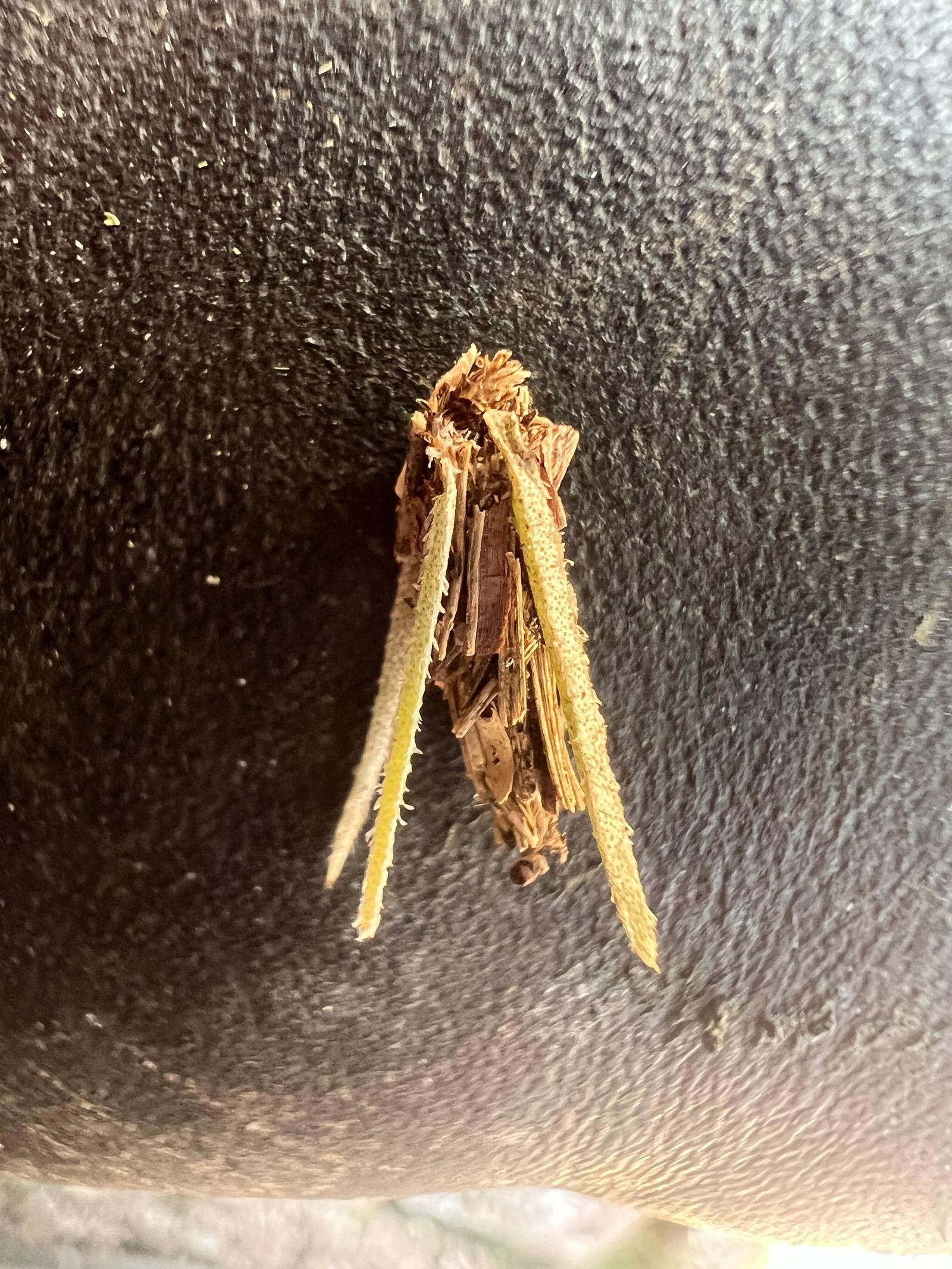
Plaster bagworms are small moth larvae that carry flat, seed like cases and hang on walls in humid homes. They feed on spider webs and debris.
Learn more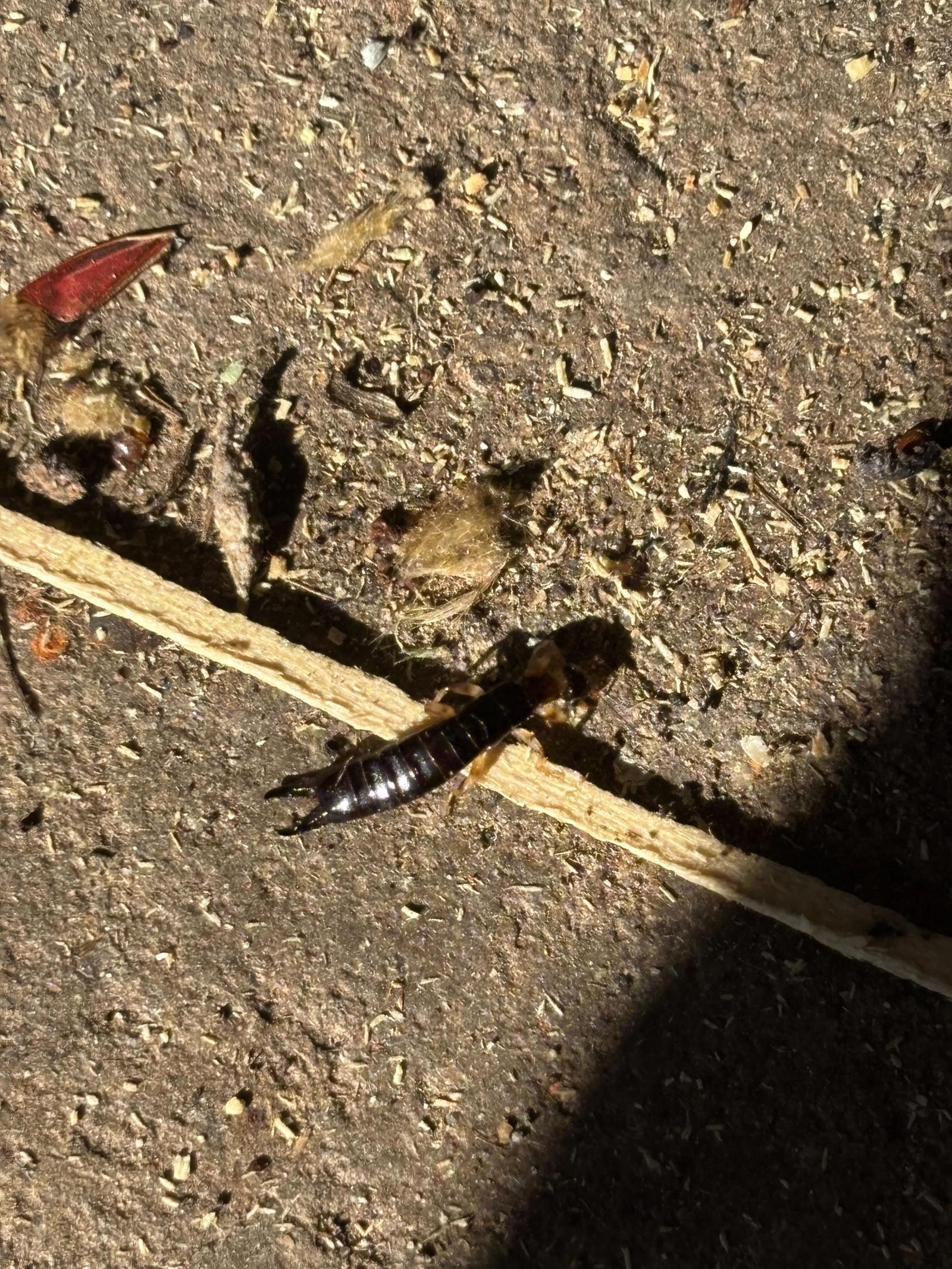
Earwigs are the pincer tailed insects that come in from damp mulch and leaf litter. They are harmless and are kept out by reducing moisture at the foundation.
Learn more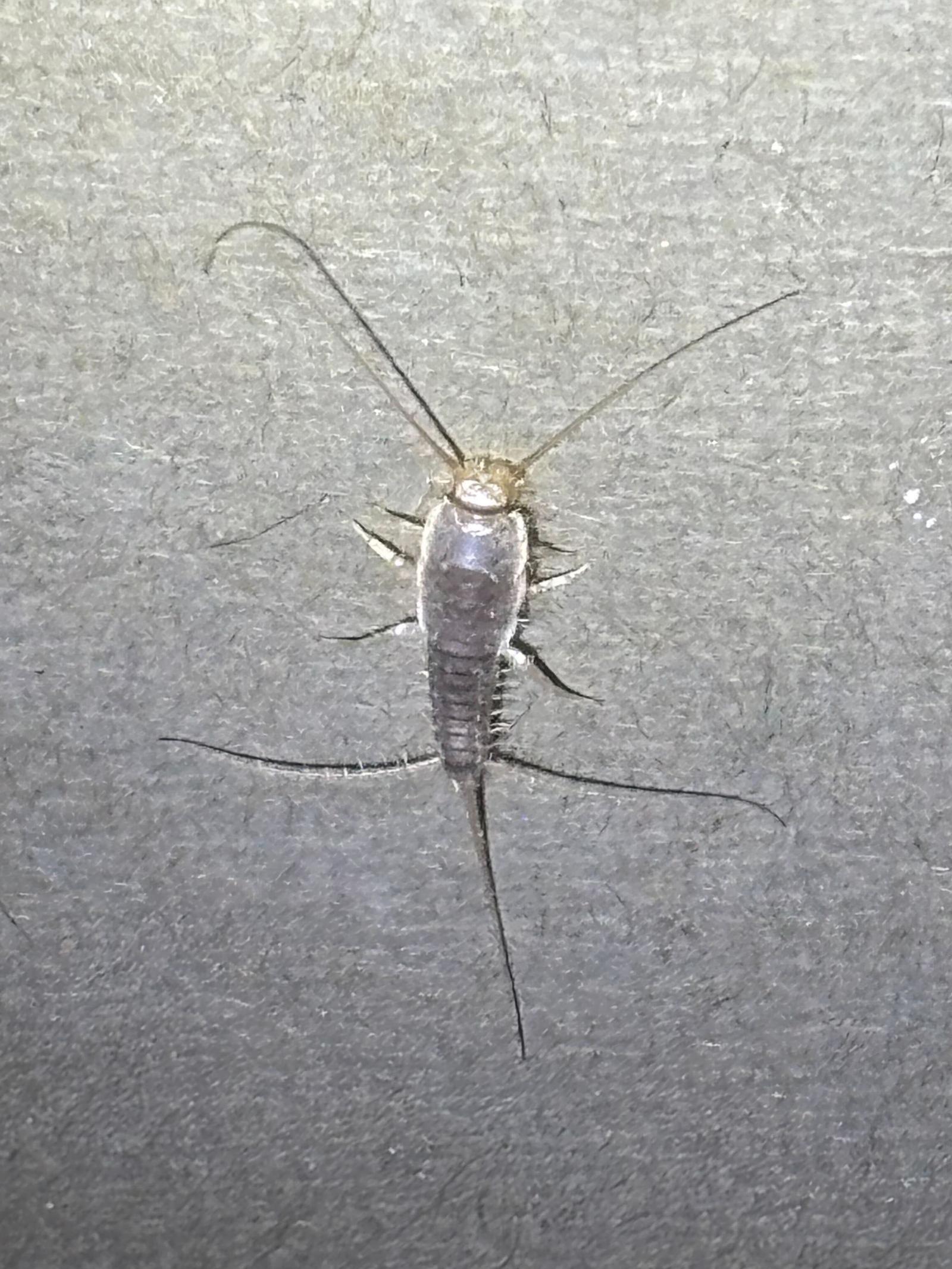
Silverfish are fast, silvery insects that live in damp, dark places and eat paper, starch and glue. They are controlled by treating their hiding places and reducing humidity.
Learn moreMost mites people find at home come from a source: bird or rodent nests, clover in the lawn, or chiggers in tall grass. Finding the source is the key.
Learn moreClover mites are tiny red mites that often swarm up sunny siding and onto windowsills in spring and fall. They do not bite, and they leave stains when crushed.
Learn moreOne office in Irondale. Technicians across the state.
A straightforward path from the first inspection to lasting protection.
Clothes moths or carpet beetles are identified from adults, larvae or damage.
Closets, rugs, stored items and baseboards are checked.
Infested items are cleaned and areas vacuumed thoroughly.
Cracks, edges and voids where larvae hide are treated.
Pheromone traps show whether clothes moths remain.
From the Irondale office to any address in Alabama.
A technician inspects the property, walks you through what we find, and explains the treatment we recommend, with a clear estimate before any work starts. The inspection is free.