
When Is This Not the Right Fix?
Treating the bees without sealing the holes and coating the wood leaves open galleries and bare wood that draw carpenter bees back next spring.
Carpenter bees are treated in the holes they drill, starting with a free inspection.
Carpenter bees are different from both: large bees that drill nearly perfect half inch holes into wood to nest, and that treatment handles directly in the holes. They are often mistaken for bumblebees, and the damage they do can build year after year if the holes are left open. They sit within stinging insect control because they are bees, but the concern is the wood.
A local specialist will inspect your home, walk you through the findings, and send a clear estimate. No cost, no pressure.
How the Price Is Set
The inspection is free. Treatment is quoted after it, because the insect, where the nest is and how hard it is to reach set the scope.
In Depth
Carpenter bees are different from both: large bees that drill nearly perfect half inch holes into wood to nest, and that treatment handles directly in the holes. They are often mistaken for bumblebees, and the damage they do can build year after year if the holes are left open. They sit within stinging insect control because they are bees, but the concern is the wood.
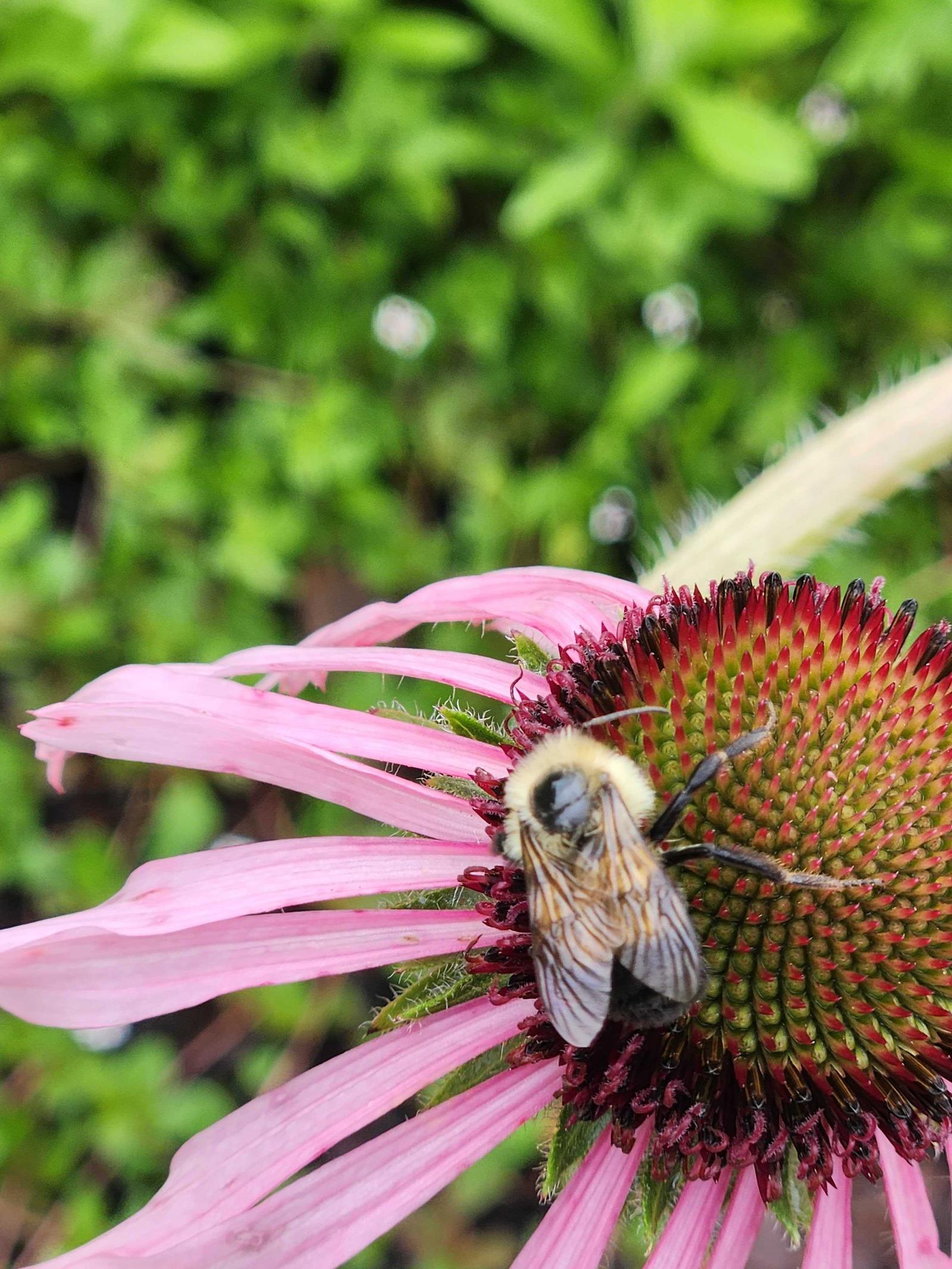
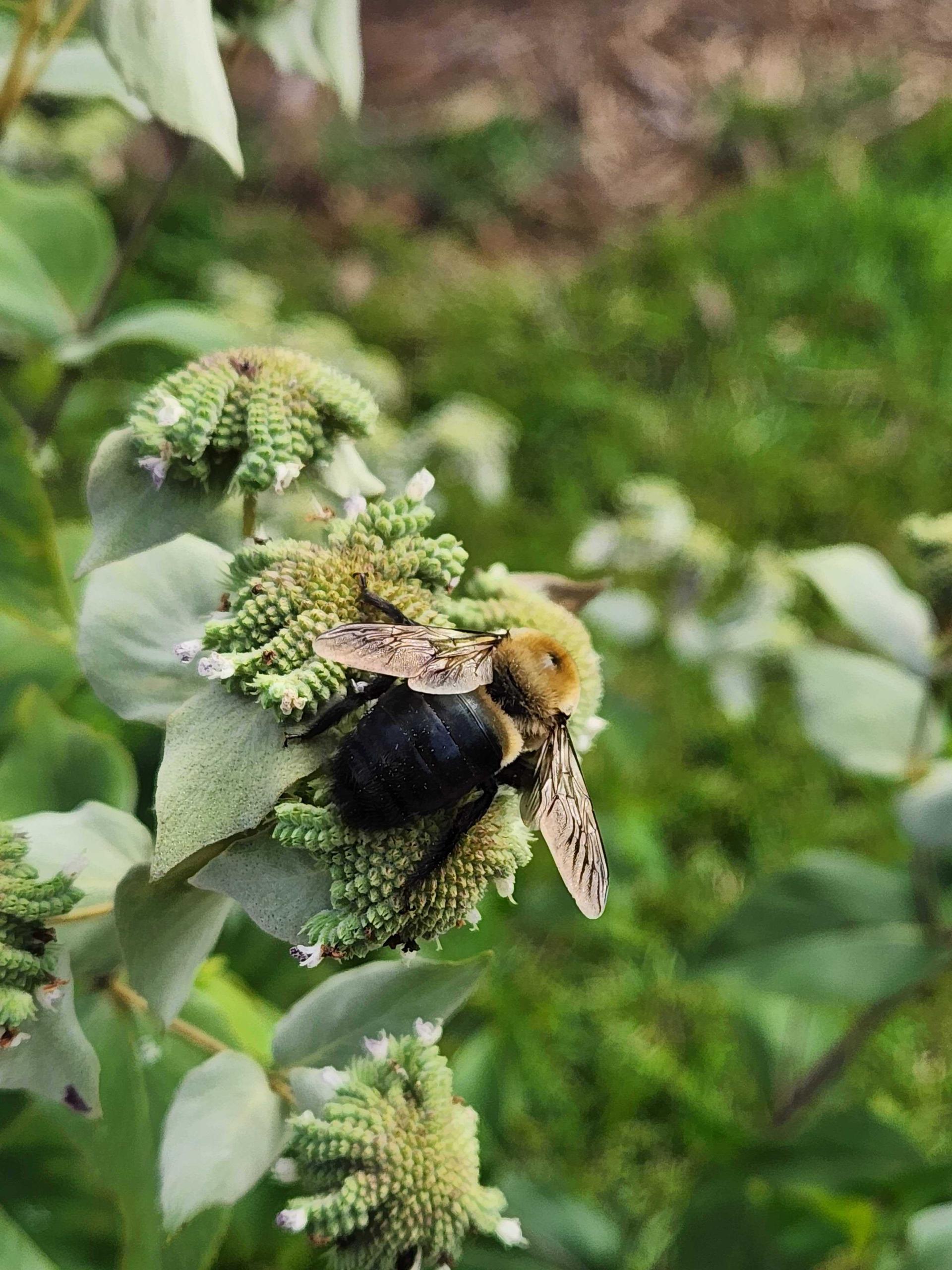
Both are large and black and yellow. A carpenter bee has a shiny, bald, black abdomen; a bumblebee's abdomen is fuzzy all over. Carpenter bees usually hover around eaves, decks and railings in spring, and males, which cannot sting, often dart at people. Females can sting but rarely do.
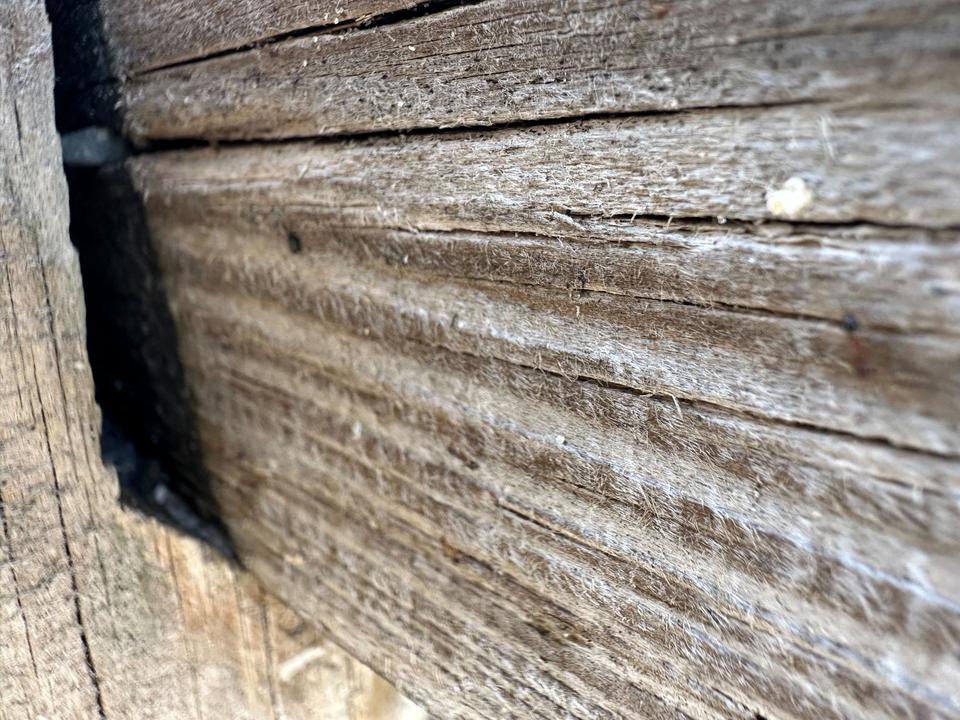
Into fascia boards, decks, railings, porch ceilings, eaves, siding and unpainted softwood. The holes are round, clean and about half an inch across, often with sawdust below and yellow staining around them. Round holes in wood are the sign.
Over time, yes. Each bee tunnels a gallery several inches along the grain to lay eggs, and bees often return to the same wood year after year, extending the tunnels. Carpenter bees are one of the wood destroying insects covered by the Official Alabama Wood Infestation Report for VA and FHA home sales, which the page on WDI reports for home sales explains.
Three steps: void injection into the gallery, then sealing the hole, then a repellent paint or coating on the wood. Carpenter bee treatment covers each step, and why the hole is sealed only after treatment.
Because they prefer bare, unpainted or weathered wood and return to old galleries. Open holes can invite them back, and so does wood that has lost its paint or stain. Sealing and coating is what makes the wood less attractive.
Usually in spring, when they emerge, mate and start drilling. That is when the holes appear and the hovering bees are most noticeable, and buzzing from inside a board is one sign they are tunneling. The bees and wasps guide covers the other bees and wasps around a house. Alabama Professional Services has been family-owned since 1977, and its technicians are licensed by the Alabama Department of Agriculture and Industries' Pesticide Management Division. Schedule your free inspection.
After inspecting your property, we recommend treatment methods based on the pests present and the conditions we find.
Wasp and hornet nests reach full size in summer, so the preventive step comes early: a perimeter treatment at the eaves in early spring, before the queens start building, which is included in quarterly plans.
Each card below is a sign our technicians look for during a free inspection. Open one to read what it can mean and what we do about it.
Our specialists evaluate the underlying cause before recommending any work. Inspections are at no cost and there's no obligation to proceed.
Now in its third generation, APS continues the family owned tradition that began in 1977.
If a covered pest problem returns between scheduled quarterly treatments, we'll come back at no additional charge.
You get a clear estimate before any work starts, with no obligation to go ahead.
Pick the symptom that best fits. We'll tell you what it can mean and where to go next.
Don't see your question here? Our team is happy to help. Reach out anytime.
Treating the bees without sealing the holes and coating the wood leaves open galleries and bare wood that draw carpenter bees back next spring.
Each service starts with a free inspection, so the treatment fits what we find.
Scorpions are handled at your home's perimeter, the same way we treat other crawling pests that wander in, starting with a free inspection.
Learn more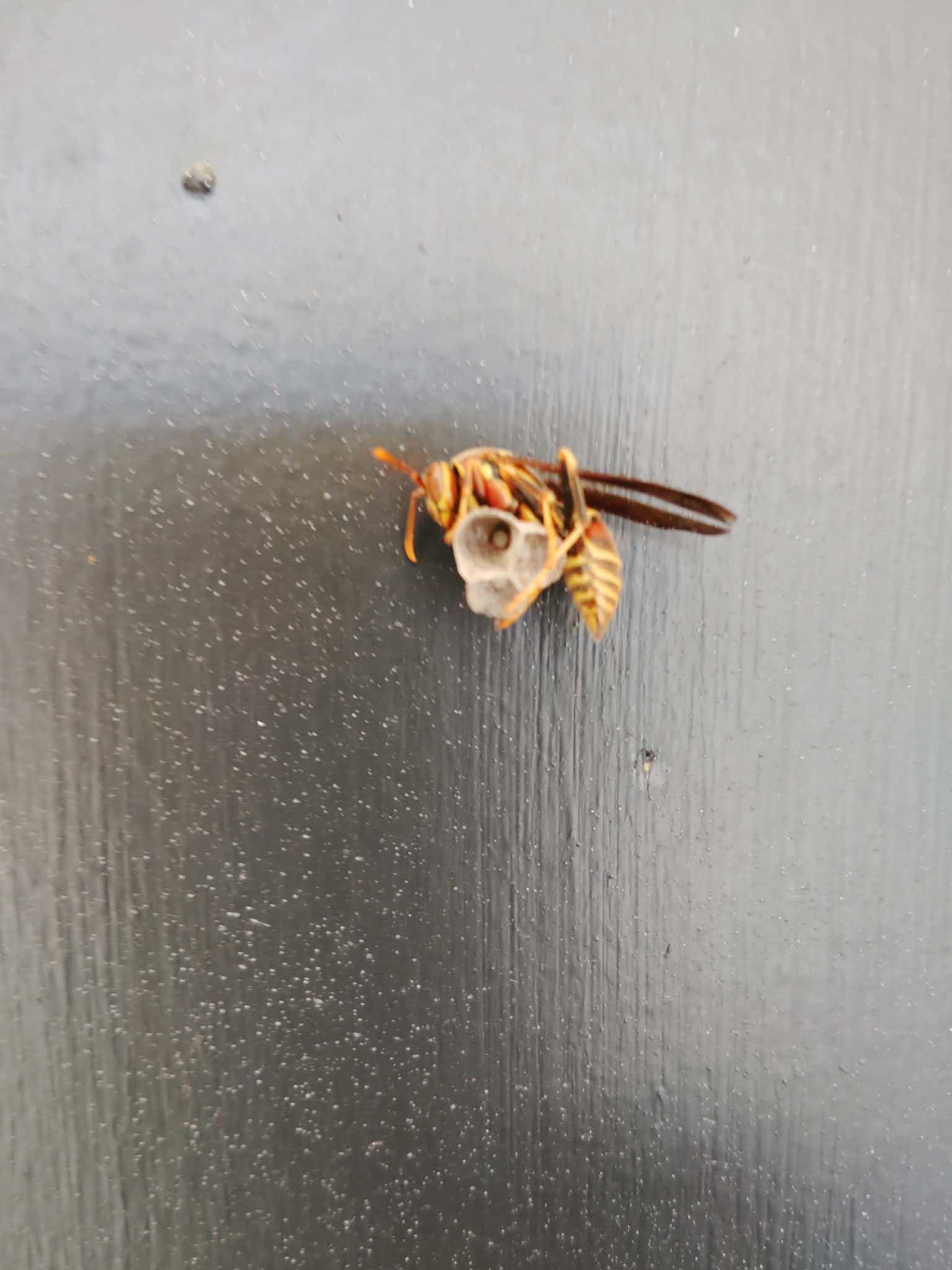
We treat and remove paper wasp, hornet and yellow jacket nests, and treat eaves in early spring before queens start building.
Learn moreHow to recognize each one and what it means for your home.
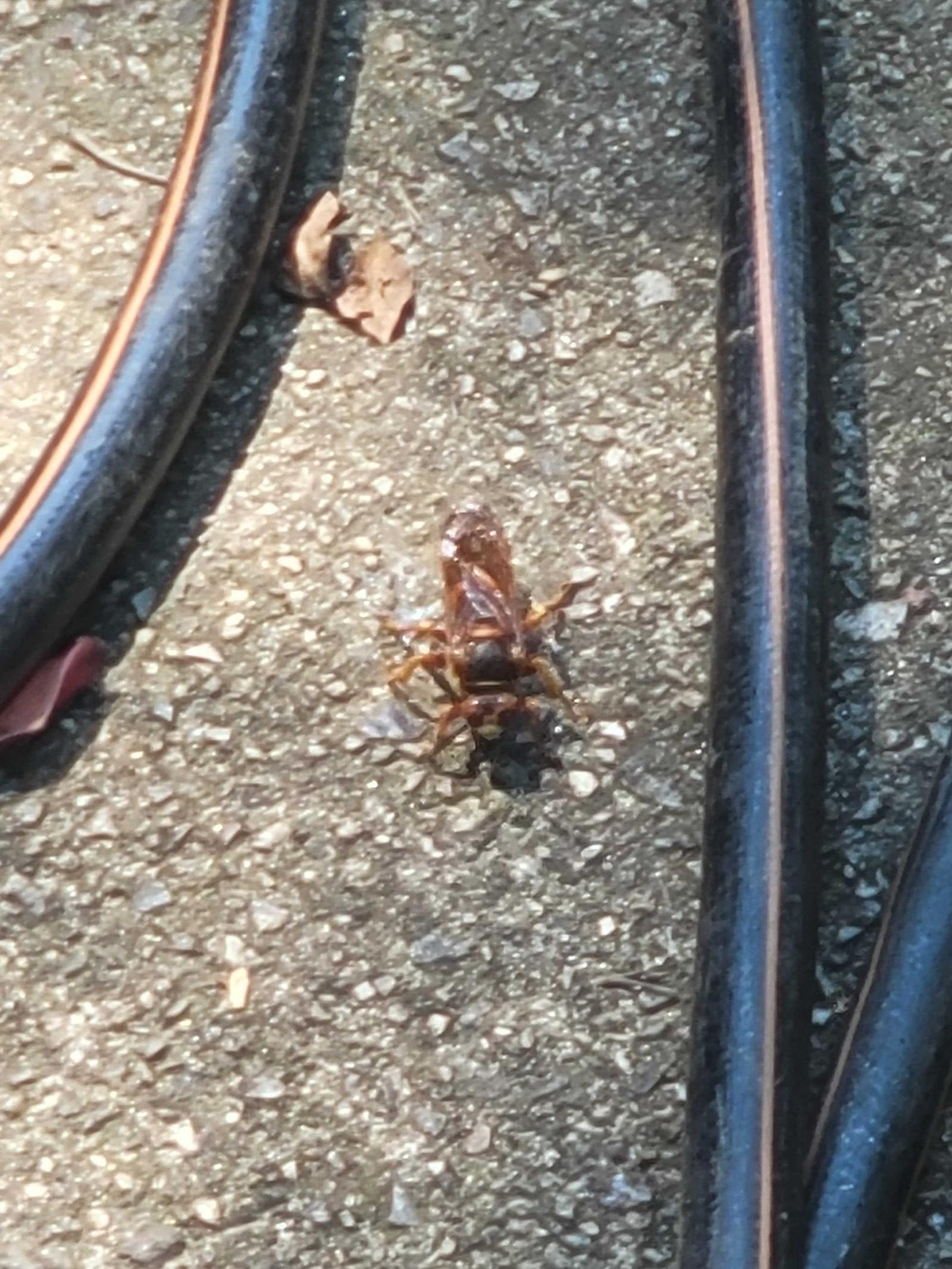
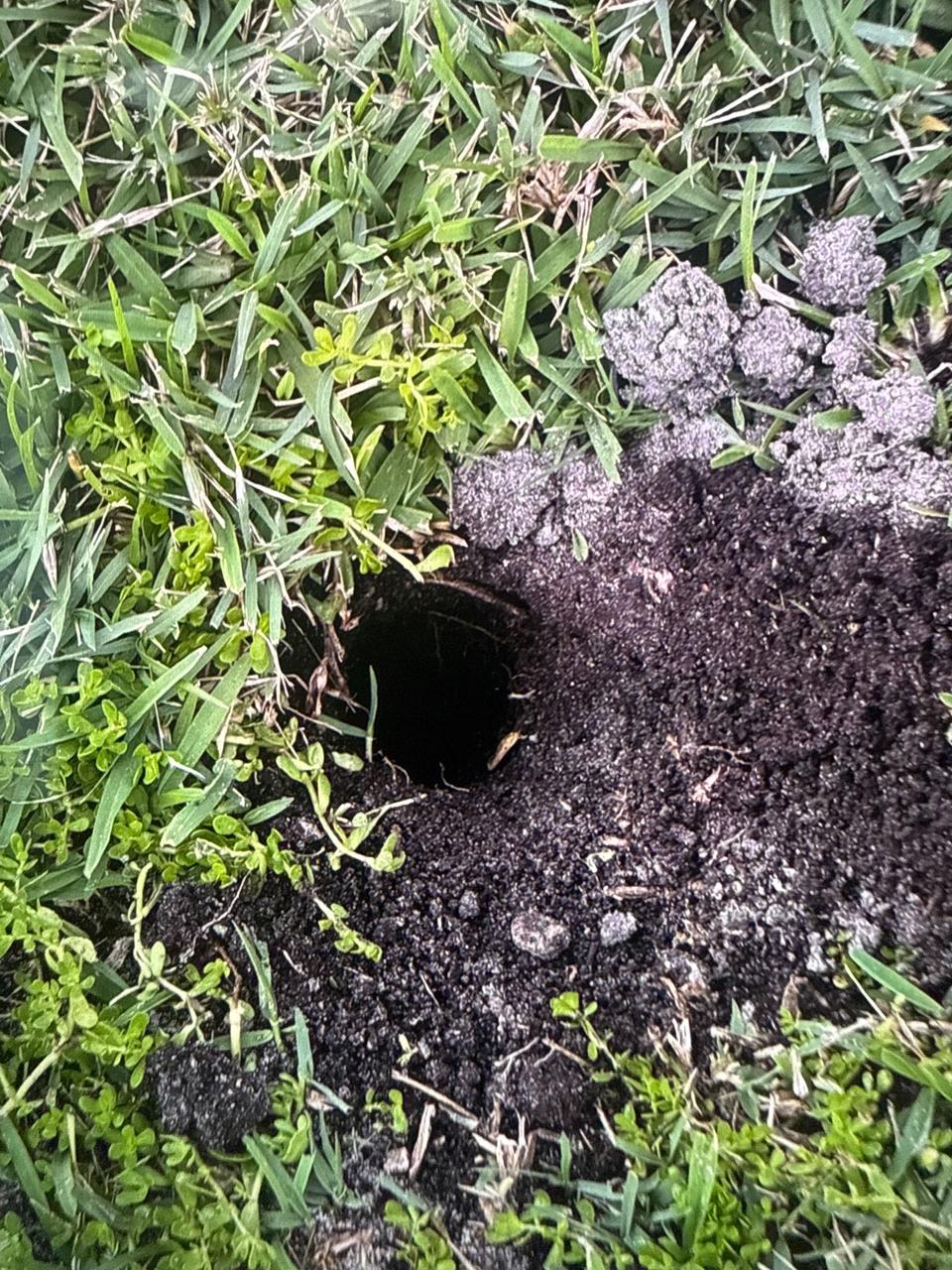
Cicada killers are huge solitary wasps that dig burrows in lawns in summer. They look alarming but rarely sting.
Learn more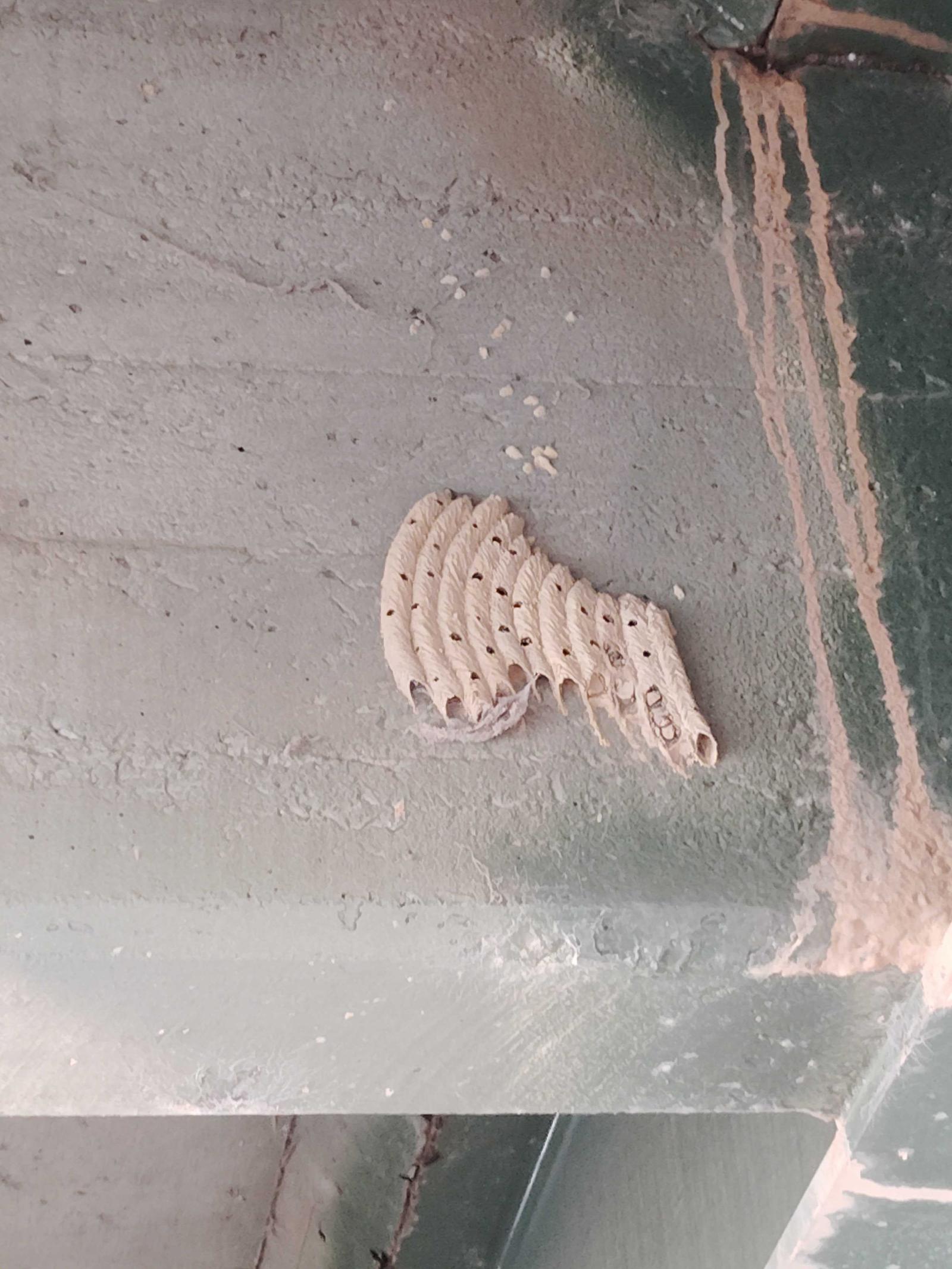
Mud daubers are solitary wasps that build tube shaped mud nests under eaves and in sheltered corners. They rarely sting, but the nests are unsightly.
Learn moreAnswers to common questions, from identification to prevention.
One office in Irondale. Technicians across the state.
A straightforward path from the first inspection to lasting protection.
Carpenter bees are confirmed and told apart from bumblebees.
Holes in fascia, decks, railings and eaves are located.
Treatment goes into each gallery by void injection.
The holes are sealed and a repellent paint or coating is applied to the wood.
From the Irondale office to any address in Alabama.
Practical articles from the Alabama Professional Services team, written for Alabama homeowners.
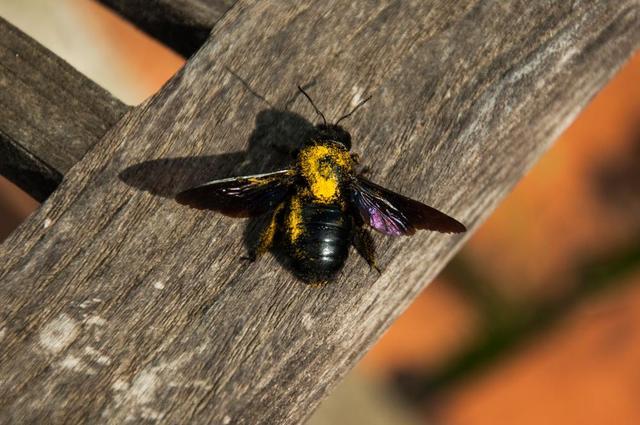 Stinging Insect Control
Carpenter bees bore into wood around Alabama homes and can lead to costly repairs. Learn how Alabama Professional Services treats them.
A technician inspects the property, walks you through what we find, and explains the treatment we recommend, with a clear estimate before any work starts. The inspection is free.