

When Is This Not the Right Fix?
White footed ants take sustained effort because of their numbers, and a colony spread across a neighbor's landscaping can keep sending foragers. Recurring service is what keeps them down.
White footed ants live in huge numbers outside and forage inside. Alabama Professional Services treats the colony behind the trail.
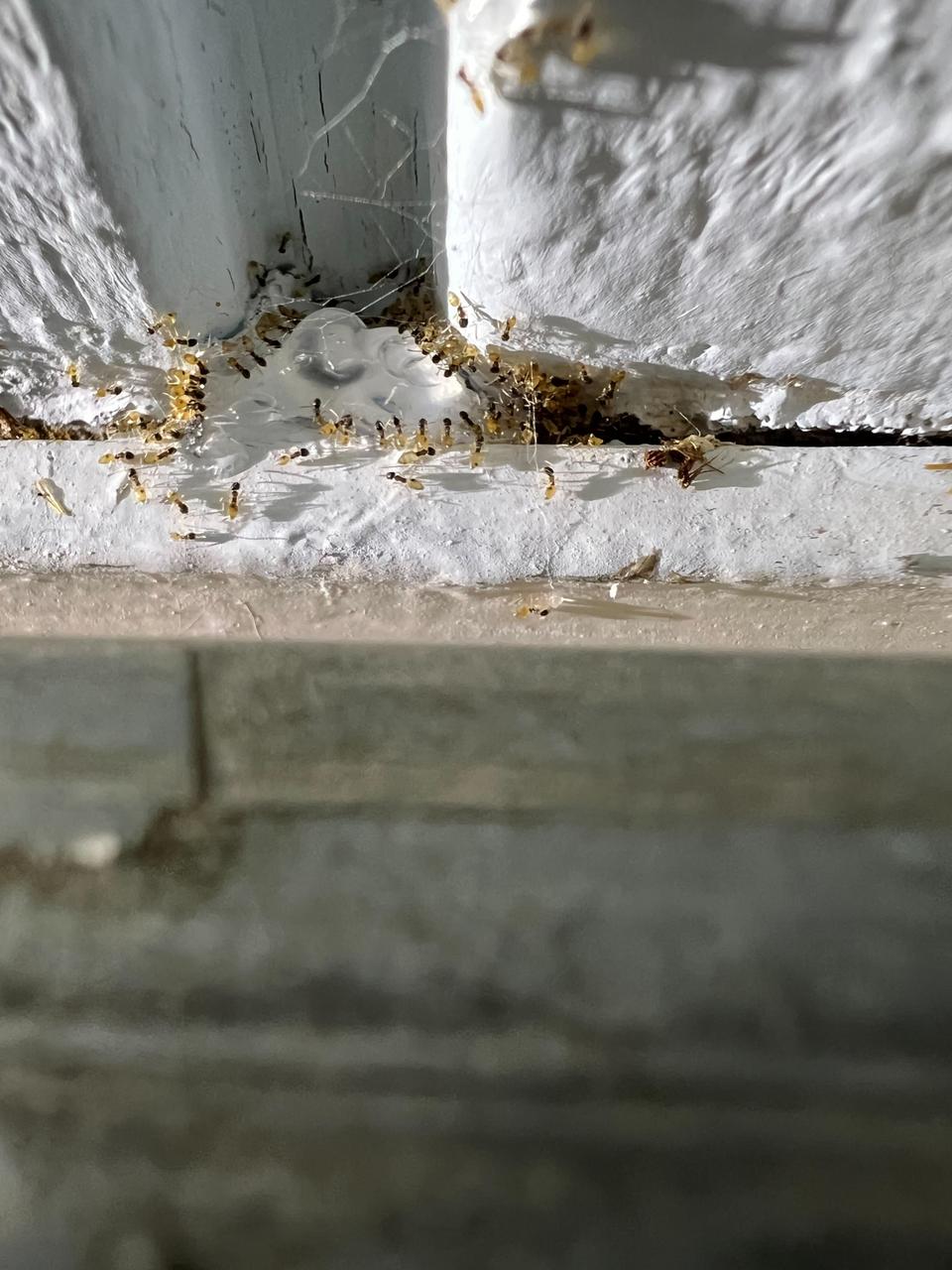
White footed ants are small black ants with pale, yellowish feet. They build very large colonies spread across many nests, usually outdoors in trees, shrubs and landscaping, and forage into homes along branches, utility lines and gaps.
A local specialist will inspect your home, walk you through the findings, and send a clear estimate. No cost, no pressure.
How the Price Is Set
The inspection is free. Treatment is quoted after it, because the species and where the colony is living set the scope.
In Depth
White footed ants are small black ants with pale, yellowish feet. They build very large colonies spread across many nests, usually outdoors in trees, shrubs and landscaping, and forage into homes along branches, utility lines and gaps.
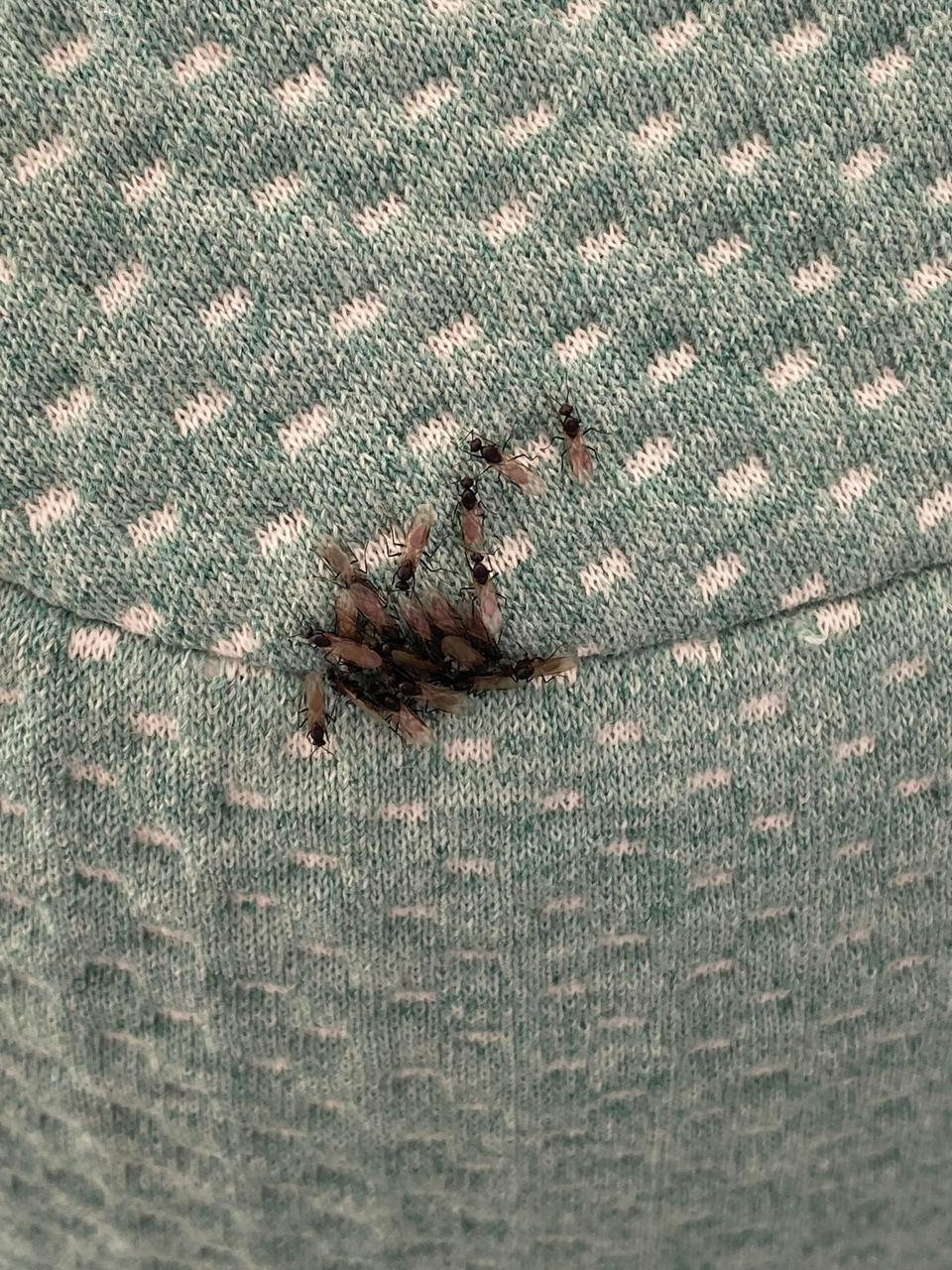
Small and black to dark brown, with pale, yellowish white tarsi, the feet, which give them their name. They move in steady trails and do not sting.
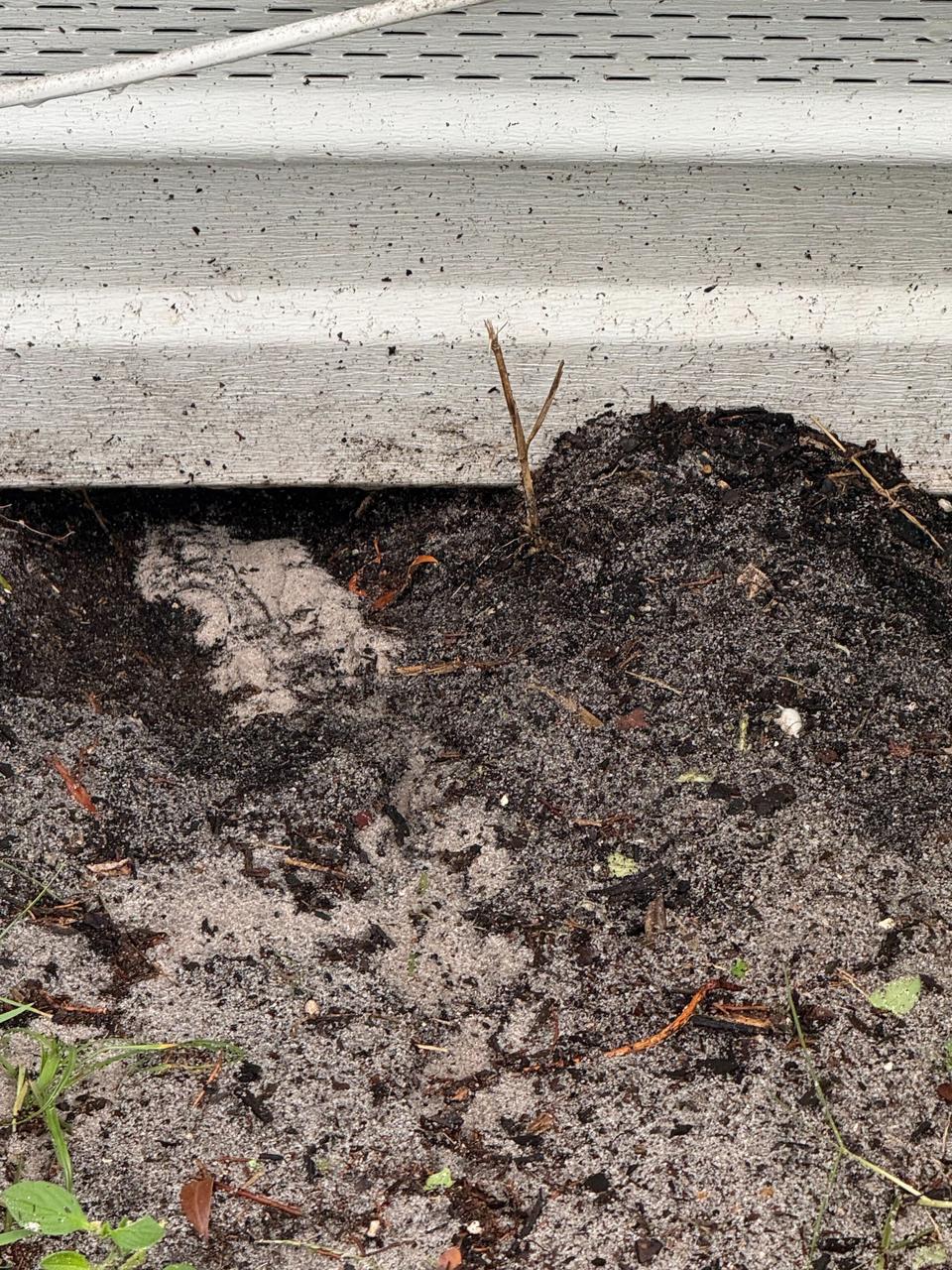
Mostly outdoors: in trees and shrubs, under leaf litter and mulch, in palm fronds and in wall voids and attics near where branches touch the house. A single colony can occupy many nesting sites.
Because a white footed ant colony is spread across many nests with very large numbers, and the ants inside are a small part of it. Ants trailing indoors from a tree line are one of the signs of an ant infestation worth tracing back. Their colonies also grow by budding, so disturbing them can spread them further.
With baits placed along their foraging routes, which workers carry back and share, and with the conditions that let them reach the house dealt with: branches trimmed back and gaps sealed. Spraying makes it worse. Most over the counter ant sprays are repellent: they kill what they contact but signal the colony to relocate, and for budding species a single spray can fragment one colony into several.
White footed ants forage along branches, vines and utility lines, and a tree or shrub touching the house is a direct route into the attic and wall voids. Many nests in the colony sit outdoors in that landscaping, which is why trimming vegetation back from the roof line and siding is part of the treatment itself.
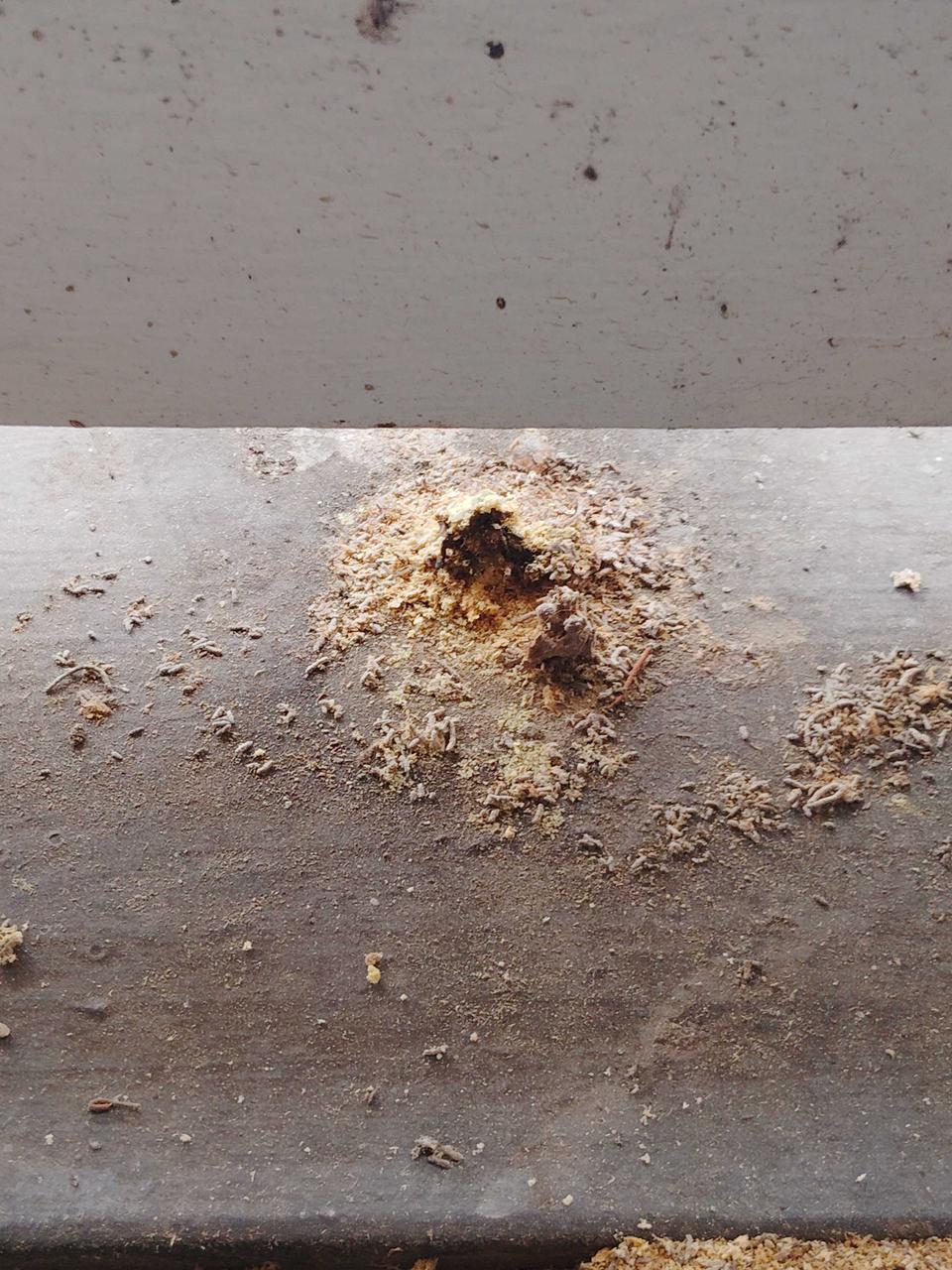
The pale feet are the giveaway. Large black ants trailing indoors are more likely carpenter ants, which nest in damp wood, and fast, erratic black ants are more likely crazy ants. Each is treated differently, so the identification comes first.
Keep food sealed, fix leaks, trim branches and shrubs back from the house and seal gaps where lines enter. Quarterly pest control keeps the house under recurring service, and for customers on an active quarterly plan: "If a covered pest problem returns between scheduled quarterly treatments, we'll come back at no additional charge." Schedule your free inspection and a technician will identify the ant before recommending anything.
After inspecting your property, we recommend treatment methods based on the pests present and the conditions we find.
After we identify the ant, we place slow acting bait along its trails so workers carry it back to the nest. Bait is the only method used on pharaoh ants.
We treat the colony and seal the gaps ants use around utility lines, doors, windows and the foundation, so the way in is closed too.
Carpenter, fire and Argentine ants all emerge in spring. Fire ants respond best between March and November, while the soil sits between 60 and 95 degrees, using a mound drench for fast results and a broadcast bait that reaches the satellite colonies. Pharaoh ants, ghost ants and other budding species are never sprayed, because a sprayed colony splits and multiplies; they get non repellent baits only.
Each card below is a sign our technicians look for during a free inspection. Open one to read what it can mean and what we do about it.
Our specialists evaluate the underlying cause before recommending any work. Inspections are at no cost and there's no obligation to proceed.
Fire ants, carpenter ants and small indoor ants each need a different treatment, so every plan starts by identifying the species.
For pharaoh ants, ghost ants and other species that form new colonies when disturbed, we use non repellent baits instead of sprays.
If a covered pest problem returns between scheduled quarterly treatments, we'll come back at no additional charge.
You get a clear estimate before any work starts, with no obligation to go ahead.
Pick the symptom that best fits. We'll tell you what it can mean and where to go next.
Don't see your question here? Our team is happy to help. Reach out anytime.
White footed ants take sustained effort because of their numbers, and a colony spread across a neighbor's landscaping can keep sending foragers. Recurring service is what keeps them down.
Each service starts with a free inspection, so the treatment fits what we find.
We drench the fire ant mounds you can see and spread bait for the colonies you cannot, treating the colony beneath the mound across your yard.
Learn more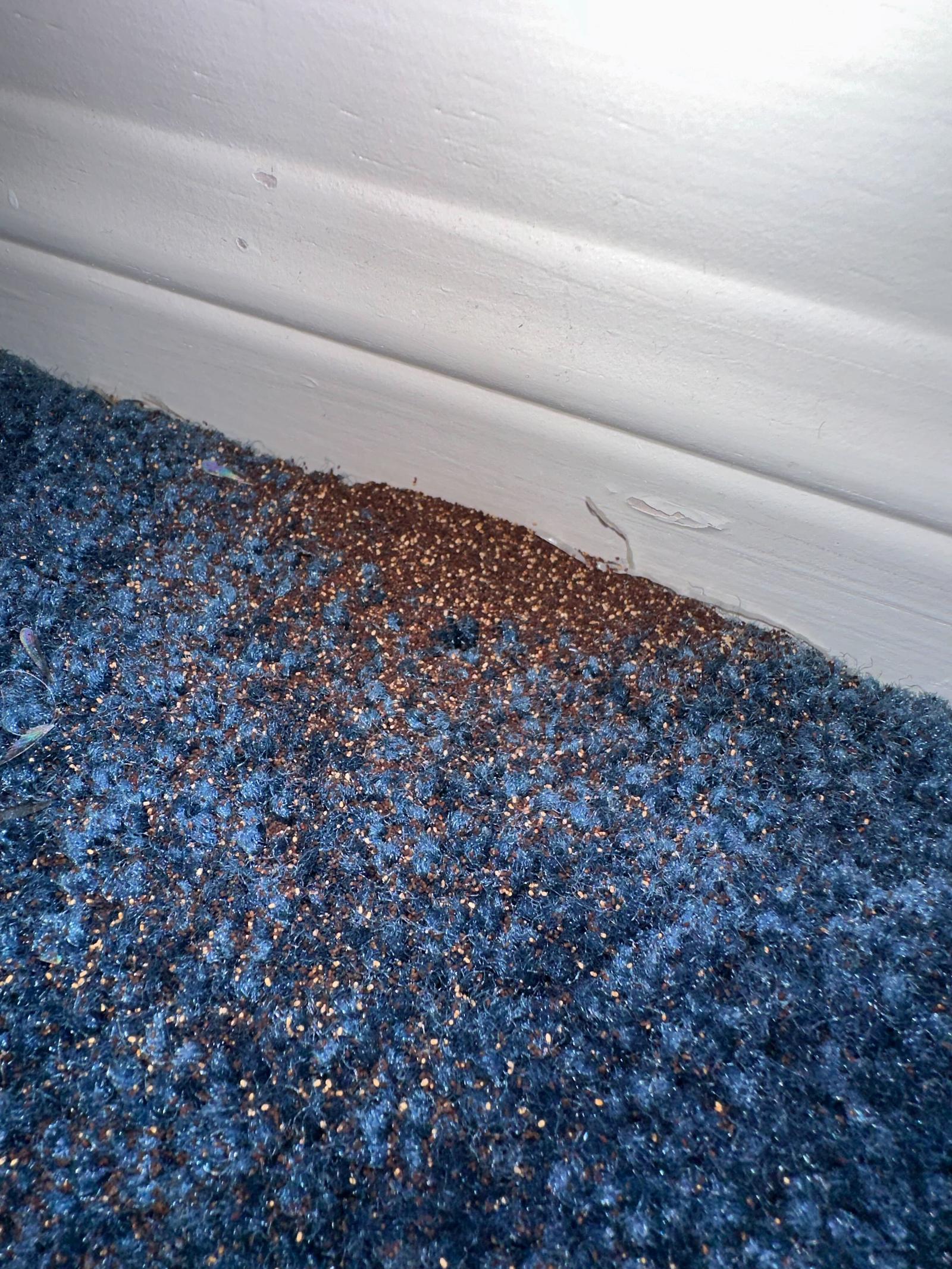
We find the carpenter ant nest and the moisture behind it, so you know where the ants are and why they chose that wood.
Learn moreHow to recognize each one and what it means for your home.
Sugar ants are odorous house ants. They trail to sweets, smell of rotten coconut when crushed and move indoors after rain.
Learn morePharaoh ants are the clearest case of spraying making things worse. They are a budding species: disturb a colony and it splits.
Learn moreCrazy ants are recognized by their movement before anything else: fast, jerky and without the neat lines most ants follow.
Learn moreAnswers to common questions, from identification to prevention.
One office in Irondale. Technicians across the state.
A straightforward path from the first inspection to lasting protection.
The ants are collected or photographed and identified, because the species decides whether bait, a non repellent treatment or something else is the right tool.
The technician follows the trails back toward where the colony is living, inside the walls, under the slab edge, in the yard or in landscaping.
Food, moisture and the gaps they are using to get inside are pointed out, because those are what bring ants back.
The treatment is chosen for the species and aimed at the colony, so the ants you see are not the only ones dealt with.
Gaps where ants come inside are noted so they can be sealed, which makes the next colony's job harder.
Quarterly pest control keeps the house under recurring service, with the retreatment guarantee for customers on an active quarterly plan.
From the Irondale office to any address in Alabama.
Practical articles from the Alabama Professional Services team, written for Alabama homeowners.
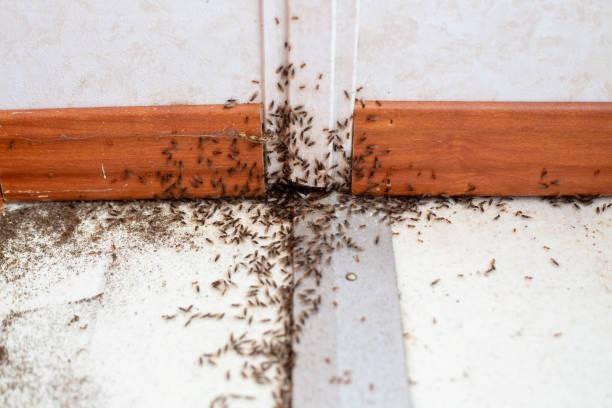 Ant Control
Discover the top four causes of ant infestation and how they can disrupt your home.
A technician inspects the property, walks you through what we find, and explains the treatment we recommend, with a clear estimate before any work starts. The inspection is free.