Ant · Since 1977

Crazy Ants: Fast, Erratic Ants That Gather in Large Numbers

Crazy ants get their name from the way they run. Alabama Professional Services identifies them and treats the colony behind the ants you can see.

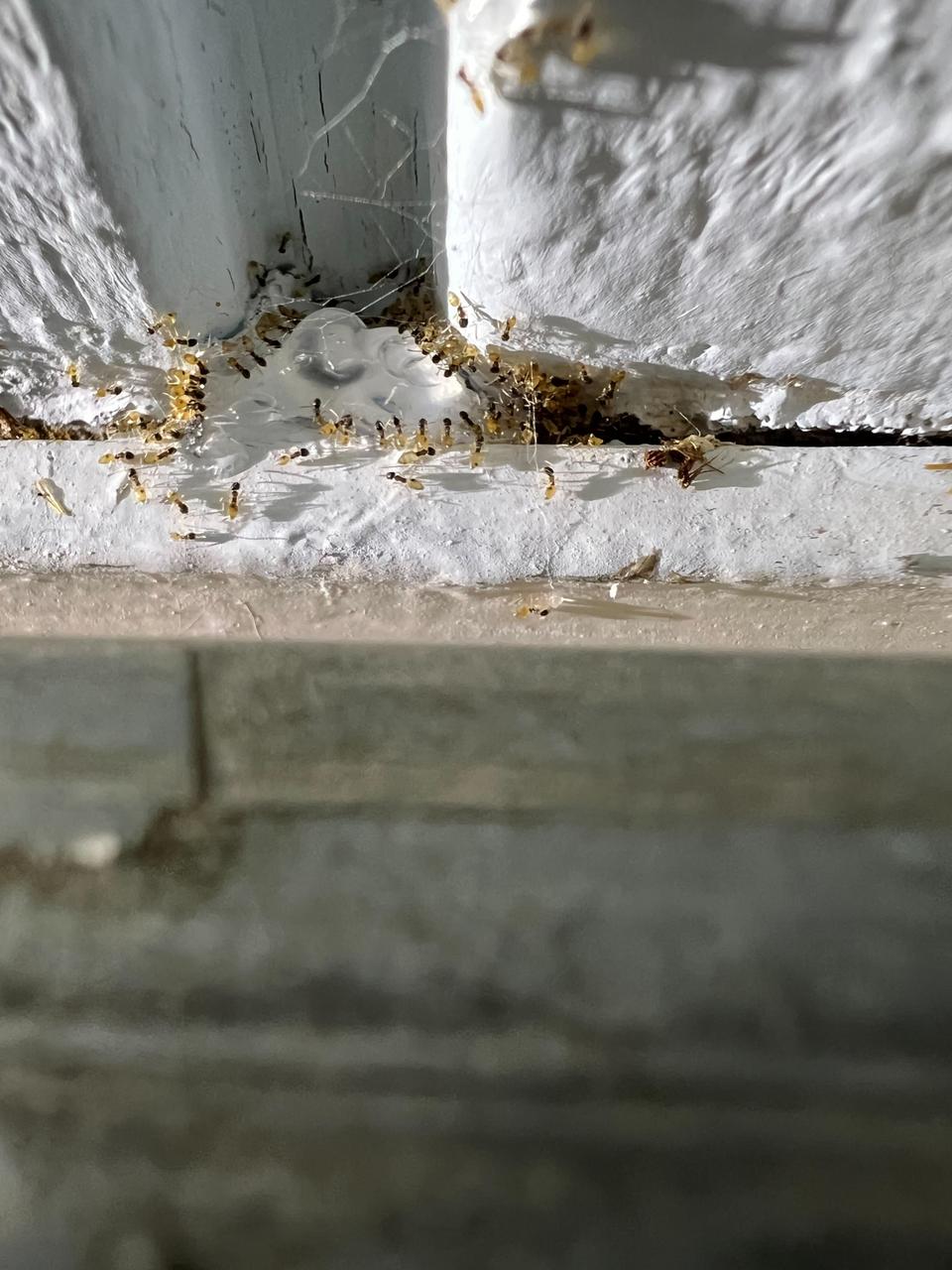
Crazy ants are small, dark ants named for the way they move: fast, jerky and seemingly random, instead of the orderly trails most ants follow. They can gather in very large numbers and are more of a nuisance than a structural pest, but some species will nest in and around electrical equipment.

Alabama

Let's Take the First Step Toward a Healthy Home

A local specialist will inspect your home, walk you through the findings, and send a clear estimate. No cost, no pressure.

BBB Accredited A+
Fully Insured

How the Price Is Set

The inspection is free. Treatment is quoted after it, because the species and where the colony is living set the scope.

In Depth

What Does the Full Guide Cover?

Read the Full Guide Hide the Full Guide

Crazy ants are small, dark ants named for the way they move: fast, jerky and seemingly random, instead of the orderly trails most ants follow. They can gather in very large numbers and are more of a nuisance than a structural pest, but some species will nest in and around electrical equipment.

CH 01

How Do You Identify Crazy Ants?

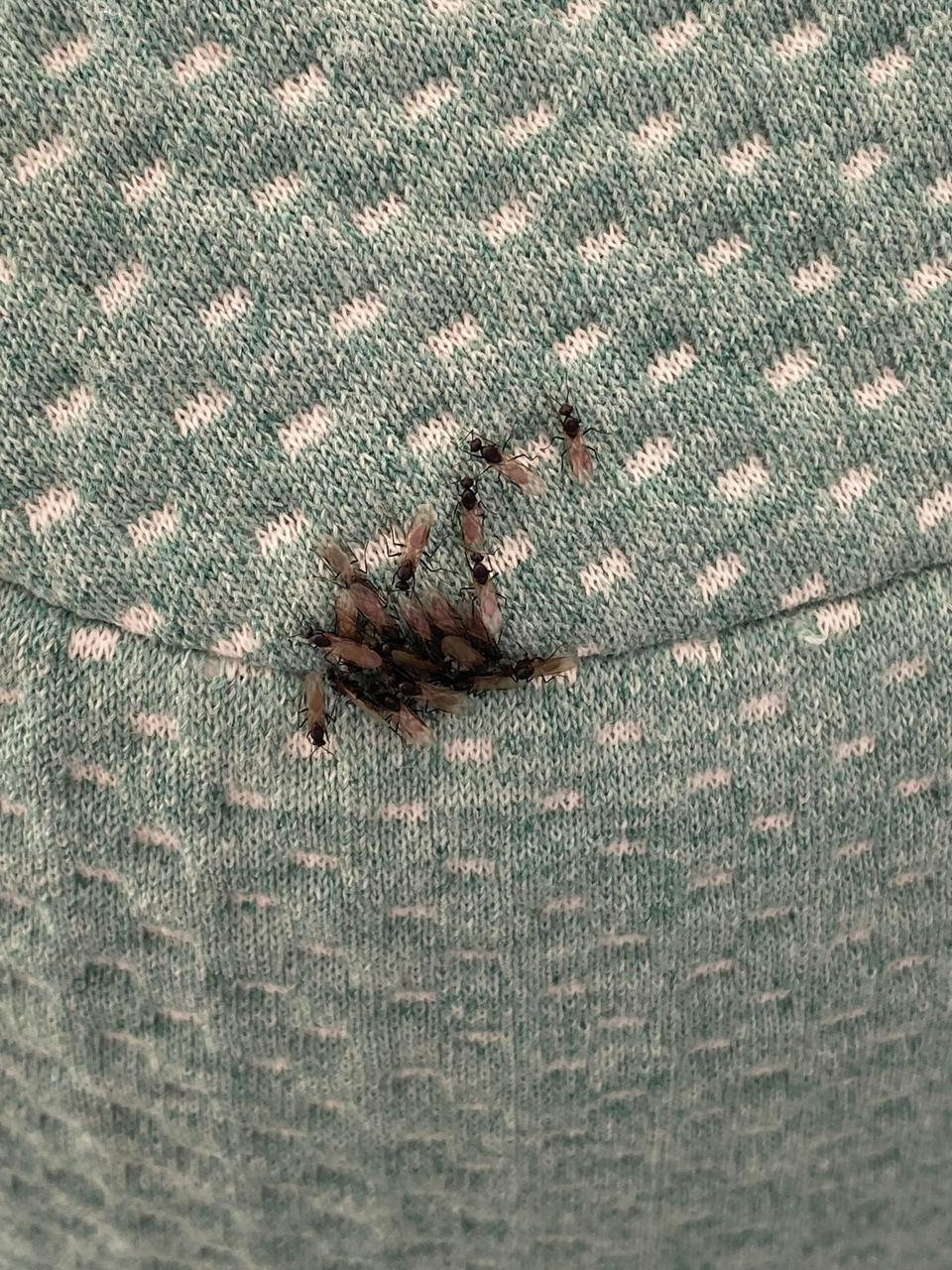
Look at the movement first. Crazy ants run erratically and change direction constantly, and they have long legs and long antennae for their size. They are usually dark brown to black.

CH 02

Where Do Crazy Ants Nest?

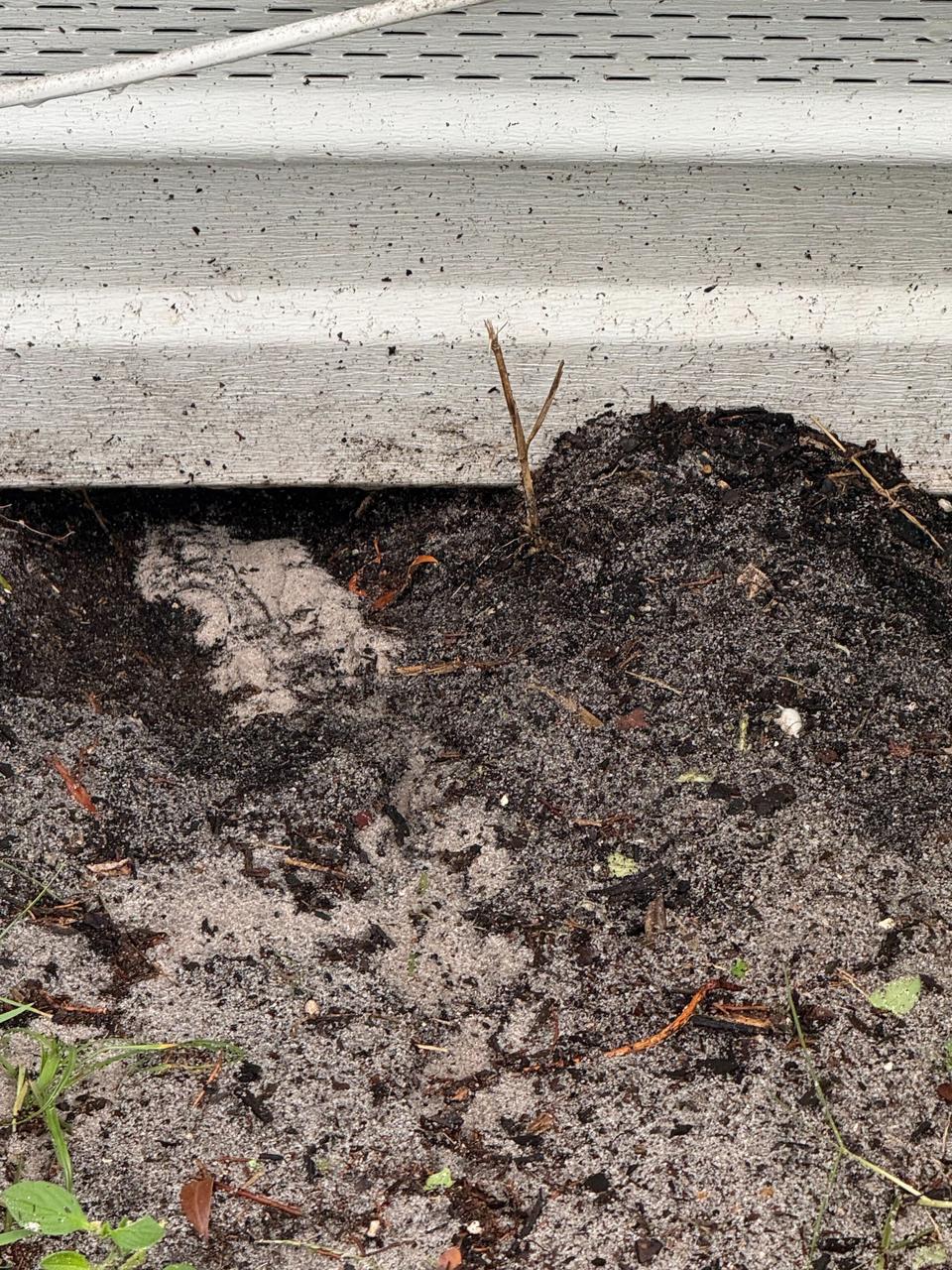
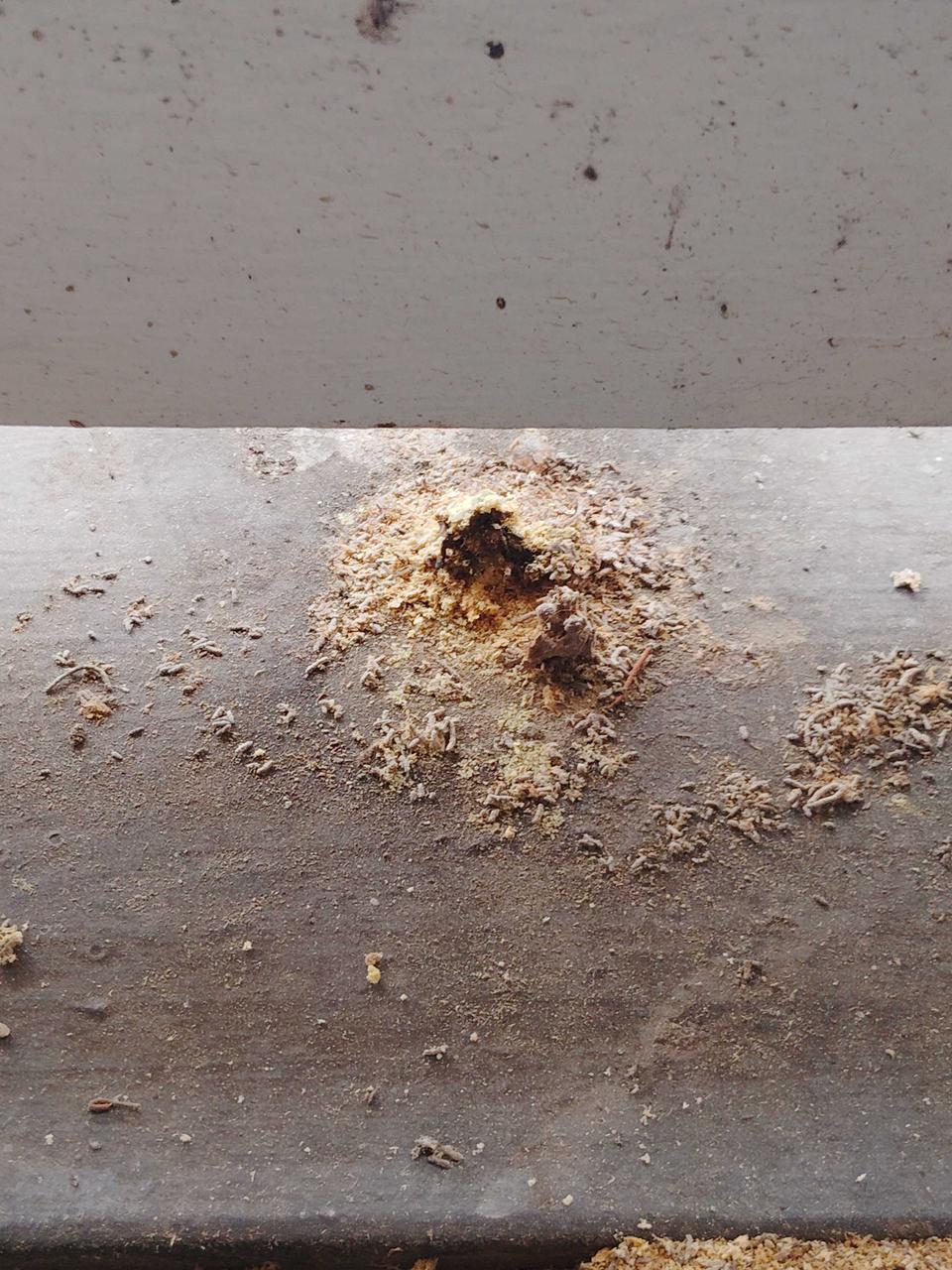
Outdoors, in soil under stones, mulch, leaf litter and debris near the house. Indoors, in wall voids, under flooring and sometimes in electrical boxes and equipment, which is why a colony near an outlet, a switch plate or an outdoor unit is worth having looked at.

CH 03

Why Do Crazy Ants Keep Coming Back?

Because what you can see is a fraction of the colony, and crazy ants often have several queens. Treating the ants on the counter or the patio leaves the nest untouched.

CH 04

How Are Crazy Ants Treated?

The colony is found and treated with a method chosen for the species, usually a bait that foraging workers carry back, alongside treatment of the nesting areas and the entry points around the house. Spraying makes it worse. Most over the counter ant sprays are repellent: they kill what they contact but signal the colony to relocate, and for budding species a single spray can fragment one colony into several.

CH 05

Why Do Crazy Ants Gather in Such Large Numbers?

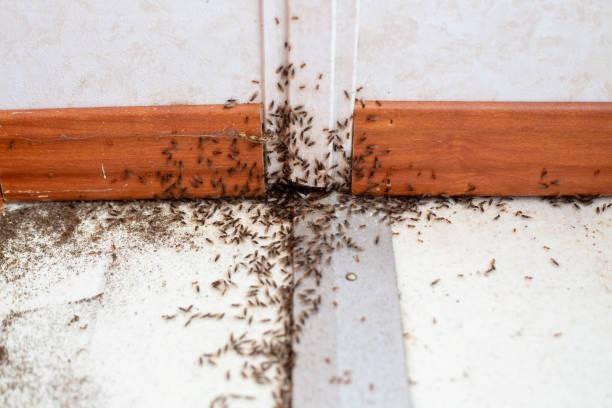
Crazy ant colonies can have several queens and many workers, and they forage widely, so a household can go from a few ants to a great many quickly. Their erratic movement makes them look even more numerous than they are. Because they are drawn to sweets, protein and moisture, kitchens and the areas around outdoor units and pipes are common places to find them. Large numbers indoors are one of the warning signs of an ant problem worth an inspection.

CH 06

How Are Crazy Ants Different From Other Ants?

Most ants follow neat, orderly trails. Crazy ants do not, which is the easiest way to tell them apart from Argentine ants or sugar ants trailing along a counter. They also do not build the mounds fire ants do.

CH 07

How Do You Keep Crazy Ants From Coming Back?

Keep food sealed, fix leaks, trim branches and shrubs back from the house and seal gaps where lines enter. Quarterly pest control keeps the house under recurring service, and for customers on an active quarterly plan: "If a covered pest problem returns between scheduled quarterly treatments, we'll come back at no additional charge." Schedule your free inspection and a technician will identify the ant before recommending anything.

Regional Context

When Do Alabama Ants Need Treating, and How?

Carpenter, fire and Argentine ants all emerge in spring. Fire ants respond best between March and November, while the soil sits between 60 and 95 degrees, using a mound drench for fast results and a broadcast bait that reaches the satellite colonies. Pharaoh ants, ghost ants and other budding species are never sprayed, because a sprayed colony splits and multiplies; they get non repellent baits only.

Why Choose Alabama Professional Services

What You Get From APS Ant Control

We Identify the Ant First

Fire ants, carpenter ants and small indoor ants each need a different treatment, so every plan starts by identifying the species.

Baits for Ants That Split Their Colonies

For pharaoh ants, ghost ants and other species that form new colonies when disturbed, we use non repellent baits instead of sprays.

The Quarterly Pest Control Guarantee

If a covered pest problem returns between scheduled quarterly treatments, we'll come back at no additional charge.

Start With a Free Inspection

You get a clear estimate before any work starts, with no obligation to go ahead.

Unsure What You're Dealing With?

Not Sure Which Service You Need?

Pick the symptom that best fits. We'll tell you what it can mean and where to go next.

Home Problem Finder
  1. Location
  2. Symptom
  3. History
  4. Your Result

Where Are You Noticing the Problem?

Select the area of your home that best fits.

Frequently Asked Questions

Answers to Common Questions About Crazy Ants

Don't see your question here? Our team is happy to help. Reach out anytime.

Because of how they move: fast, jerky and seemingly random. Most ants follow orderly trails, and crazy ants do not.

Scope

Is This the Right Fix for Your Home?

When Is This Not the Right Fix?

Identifying crazy ants by behavior is a good first clue but not a confirmation, and the right treatment depends on the species. A colony nesting inside electrical equipment may need an electrician's involvement, which the technician will say.

Service areas

Serving All of Alabama

One office in Irondale. Technicians across the state.

Top cities we serve
  • Huntsville, AL
  • Montgomery, AL
  • Hoover, AL
  • Birmingham, AL
  • Madison, AL
  • Vestavia Hills, AL
  • Alabaster, AL
  • Tuscaloosa, AL
  • Auburn, AL
Check Your Service Area
The Process

How We Approach Crazy Ants

A straightforward path from the first inspection to lasting protection.

Step 01

Identify the species

The ants are collected or photographed and identified, because the species decides whether bait, a non repellent treatment or something else is the right tool.

Step 02

Find the nest and the trails

The technician follows the trails back toward where the colony is living, inside the walls, under the slab edge, in the yard or in landscaping.

Step 03

Find what is drawing them in

Food, moisture and the gaps they are using to get inside are pointed out, because those are what bring ants back.

Step 04

Treat the colony behind the trail

The treatment is chosen for the species and aimed at the colony, so the ants you see are not the only ones dealt with.

Step 05

Seal and reduce entry points

Gaps where ants come inside are noted so they can be sealed, which makes the next colony's job harder.

Step 06

Keep it protected

Quarterly pest control keeps the house under recurring service, with the retreatment guarantee for customers on an active quarterly plan.

Customer Reviews
Free inspection

Tell Us What You Found

From the Irondale office to any address in Alabama.

What to expect
  • A local specialist contacts you to schedule a visit.
  • Your specialist inspects the problem and explains the findings.
  • You receive an estimate with no obligation to proceed.
Prefer to call
(205) 951-9717
Alabama

Get a Free Estimate

We'll call to schedule a convenient inspection time.

BBB Accredited A+
Fully Insured

Have Questions About Crazy Ants?

A technician inspects the property, walks you through what we find, and explains the treatment we recommend, with a clear estimate before any work starts. The inspection is free.