
When Is This Not the Right Fix?
Removing nests without treating the eaves or reducing the spiders nearby leaves mud daubers free to rebuild.
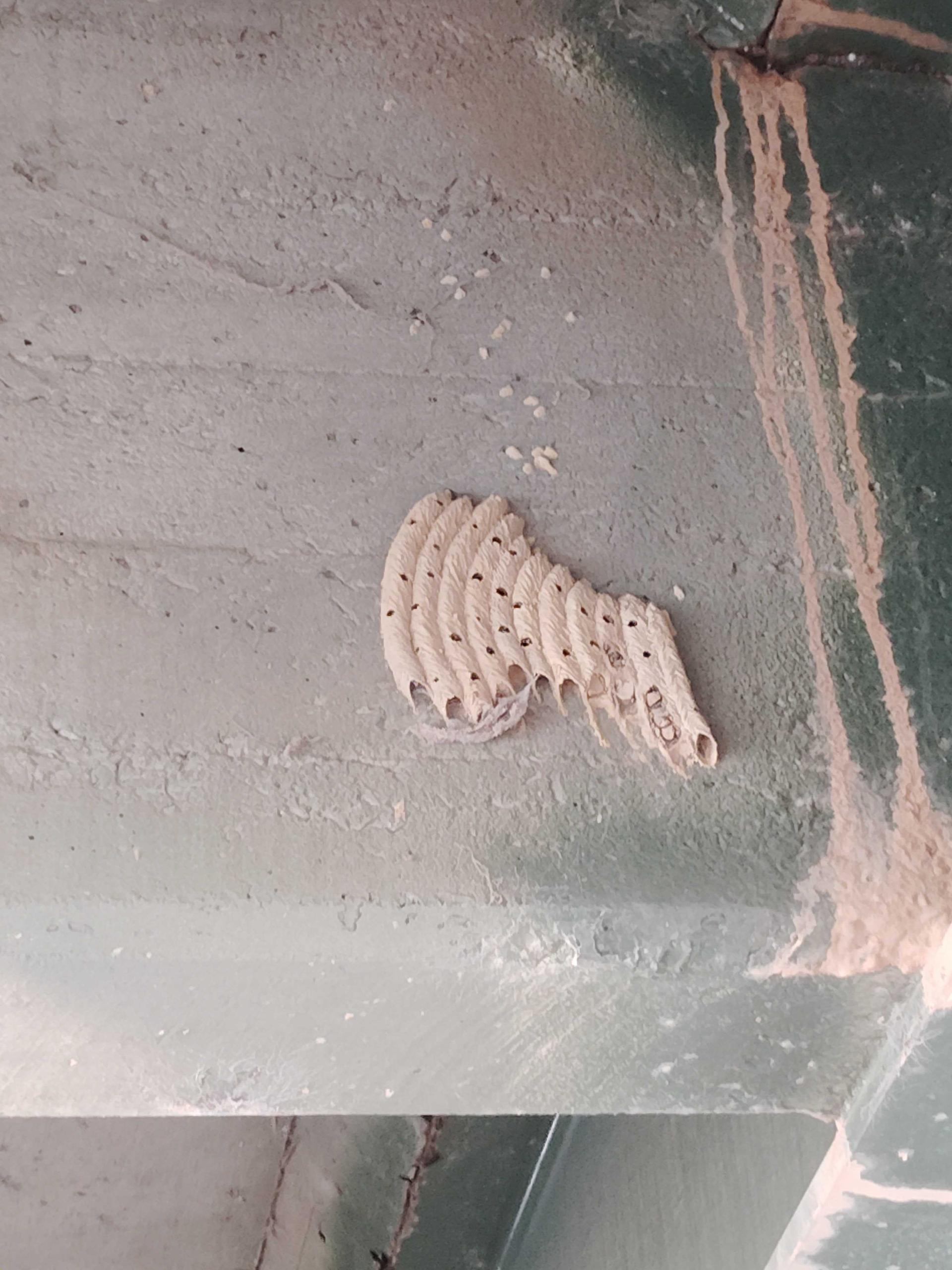
Mud dauber nests are removed and the eaves treated, starting with a free inspection.
Mud daubers are solitary wasps, known to entomologists as sphecid wasps, that build their nests out of mud: tubes and clumps stuck under eaves, on porch ceilings, in garages, sheds and attics. They are among the least aggressive wasps and rarely sting, so the problem is mostly the nests, and professional wasp control handles them with removal and prevention.
A local specialist will inspect your home, walk you through the findings, and send a clear estimate. No cost, no pressure.
How the Price Is Set
The inspection is free. Treatment is quoted after it, because the insect, where the nest is and how hard it is to reach set the scope.
In Depth
Mud daubers are solitary wasps, known to entomologists as sphecid wasps, that build their nests out of mud: tubes and clumps stuck under eaves, on porch ceilings, in garages, sheds and attics. They are among the least aggressive wasps and rarely sting, so the problem is mostly the nests, and professional wasp control handles them with removal and prevention.
Long, slender, black or metallic blue wasps, some with yellow markings, with a very thin, threadlike waist. They usually fly alone and are often seen collecting mud at puddles and damp soil.
Tubes of dried mud, often several side by side like organ pipes, or lumpy clumps of mud, stuck to walls, eaves, ceilings and the undersides of sheltered surfaces. Inside, each cell holds a spider the female has paralyzed as food for her young.
Rarely. They do not defend their nests the way paper wasps and yellow jackets do, and they seldom sting unless handled. They even hunt spiders, including black widow spiders.
Mostly appearance: mud tubes on siding, eaves and porches look untidy and can leave stains. Nests in garages, sheds and attics can build up over time, and old nests are sometimes taken over by other insects. Visible nests under eaves are the usual sign.
Nests are removed and the eaves are treated to discourage new building. Nest removal clears existing tubes. Because mud daubers need spiders to stock their nests, fewer spiders around the house can also mean fewer mud daubers.
Paper wasps build open paper nests and defend them; mud daubers build mud nests and rarely sting. The signs of wasp activity help tell which you have. Alabama Professional Services has been family-owned since 1977, and its technicians are licensed by the Alabama Department of Agriculture and Industries' Pesticide Management Division. Schedule your free inspection.
After inspecting your property, we recommend treatment methods based on the pests present and the conditions we find.
We treat and remove wasp, hornet, yellow jacket and mud dauber nests from eaves, porches, railings, shrubs and trees around your home.
In early spring, before queens start building, we treat eaves, soffits and porch ceilings to help prevent wasp nests, as part of quarterly plans.
Wasp and hornet nests reach full size in summer, so the preventive step comes early: a perimeter treatment at the eaves in early spring, before the queens start building, which is included in quarterly plans.
Each card below is a sign our technicians look for during a free inspection. Open one to read what it can mean and what we do about it.
Our specialists evaluate the underlying cause before recommending any work. Inspections are at no cost and there's no obligation to proceed.
Now in its third generation, APS continues the family owned tradition that began in 1977.
If a covered pest problem returns between scheduled quarterly treatments, we'll come back at no additional charge.
You get a clear estimate before any work starts, with no obligation to go ahead.
Pick the symptom that best fits. We'll tell you what it can mean and where to go next.
Don't see your question here? Our team is happy to help. Reach out anytime.
Removing nests without treating the eaves or reducing the spiders nearby leaves mud daubers free to rebuild.
Each service starts with a free inspection, so the treatment fits what we find.
Scorpions are handled at your home's perimeter, the same way we treat other crawling pests that wander in, starting with a free inspection.
Learn more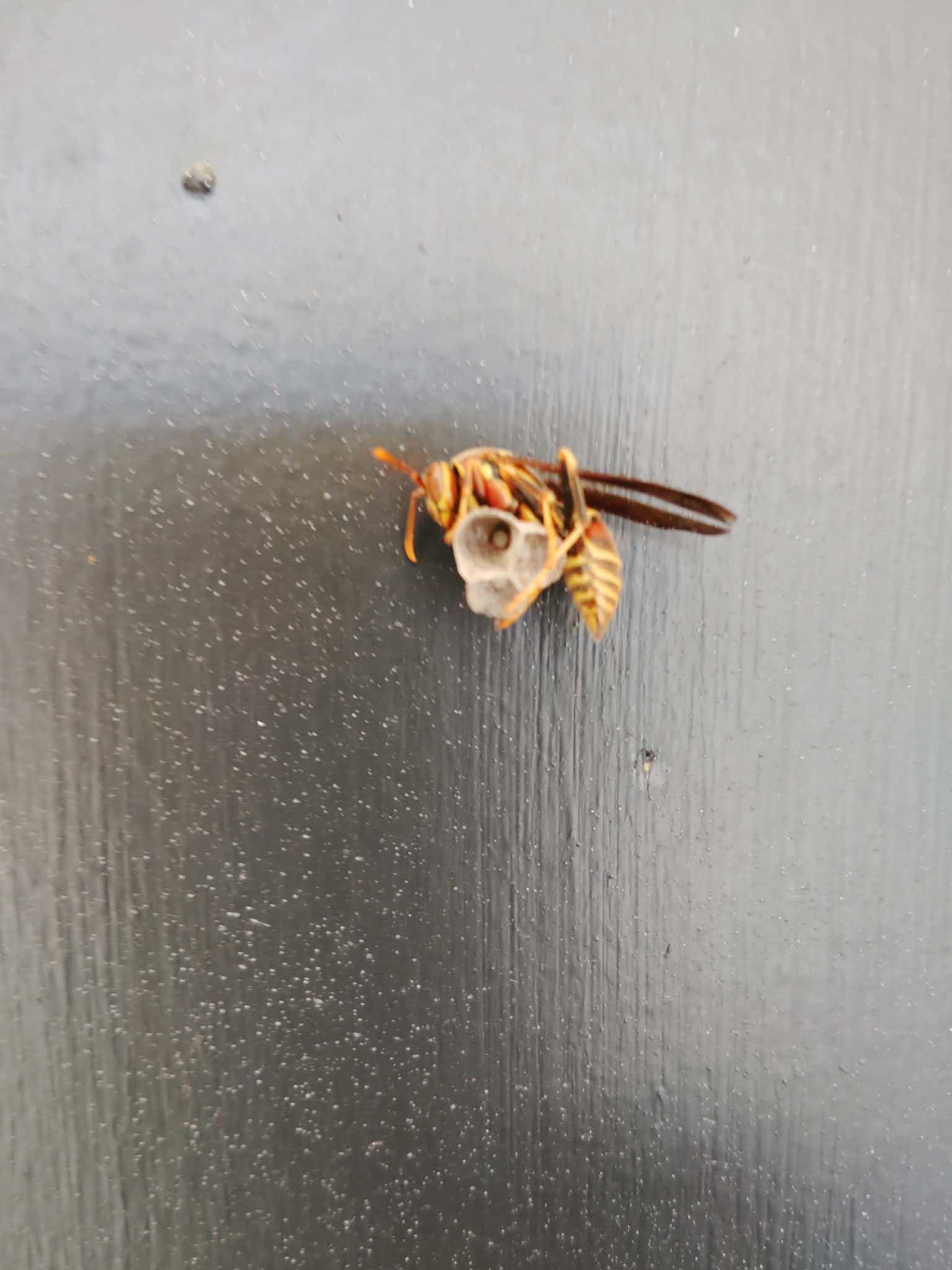
We treat and remove paper wasp, hornet and yellow jacket nests, and treat eaves in early spring before queens start building.
Learn moreHow to recognize each one and what it means for your home.
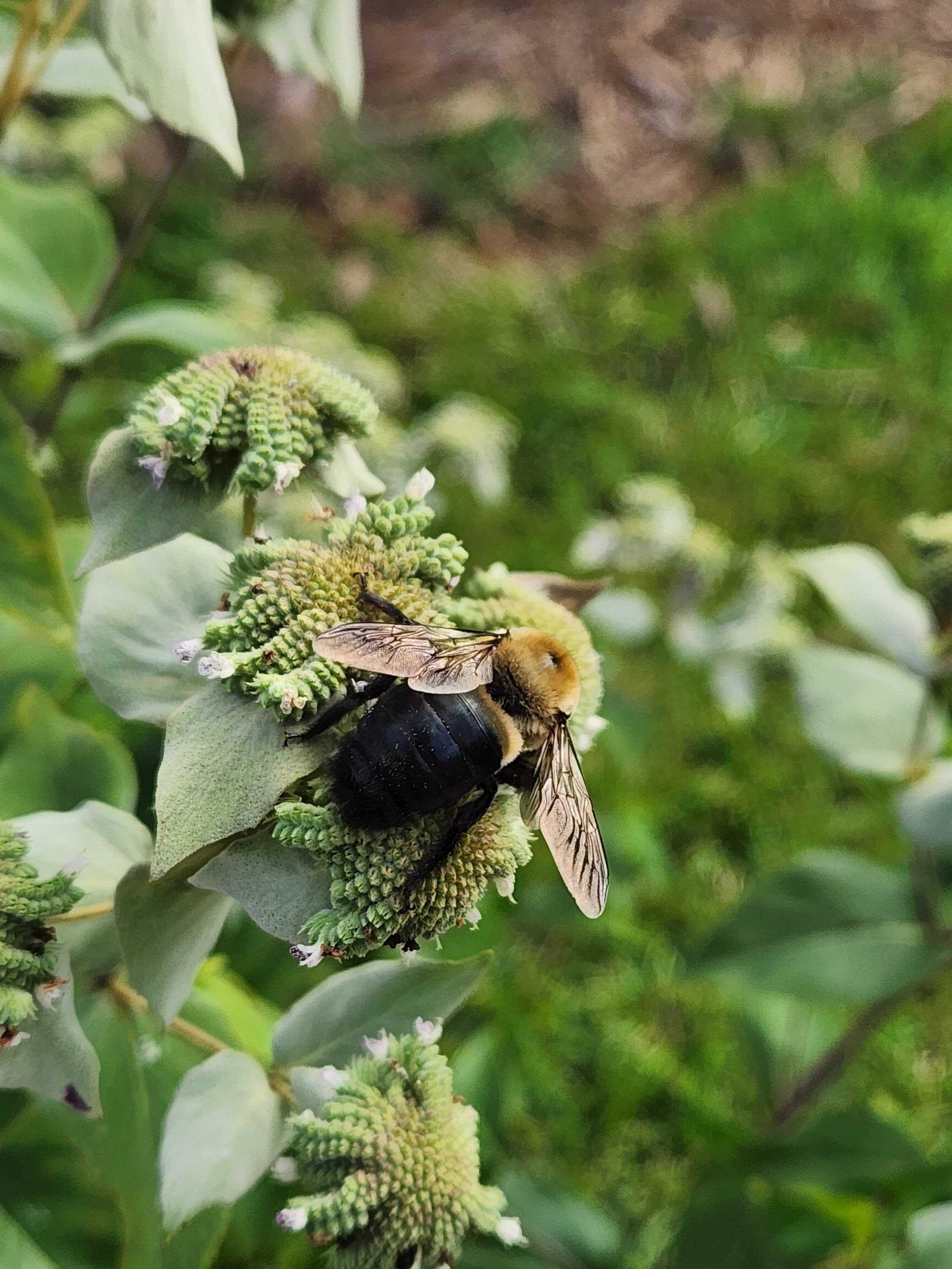
Carpenter bees drill nearly perfect half inch holes into fascia, decks and railings. They are treated with void injection, the hole is sealed and a repellent coating goes on.
Learn more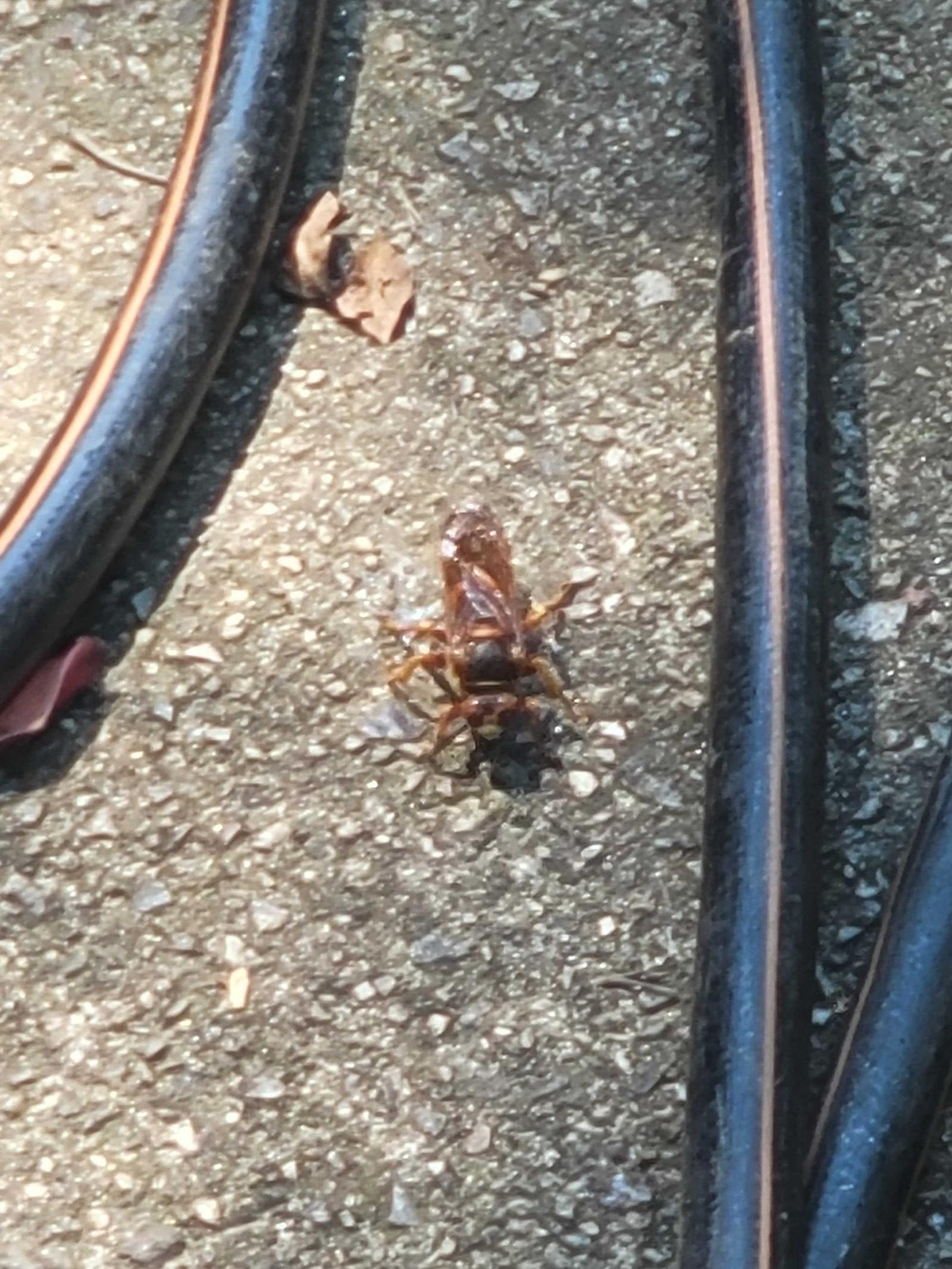
Cicada killers are huge solitary wasps that dig burrows in lawns in summer. They look alarming but rarely sting.
Learn moreAnswers to common questions, from identification to prevention.
One office in Irondale. Technicians across the state.
A straightforward path from the first inspection to lasting protection.
Mud daubers are confirmed and told apart from paper wasps and yellow jackets.
The nest is located, including nests inside walls, under eaves and in the ground.
Nests are removed and the eaves treated to discourage new building.
Eaves are treated in early spring, before queens start building, as part of quarterly plans.
From the Irondale office to any address in Alabama.
Practical articles from the Alabama Professional Services team, written for Alabama homeowners.
 Stinging Insect Control
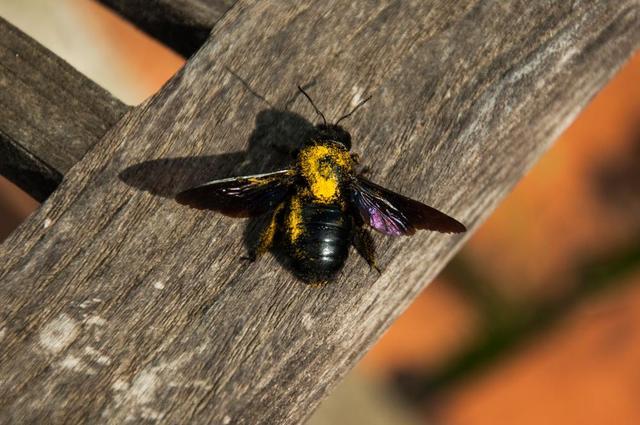
Carpenter bees bore into wood around Alabama homes and can lead to costly repairs. Learn how Alabama Professional Services treats them.
A technician inspects the property, walks you through what we find, and explains the treatment we recommend, with a clear estimate before any work starts. The inspection is free.