When Is This Not the Right Fix?
Cicada killers often return to good digging soil each summer, so treatment is for the burrows that are a problem, and not every burrow in a large lawn is treated.
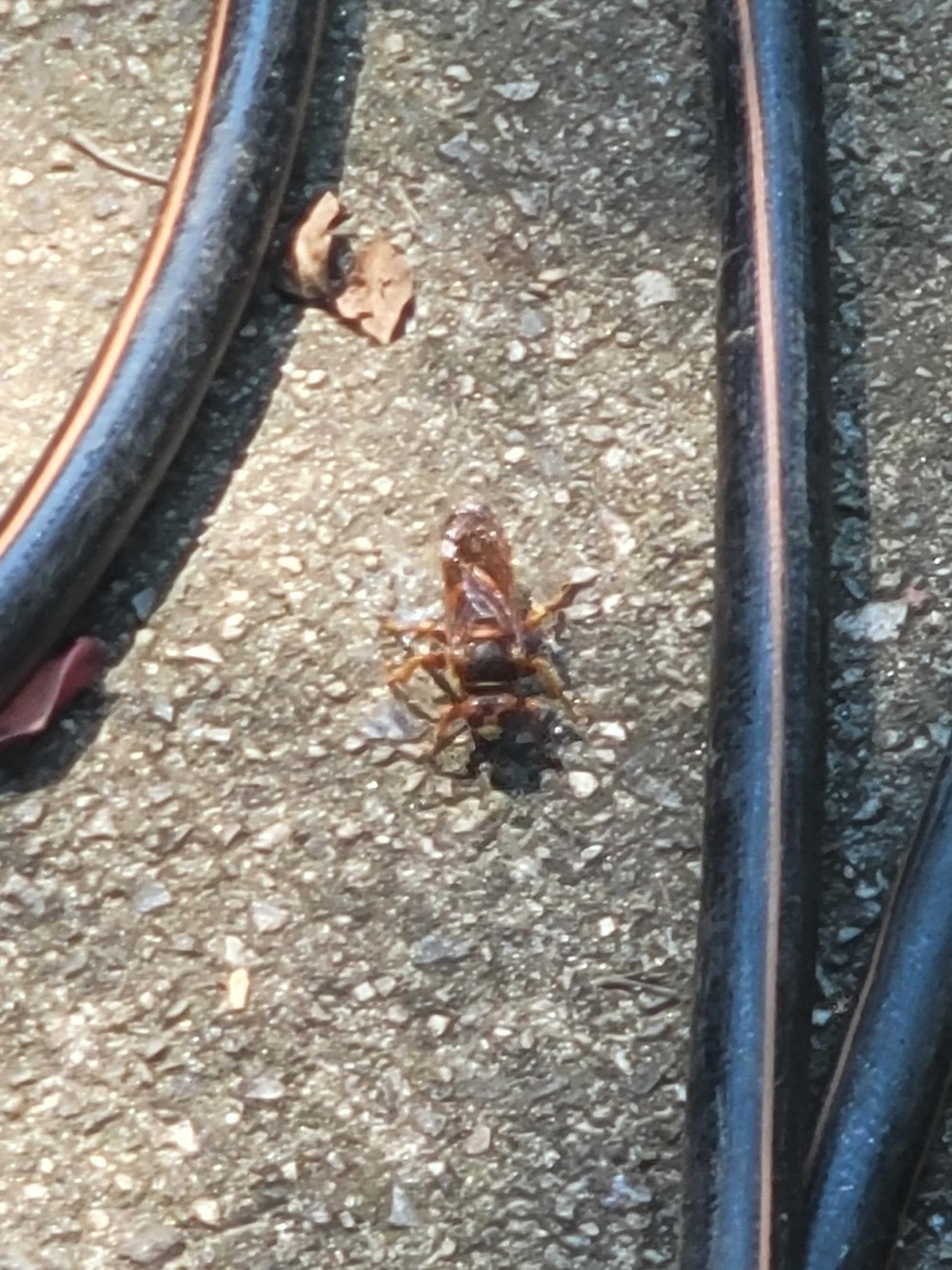
Cicada killers are treated where their burrows are a problem, starting with a free inspection.
Cicada killers are one of the most alarming looking insects in an Alabama yard: wasps up to about two inches long that dig burrows in lawns, flower beds and along walkways in summer. They look far more dangerous than they are. They are solitary, they do not defend a nest the way yellow jackets do, and they rarely sting people. That makes them a nuisance that the stinging insect service handles where the burrows are a problem.
A local specialist will inspect your home, walk you through the findings, and send a clear estimate. No cost, no pressure.
How the Price Is Set
The inspection is free. Treatment is quoted after it, because the insect, where the nest is and how hard it is to reach set the scope.
In Depth
Cicada killers are one of the most alarming looking insects in an Alabama yard: wasps up to about two inches long that dig burrows in lawns, flower beds and along walkways in summer. They look far more dangerous than they are. They are solitary, they do not defend a nest the way yellow jackets do, and they rarely sting people. That makes them a nuisance that the stinging insect service handles where the burrows are a problem.
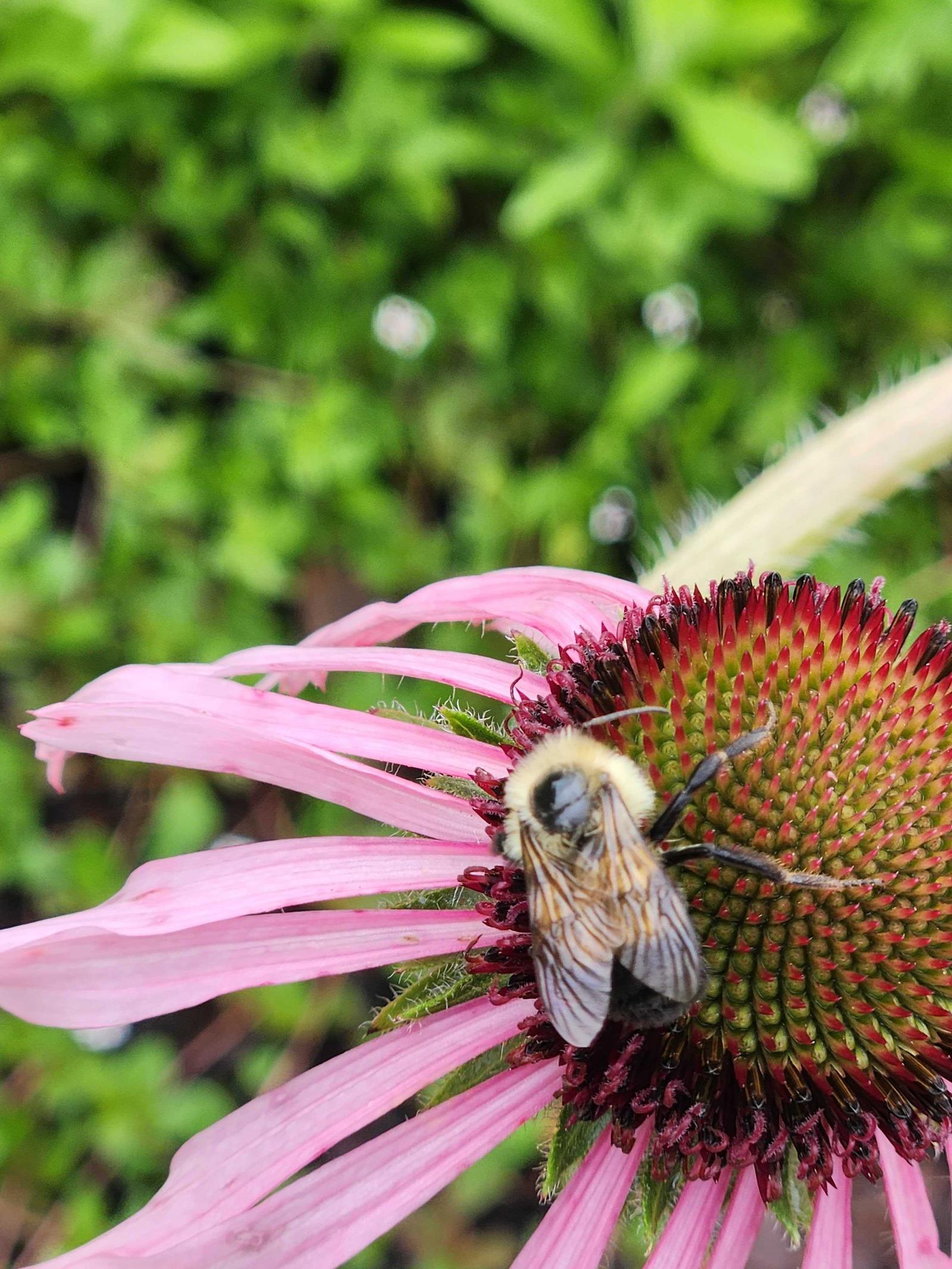
A very large wasp, black to reddish brown with pale yellow markings on the abdomen and amber wings. You usually see them flying low over the lawn in mid to late summer, or carrying a cicada, which they hunt to feed their young.
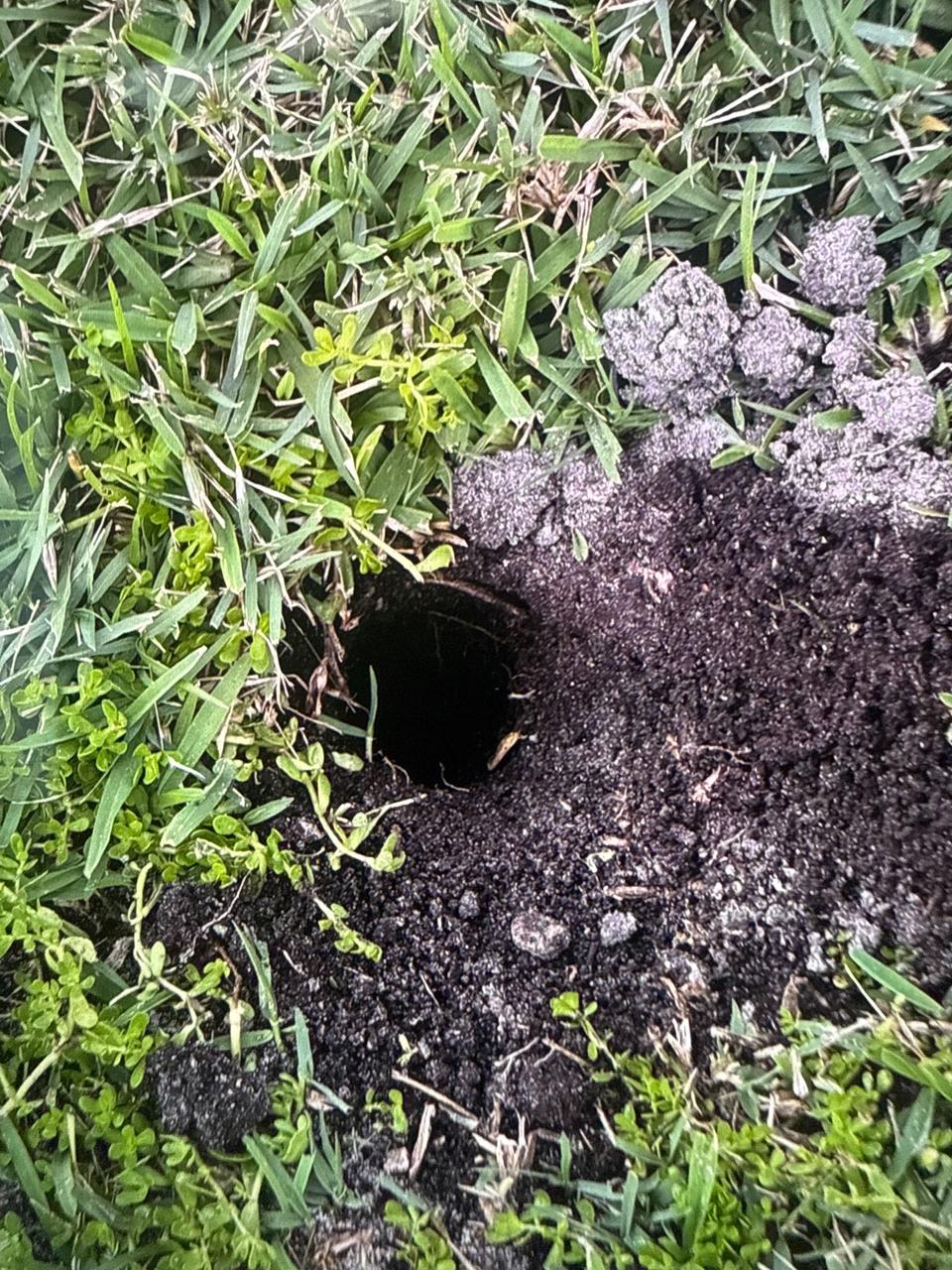
Holes about half an inch across in bare or thin soil, each usually with a small, U shaped mound of loose dirt at the entrance. They commonly appear in sandy or sparse lawns, bed edges, along sidewalks and in sunny, well drained spots. Ground burrows and mounds covers how to tell them from yellow jacket nests.
Rarely. Males, which patrol the burrows and dart at people, cannot sting. Females can but seldom do unless handled or stepped on barefoot. They are not the defensive, mass stinging threat that ground yellow jackets are. Like mud dauber wasps, they are solitary and rarely sting.
When the burrows are where people walk, play or sit: lawns used by children, playground areas, walkways and patios, or where there are so many that the lawn is damaged. Ground nest treatment treats the burrows directly.
Yellow jackets live in large colonies in one ground nest with a single busy entrance, and they attack in numbers when disturbed. Cicada killers dig many separate burrows, each for one female, and rarely sting. Telling them apart matters, because yellow jackets need careful treatment at dusk.
Cicada killers usually prefer bare, sandy, sunny soil. A thicker lawn with fewer bare patches gives them fewer places to dig. Visible wasp nests on the house are usually a bigger concern than cicada killer burrows. The wasps and hornets page covers the stinging insects that are more of a risk. Alabama Professional Services has been family-owned since 1977, and its technicians are licensed by the Alabama Department of Agriculture and Industries' Pesticide Management Division. Schedule your free inspection.
After inspecting your property, we recommend treatment methods based on the pests present and the conditions we find.
Wasp and hornet nests reach full size in summer, so the preventive step comes early: a perimeter treatment at the eaves in early spring, before the queens start building, which is included in quarterly plans.
Each card below is a sign our technicians look for during a free inspection. Open one to read what it can mean and what we do about it.
Our specialists evaluate the underlying cause before recommending any work. Inspections are at no cost and there's no obligation to proceed.
Now in its third generation, APS continues the family owned tradition that began in 1977.
If a covered pest problem returns between scheduled quarterly treatments, we'll come back at no additional charge.
You get a clear estimate before any work starts, with no obligation to go ahead.
Pick the symptom that best fits. We'll tell you what it can mean and where to go next.
Don't see your question here? Our team is happy to help. Reach out anytime.
Cicada killers often return to good digging soil each summer, so treatment is for the burrows that are a problem, and not every burrow in a large lawn is treated.
Each service starts with a free inspection, so the treatment fits what we find.
Scorpions are handled at your home's perimeter, the same way we treat other crawling pests that wander in, starting with a free inspection.
Learn more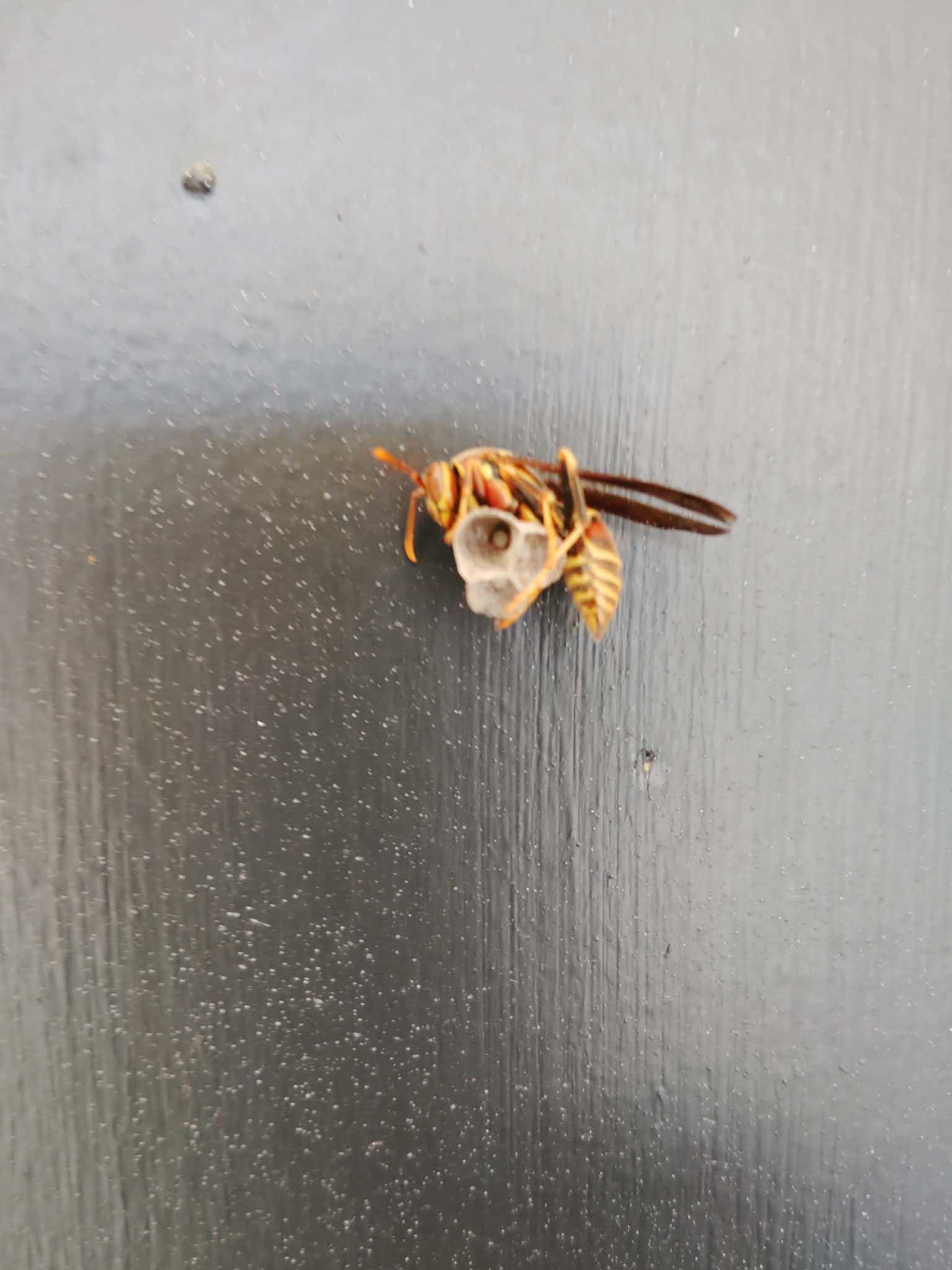
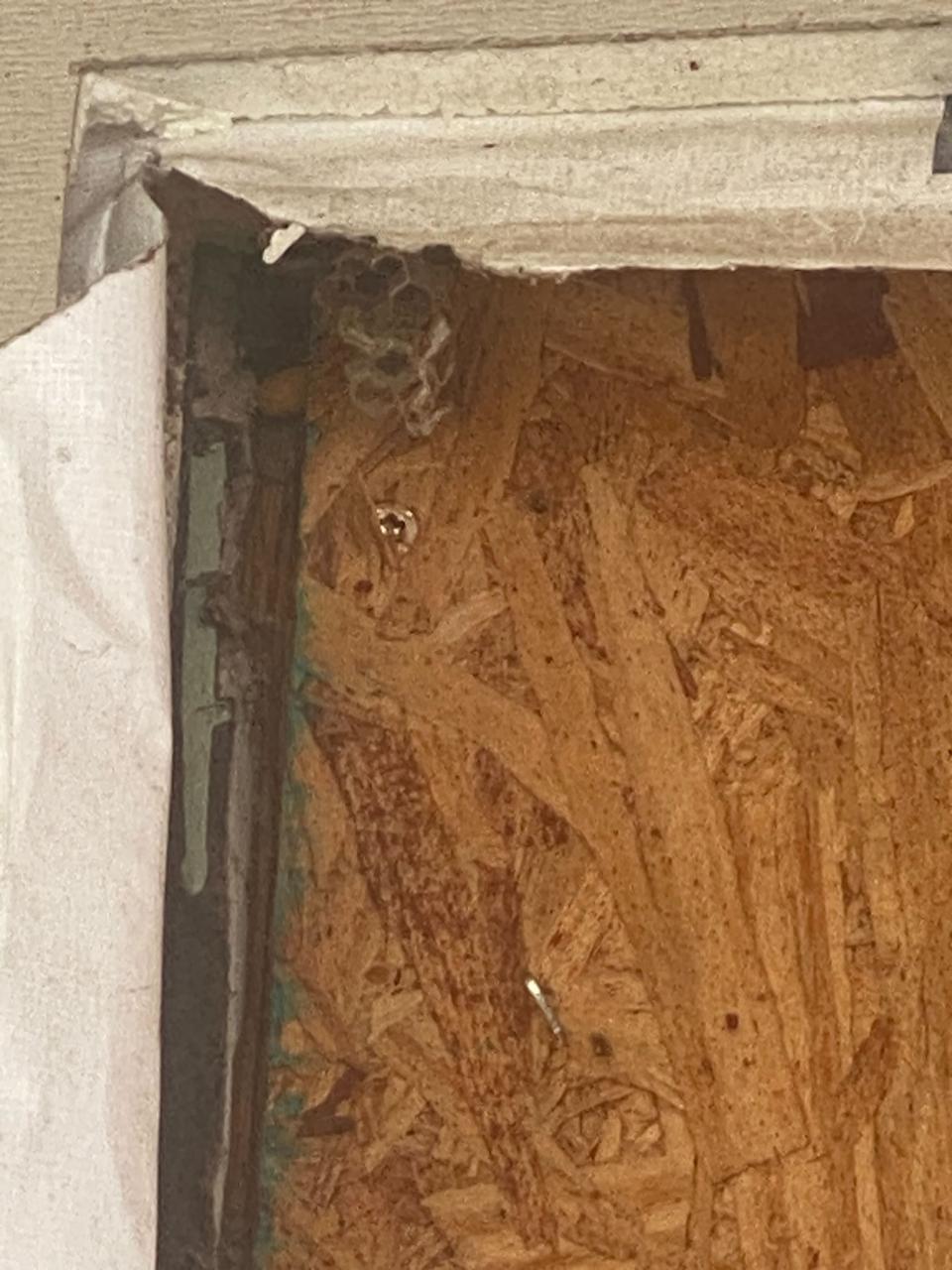
We treat and remove paper wasp, hornet and yellow jacket nests, and treat eaves in early spring before queens start building.
Learn moreHow to recognize each one and what it means for your home.
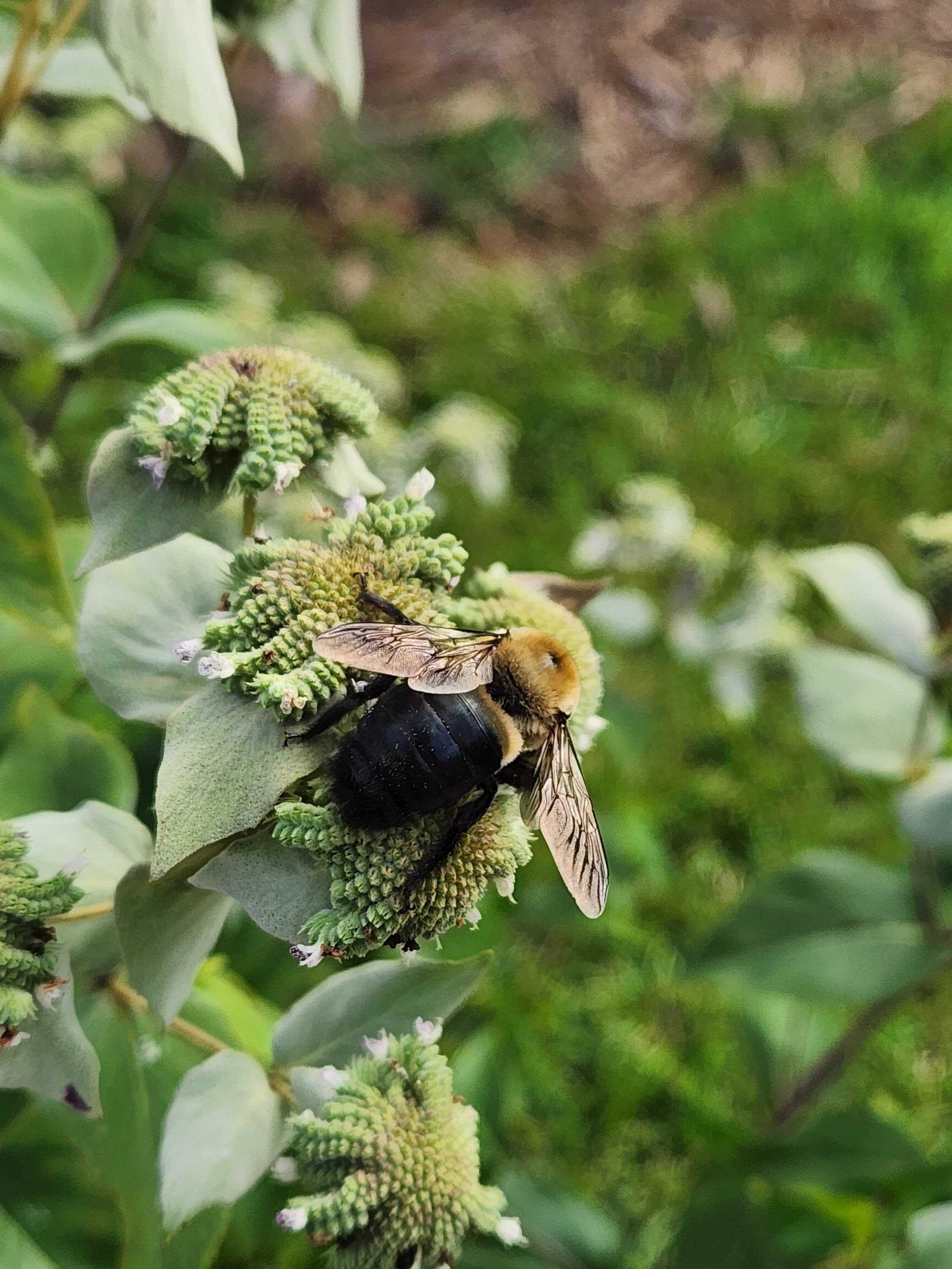
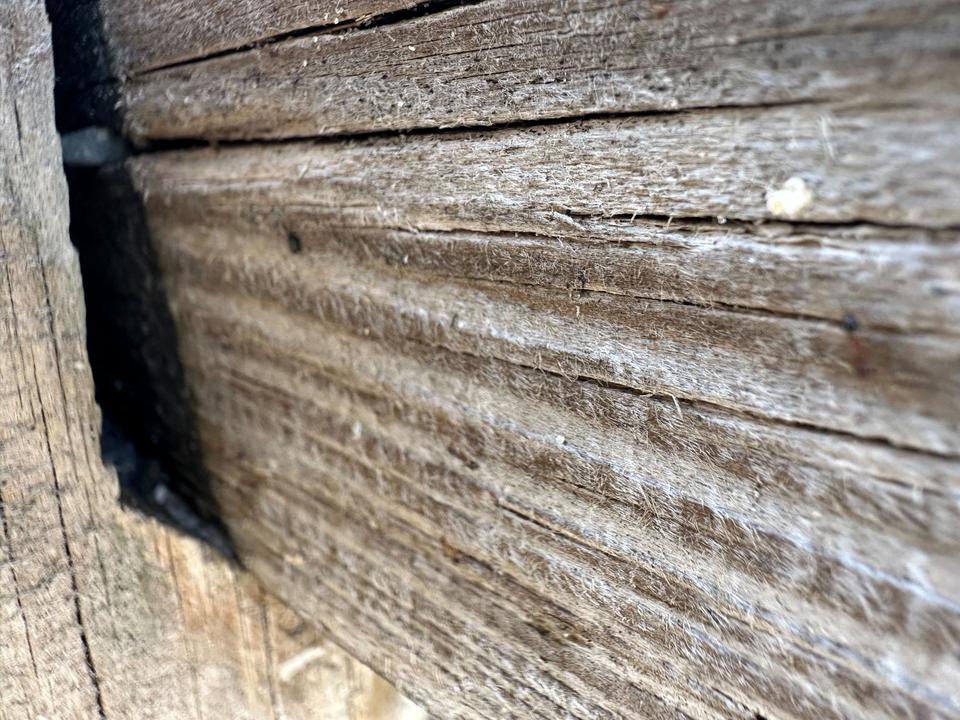
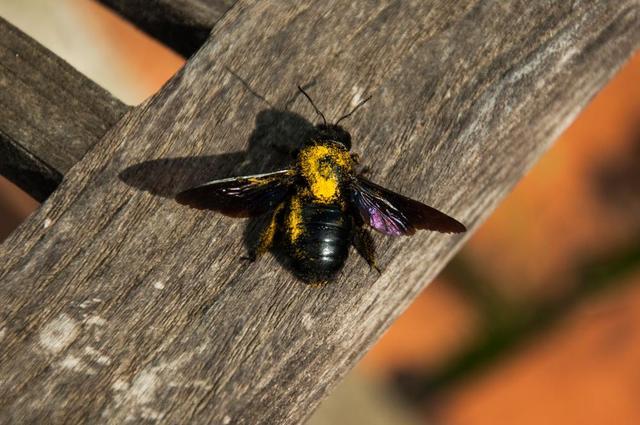
Carpenter bees drill nearly perfect half inch holes into fascia, decks and railings. They are treated with void injection, the hole is sealed and a repellent coating goes on.
Learn more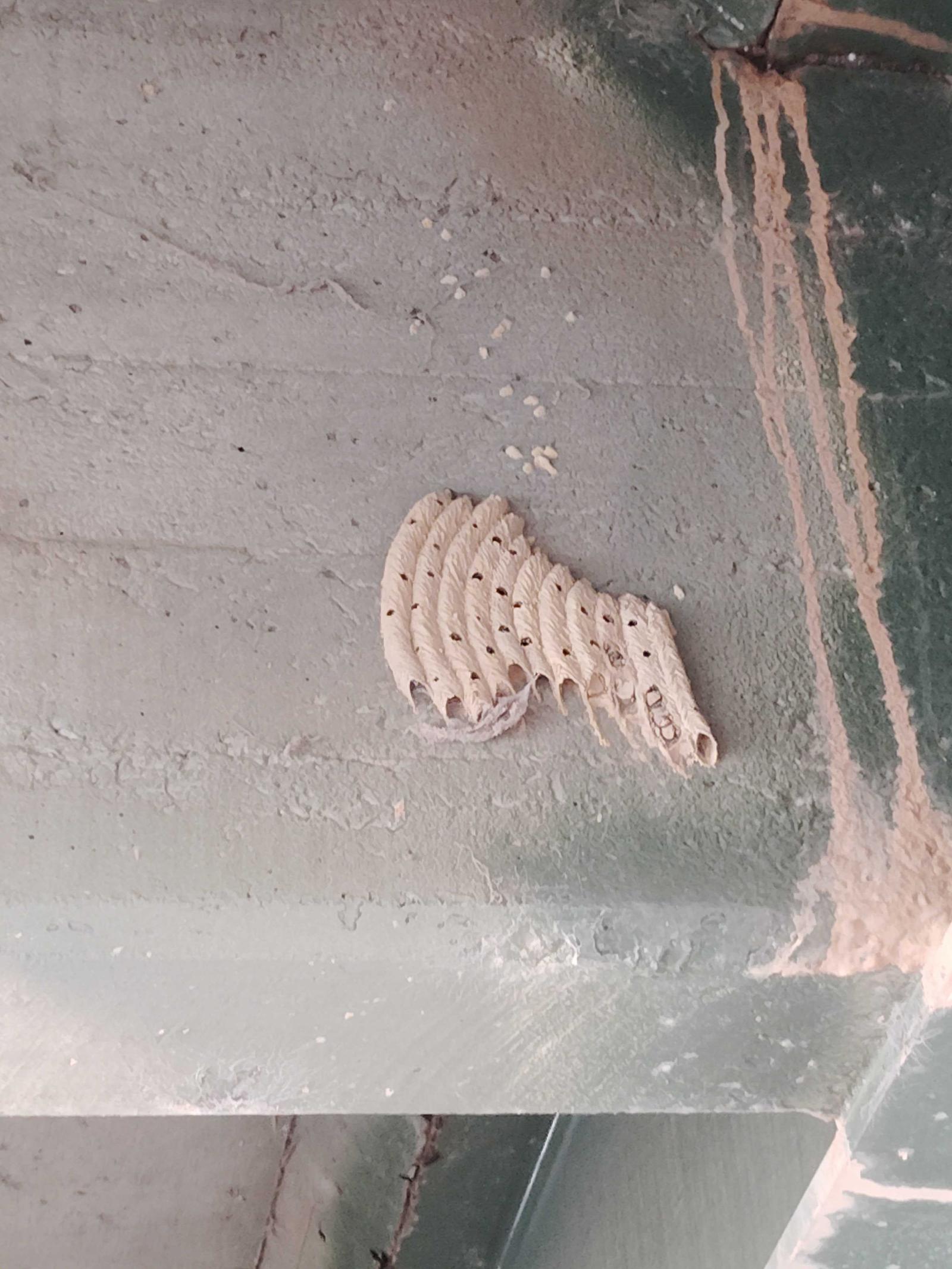
Mud daubers are solitary wasps that build tube shaped mud nests under eaves and in sheltered corners. They rarely sting, but the nests are unsightly.
Learn moreAnswers to common questions, from identification to prevention.
One office in Irondale. Technicians across the state.
A straightforward path from the first inspection to lasting protection.
Cicada killers are confirmed and told apart from ground yellow jackets.
The nest is located, including nests inside walls, under eaves and in the ground.
The burrows are treated where they are a problem.
Eaves are treated in early spring, before queens start building, as part of quarterly plans.
From the Irondale office to any address in Alabama.
Practical articles from the Alabama Professional Services team, written for Alabama homeowners.
 Stinging Insect Control
Carpenter bees bore into wood around Alabama homes and can lead to costly repairs. Learn how Alabama Professional Services treats them.
A technician inspects the property, walks you through what we find, and explains the treatment we recommend, with a clear estimate before any work starts. The inspection is free.