
Ant Exclusion & Sealing: Closing the Gaps Ants Use to Get Into Your Home
Treatment deals with the colony. Sealing deals with the way in. Alabama Professional Services uses both, because either one alone leaves half the problem.
Let's Take the First Step Toward a Healthy Home
A local specialist will inspect your home, walk you through the findings, and send a clear estimate. No cost, no pressure.
What Should You Know About Ant Exclusion and Sealing?
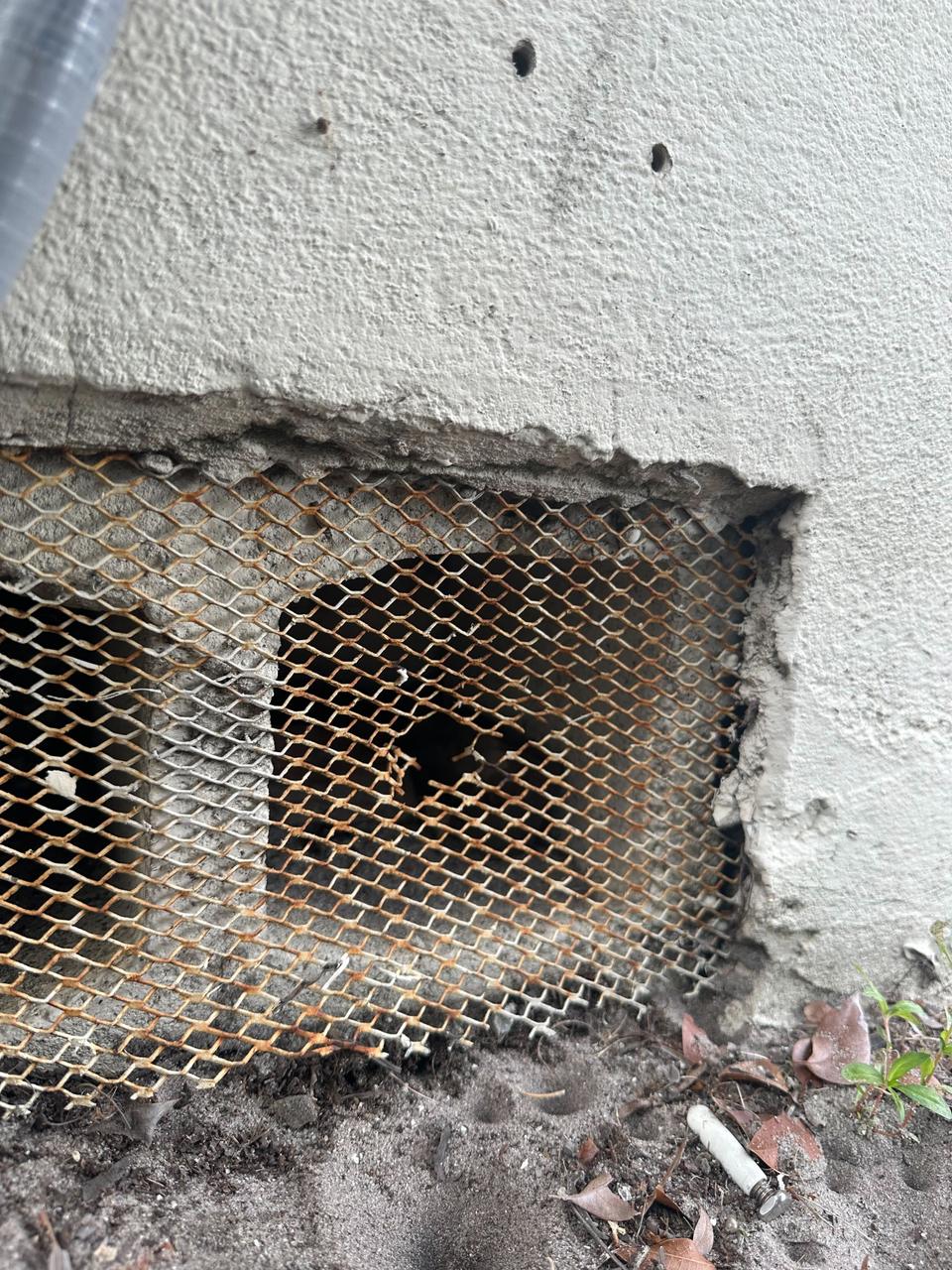
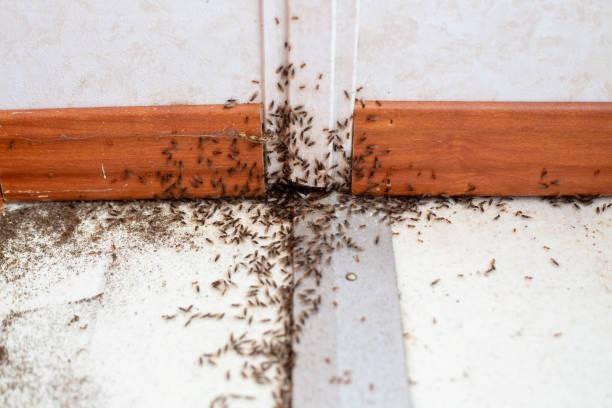
An ant trail indoors usually starts at a gap. It might be the space around a pipe under the kitchen sink, a worn door sweep, a window frame that has pulled away from the siding, a crack along the slab or a spot where a shrub touches the house and gives ants a bridge over the foundation line. Exclusion is the work of finding those gaps and closing them. During the inspection, a technician follows the ants' routes back to where they come in and notes the openings they are using, along with the conditions around the house that often help them, such as mulch piled against the siding, branches on the roof and wood stacked against the wall. The gaps are then sealed, and the conditions that help ants reach them are pointed out so they can be corrected. Sealing is part of a lasting fix, but it is not a treatment on its own, and it has limits. Ants are small enough to use openings no one could find or seal completely, and a colony that wants in will usually look for another route. A colony already nesting inside a wall is not affected by sealing the outside at all. That is why exclusion is paired with a treatment that reaches the colony, whether that is bait on the trails, a treatment around the outside of the house or an injection into the wall void. Sealing narrows the routes; the treatment deals with the ants using them.
Ant Exclusion & Sealing, Step by Step
Follow the trails to the gaps
The technician traces active trails back to where they enter and notes every opening in use, inside and out.
Check the conditions around the house
Mulch against the siding, plants and branches touching the house, wood piles, and drips at hose bibs and air conditioning lines are noted, because they can help ants reach the gaps.
Treat the colony
The colony is treated with the method that suits the species, so the ants already using the gaps are treated as well as shut out.
Seal the entry points
The gaps found in step 1 are sealed, around utility penetrations, thresholds, frames and foundation cracks.
Point out what to correct
The conditions around the house that are worth changing to keep ants from coming back are pointed out.
What You Get From APS Ant Control
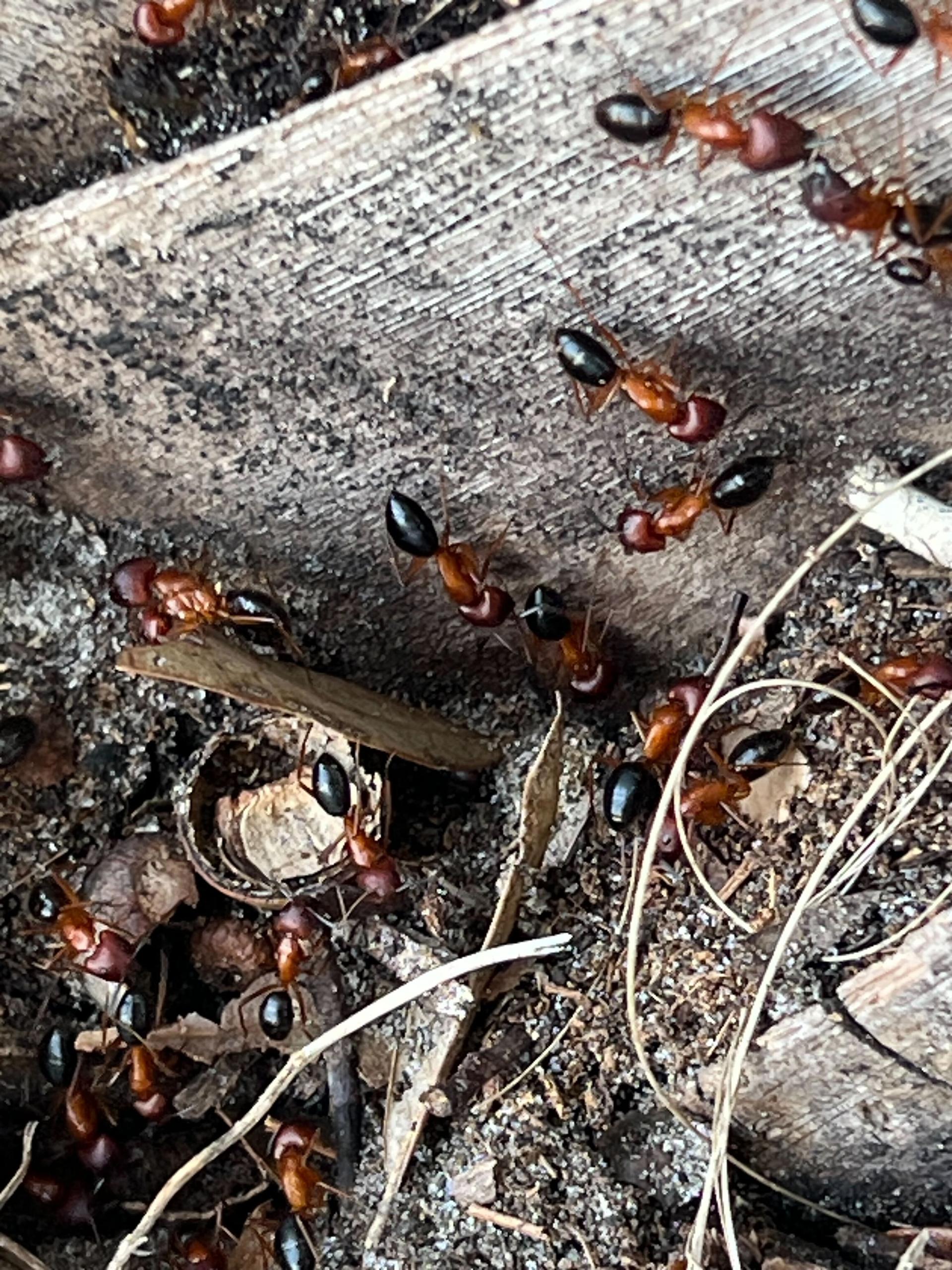
Fire ants, carpenter ants and small indoor ants each need a different treatment, so every plan starts by identifying the species.
For pharaoh ants, ghost ants and other species that form new colonies when disturbed, we use non repellent baits instead of sprays.
If a covered pest problem returns between scheduled quarterly treatments, we'll come back at no additional charge.
You get a clear estimate before any work starts, with no obligation to go ahead.
Answers to Common Questions About Ant Exclusion & Sealing
Don't see your question here? Our team is happy to help. Reach out anytime.
Which Ant Problem Signs Can Ant Exclusion and Sealing Help With?
A sign can trace to more than one cause. These are the ant signs that can point to a cause this method addresses, and the inspection shows which cause is at work in your home.
Damaged Food Packaging
Finding ants inside a cereal box, a bag of sugar, a pet food bin or a box of crackers means a foraging trail has found a way in.
Piles of Wood Shavings
Small piles of coarse, sawdust like material collecting under a window frame, along a baseboard, beneath a porch column or on the floor of a crawl space are one of the clearest signs of carpenter ants.
Rustling Sounds in Walls
A faint rustling, crinkling or crackling from inside a wall, a door frame or a ceiling, most noticeable in a quiet room at night, can be the sound of a carpenter ant colony at work.
Other Ant Solutions We Use
Each method is matched to what the inspection finds.
Fire Ant Mound Treatments
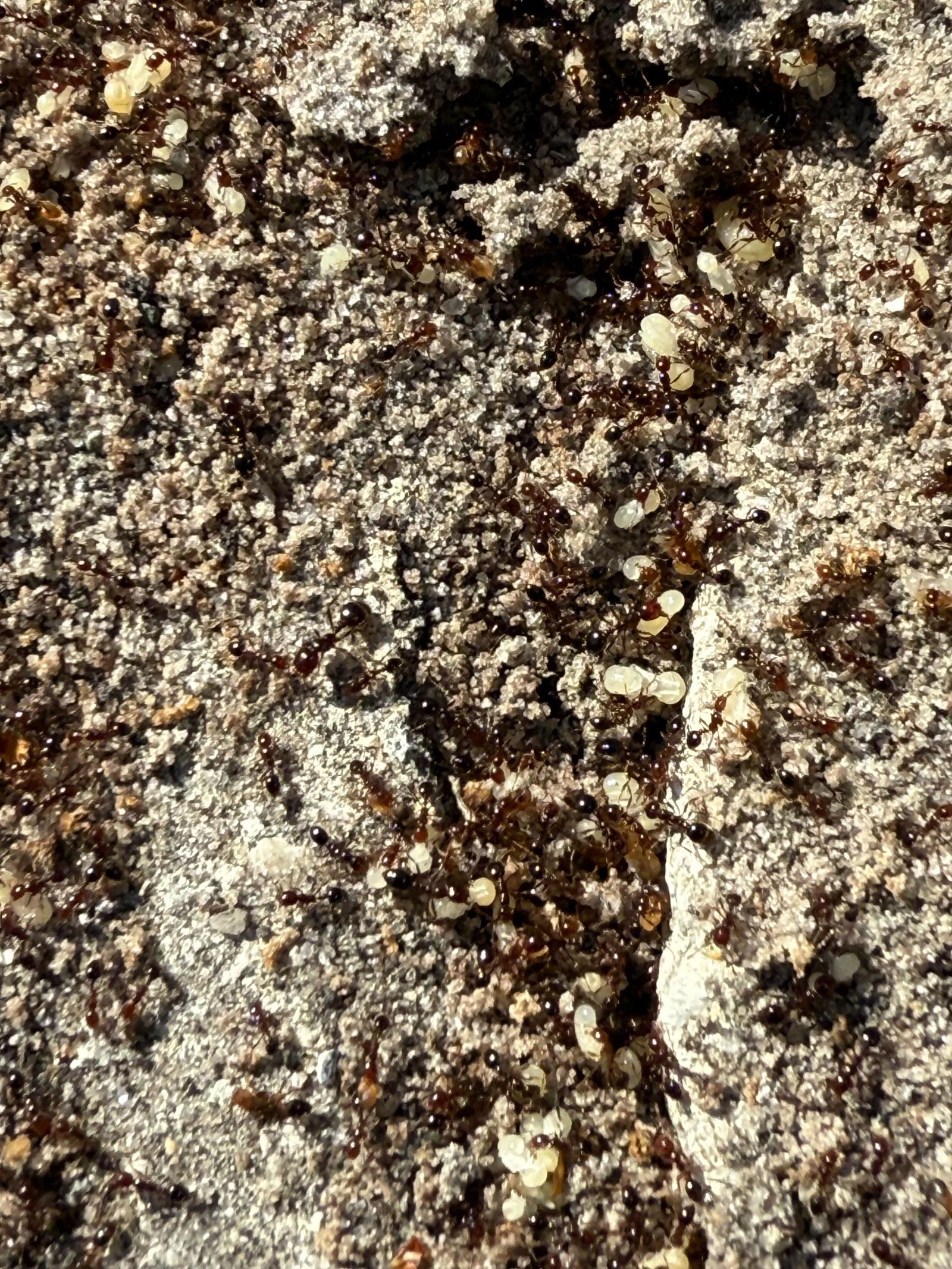
Our technicians drench active fire ant mounds and spread bait across the yard that foraging workers carry to hidden colonies, from March through November.
Learn moreNonrepellent Liquid Barriers
Where the ant species calls for it, we apply a liquid treatment ants cannot sense around your foundation, so foraging ants carry it back to the colony.
Learn morePerimeter Treatment
As part of quarterly pest control, we treat the foundation, entry points and eaves where ants and other pests cross, to help stop them before they get inside.
Learn more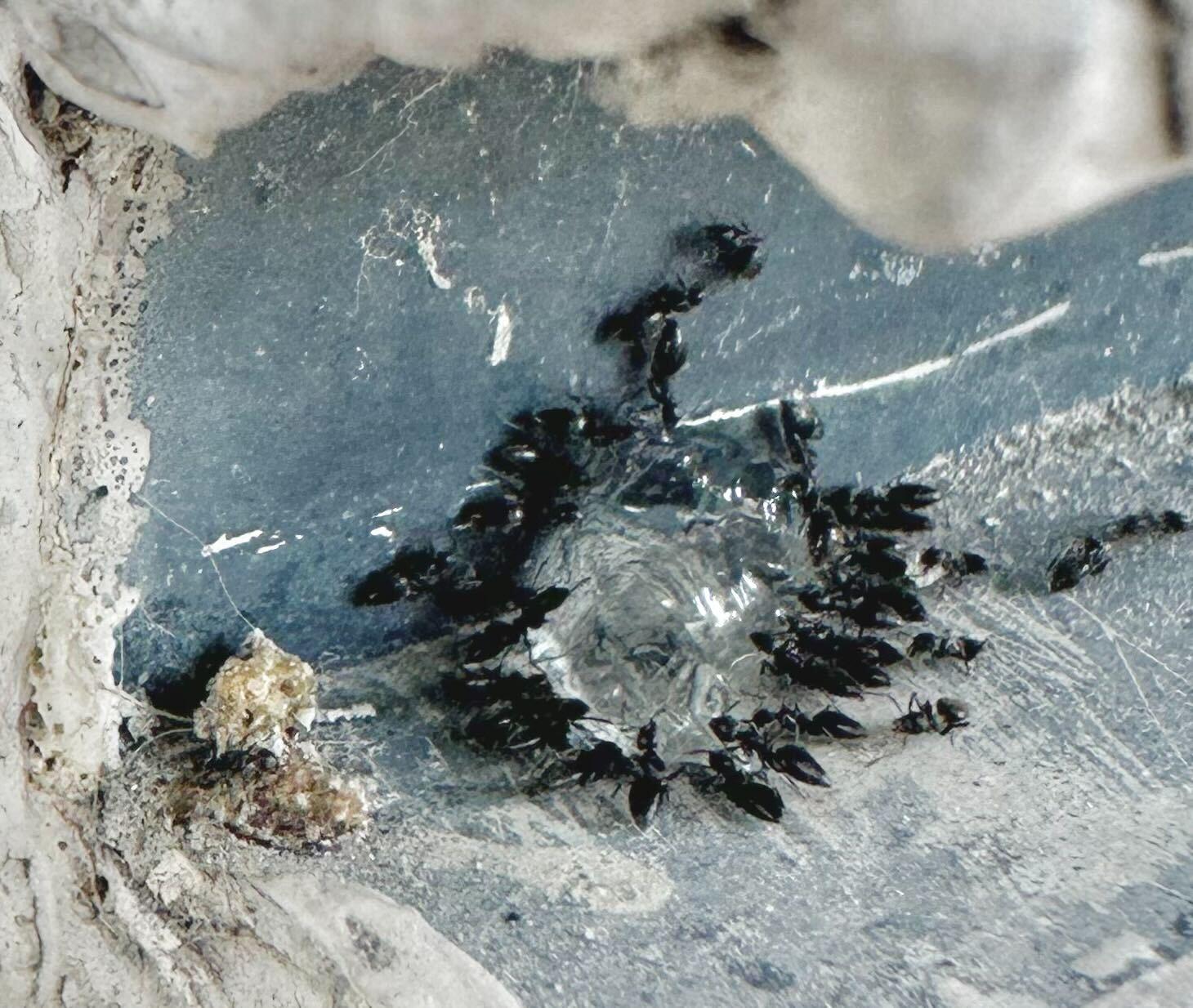
Targeted Baiting Systems
After we identify the ant, we place slow acting bait along its trails so workers carry it back to the nest.
Learn moreVoid Injection Therapy
When carpenter ants nest inside a wall, door frame or ceiling, we inject insecticidal dust or foam through a few small drill holes to reach the nest.
Learn moreServing All of Alabama
One office in Irondale. Technicians across the state.
- Huntsville, AL
- Montgomery, AL
- Hoover, AL
- Birmingham, AL
- Madison, AL
- Vestavia Hills, AL
- Alabaster, AL
- Tuscaloosa, AL
- Auburn, AL
Take the First Step Toward a Healthy Home
A straightforward path from the first inspection to lasting protection.
Schedule Your Inspection
A local specialist visits your home, inspects the problem, and answers your questions on site. No cost, no obligation.
Review Your Estimate
We explain our findings and provide an estimate for the recommended treatment.
Receive Your Treatment
Our team performs the recommended treatment and explains any follow up care or preventive measures.
Tell Us What You Found
From the Irondale office to any address in Alabama.
- A local specialist contacts you to schedule a visit.
- Your specialist inspects the problem and explains the findings.
- You receive an estimate with no obligation to proceed.
Expert Guidance on Protecting Your Home
Practical articles from the Alabama Professional Services team, written for Alabama homeowners.
 Ant Control
Top Four Causes of Ant Infestation
Discover the top four causes of ant infestation and how they can disrupt your home.
Wondering Whether Ant Exclusion and Sealing Will Work for Your Home?
A technician inspects the property, walks you through what we find, and explains the treatment we recommend, with a clear estimate before any work starts. The inspection is free.