
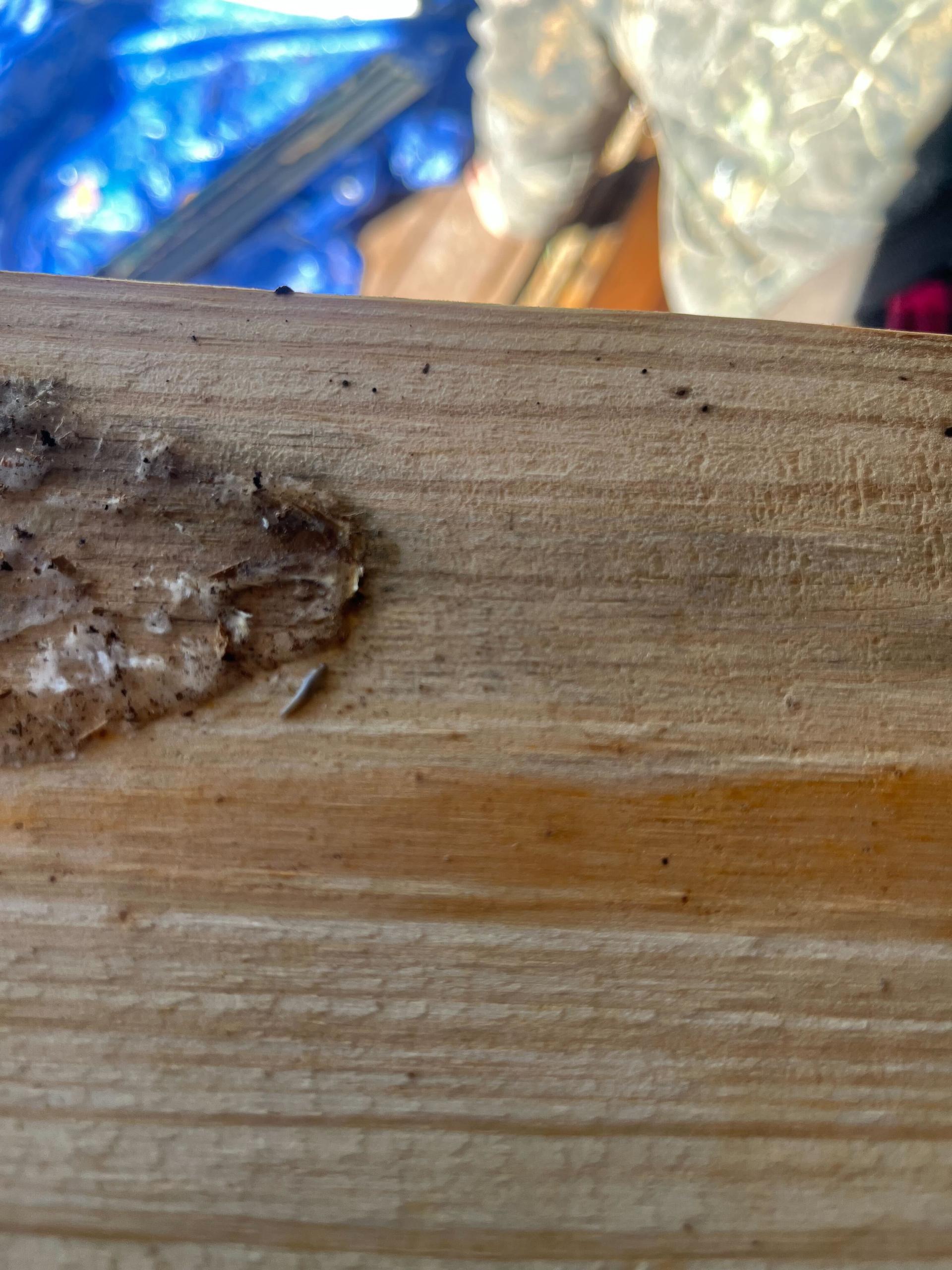
Carpenter Bee Treatments: Void Injection, Sealing and a Repellent Coating
Carpenter bees are treated in the gallery and the wood is sealed and coated.
Let's Take the First Step Toward a Healthy Home
A local specialist will inspect your home, walk you through the findings, and send a clear estimate. No cost, no pressure.
What Should You Know About Carpenter Bee Treatments?
Carpenter bees are treated where they live: inside the galleries they drill into fascia, decks, railings, eaves and unpainted softwood. The treatment is three steps, in order. First, void injection puts treatment into each gallery through the round entrance hole, reaching the bees and larvae inside. Second, the hole is sealed, which closes the gallery to returning bees and keeps moisture out of the wood. The sealing comes after the injection, never before, because a sealed hole with live bees behind it can lead them to chew a new exit. Third, a repellent paint or coating goes on the wood. Carpenter bees usually prefer bare, unpainted or weathered wood and often return to old galleries year after year, so a coated surface is what makes the wood less attractive next spring. Spring is usually when carpenter bees emerge and start drilling, and it is when the holes and the hovering bees are most noticeable, but galleries can be treated whenever they are found.
Carpenter Bee Treatments, Step by Step
Identify the bees
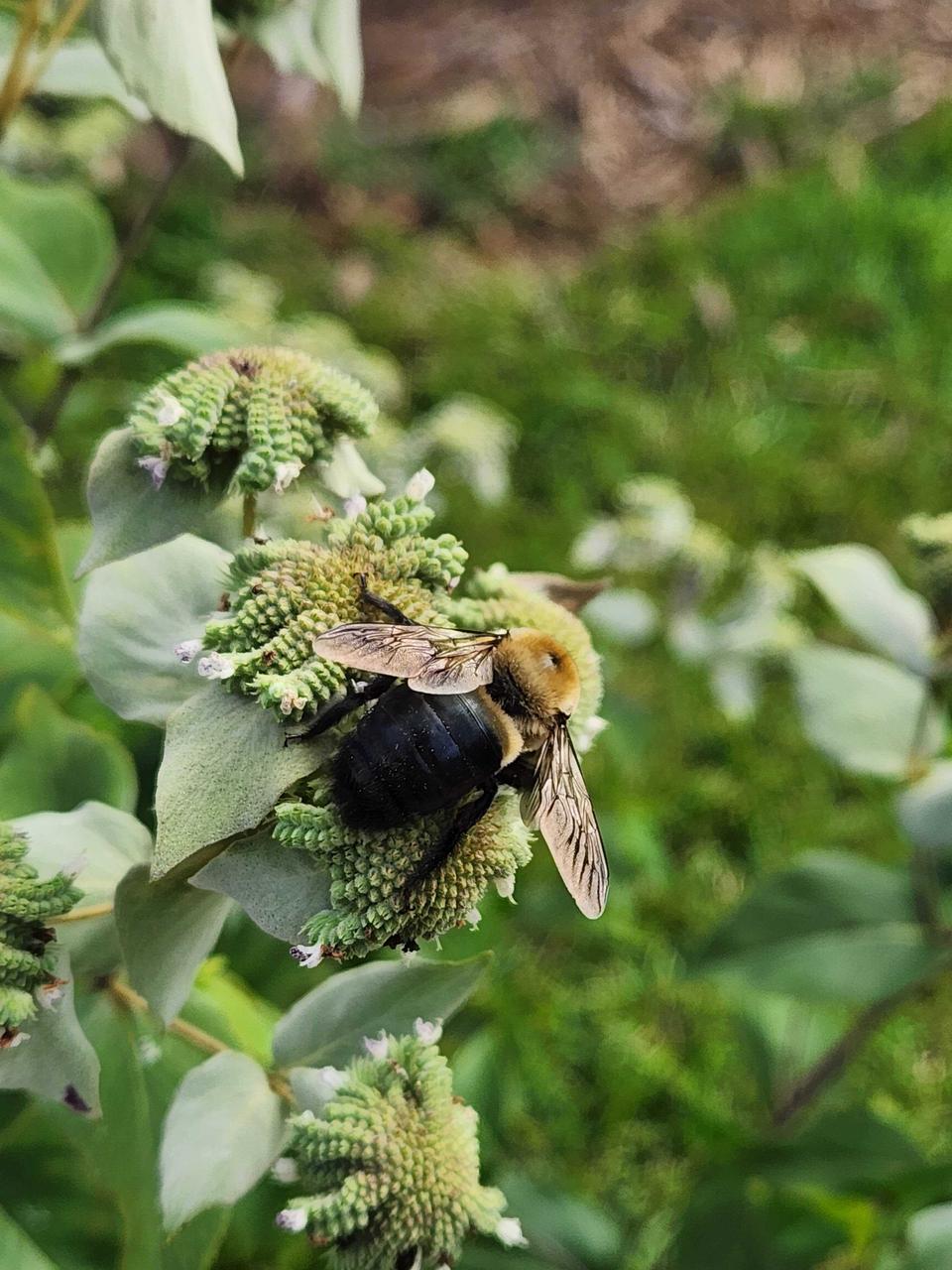
Carpenter bees are confirmed and told apart from bumblebees.
Inject the galleries
Treatment goes into each gallery through the entrance hole.
Seal the holes
Each hole is sealed after injection, closing the gallery to returning bees.
Coat the wood
A repellent paint or coating is applied to make the wood less attractive.
What You Get From APS Pest Control
Now in its third generation, APS continues the family owned tradition that began in 1977.
If a covered pest problem returns between scheduled quarterly treatments, we'll come back at no additional charge.
You get a clear estimate before any work starts, with no obligation to go ahead.
Answers to Common Questions About Carpenter Bee Treatments
Don't see your question here? Our team is happy to help. Reach out anytime.
Which Stinging Insect Problem Signs Can Carpenter Bee Treatments Help With?
A sign can trace to more than one cause. These are the stinging insect signs that can point to a cause this method addresses, and the inspection shows which cause is at work in your home.
Holes in Wood Framing
Perfectly round holes about half an inch across, drilled into fascia boards, decks, railings, porch ceilings, eaves and unpainted softwood, are the signature of carpenter bees.
Ground Burrows & Mounds
Holes in the lawn, flower beds or along a walkway with insects flying in and out are ground nests, and the two usual culprits could hardly be more different.
Insects Entering Wall Voids
Insects flying steadily in and out of a gap in the siding, a crack in the brick, a soffit, a vent or the space where the roof meets the wall mean a nest inside the structure.
Other Stinging Insect Solutions We Use
Each method is matched to what the inspection finds.
Perimeter Eave Treatment
In early spring, before queens start building, we treat eaves, soffits and porch ceilings to help prevent wasp nests, as part of quarterly plans.
Learn more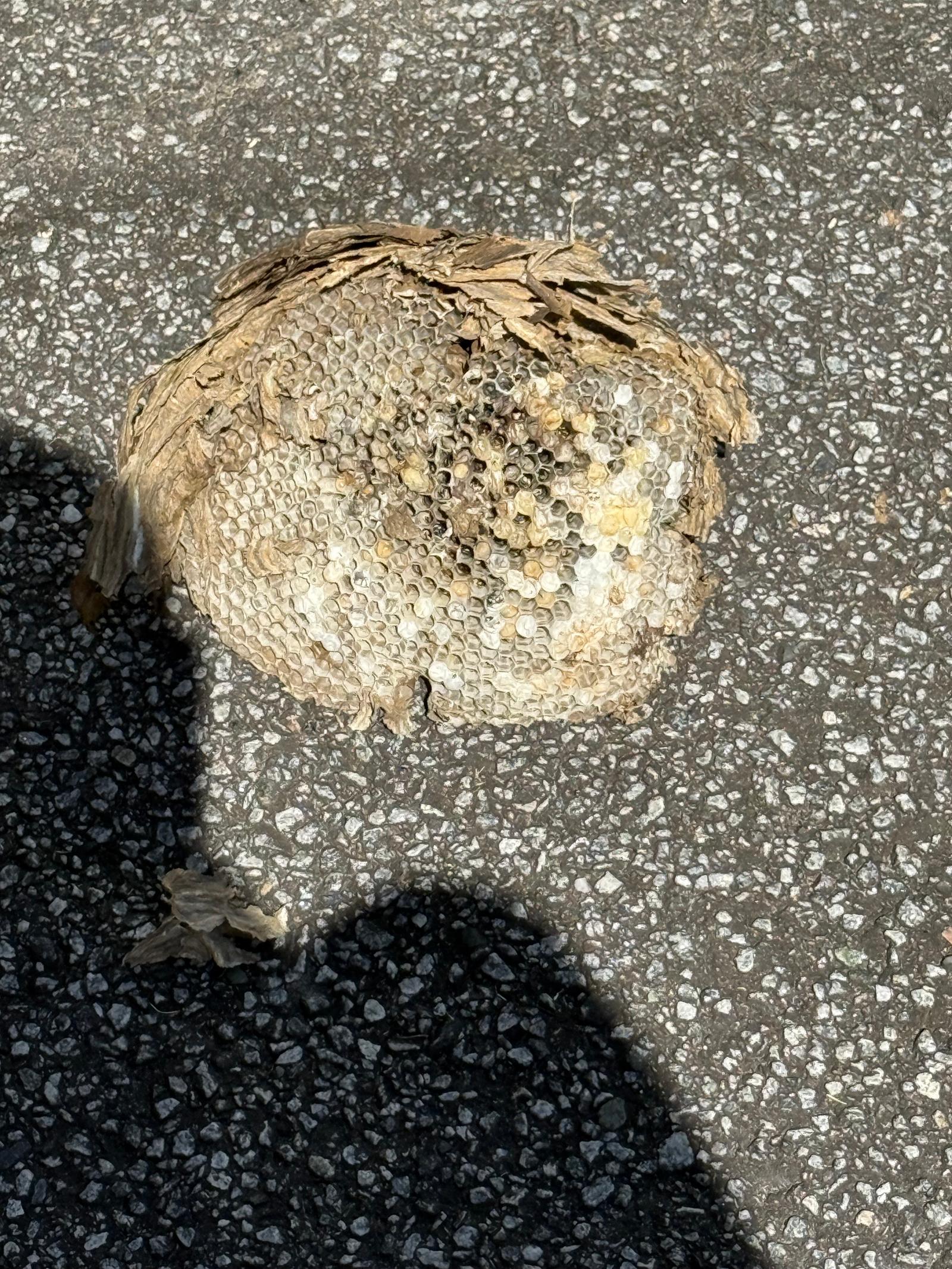
Protective Nest Removal
We treat and remove wasp, hornet, yellow jacket and mud dauber nests from eaves, porches, railings, shrubs and trees around your home.
Learn moreStructural Void Treatments
When yellow jackets or wasps nest inside a wall, soffit or attic, we treat the nest through its entry and seal the opening afterwards.
Learn moreUnderground Nest Elimination
Ground yellow jacket nests are treated at dusk, when the colony is inside, with dust or aerosol in the entry, which we then seal.
Learn moreServing All of Alabama
One office in Irondale. Technicians across the state.
- Huntsville, AL
- Montgomery, AL
- Hoover, AL
- Birmingham, AL
- Madison, AL
- Vestavia Hills, AL
- Alabaster, AL
- Tuscaloosa, AL
- Auburn, AL
Take the First Step Toward a Healthy Home
A straightforward path from the first inspection to lasting protection.
Schedule Your Inspection
A local specialist visits your home, inspects the problem, and answers your questions on site. No cost, no obligation.
Review Your Estimate
We explain our findings and provide an estimate for the recommended treatment.
Receive Your Treatment
Our team performs the recommended treatment and explains any follow up care or preventive measures.
Tell Us What You Found
From the Irondale office to any address in Alabama.
- A local specialist contacts you to schedule a visit.
- Your specialist inspects the problem and explains the findings.
- You receive an estimate with no obligation to proceed.
Expert Guidance on Protecting Your Home
Practical articles from the Alabama Professional Services team, written for Alabama homeowners.
 Stinging Insect Control
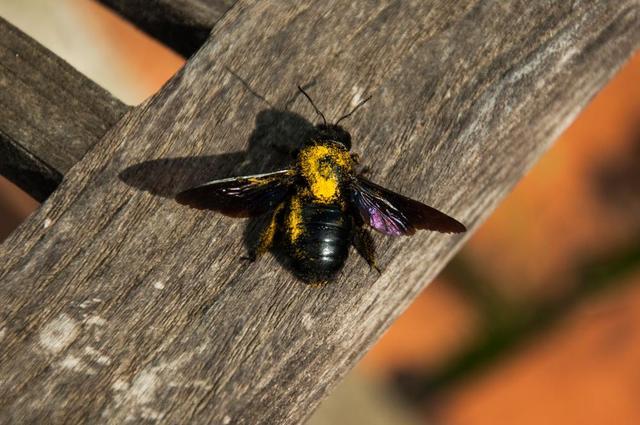
Carpenter Bees in Alabama
Carpenter bees bore into wood around Alabama homes and can lead to costly repairs. Learn how Alabama Professional Services treats them.
Wondering Whether Carpenter Bee Treatments Will Work for Your Home?
A technician inspects the property, walks you through what we find, and explains the treatment we recommend, with a clear estimate before any work starts. The inspection is free.