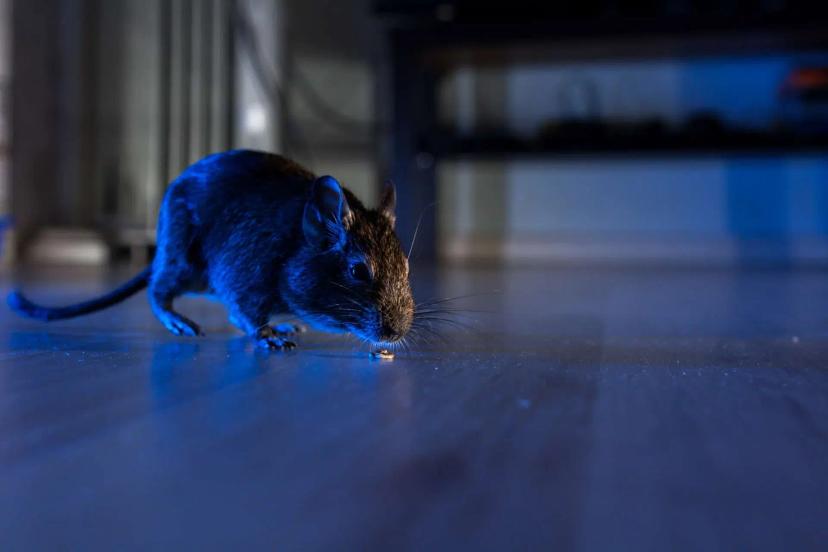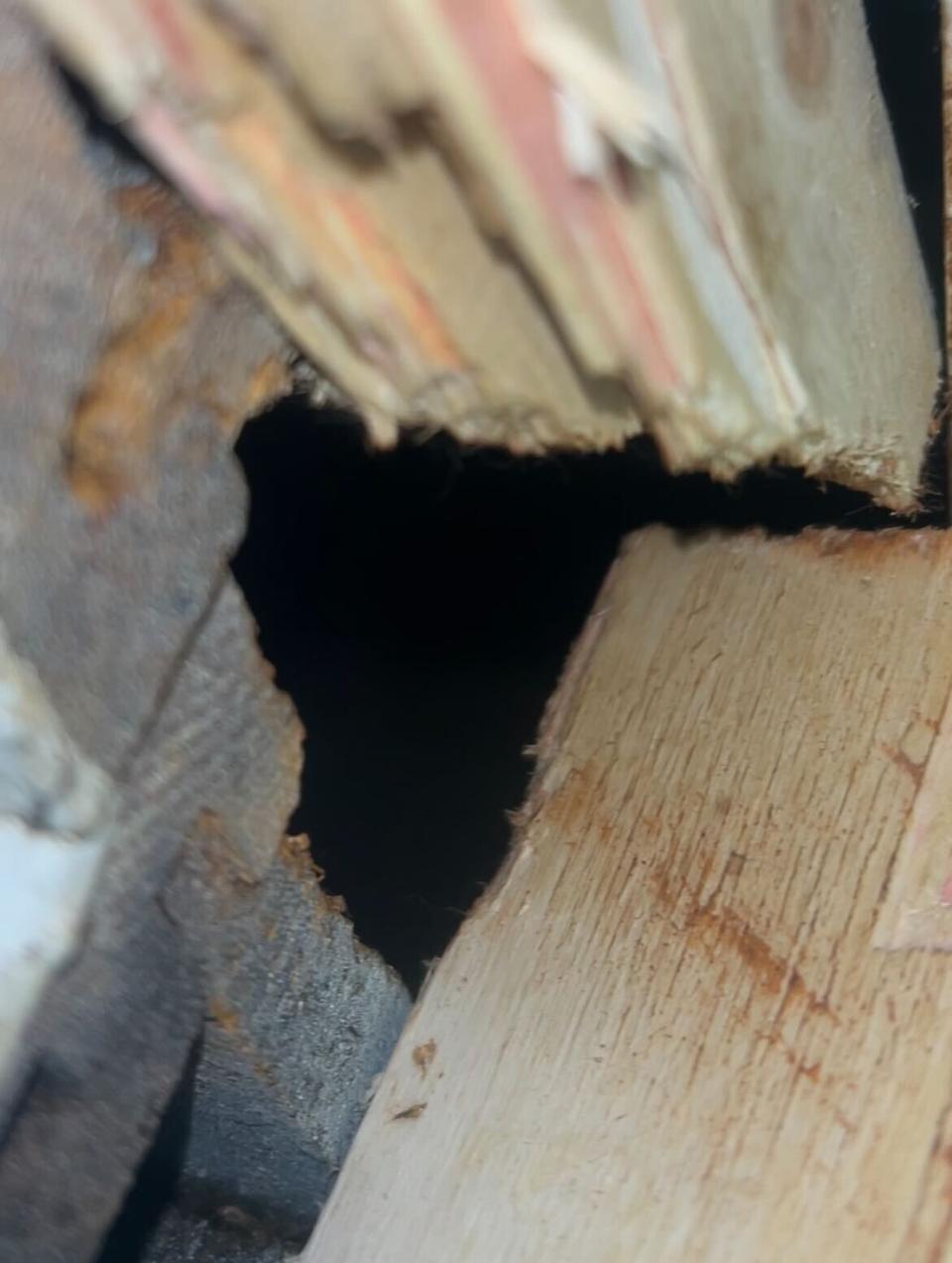

When Is This Not the Right Fix?
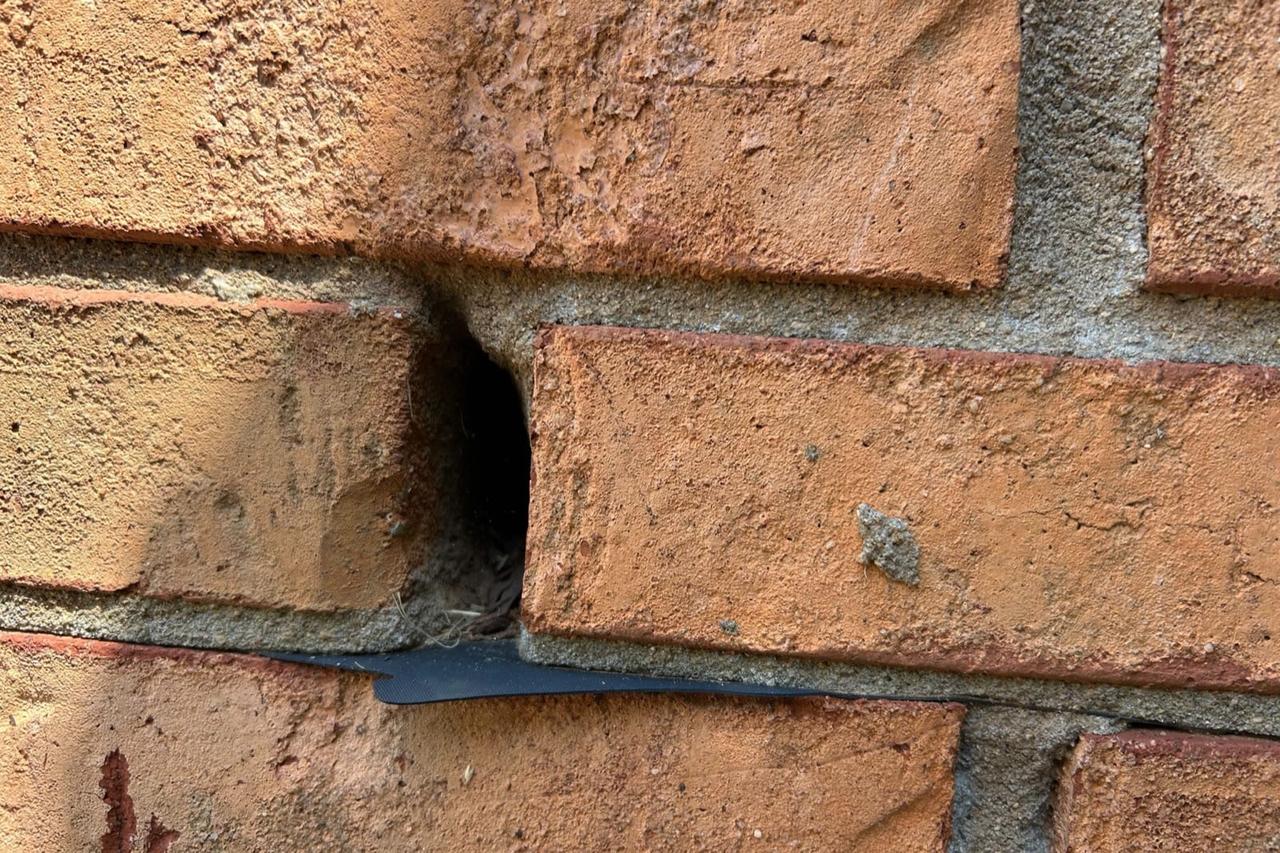
Sealing an entry point while rats are still nesting behind it traps them inside. And patching with foam or thin materials rarely lasts, because rats chew through it.
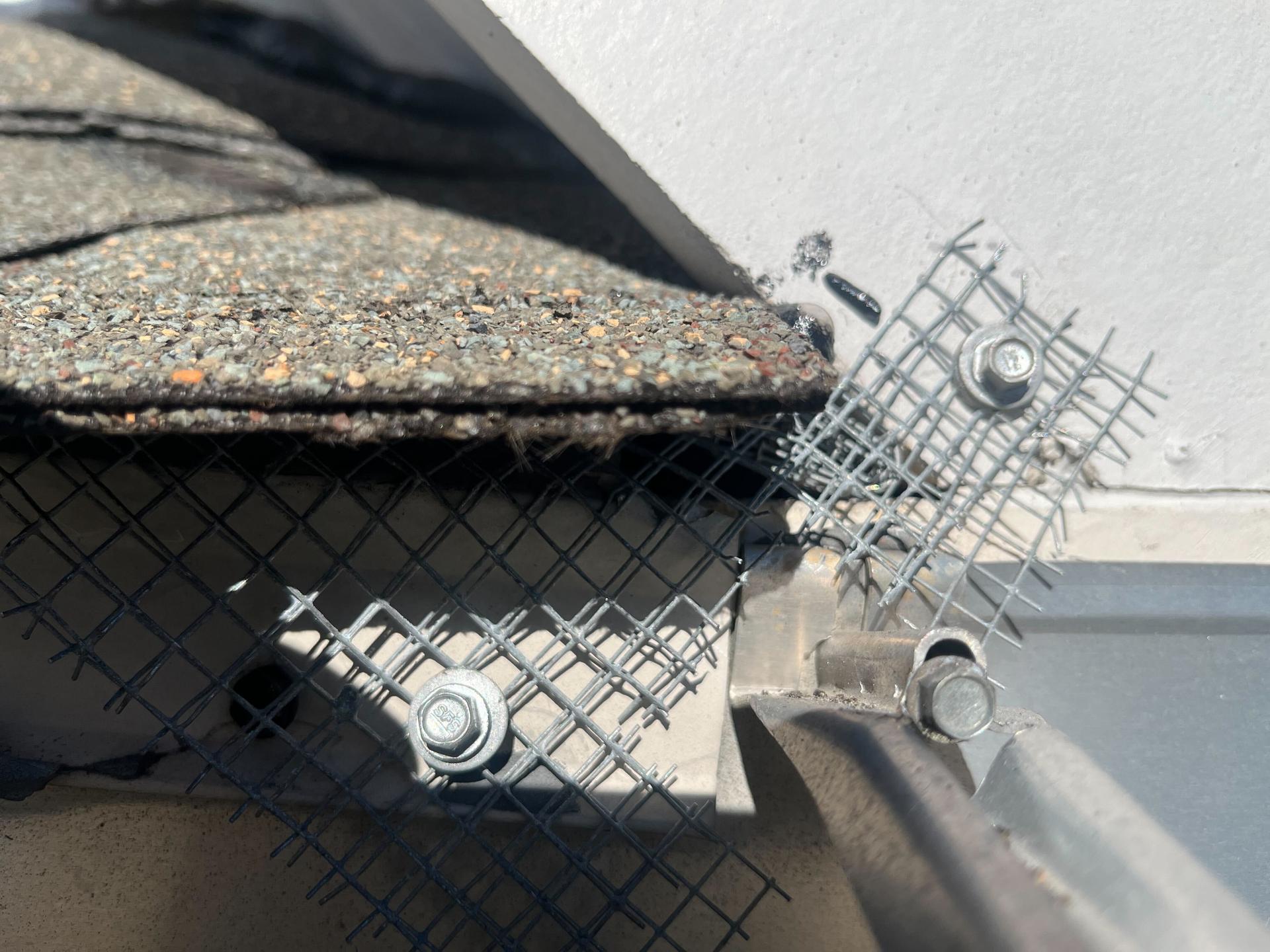
Rats avoid new objects and chew through weak repairs. Alabama Professional Services identifies the rat and seals the way in, starting with a free inspection.
Getting rid of rats follows the same two steps as mice, removing the ones inside and sealing the way in, but rats make both steps harder. They are wary of anything new in their path, they are strong enough to chew through repairs that would stop a mouse, and the two species found in Alabama homes get in at opposite ends of the house.
A local specialist will inspect your home, walk you through the findings, and send a clear estimate. No cost, no pressure.
How the Price Is Set
The inspection is free. Treatment is quoted after it, because the number of entry points and where the rodents are nesting set the scope.
In Depth
Getting rid of rats follows the same two steps as mice, removing the ones inside and sealing the way in, but rats make both steps harder. They are wary of anything new in their path, they are strong enough to chew through repairs that would stop a mouse, and the two species found in Alabama homes get in at opposite ends of the house.
Rats are cautious. A trap or a bait station that appears in a rat's path is often avoided for days until the rat gets used to it, so results usually take longer than with mice. Rats are also larger and stronger, and they can gnaw through materials that would hold a mouse back.
Roof rats usually climb and nest in attics and upper walls, reaching the roof from branches and power lines. Norway rats burrow and generally live low, in crawl spaces, basements and along the foundation. The page on roof rats and Norway rats covers how to tell them apart, and it matters because the entry points are in different places.
Trapping reduces the rats inside, with patience, because of how cautious they are. Outdoors, bait goes into tamper resistant bait stations, locked boxes that children, pets and other animals cannot open. Bait used inside a house can leave a rat to die in a wall, where it cannot be reached.
Trapping without sealing, which leaves the gaps open for the next rats. Sealing holes with expanding foam or thin materials rats chew straight through. Sealing a gap while rats are still nesting inside it. And treating only the obvious hole, when rats often use several. One way exit doors solve the third mistake: rats leave through them and cannot get back in, and the opening is then sealed.
Firewood stored well away from the house, debris piles and dense ground cover cleared, branches trimmed back from the roof line, trash in bins with locking lids and pet food brought inside at night all take away food and shelter. Moisture matters too, especially for Norway rats, which favor damp crawl spaces.
When rats are seen during the day, when droppings are numerous, when chewed wires or wood turn up, or when the problem continues despite your best efforts. Sealing out rats takes galvanized steel mesh, copper wool, Xcluder fill fabric and professional grade sealants, which rats cannot chew through the way they chew through foam. Rats also often leave greasy smudge marks along their routes that show where they travel. Alabama Professional Services has been family-owned since 1977, and its technicians are licensed by the Alabama Department of Agriculture and Industries' Pesticide Management Division. Schedule your free inspection and a technician will identify the rat and find its way in.
After inspecting your property, we recommend treatment methods based on the pests present and the conditions we find.
From the roof line to the foundation, we seal entry points with galvanized steel mesh, copper wool and Xcluder fill fabric, alongside trapping inside.
We fit a one way door over the active opening so rodents nesting inside can leave but not return, then seal it once they are gone.
We place locked bait stations along the routes rodents travel outside, at the foundation, fence lines and outbuildings, with the bait fixed inside.
From September through November, mice and rats look for warm winter harborage, and through the winter they stay active indoors. That makes fall the time to seal entry points, with Xcluder fill fabric, a stainless steel fill rodents cannot chew through, before they settle in.
Each card below is a sign our technicians look for during a free inspection. Open one to read what it can mean and what we do about it.
Our specialists evaluate the underlying cause before recommending any work. Inspections are at no cost and there's no obligation to proceed.
Trapping reduces the rodents already inside. Exclusion with galvanized steel mesh, copper wool and Xcluder fill fabric stops new rodents from coming in.
House mice, roof rats and Norway rats nest and travel differently, so the plan is built around the one we find.
If a covered pest problem returns between scheduled quarterly treatments, we'll come back at no additional charge.
You get a clear estimate before any work starts, with no obligation to go ahead.
Pick the symptom that best fits. We'll tell you what it can mean and where to go next.
Don't see your question here? Our team is happy to help. Reach out anytime.
Sealing an entry point while rats are still nesting behind it traps them inside. And patching with foam or thin materials rarely lasts, because rats chew through it.
Each service starts with a free inspection, so the treatment fits what we find.
We identify whether you have roof rats in the attic or Norway rats at the foundation, which shows where they get in and how to handle them.
Learn moreWe remove the mice in your home and seal the gaps they use, since one mouse often leads others to the same food and way in.
Learn moreAnswers to common questions, from identification to prevention.
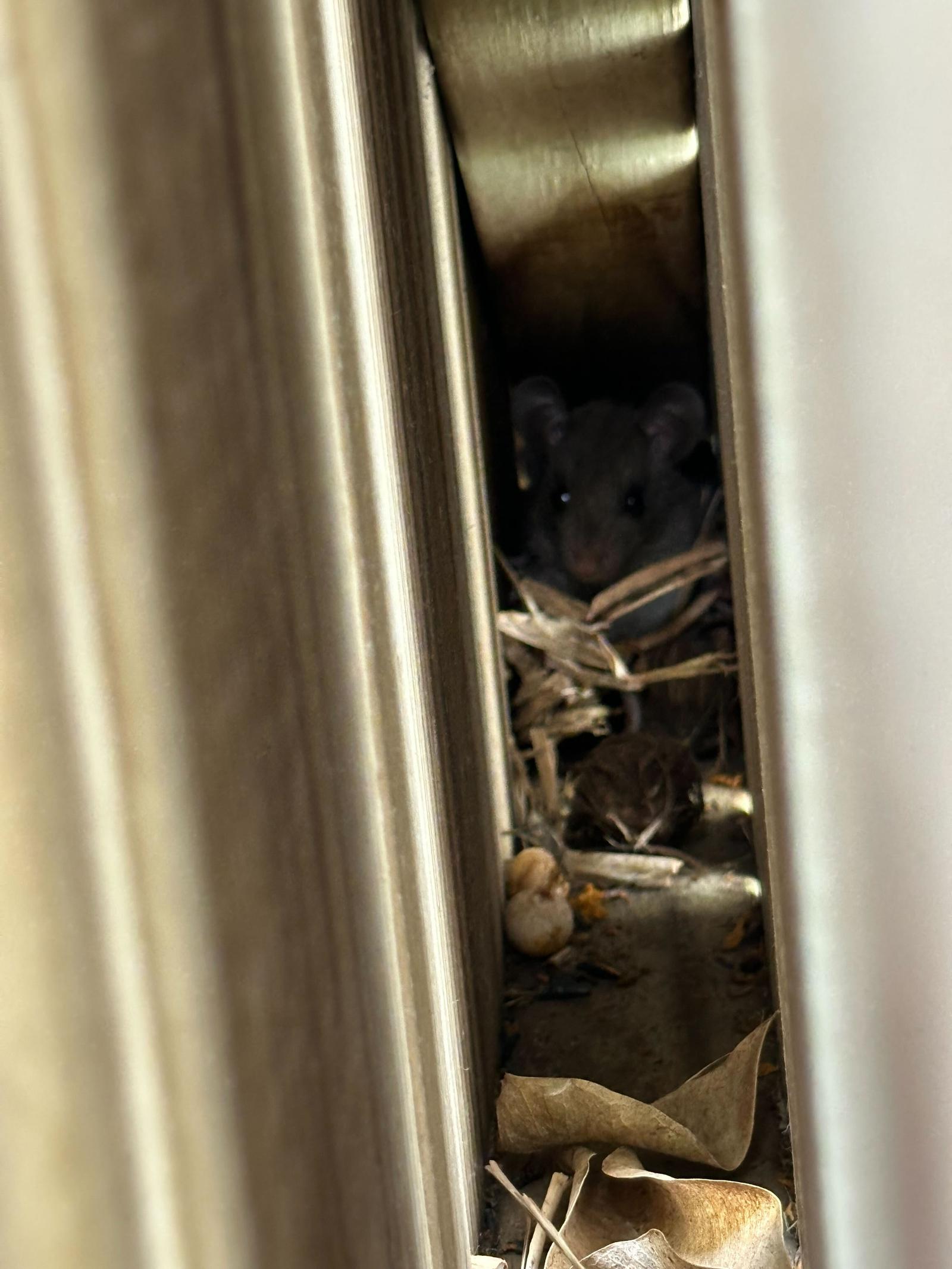
Mice and rats look alike at a glance, but the size of everything they leave behind is different, and so is how each is handled.
Learn moreRodents are rarely seen before they are noticed. Droppings, noise, damage and smell usually come first.
Learn moreMouse droppings are small, dark and pointed, and they are easy to confuse with the droppings of several other pests.
Learn moreGetting rid of mice takes two steps: removing the mice inside and closing the way they came in.
Learn moreOne office in Irondale. Technicians across the state.
A straightforward path from the first inspection to lasting protection.
Roof rats or Norway rats, from where the activity is and what they leave behind.
From the roof line and branches down to the foundation, vents and burrows.
Trapping inside, with bait outdoors in tamper resistant stations.
Where rats are nesting in a wall or attic, one way exit doors let them leave without coming back.
Galvanized steel mesh, copper wool, Xcluder fill fabric and professional grade sealants.
How often the technician returns depends on how severe the problem is.
From the Irondale office to any address in Alabama.
Practical articles from the Alabama Professional Services team, written for Alabama homeowners.
 Rodent Control
Mice get into Alabama homes through small gaps: foundation cracks, utility lines, garage doors and roof edges.
A technician inspects the property, walks you through what we find, and explains the treatment we recommend, with a clear estimate before any work starts. The inspection is free.