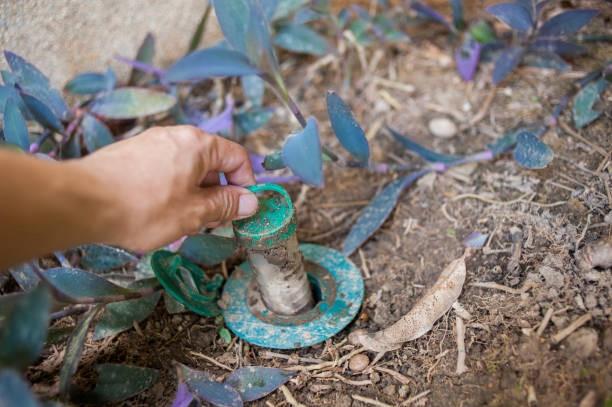
Alabama Professional Services: a subterranean termite worker on a textured surface.
Termite · Since 1977

Signs of Termite Infestation: Where to Look, Room by Room

This is a room by room guide to checking your own house. When something turns up, Alabama Professional Services can confirm whether it is a live colony, at no charge.

Most termite infestations are found by accident, during a renovation, a repair or a home sale, because termites work inside the wood and out of sight. That is not a reason to worry about every creak. It is a reason to know the handful of places worth checking, and what you are actually looking for when you get there.

Alabama

Let's Take the First Step Toward a Healthy Home

A local specialist will inspect your home, walk you through the findings, and send a clear estimate. No cost, no pressure.

BBB Accredited A+
Fully Insured

How the Price Is Set

The inspection is free. Treatment is quoted after it, because the species, the construction and the findings set the scope.

In Depth

What Does the Full Guide Cover?

Read the Full Guide Hide the Full Guide

Most termite infestations are found by accident, during a renovation, a repair or a home sale, because termites work inside the wood and out of sight. That is not a reason to worry about every creak. It is a reason to know the handful of places worth checking, and what you are actually looking for when you get there.

CH 01

What Are the Signs of a Live Termite Infestation?

Damage tells you termites were there. A live infestation shows itself differently, and these are the signs that point to a colony that is still active. Every termite warning sign has its own page.

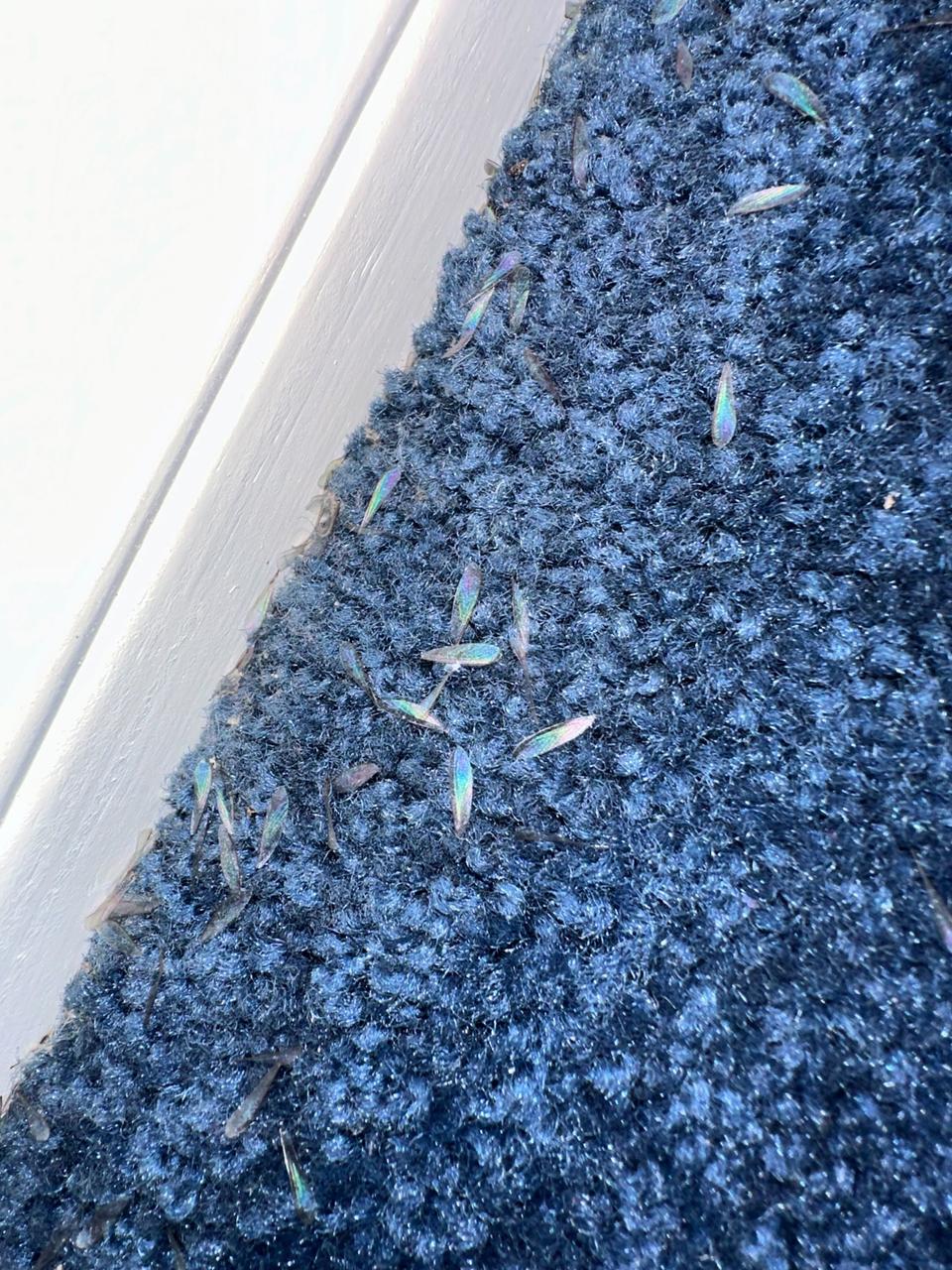
Swarmers and wings. A mature colony sends out winged reproductives, usually in spring, and they shed their wings after they land. A drift of identical wings on a sill or by a door is often the first thing people notice. Across Alabama, swarms usually run from early March on the coast to early April in north Alabama, with Formosan termites about a month later, at dusk near lights. Our guide to discarded swarmer wings covers what they look like up close.

Mud tubes.

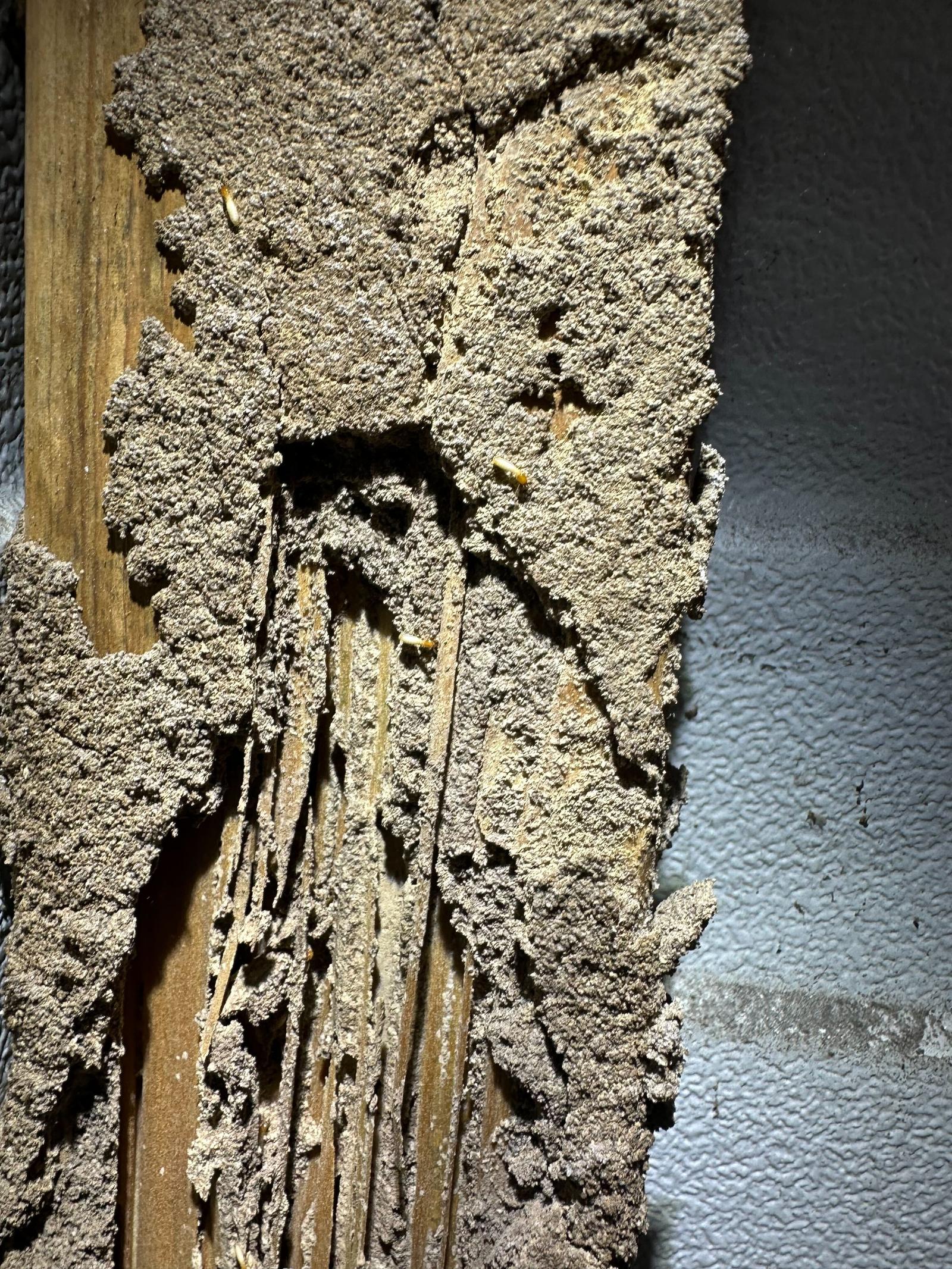
Subterranean termites live in the soil and build pencil width tubes of soil to reach the wood of the house. A tube that is rebuilt after a piece breaks away is in use. Mud tubes on the foundation are the most common sign on Alabama homes.

Pellets.

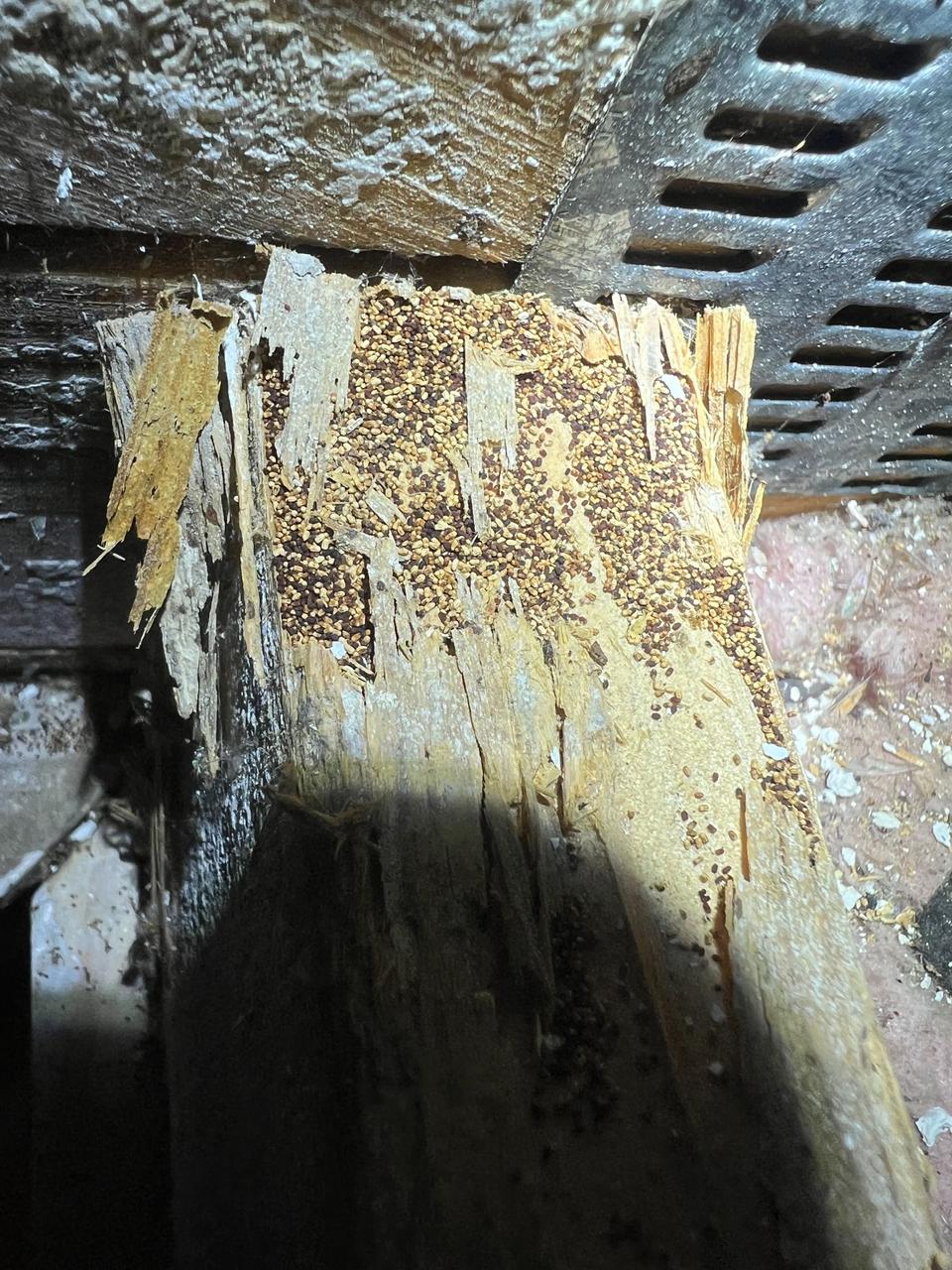
Drywood termites live inside the timber and push small, hard, six sided pellets out through tiny holes. A pile that comes back after you sweep it usually means the colony is still feeding, and our page on termite frass explains how to tell it from sawdust.

Live insects.

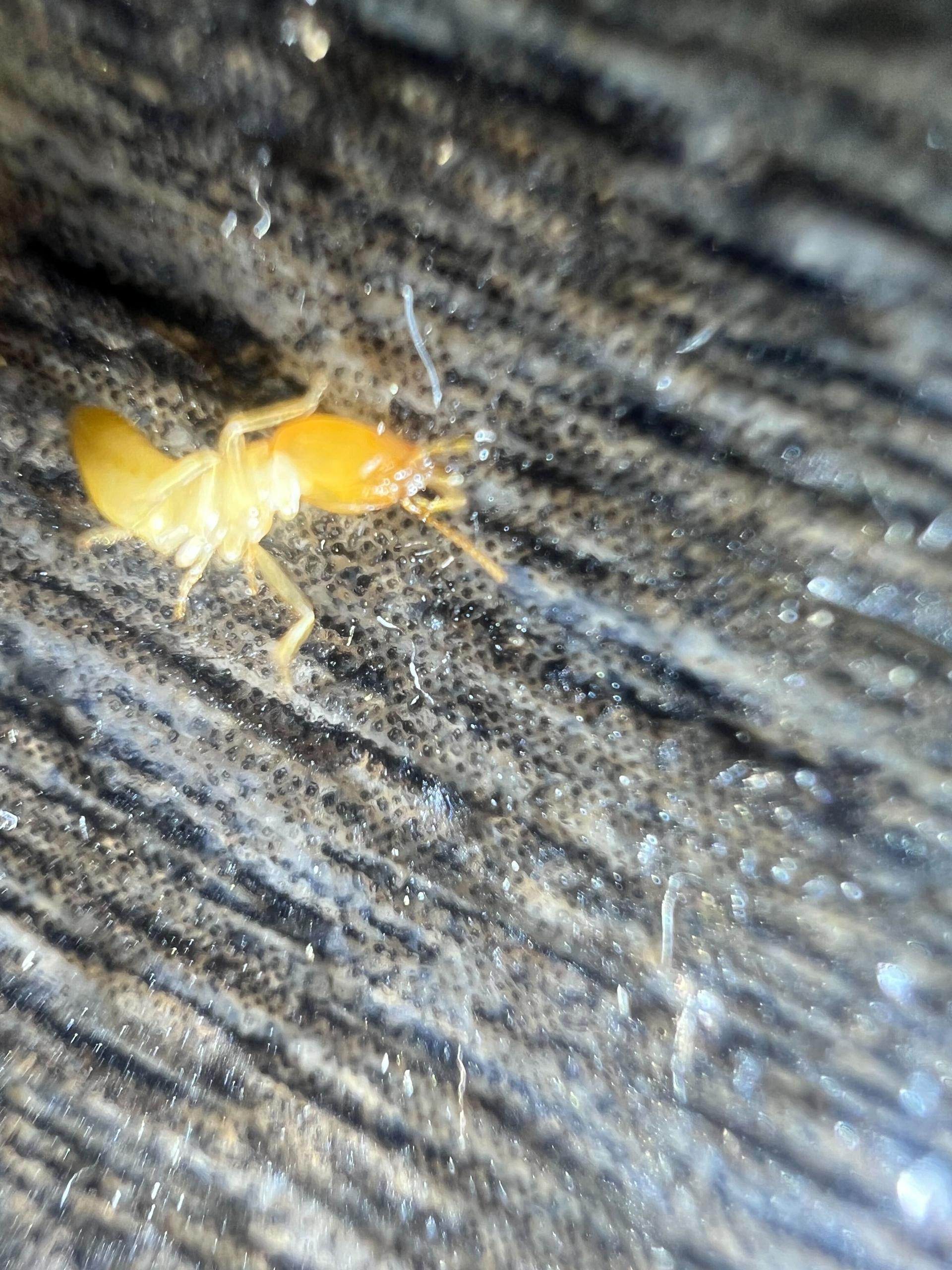
Pale, soft bodied insects in a broken tube, in damaged wood or under a board laid on the soil settle the question straight away.

CH 02

Where Should You Look for Termites, Room by Room?

Bathrooms, kitchens and laundry rooms.

Moisture draws subterranean termites, so check under sinks, around the base of tubs and toilets, behind the washer and wherever a leak has ever been. On a slab home, the openings around plumbing where it comes up through the floor are a common entry point.

The crawl space.

If your house has one, this is usually where termite work is easiest to see. Look along the sill plate, the joists, the piers and the block walls for tubes and for wood that sounds hollow or dents easily.

The attic.

Drywood termites often turn up in attic framing and roof sheathing, where pellets collect on insulation or the tops of joists. Formosan colonies can also nest above ground in a roof void.

Window and door frames.

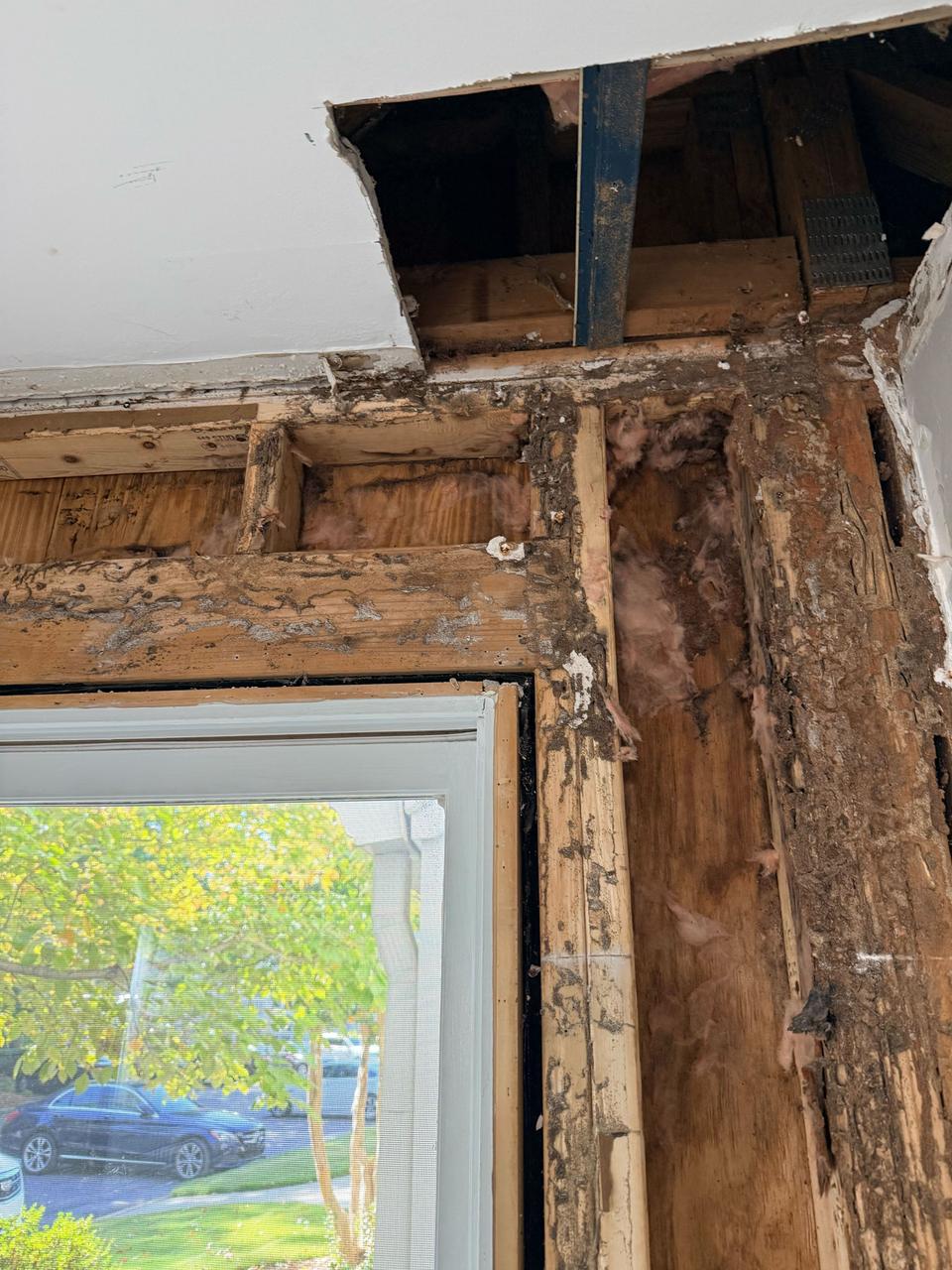
These are where wings usually collect after a swarm and where damage often shows first, because the wood is close to the outside and often close to moisture. A frame that suddenly starts to bind is worth tapping along.

Baseboards and trim on exterior walls.

Tap along the whole run, listening for the change from a solid knock to a hollow one. Paint that bubbles or peels like water damage can be termites tunneling just under the surface.

The outside of the house.

Walk the foundation and look at the soil line: tubes on the block or slab edge, siding that runs down to the ground, mulch piled against the wall, firewood stacked by the house, and deck posts or porch steps set in soil.

CH 03

Why Do Old Termite Damage and a Live Colony Look Alike?

Termite damage stays in the wood long after the colony that caused it has gone, so a house treated years ago can carry damaged boards with nothing living in them. The signs above are the ones that separate the two: tubes that rebuild, fresh pellets, live insects and wings from this season. Damage on its own is covered in our guide to what termite damage looks like.

CH 04

Which Signs Are Usually Something Other Than Termites?

Not everything that looks like termites is. Flying ants often swarm at the same time of year; they have elbowed antennae, a pinched waist and a front wing pair larger than the back, where termites have straight antennae, no waist and wings of equal length. Sawdust like shavings with no pellets usually point to carpenter ants. A door that sticks in August and eases in January is usually Alabama humidity. None of that means ignore it. One sign on its own is a reason to look closer, and an inspection tells you what it means.

CH 05

What Should You Do When You Find Signs of Termites?

Scraping tubes away, sweeping up every pellet or treating anything first removes the evidence a technician uses to identify the species. Then book a free termite inspection. The technician will tell you whether it is a live colony, old damage or something else entirely, and which species is involved, because Alabama has three and each is treated differently.

Where treatment is needed, the recommendation names the option: a Termidor SC liquid barrier or Sentricon Always Active stations for subterranean termites, and treatment in the wood itself for drywood termites. Bond coverage is available, renewable annually and transferable to the new owner when the home is sold. Schedule your free inspection whenever something has you wondering.

Regional Context

Which Termite Species Live in Alabama?

Alabama has three termite species, and each needs its own approach. Subterranean termites are the most common, live underground and build mud shelter tubes all year. Formosan termites are more aggressive and are spreading inland from the Gulf Coast, and drywood termites, less common and found more in coastal and southern Alabama, leave six sided pellets. Subterranean swarms start on the coast in early March, reach the Birmingham metro by mid to late March and north Alabama by early April; Formosan swarms come about a month later, at dusk near lights.

Problem Signs

What Is Your Home Trying to Tell You?

Each card below is a sign our technicians look for during a free inspection. Open one to read what it can mean and what we do about it.

Spotting One of These in Your Home?

Our specialists evaluate the underlying cause before recommending any work. Inspections are at no cost and there's no obligation to proceed.

Why Choose Alabama Professional Services

What You Get From APS Termite Control

Sentricon Always Active and Termidor SC

We use Sentricon Always Active baiting systems and Termidor SC liquid soil treatment, matched to the termite species and how your home is built.

Termite Bonds That Renew and Transfer

Bond coverage is available, renewable each year and transferable when you sell your home.

Official Alabama Wood Infestation Reports

We issue the Official Alabama Wood Infestation Report required for VA and FHA closings. Each report is valid for 30 days.

Unsure What You're Dealing With?

Not Sure Which Service You Need?

Pick the symptom that best fits. We'll tell you what it can mean and where to go next.

Home Problem Finder
  1. Location
  2. Symptom
  3. History
  4. Your Result

Where Are You Noticing the Problem?

Select the area of your home that best fits.

Frequently Asked Questions

Answers to Common Questions About Signs of Termite Infestation

Don't see your question here? Our team is happy to help. Reach out anytime.

Usually wings. A swarm leaves a drift of identical wings on a window sill or by a door, often before anyone has spotted a tube outside. Mud tubes on the foundation are the other common first find, especially on crawl space homes.

Scope

Is This the Right Fix for Your Home?

When Is This Not the Right Fix?

A checklist is not a diagnosis. Several of these signs have ordinary causes, and a homeowner check cannot see inside a wall, under a slab or into a crawl space too tight to enter. If you are buying or selling a home, what the lender needs for a VA or FHA purchase is an Official Alabama Wood Infestation Report.

Service areas

Serving All of Alabama

One office in Irondale. Technicians across the state.

Top cities we serve
  • Huntsville, AL
  • Montgomery, AL
  • Hoover, AL
  • Birmingham, AL
  • Madison, AL
  • Vestavia Hills, AL
  • Alabaster, AL
  • Tuscaloosa, AL
  • Auburn, AL
Check Your Service Area
The Process

How We Approach Signs of Termite Infestation

A straightforward path from the first inspection to lasting protection.

Step 01

Walk the outside

Check the foundation at the soil line for tubes, and note mulch, firewood, siding or posts that bring soil and wood together.

Step 02

Check the wet rooms

Look under sinks, around tubs and toilets, behind the washer and wherever there has been a leak, including where plumbing comes up through a slab.

Step 03

Tap the frames and trim

Tap along window and door frames and the baseboards on exterior walls, listening for a hollow sound and looking for bubbling paint.

Step 04

Look underneath and above

In a crawl space, check sills, joists and piers. In the attic, look for pellets on insulation and joists.

Step 05

Read the evidence in place

Tubes, pellets and wings are read where they are found, because their position shows the route and the species.

Step 06

Book the inspection

A technician confirms whether it is a live colony, identifies the species, and explains the lasting options. There is no charge.

Customer Reviews
Free inspection

Tell Us What You Found

From the Irondale office to any address in Alabama.

What to expect
  • A local specialist contacts you to schedule a visit.
  • Your specialist inspects the problem and explains the findings.
  • You receive an estimate with no obligation to proceed.
Prefer to call
(205) 951-9717
Alabama

Get a Free Estimate

We'll call to schedule a convenient inspection time.

BBB Accredited A+
Fully Insured

Have Questions About Signs of Termite Infestation?

A technician inspects the property, walks you through what we find, and explains the treatment we recommend, with a clear estimate before any work starts. The inspection is free.