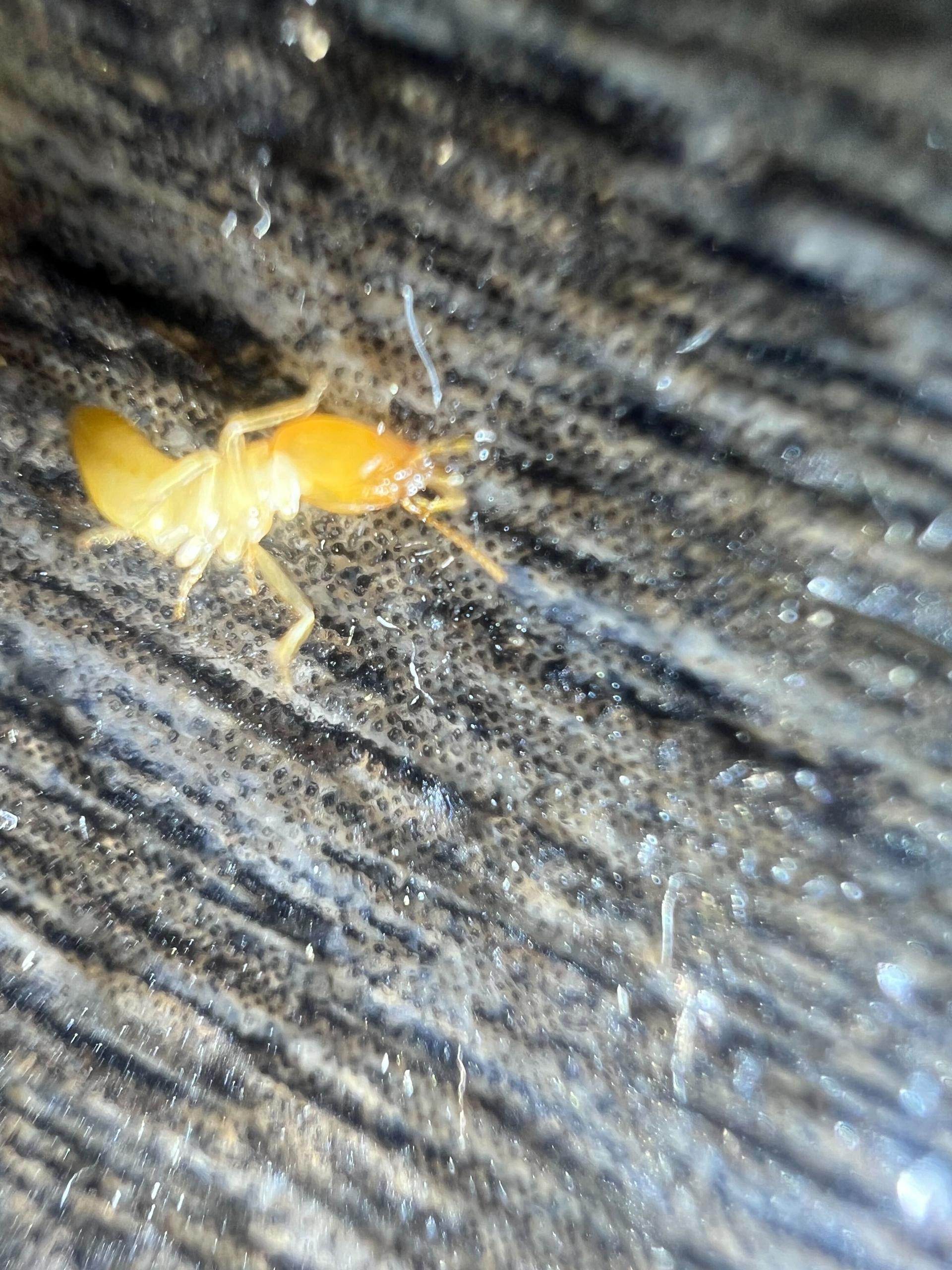
Most Alabama homes deal with native subterranean termites, and most termite advice is written for them. Formosan termites are a subterranean species too, but they behave differently enough that treating them as ordinary termites is how a plan ends up undersized from the day it is installed.
CH 01
What Makes Formosan Termites Different?
Colony size.
Formosan colonies are far larger than native subterranean ones, which means more termites feeding at once and damage that can accumulate faster once a colony reaches a house.
Above ground nests. Native subterranean termites need regular contact with the soil and travel through mud shelter tubes to reach wood. Formosan termites can build carton nests inside a wall, a roof void or an attic, where a leaking roof, a plumbing leak or condensation keeps them supplied with moisture. A colony like that can survive without constant contact with the soil, so a treatment aimed only at the ground around the house can miss it.
Where they are.
They have been spreading inland from the Gulf Coast, and the Mobile and Gulf Coast area is where they are most active. That makes species identification a real question anywhere in the southern half of the state, and increasingly further north.
CH 02
How Do You Recognize a Formosan Termite Swarm?
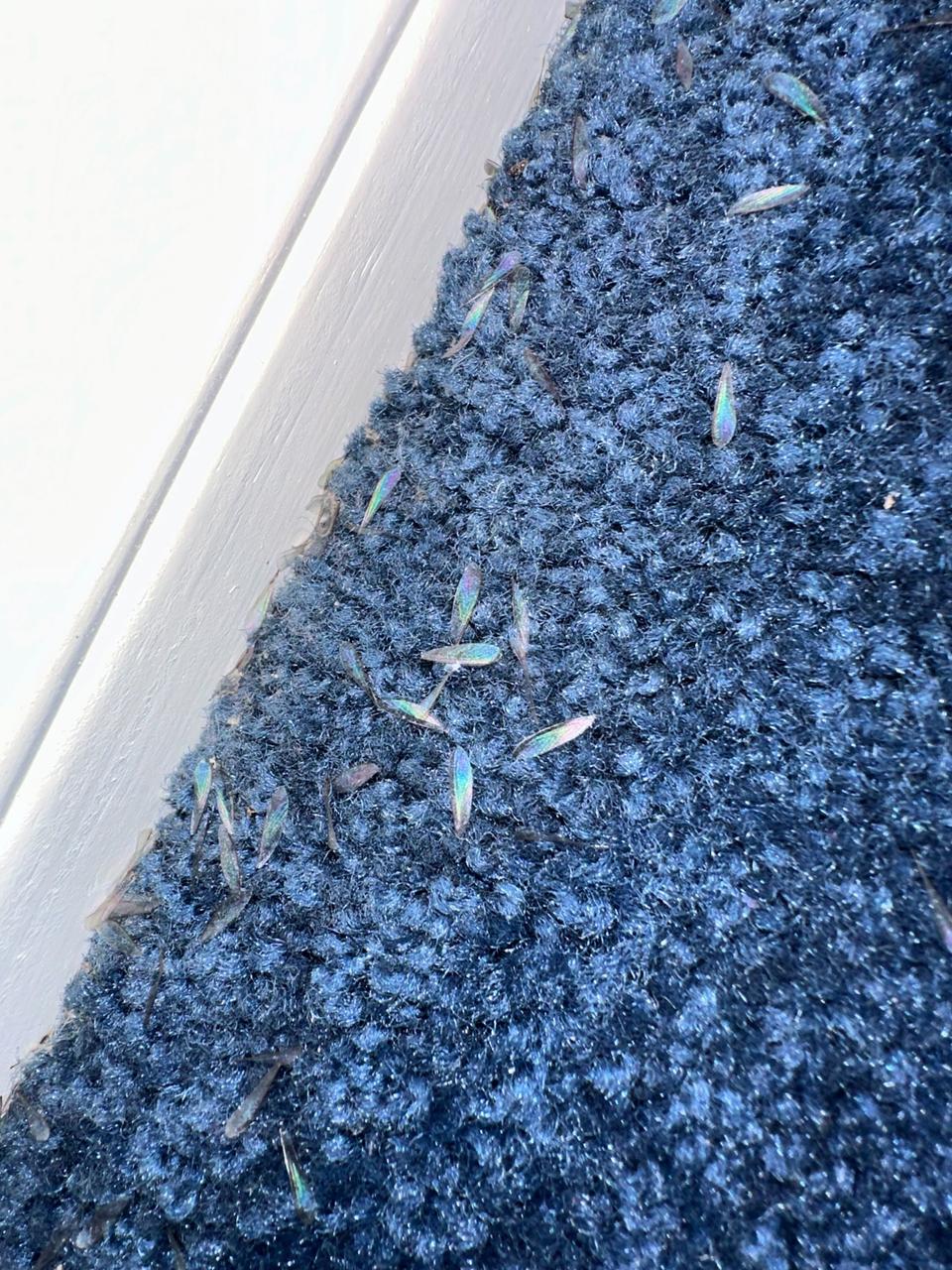
The swarm is often the first clue. Native subterranean termites usually swarm in daylight in spring, from early March on the coast to early April in north Alabama. Formosan termites swarm about a month later, peaking in May, and they swarm at dusk, drawn to lights. A heavy evening swarm at a porch light or a lit window in late spring is a strong reason to have the species confirmed, and the wings they leave behind are worth keeping for the technician.
CH 03
Signs of Formosan Termites to Watch For
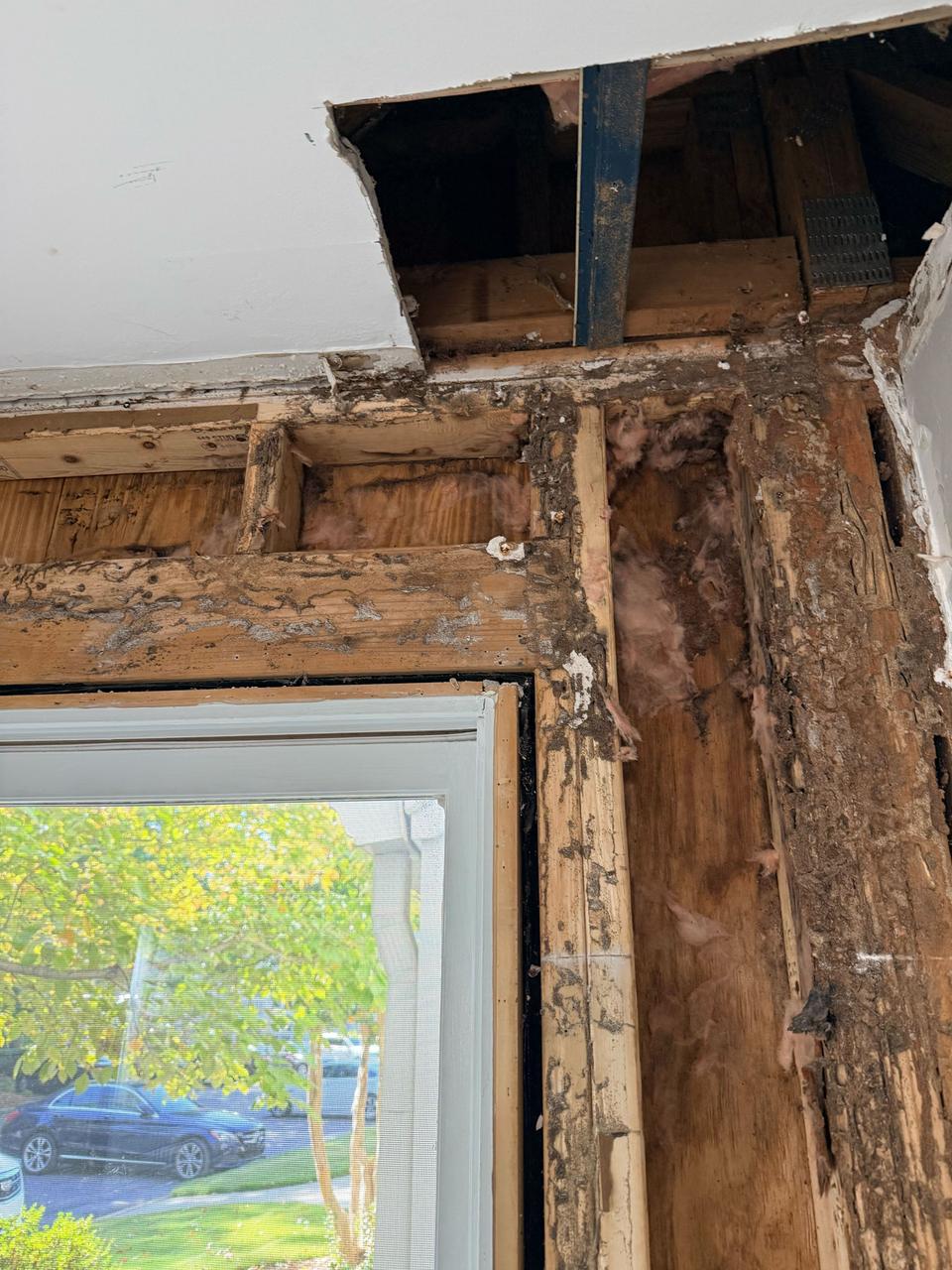
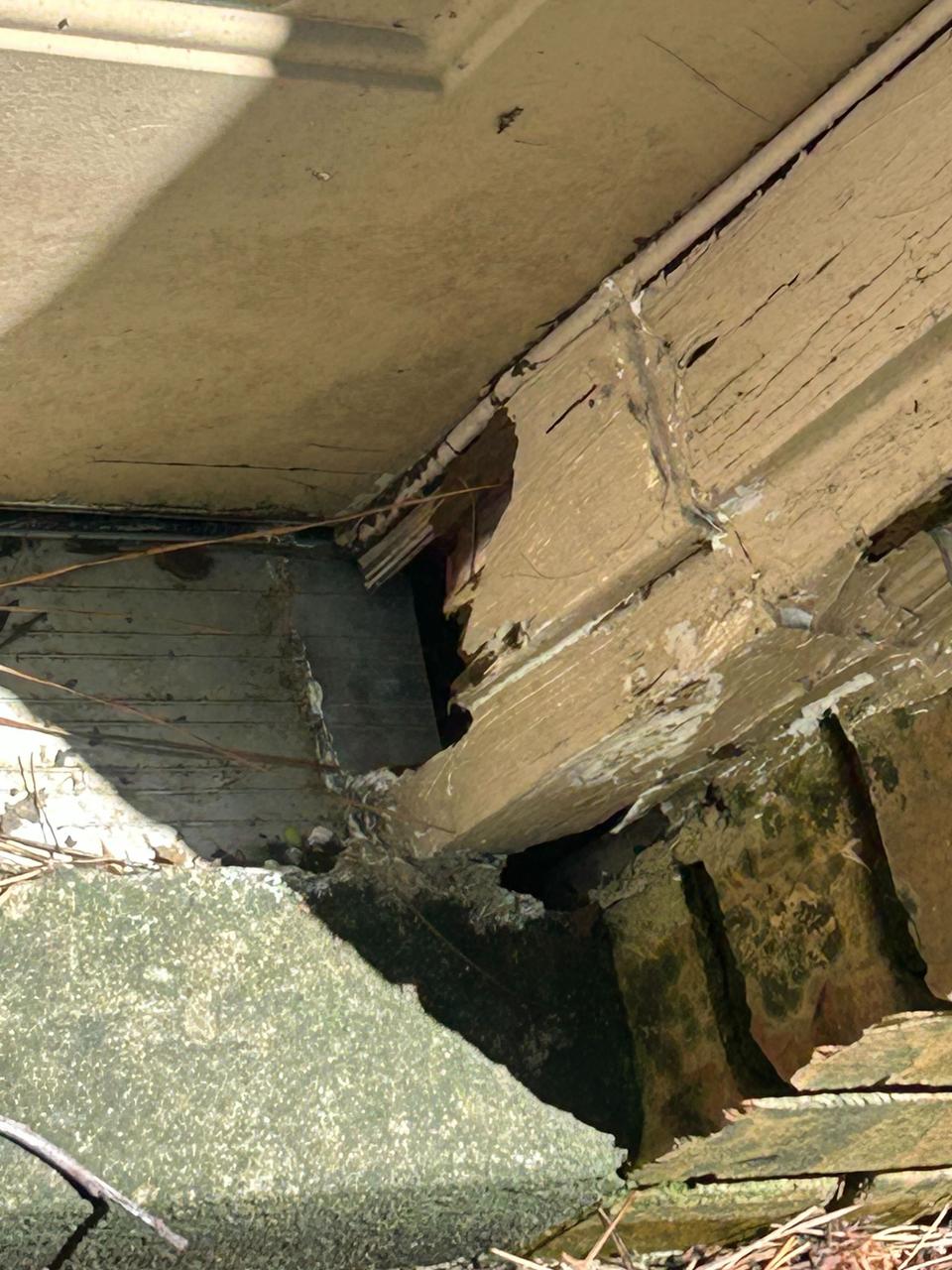
Formosan damage often goes unnoticed behind walls and under floors until it is well along, so the signs are the ones that show through surfaces: paint that bubbles or peels, wood that sounds hollow when tapped, floors that start to feel soft, and wings near windows and lights. Because of the above ground nests, check the attic and upper floors as well as the foundation, particularly anywhere there has been a roof or plumbing leak.
CH 04
Why Identifying Formosan Termites Comes First
A soil approach is still part of dealing with Formosan termites, because the colony usually starts in the ground. The difference is that the plan has to account for the possibility of a nest above ground as well. That is why a Formosan inspection looks up as well as down, into the attic and around any source of moisture inside the structure, before a recommendation is made.
Where treatment is needed, the recommendation names the method and the reason. For the soil, that is a Termidor SC barrier or Sentricon Always Active stations, chosen for how the house is built and what is found, with any above ground activity dealt with as part of the same plan.
CH 05
How to Make Your Home Less Attractive to Formosan Termites
Moisture is what lets a Formosan colony settle into a structure, so the practical steps are the same ones that matter for any termite, with more weight on keeping water out of the building. Keep gutters clean and make sure water drains away from the foundation. Fix roof and plumbing leaks. Leave a gap between mulch and the siding so soil and wood do not meet at the wall. None of that replaces inspection, but it takes away what Formosan termites need.
CH 06
Formosan Termites on the Alabama Gulf Coast
Formosan pressure is highest near the Gulf, and drywood termites are also found more often in coastal and southern Alabama, so coastal homes can deal with both. The two are treated completely differently, which is one more reason the species is identified before anything else. Bond coverage is available, renewable annually and transferable to the new owner when the home is sold. Schedule your free inspection if you have seen an evening swarm or anything else that has you wondering.