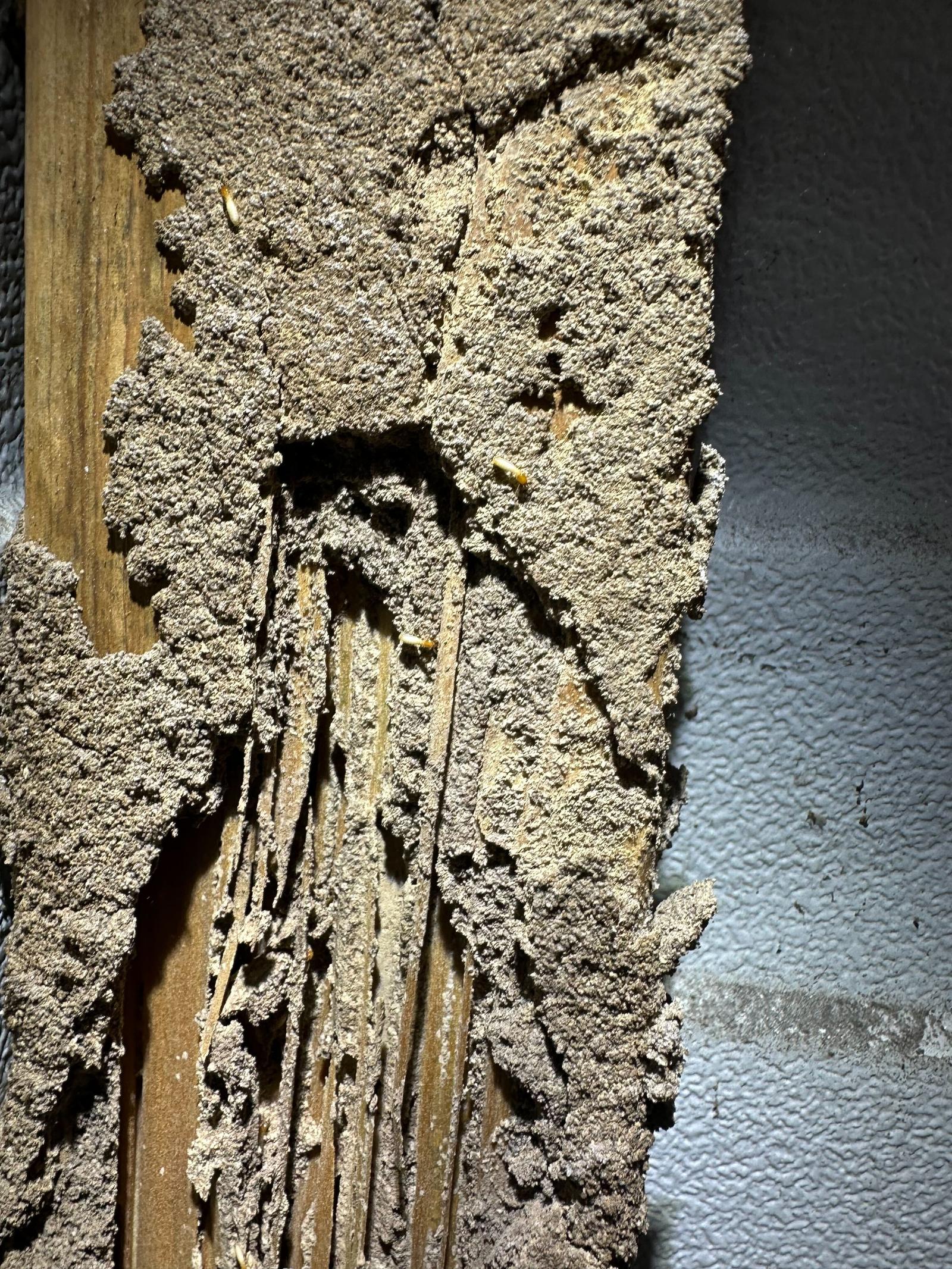
Alabama Professional Services: a subterranean termite worker on a textured surface.
Termite · Since 1977

Drywood Termites: The Species That Lives Inside the Wood

They turn up most often in coastal and southern Alabama. Alabama Professional Services identifies them before recommending anything, at no charge.

Most termite advice, and most termite treatment, is built for species that live in the soil. Drywood termites are the exception. A colony spends its whole life inside a piece of timber, which means the signs are different, the places to look are different, and the treatment has to go into the wood itself.

Alabama

Let's Take the First Step Toward a Healthy Home

A local specialist will inspect your home, walk you through the findings, and send a clear estimate. No cost, no pressure.

BBB Accredited A+
Fully Insured

How the Price Is Set

The inspection is free. Treatment is quoted after it, because how much of the structure is involved sets the scope.

In Depth

What Does the Full Guide Cover?

Read the Full Guide Hide the Full Guide

Most termite advice, and most termite treatment, is built for species that live in the soil. Drywood termites are the exception. A colony spends its whole life inside a piece of timber, which means the signs are different, the places to look are different, and the treatment has to go into the wood itself.

CH 01

How Do Drywood Termites Live?

A drywood colony starts when a swarming pair finds a crack or joint in exposed wood and seals itself inside. From then on the colony lives and feeds within that timber, with no contact with the soil and no need for it. They keep their galleries clear by pushing their waste out through pinhead sized kick out holes, and because the colony lives entirely in the wood, it can travel with it: furniture, picture frames and salvaged lumber can carry drywood termites into a house that had none.

CH 02

Where Are Drywood Termites Found in Alabama?

Drywood termites turn up more often in coastal and southern Alabama than in the north of the state. Inside a house, look at window trim, door frames, exposed beams, eaves, attic framing and wooden furniture, anywhere dry wood is exposed.

CH 03

What Signs Do Drywood Termites Leave?

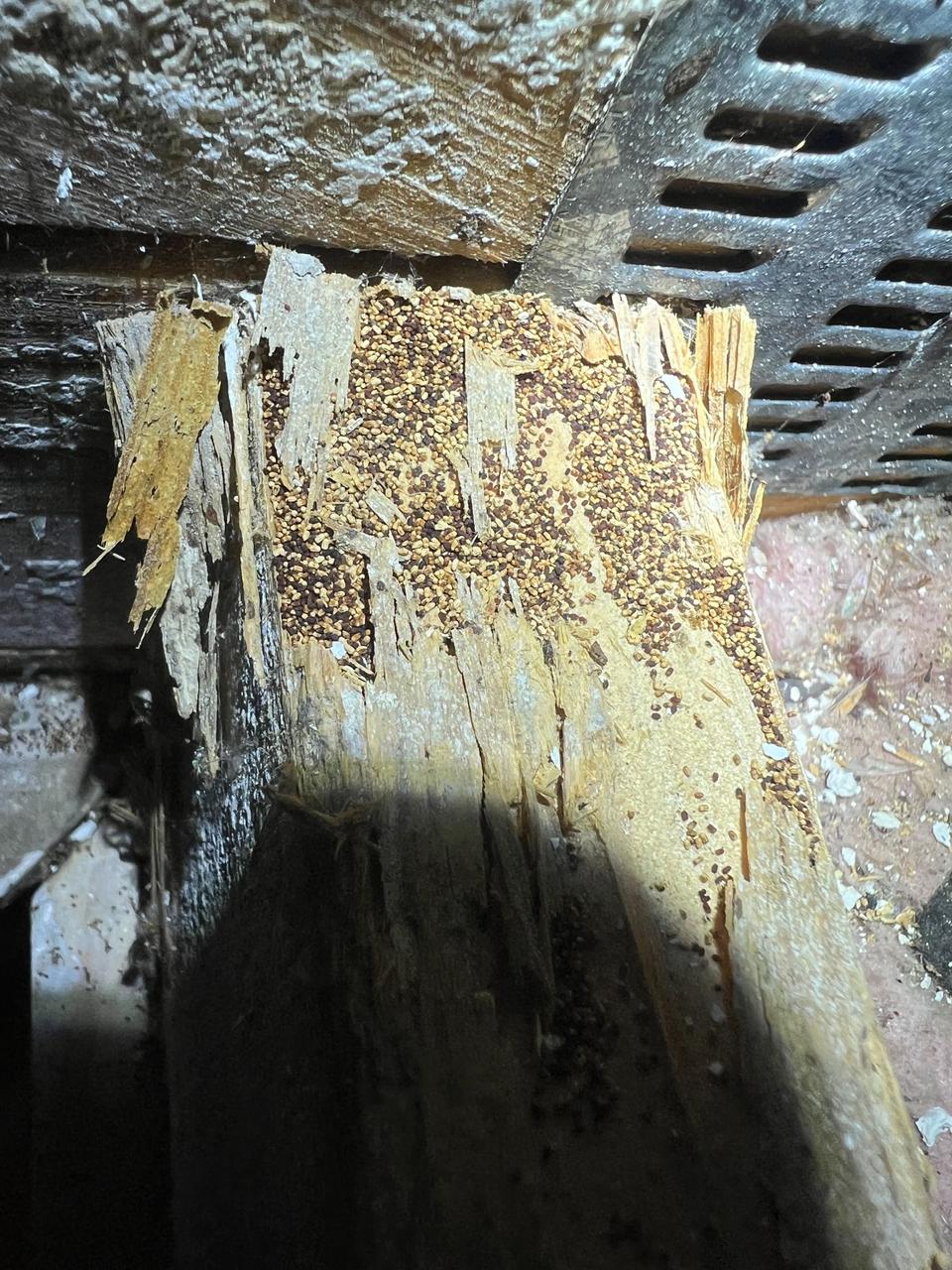
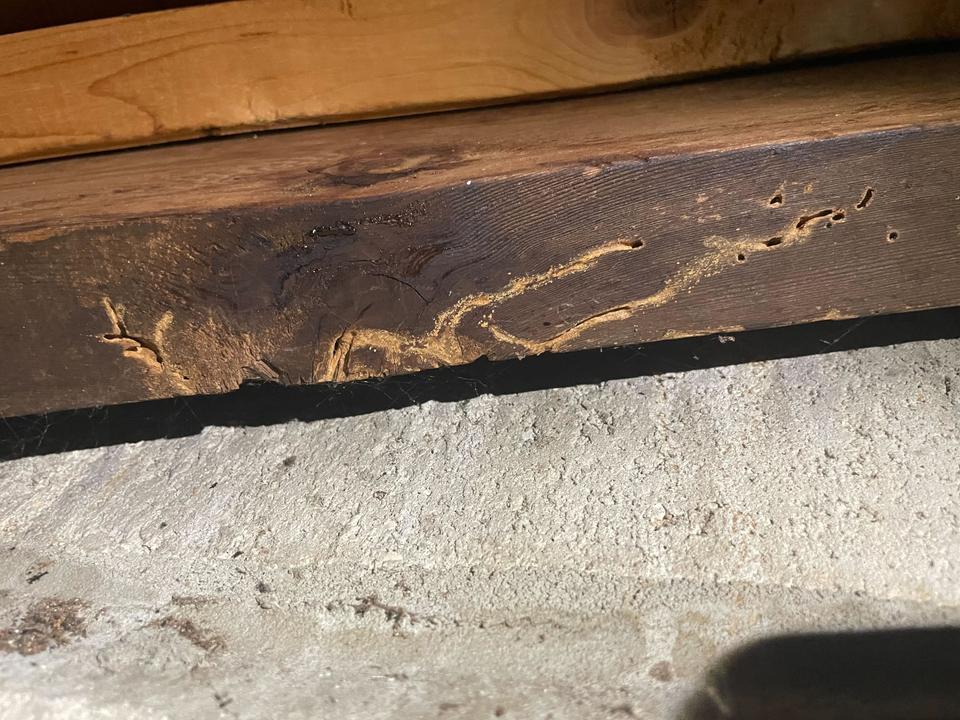
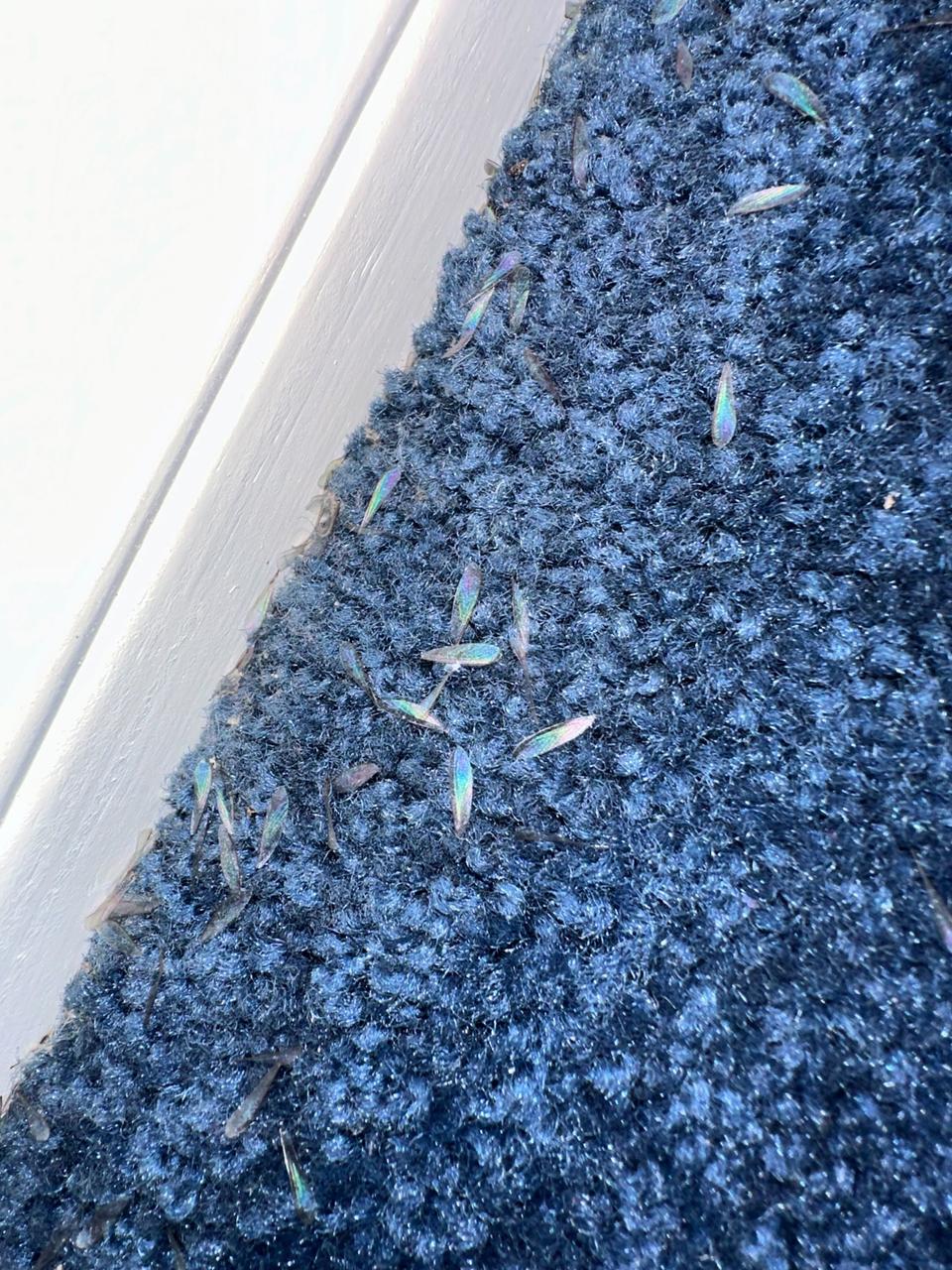
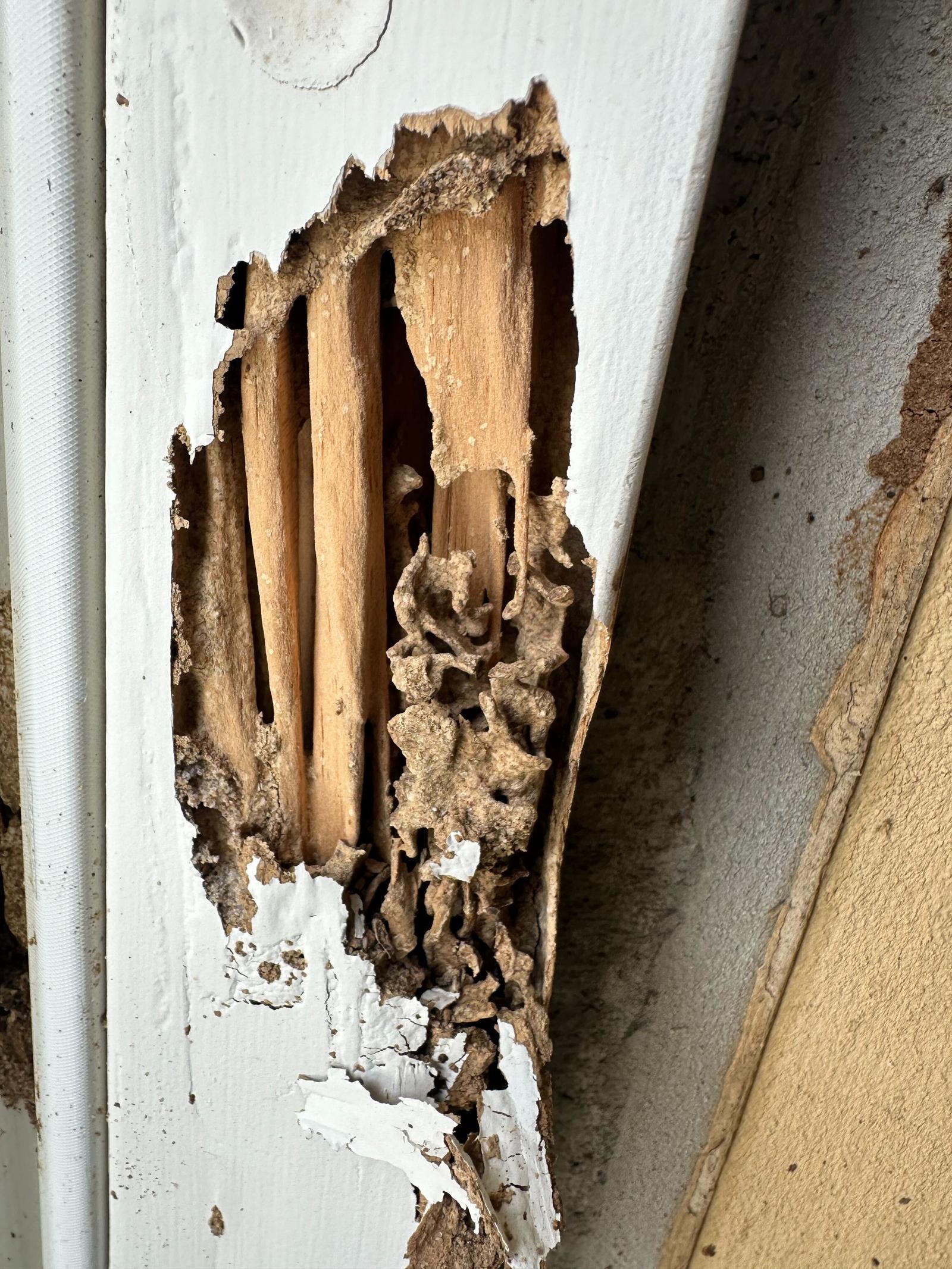
The clearest sign is small six sided pellets collecting in a pile under the wood, often looking like coarse sand or coffee grounds. A pile that comes back after you sweep it up means the colony is still feeding. Other signs are the tiny holes above the pellets, paint that ripples or blisters over galleries near the surface, wood that sounds hollow when tapped, and wings near the same piece of wood after the colony swarms. What you will not see is a mud tube, and the other signs of an infestation that point to soil termites.

CH 04

Why Do Soil Treatments Miss Drywood Termites?

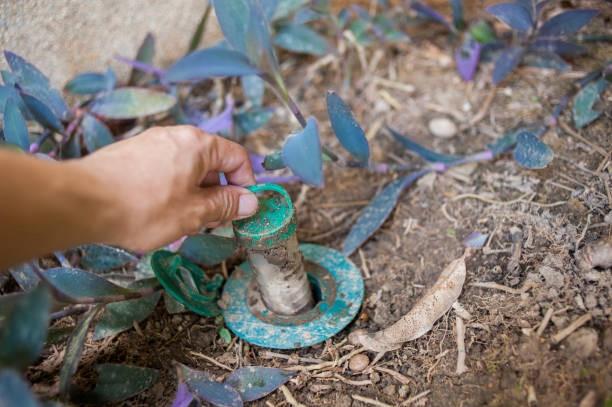
A liquid treatment in the soil and Sentricon Always Active bait stations in the ground both work because subterranean termites travel through the soil. Drywood termites never do, so neither reaches them. That is the single most important thing to know about this species, and it is why a house with drywood termites and a treatment built for subterranean ones can still have an active colony. The treatment has to be applied to the wood the colony is living in, and which approach fits depends on how much of the structure is involved.

CH 05

Is It Drywood Termites, Carpenter Ants or Beetles?

Several insects bore into wood, and they are treated differently. Carpenter ants leave soft, sawdust like shavings, with no hard pellets. Powderpost beetles leave fine, flour like powder under small round holes. Carpenter bees drill neat round entrances into fascia and eaves. The pellets are the difference: hard, uniform, six sided pellets mean drywood termites. Telling termites from ants covers the swarmers too.

CH 06

Drywood Termites on the Alabama Coast

Coastal homes can have drywood termites and Formosan termites at the same time, and the two need completely different approaches, so identifying the species comes before anything else. Bond coverage is available, renewable annually and transferable to the new owner when the home is sold. Schedule your free inspection if you have found pellets or anything else that has you wondering.

Regional Context

Which Termite Species Live in Alabama?

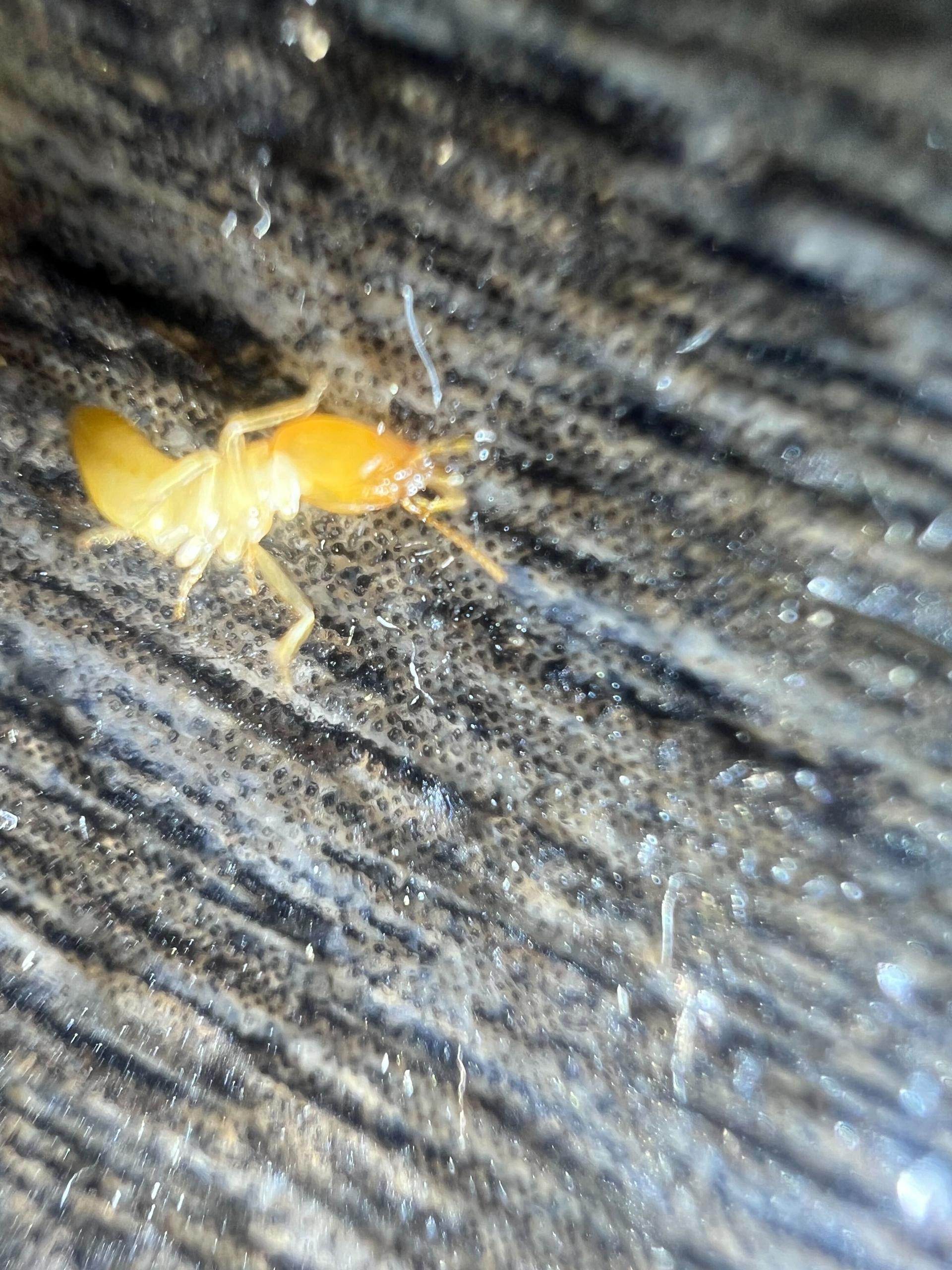
Alabama has three termite species, and each needs its own approach. Subterranean termites are the most common, live underground and build mud shelter tubes all year. Formosan termites are more aggressive and are spreading inland from the Gulf Coast, and drywood termites, less common and found more in coastal and southern Alabama, leave six sided pellets. Subterranean swarms start on the coast in early March, reach the Birmingham metro by mid to late March and north Alabama by early April; Formosan swarms come about a month later, at dusk near lights.

Problem Signs

What Is Your Home Trying to Tell You?

Each card below is a sign our technicians look for during a free inspection. Open one to read what it can mean and what we do about it.

Spotting One of These in Your Home?

Our specialists evaluate the underlying cause before recommending any work. Inspections are at no cost and there's no obligation to proceed.

Why Choose Alabama Professional Services

What You Get From APS Termite Control

Sentricon Always Active and Termidor SC

We use Sentricon Always Active baiting systems and Termidor SC liquid soil treatment, matched to the termite species and how your home is built.

Termite Bonds That Renew and Transfer

Bond coverage is available, renewable each year and transferable when you sell your home.

Official Alabama Wood Infestation Reports

We issue the Official Alabama Wood Infestation Report required for VA and FHA closings. Each report is valid for 30 days.

Unsure What You're Dealing With?

Not Sure Which Service You Need?

Pick the symptom that best fits. We'll tell you what it can mean and where to go next.

Home Problem Finder
  1. Location
  2. Symptom
  3. History
  4. Your Result

Where Are You Noticing the Problem?

Select the area of your home that best fits.

Frequently Asked Questions

Answers to Common Questions About Drywood Termites

Don't see your question here? Our team is happy to help. Reach out anytime.

Look for small, hard, six sided pellets collecting under a piece of wood, often with tiny holes above them, and no mud tubes anywhere. That combination points to drywood termites. A technician confirms it.

Scope

Is This the Right Fix for Your Home?

When Is This Not the Right Fix?

A drywood inspection can only check wood it can see or reach. A colony inside a sealed wall or a piece of furniture may show no sign until it pushes pellets out. And the pellets on their own do not tell you how far the colony has spread through the structure.

Service areas

Serving All of Alabama

One office in Irondale. Technicians across the state.

Top cities we serve
  • Huntsville, AL
  • Montgomery, AL
  • Hoover, AL
  • Birmingham, AL
  • Madison, AL
  • Vestavia Hills, AL
  • Alabaster, AL
  • Tuscaloosa, AL
  • Auburn, AL
Check Your Service Area
The Process

How We Approach Drywood Termites

A straightforward path from the first inspection to lasting protection.

Step 01

Confirm the species

Pellets, holes, wings and the damage itself are examined to confirm drywood termites and rule out beetles, ants or subterranean termites.

Step 02

Find every piece involved

Trim, frames, beams, attic framing and furniture near the find are checked, because swarmers spread colonies to nearby wood.

Step 03

Judge the extent

How much of the structure is involved decides which approach fits.

Step 04

Treat the wood

The treatment is applied to the wood the colony lives in, not to the soil.

Step 05

Check for other species

On coastal homes especially, the inspection also looks for Formosan and subterranean activity.

Step 06

Keep it protected

Bond coverage is available where the home goes under ongoing protection, renewable annually and transferable when the home is sold.

Customer Reviews
Free inspection

Tell Us What You Found

From the Irondale office to any address in Alabama.

What to expect
  • A local specialist contacts you to schedule a visit.
  • Your specialist inspects the problem and explains the findings.
  • You receive an estimate with no obligation to proceed.
Prefer to call
(205) 951-9717
Alabama

Get a Free Estimate

We'll call to schedule a convenient inspection time.

BBB Accredited A+
Fully Insured

Have Questions About Drywood Termites?

A technician inspects the property, walks you through what we find, and explains the treatment we recommend, with a clear estimate before any work starts. The inspection is free.