Spring in Alabama brings warm weather, blooming azaleas and, every year, swarming insects. If you have spotted winged insects around your window sills in Birmingham, Huntsville or Montgomery, you might be asking whether these are just ants or whether you have a termite problem. It is a question our team at Alabama Professional Services hears often, and it has a reliable answer.
CH 01
How Do You Tell Termites From Ants?
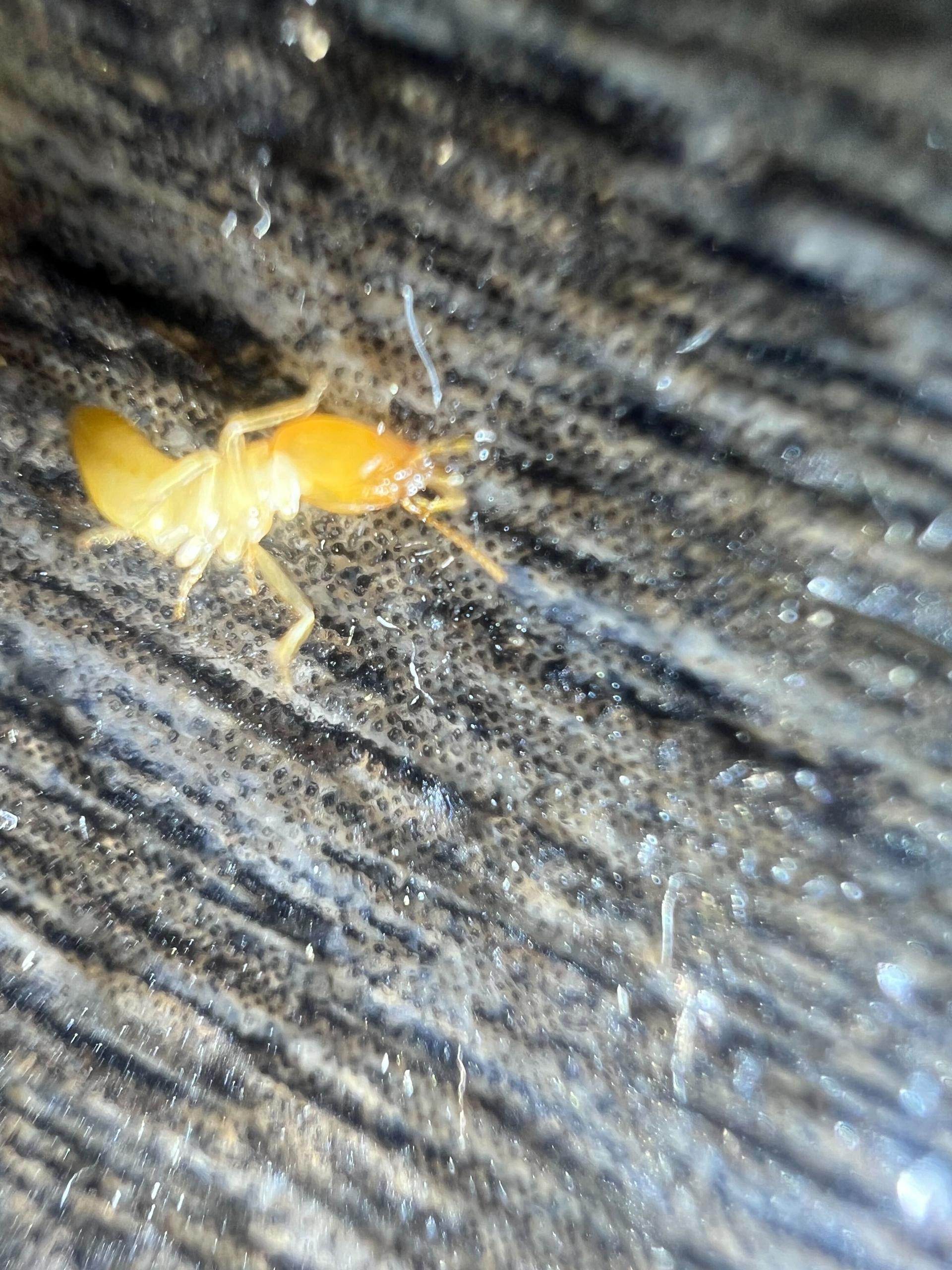
To the untrained eye, a swarming carpenter ant and a swarming termite look remarkably similar. Up close, three features settle it.
- The waist. Ants have a clearly pinched waist, like a wasp. Termites have a thick, uniform body with no waist, so they look like one long cylinder.
- The antennae. Ant antennae are bent, or elbowed. Termite antennae are straight.
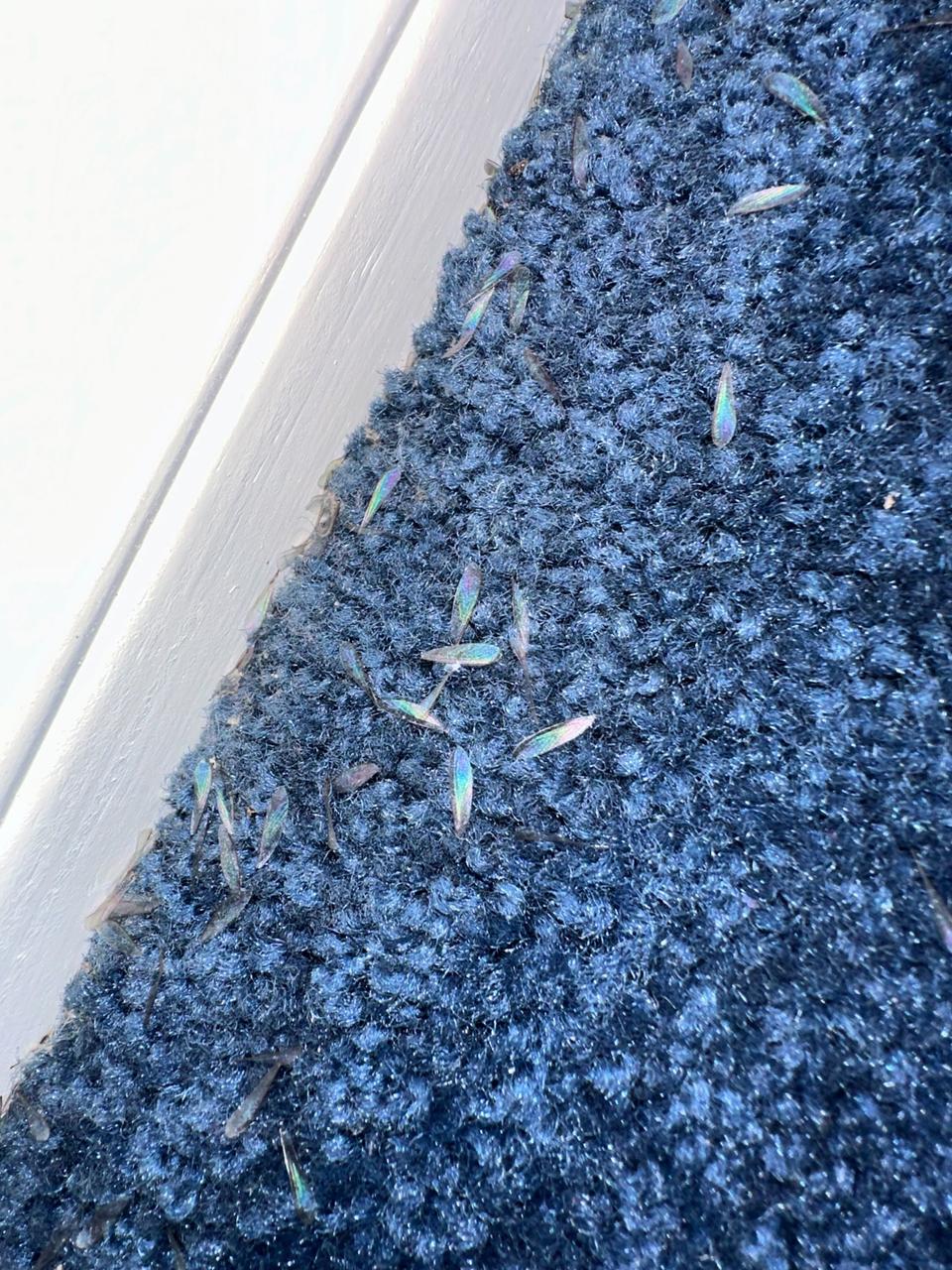
- The wings. Both have four wings. A termite's are all the same length; an ant's front pair is noticeably longer than the back pair.
If the insects are gone and only wings remain, equal length wings point to termites.
CH 02
When Do Termites and Ants Swarm in Alabama?
Termite swarms usually run south to north across the state: early March on the coast, mid to late March around Birmingham, and early April in Huntsville and north Alabama. Formosan termites swarm about a month later, peaking in May, and they swarm at dusk near lights, while subterranean termites swarm in daylight. Ants swarm through the same warm months, which is exactly why the two get confused.
CH 03
How Is Termite Damage Different From Carpenter Ant Damage?
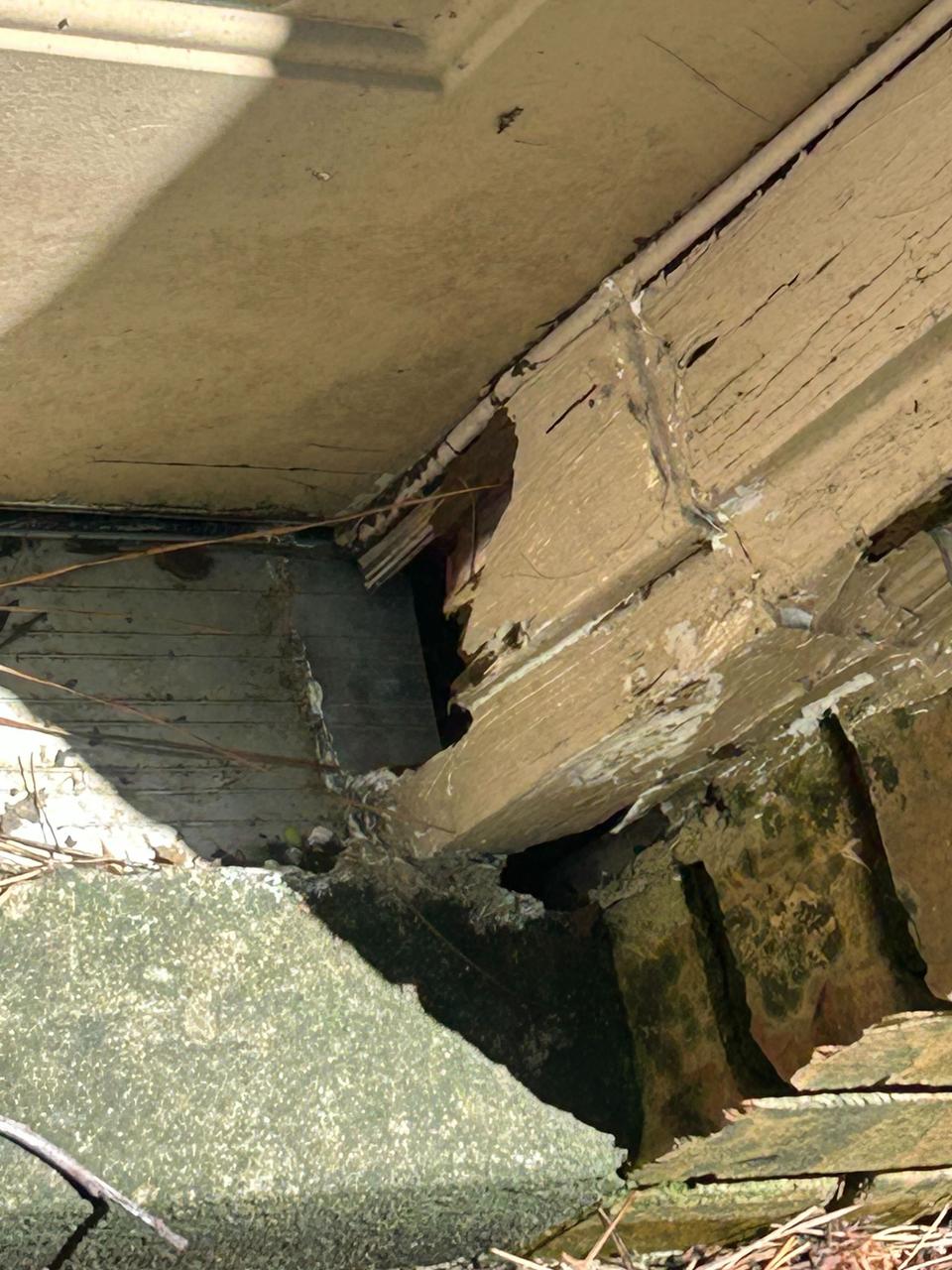
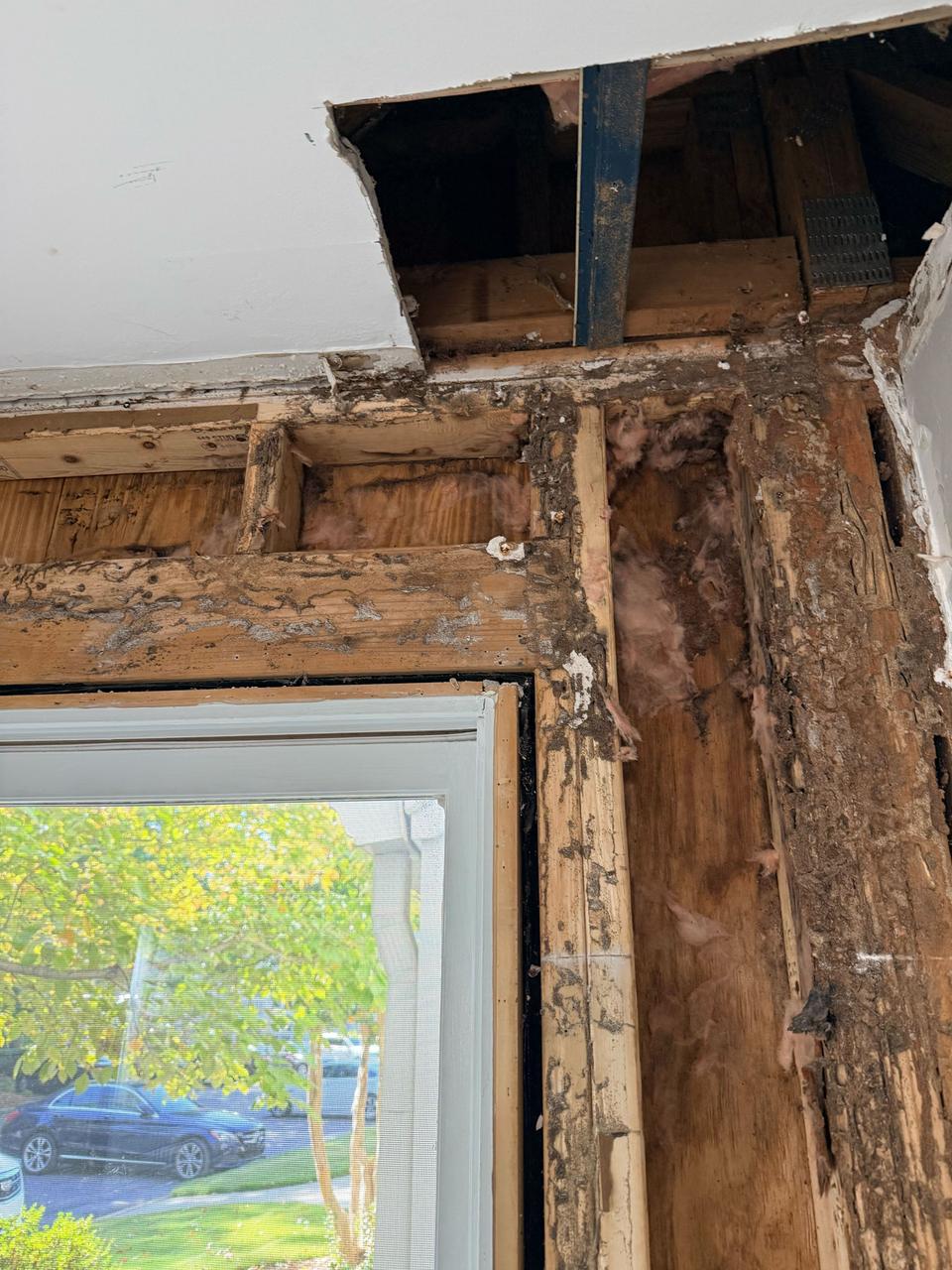
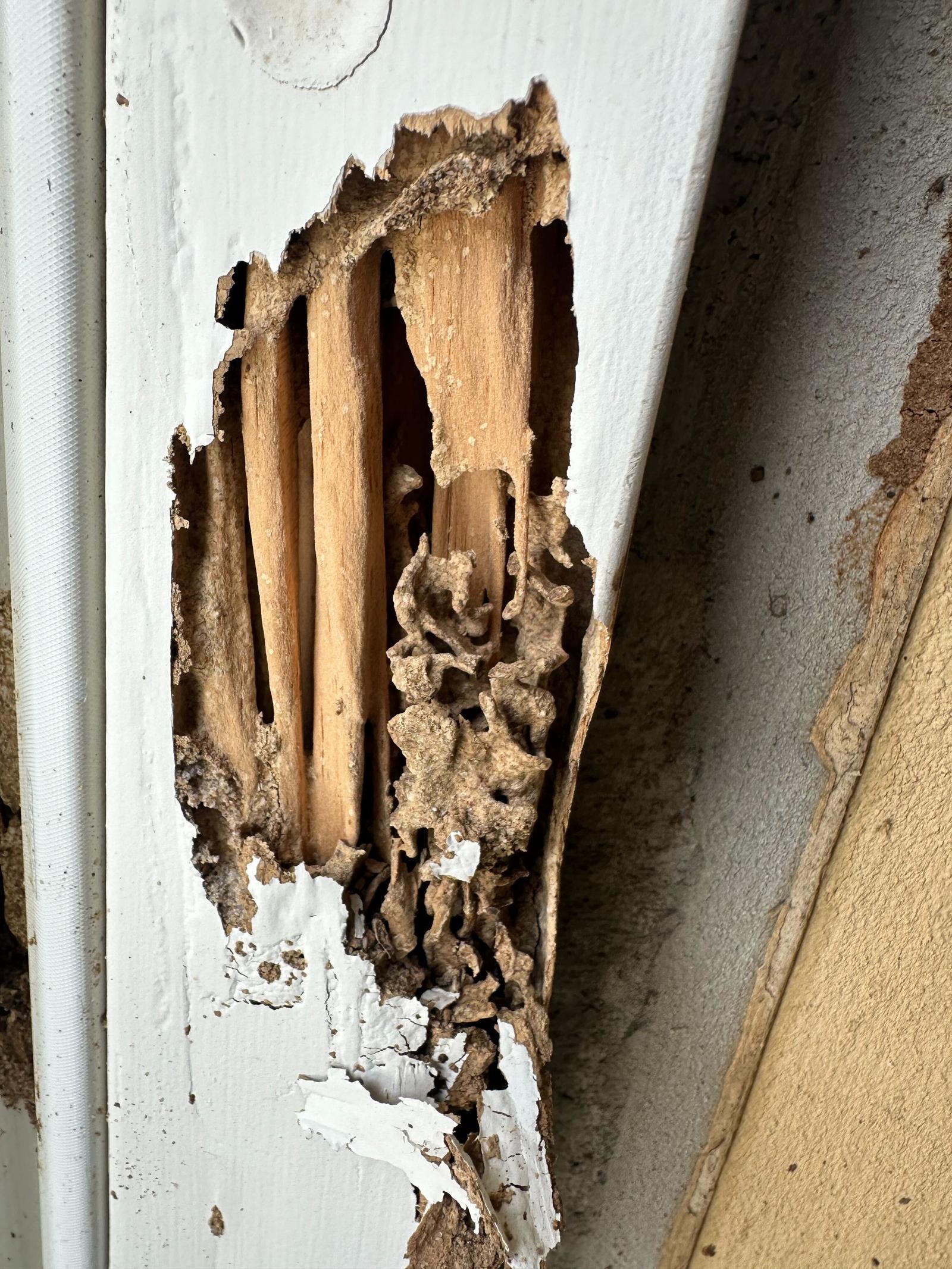
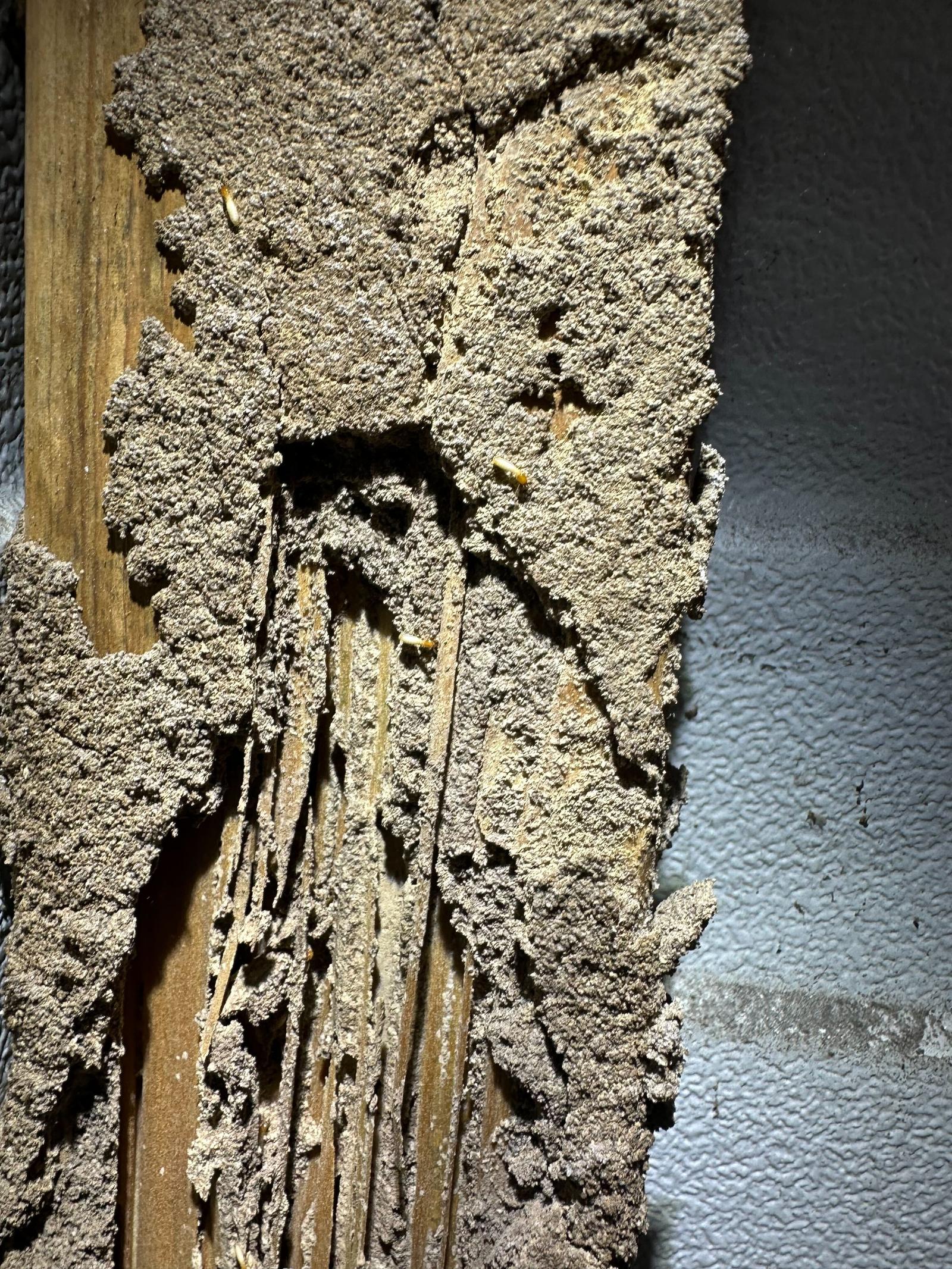
Both can damage wood, but for different reasons. Termites eat wood to survive. They work quietly from the inside out, often leaving the surface looking normal while the core is hollowed out, and subterranean termites build mud tubes up the foundation as their route from the soil to the house.
Carpenter ants do not eat wood. They excavate it to build nests, prefer moist or already damaged wood, and chew smooth, clean tunnels through it. Instead of mud tubes they leave small piles of wood shavings that look like sawdust.
CH 04
Shavings or Pellets: What the Debris Tells You
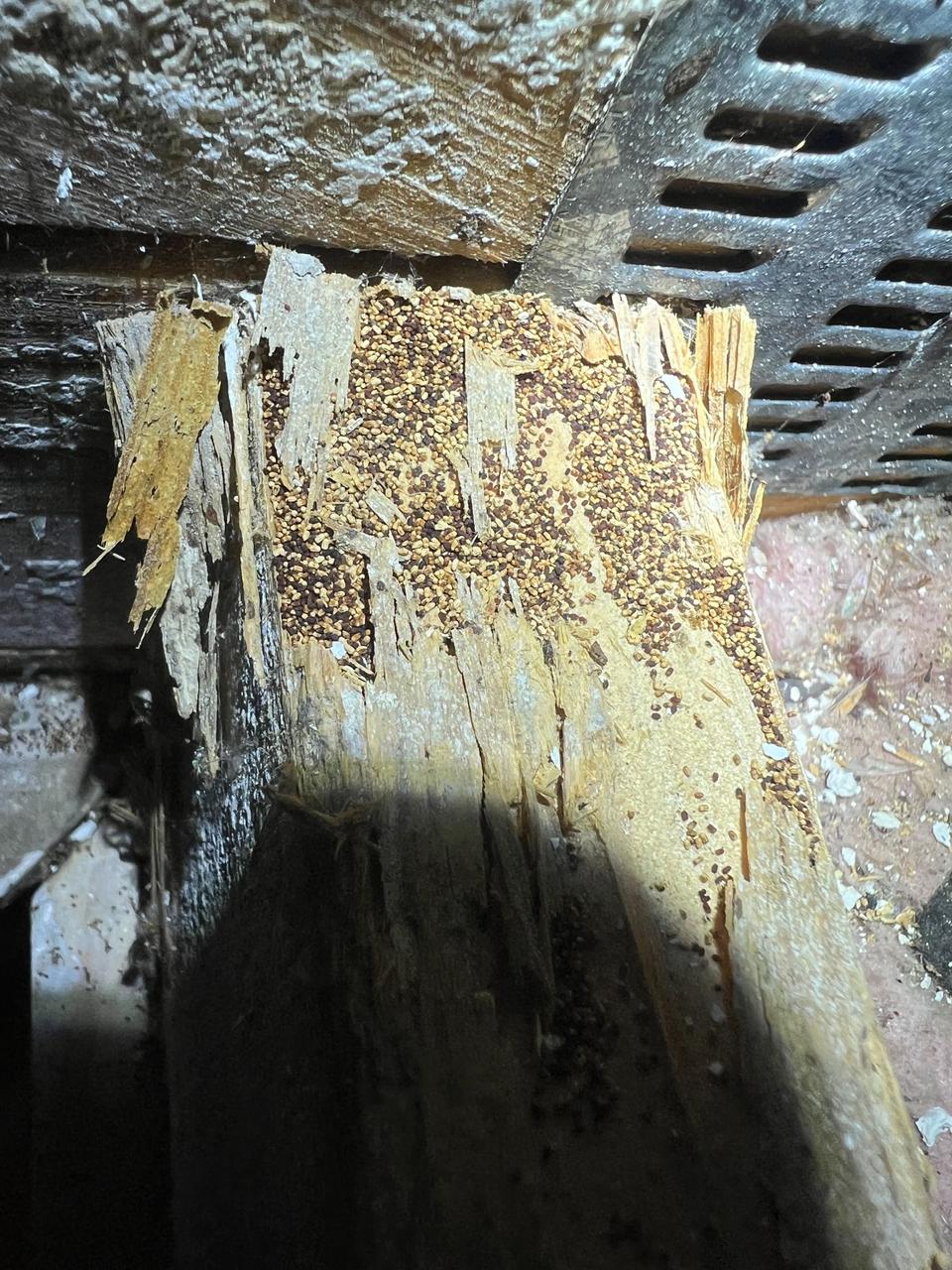
What collects under the wood is one of the most useful clues you will find. Sawdust like shavings point to carpenter ants. Small, hard, six sided termite pellets point to drywood termites living inside the timber, which push their waste out of tiny holes. Subterranean termites leave neither; their sign is the mud tube.
CH 05
What Do Wings on Your Window Sill Mean?
Whichever insect it is, wings indoors usually mean a colony nearby. For termites, a swarm inside the house usually means the colony is in the structure or the soil directly beneath it, so termite swarmer wings indoors are worth acting on.
CH 06
Why Getting Termites vs Ants Right Matters
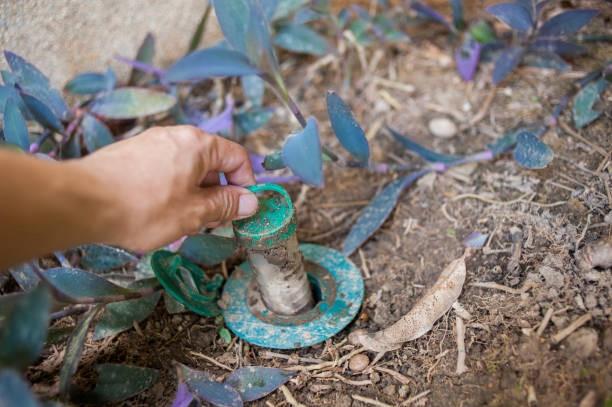
Misidentifying the two is the expensive mistake. Carpenter ants are an ant problem, and often a moisture problem too, so the answer is an ant treatment plan alongside dealing with the wet wood that drew them in. Termites are a termite problem, and the species decides the treatment: subterranean termites are reached through the soil, with a Termidor SC barrier in the soil or Sentricon Always Active bait stations, while drywood termites never touch the soil at all. Bond coverage is available, renewable annually and transferable to the new owner when the home is sold.
Whether it is a simple ant treatment or a termite treatment, the first step is knowing what you have, and a termite inspection costs nothing. Schedule your free inspection.