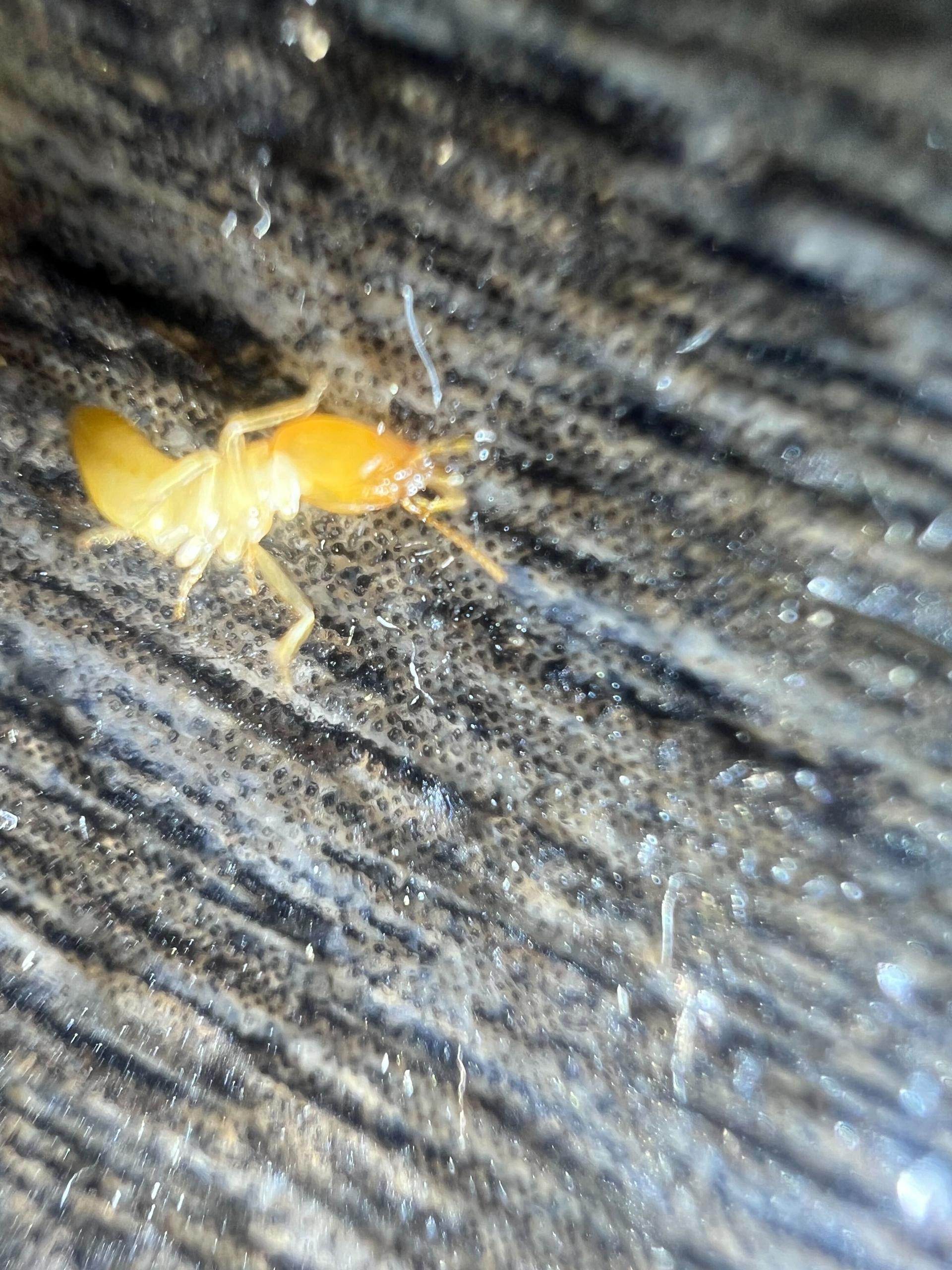
Alabama Professional Services: a subterranean termite worker on a textured surface.
Termite · Since 1977

Subterranean Termites: The Species That Lives in the Soil

They are the most common termites in Alabama and they are present year round. Alabama Professional Services confirms the species before recommending anything, at no charge.

When people in Alabama talk about termites, this is usually the species they mean. Subterranean termites are the most common kind in the state, they are behind most of the damage homeowners find, and almost everything about how they are treated follows from one fact: they live underground.

Alabama

Let's Take the First Step Toward a Healthy Home

A local specialist will inspect your home, walk you through the findings, and send a clear estimate. No cost, no pressure.

BBB Accredited A+
Fully Insured

How the Price Is Set

The inspection is free. Treatment is quoted after it, because the construction, the soil and the findings set the scope.

In Depth

What Does the Full Guide Cover?

Read the Full Guide Hide the Full Guide

When people in Alabama talk about termites, this is usually the species they mean. Subterranean termites are the most common kind in the state, they are behind most of the damage homeowners find, and almost everything about how they are treated follows from one fact: they live underground.

CH 01

How Do Subterranean Termites Live?

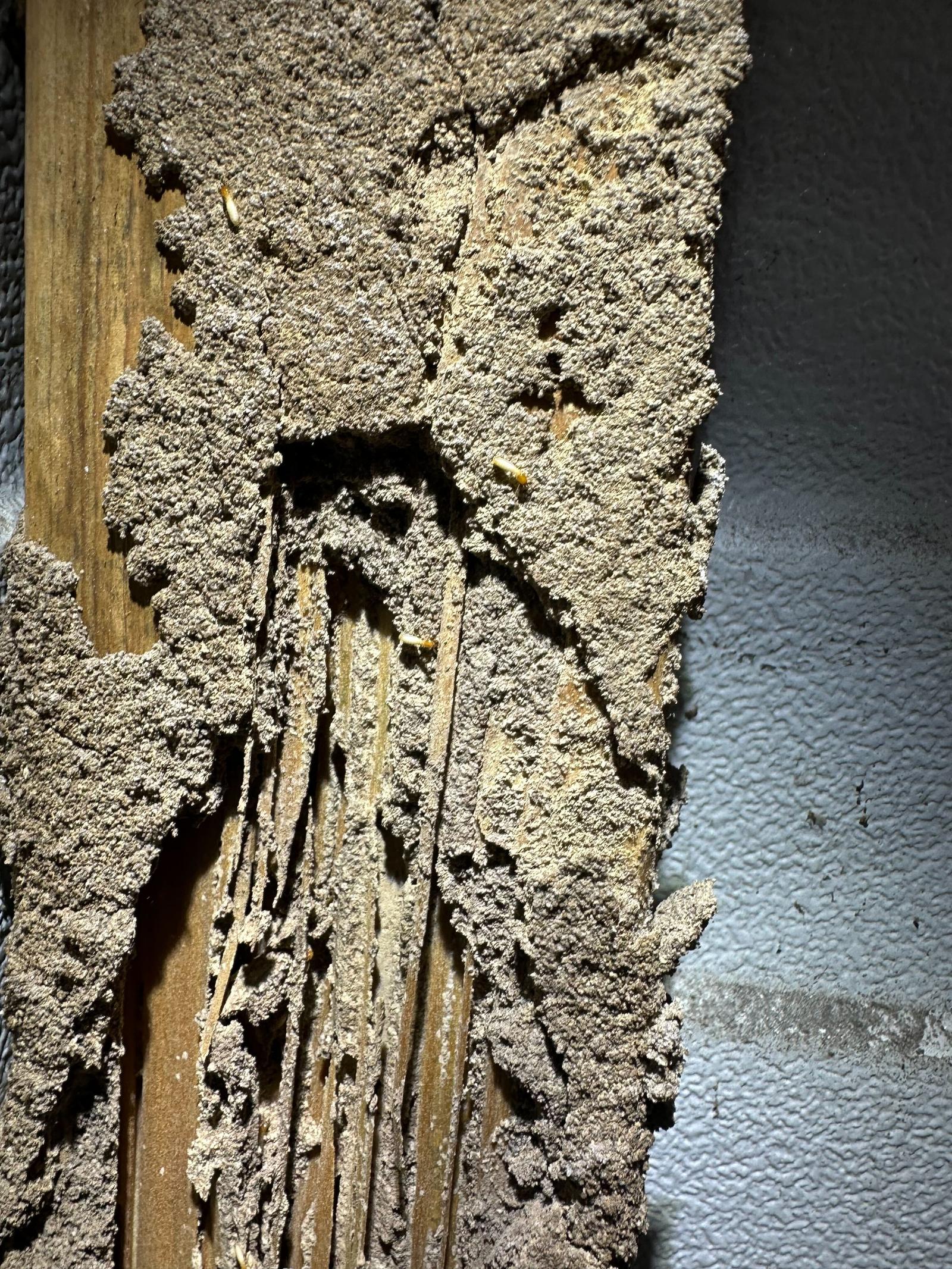
A subterranean colony nests in the soil and forages outward for wood. The workers dry out quickly in open air, so they usually avoid crossing an exposed surface in the open. To get from the soil to the wood of a house they build shelter tubes of soil up foundation walls, piers and slab edges, or travel inside hollow block and behind brick veneer where nothing shows. The colony itself is usually below and away from the house, far larger than the few tubes you can see.

In Alabama's climate they are present year round. Activity usually slows in the coldest months, but the colony does not die off, so a sign found in winter is still worth checking.

CH 02

Where Do Subterranean Termites Get In?

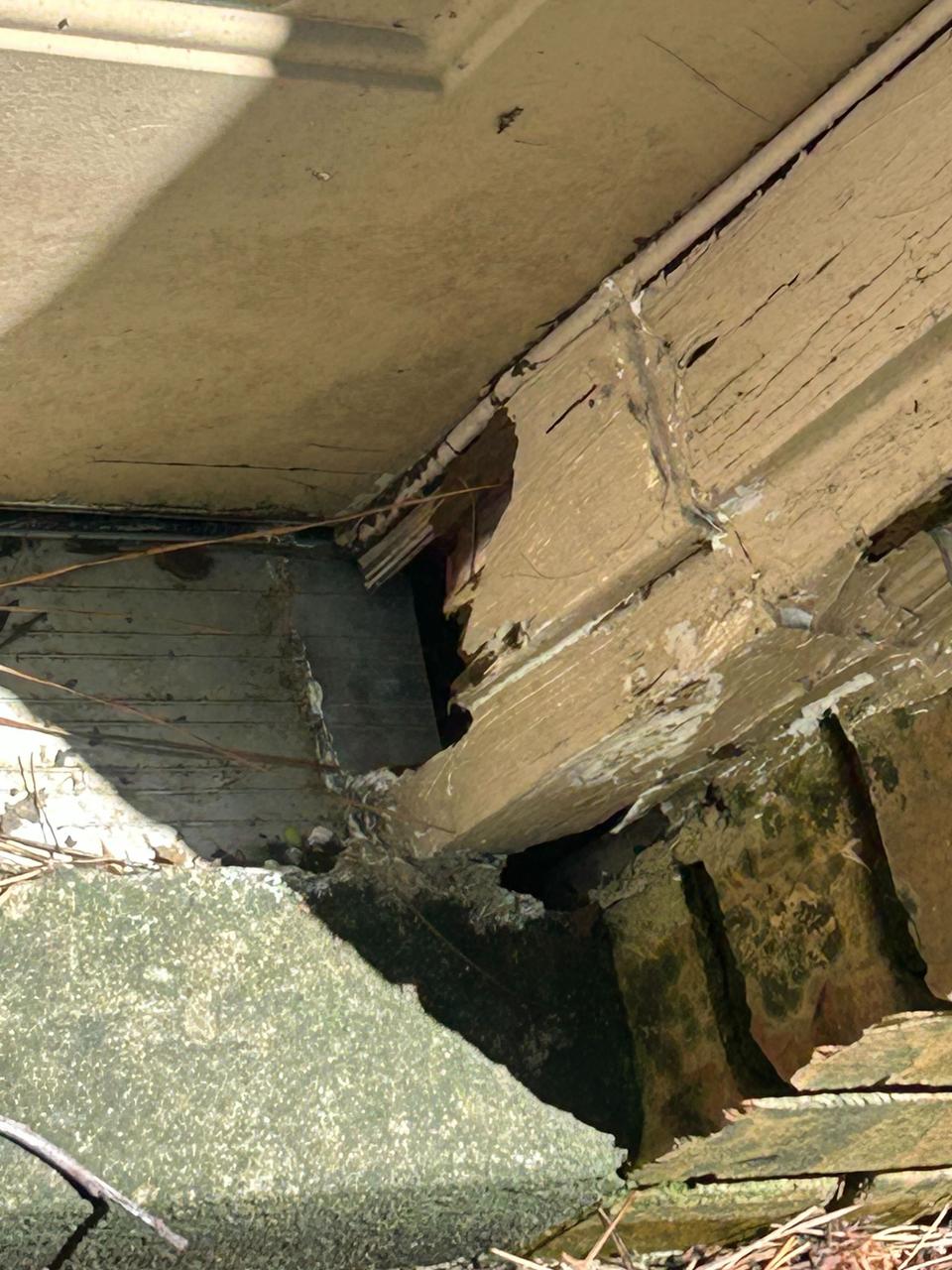
Anywhere soil and wood come close. Mulch piled against the foundation, firewood stacked by the back wall, deck posts set in the ground, and siding that runs down to grade all shorten the gap. On a slab home, they often come up through construction joints, plumbing penetrations and bath traps. Moisture can hold them close to the house: damp soil at the wall, gutters that empty beside it, a humid crawl space.

CH 03

What Signs Do Subterranean Termites Leave?

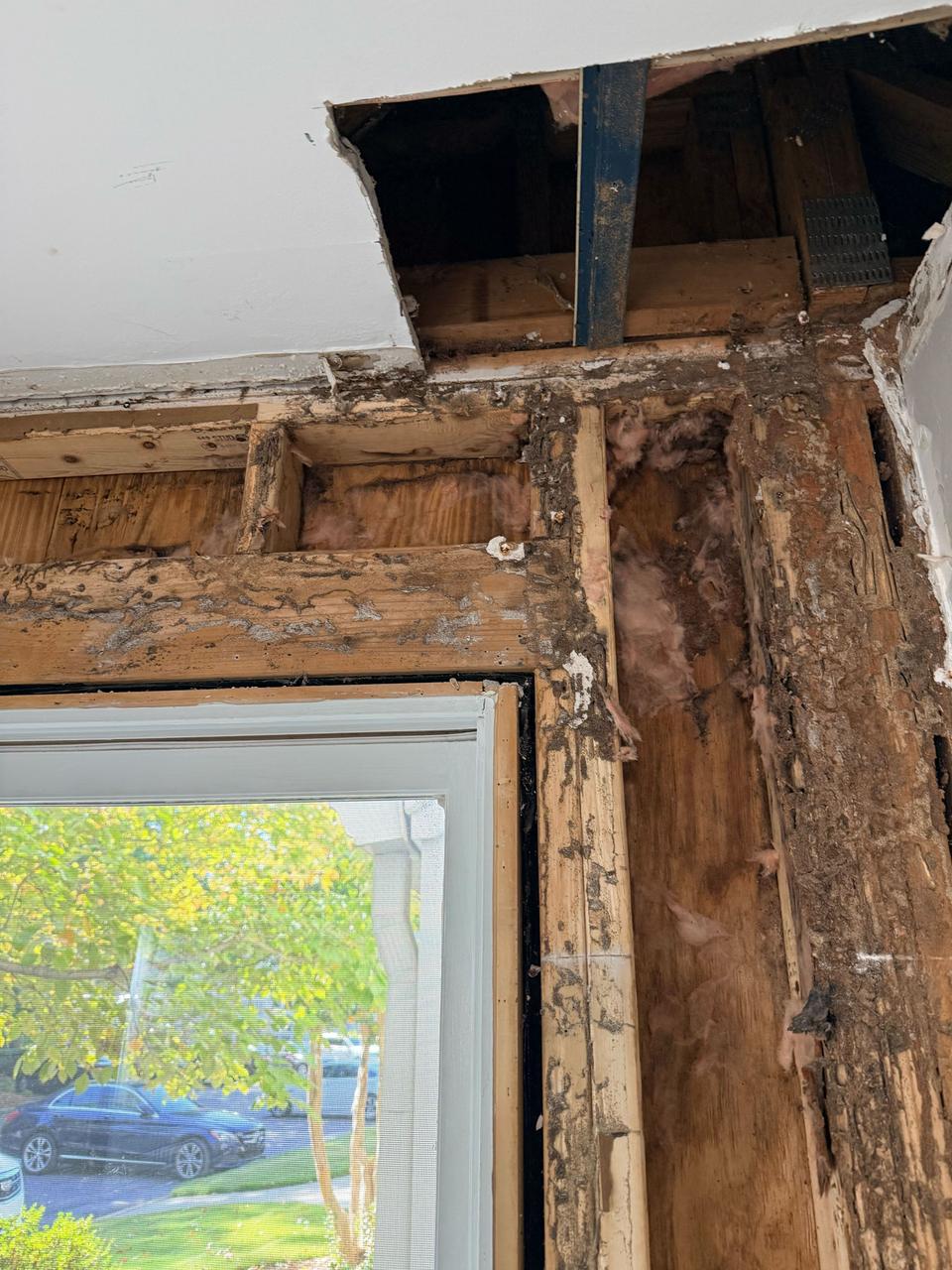
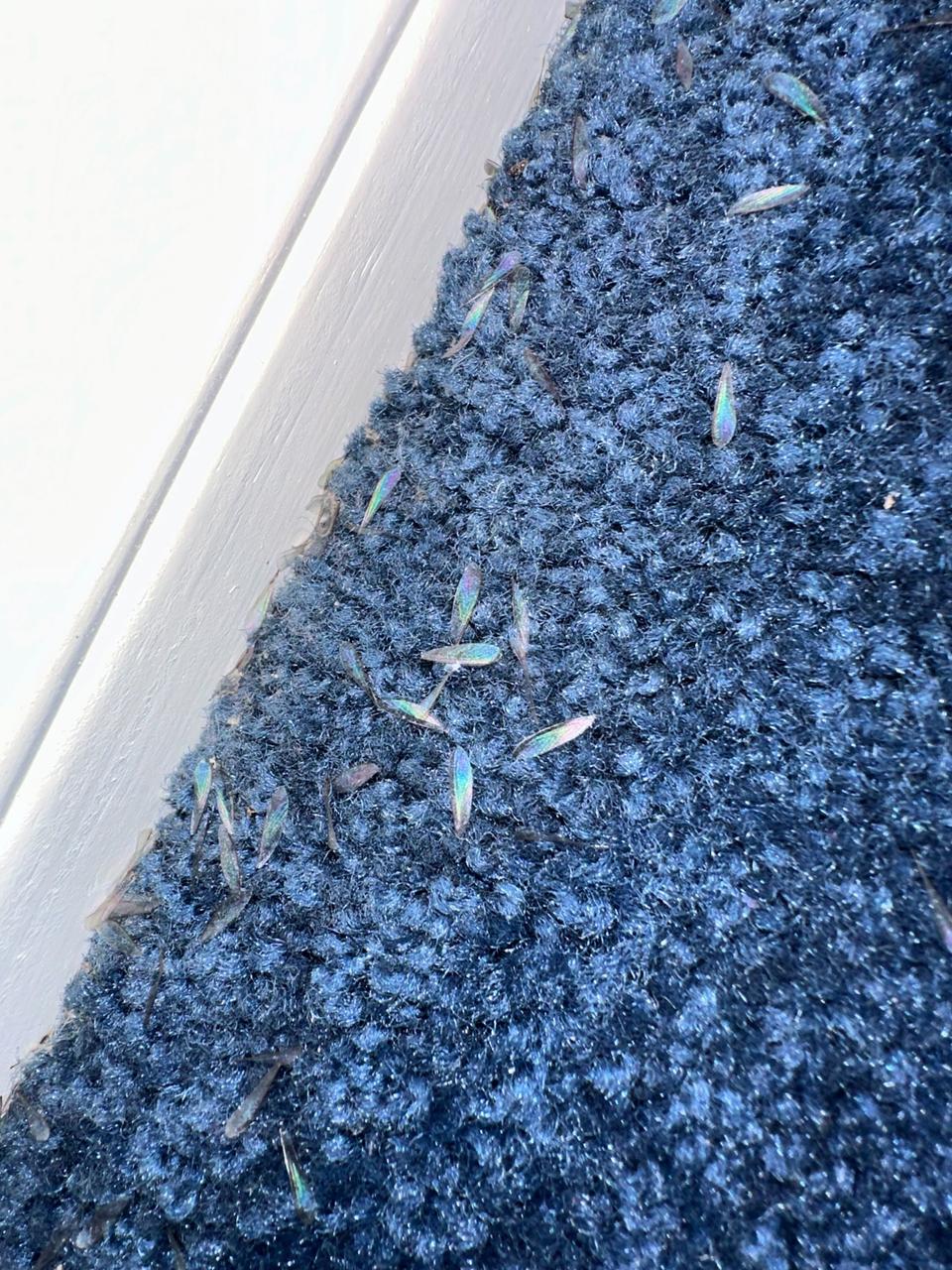
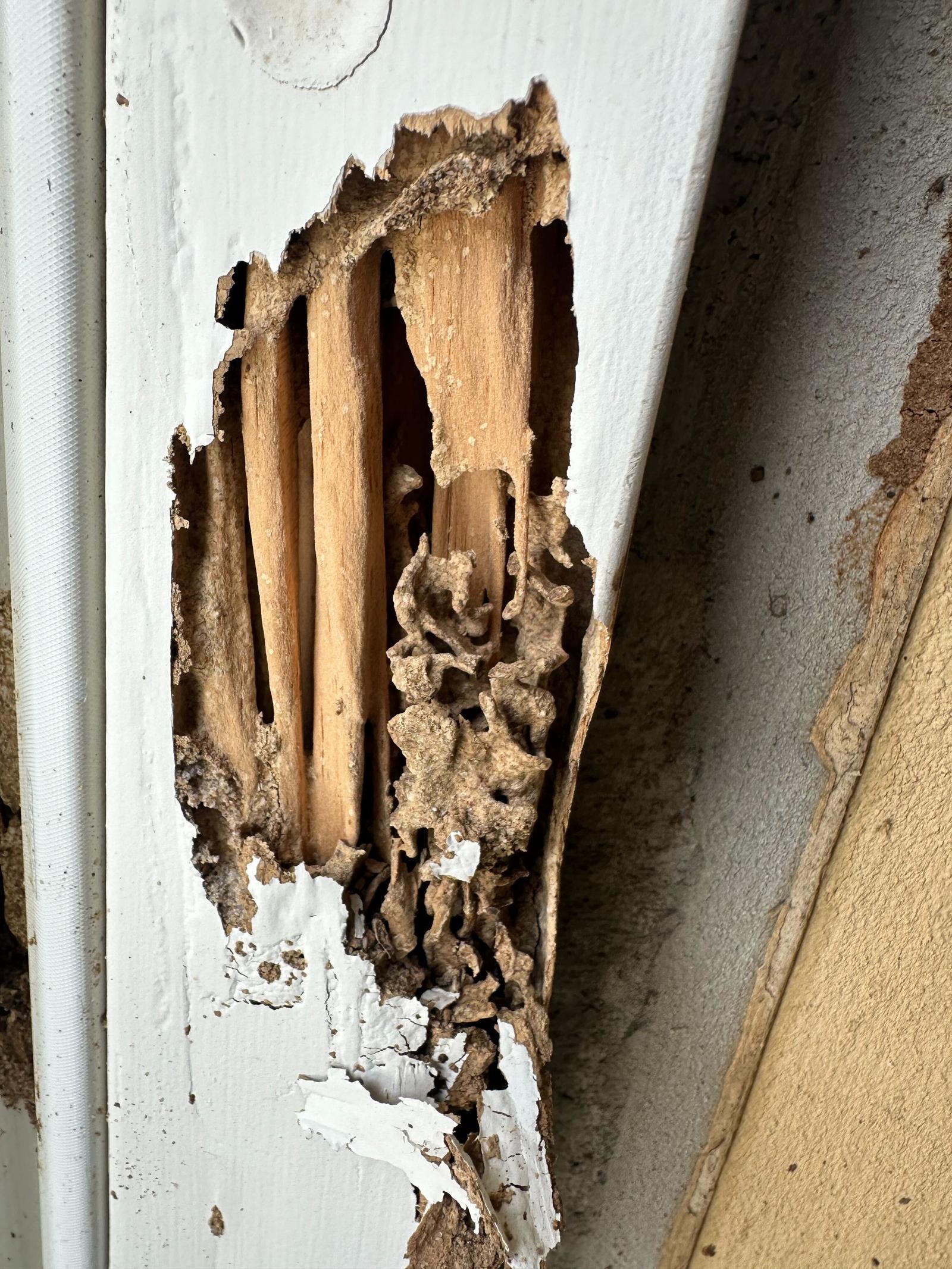
Mud tubes are the signature sign, and a tube that rebuilds after you break a piece out of it is in use. The other common signs are swarmer wings after a spring swarm, wood that sounds hollow when tapped, paint that bubbles like water damage, and floors that start to feel soft. Swarms usually run from early March on the coast to early April in north Alabama.

CH 04

How Are Subterranean Termites Treated?

Because they live in the soil, the soil is where they are stopped. There are two ways to do that, and each is the right tool for a different house.

A non repellent liquid treatment puts Termidor SC in the soil along the foundation. Termites cannot detect it, so they pass through the treated soil and carry it back to the colony. On a slab home, part of that treatment may mean drilling through the slab to reach the soil underneath.

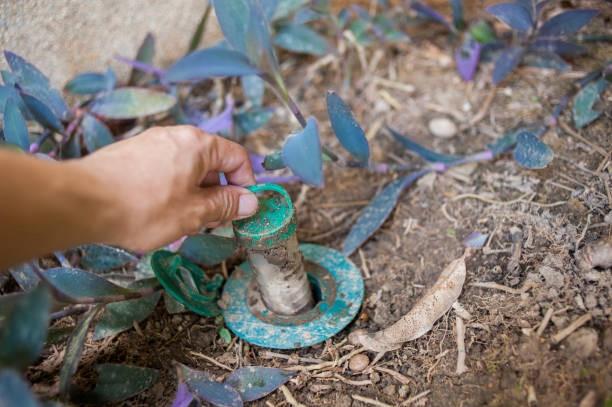
Sentricon termite bait stations are set into the ground around the house instead. Foraging termites find the bait and share it with the colony, and a technician monitors and services the stations on schedule, with no trench and no drilling.

Which fits depends on how the house is built, what the soil is like and what the inspection finds, and the recommendation should say why. All of the termite treatment methods are explained separately.

CH 05

Not Every Termite Is Subterranean

Two other species live in Alabama, and both change the picture. Formosan termites are a subterranean species with far larger colonies that can nest above ground, and they have been spreading inland from the Gulf Coast. Drywood termites live inside the wood and never touch the soil, so a soil treatment does nothing for them. That is why every termite inspection identifies the species before anything is recommended.

CH 06

How to Keep Subterranean Termites Away

Keep soil and wood apart at the foundation, keep mulch back from the siding, keep water draining away from the house, and fix leaks. None of that replaces inspection, but it takes away what subterranean termites need. Bond coverage is available, renewable annually and transferable to the new owner when the home is sold. Schedule your free inspection whenever something has you wondering.

Regional Context

Which Termite Species Live in Alabama?

Alabama has three termite species, and each needs its own approach. Subterranean termites are the most common, live underground and build mud shelter tubes all year. Formosan termites are more aggressive and are spreading inland from the Gulf Coast, and drywood termites, less common and found more in coastal and southern Alabama, leave six sided pellets. Subterranean swarms start on the coast in early March, reach the Birmingham metro by mid to late March and north Alabama by early April; Formosan swarms come about a month later, at dusk near lights.

Problem Signs

What Is Your Home Trying to Tell You?

Each card below is a sign our technicians look for during a free inspection. Open one to read what it can mean and what we do about it.

Spotting One of These in Your Home?

Our specialists evaluate the underlying cause before recommending any work. Inspections are at no cost and there's no obligation to proceed.

Why Choose Alabama Professional Services

What You Get From APS Termite Control

Sentricon Always Active and Termidor SC

We use Sentricon Always Active baiting systems and Termidor SC liquid soil treatment, matched to the termite species and how your home is built.

Termite Bonds That Renew and Transfer

Bond coverage is available, renewable each year and transferable when you sell your home.

Official Alabama Wood Infestation Reports

We issue the Official Alabama Wood Infestation Report required for VA and FHA closings. Each report is valid for 30 days.

Unsure What You're Dealing With?

Not Sure Which Service You Need?

Pick the symptom that best fits. We'll tell you what it can mean and where to go next.

Home Problem Finder
  1. Location
  2. Symptom
  3. History
  4. Your Result

Where Are You Noticing the Problem?

Select the area of your home that best fits.

Frequently Asked Questions

Answers to Common Questions About Subterranean Termites

Don't see your question here? Our team is happy to help. Reach out anytime.

Mud tubes are the giveaway. Subterranean termites build them to travel between the soil and the wood. Pellets with no tubes usually point to drywood termites instead. A technician confirms the species from the insects and the damage.

Scope

Is This the Right Fix for Your Home?

When Is This Not the Right Fix?

A soil based treatment is for subterranean termites only. If the evidence is pellets under the wood with no tubes anywhere, the problem is more likely drywood termites, which a soil treatment cannot reach. And a colony nesting above ground, as Formosan termites can, needs more than the soil around the house.

Service areas

Serving All of Alabama

One office in Irondale. Technicians across the state.

Top cities we serve
  • Huntsville, AL
  • Montgomery, AL
  • Hoover, AL
  • Birmingham, AL
  • Madison, AL
  • Vestavia Hills, AL
  • Alabaster, AL
  • Tuscaloosa, AL
  • Auburn, AL
Check Your Service Area
The Process

How We Approach Subterranean Termites

A straightforward path from the first inspection to lasting protection.

Step 01

Confirm the species

Tubes, wings and damage are examined to confirm subterranean termites, and to rule out Formosan and drywood.

Step 02

Find the route

The foundation, soil line and crawl space or slab edge are checked for where the termites are reaching the wood.

Step 03

Choose the tool

A Termidor SC soil treatment or Sentricon Always Active stations is recommended, with the reason.

Step 04

Treat

The soil along the foundation is treated, including under the slab where needed, or the bait stations are installed.

Step 05

Fix what draws them in

Soil to wood contact and moisture at the foundation are pointed out so they can be put right.

Step 06

Keep it protected

Bond coverage is available where the home goes under ongoing protection, renewable annually and transferable when the home is sold.

Customer Reviews
Free inspection

Tell Us What You Found

From the Irondale office to any address in Alabama.

What to expect
  • A local specialist contacts you to schedule a visit.
  • Your specialist inspects the problem and explains the findings.
  • You receive an estimate with no obligation to proceed.
Prefer to call
(205) 951-9717
Alabama

Get a Free Estimate

We'll call to schedule a convenient inspection time.

BBB Accredited A+
Fully Insured

Have Questions About Subterranean Termites?

A technician inspects the property, walks you through what we find, and explains the treatment we recommend, with a clear estimate before any work starts. The inspection is free.