
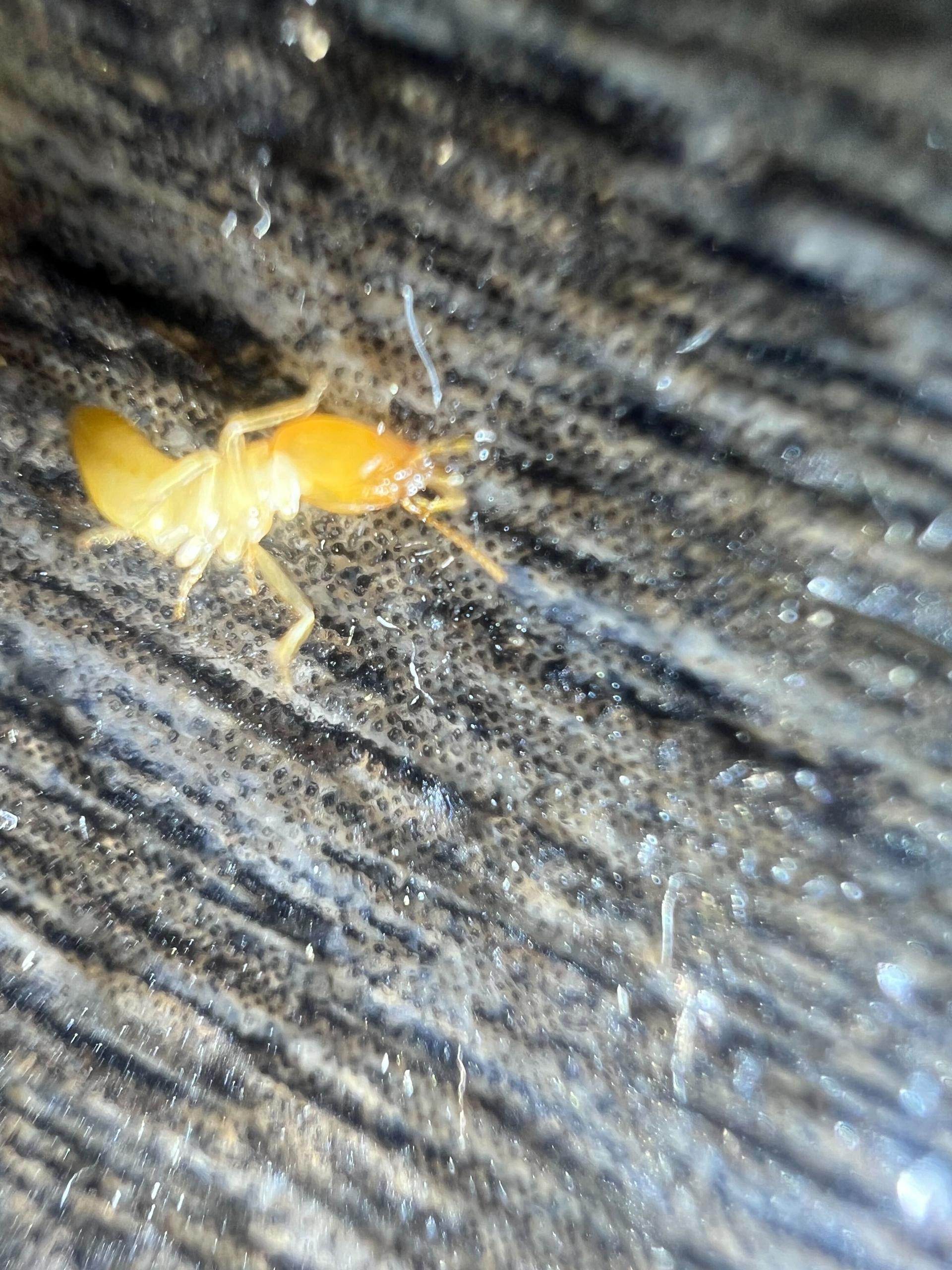
Foundation Drilling/Injection: Treating the Soil Under a Slab Home
A soil treatment reaches the ground under your slab, where termites often come up through joints and openings you cannot see.
Let's Take the First Step Toward a Healthy Home
A local specialist will inspect your home, walk you through the findings, and send a clear estimate. No cost, no pressure.
What Should You Know About Foundation Drilling/Injection?
On a crawl space home the soil under the house can be reached from underneath. On a slab home it cannot, and that is where subterranean termites have an easy route: they can travel through the soil under the concrete and often come up into the house through construction joints, plumbing penetrations, bath traps and cracks in the slab, places a treatment applied around the outside of the foundation never touches. Drilling and injection closes that gap. Small holes are drilled through the slab at the points the inspection identifies, Termidor SC is injected into the soil beneath at label rates (the amounts the product label allows), and the holes are closed again afterwards. Termidor SC is non repellent, so termites do not detour around it; those moving through the treated soil under the slab pick it up and carry it back to the colony. It is not a separate product and it is not a structural repair; it is the part of a liquid soil treatment that reaches the soil a slab covers. Not every slab home needs it. Where the route can be dealt with from the outside, or where a baiting system suits the property better, there may be no drilling at all, and that is decided at the inspection.
Foundation Drilling/Injection, Step by Step
Inspect and find the entry points
A technician confirms subterranean termites and looks for where they are coming up through the slab: construction joints, plumbing penetrations, bath traps and cracks.
Decide where the soil must be reached
Only the places where the soil under the slab cannot be treated any other way are marked for drilling, and how the holes will be placed and finished around the floor covering is set out before work starts.
Drill and inject
Small holes are drilled through the slab at the marked points and Termidor SC is injected into the soil beneath at label rates.
Close the holes
The drilled holes are closed again once the soil beneath has been treated.
Complete the perimeter
The treatment under the slab is part of the full soil treatment around the structure, and bond coverage is available where the home goes under ongoing protection.
What You Get From APS Termite Control
We use Sentricon Always Active baiting systems and Termidor SC liquid soil treatment, matched to the termite species and how your home is built.
Bond coverage is available, renewable each year and transferable when you sell your home.
We issue the Official Alabama Wood Infestation Report required for VA and FHA closings. Each report is valid for 30 days.
Answers to Common Questions About Foundation Drilling/Injection
Don't see your question here? Our team is happy to help. Reach out anytime.
Which Termite Problem Signs Can Foundation Drilling/Injection Help With?
A sign can trace to more than one cause. These are the termite signs that can point to a cause this method addresses, and the inspection shows which cause is at work in your home.
Discarded Swarmer Wings
Swarmer wings are the small, translucent wings a mature termite colony's winged reproductives shed after they fly.
Termite Exit Holes
Termite exit holes, often called kick out holes, are the pinhead sized openings drywood termites make in the surface of wood to push their waste out of the galleries they live in.
Hollow Sounding Wood
Wood sounds hollow when the inside of it has been eaten or has broken down while the surface stays whole, and termites are one of the few things that do exactly that.
Other Termite Solutions We Use
Each method is matched to what the inspection finds.
Liquid Soil Treatment
We apply Termidor SC to the soil around your foundation, a treatment termites pick up and carry back to the colony, with bond coverage available.
Learn more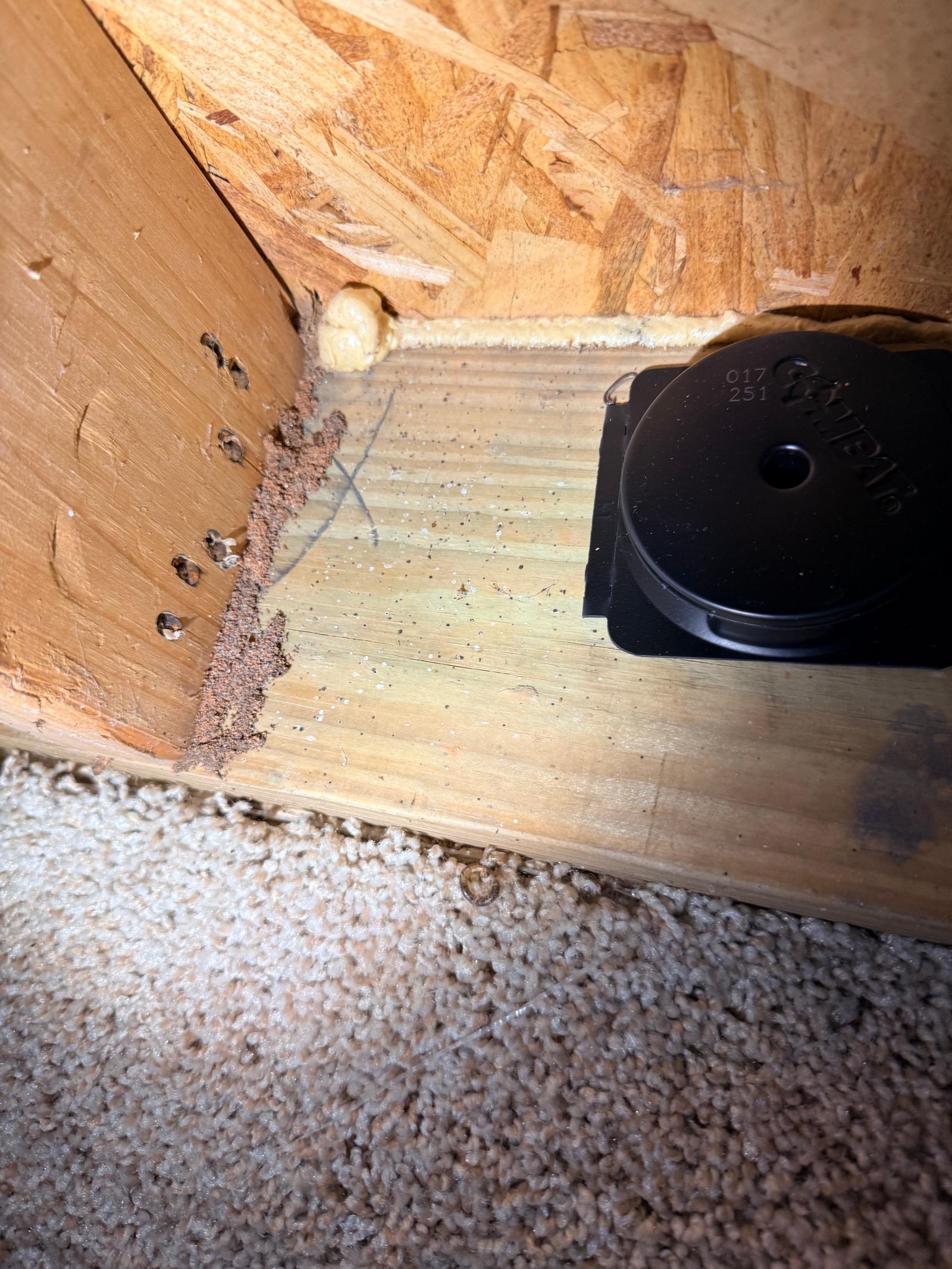
Termite Baiting Systems
We install Sentricon Always Active stations in the ground around your home, then monitor and service them on a set schedule.
Learn moreTermite Pretreatments
Before the slab is poured, we treat the soil across the footprint and provide the documentation a certificate of occupancy requires.
Learn moreServing All of Alabama
One office in Irondale. Technicians across the state.
- Huntsville, AL
- Montgomery, AL
- Hoover, AL
- Birmingham, AL
- Madison, AL
- Vestavia Hills, AL
- Alabaster, AL
- Tuscaloosa, AL
- Auburn, AL
Take the First Step Toward a Healthy Home
A straightforward path from the first inspection to lasting protection.
Schedule Your Inspection
A local specialist visits your home, inspects the problem, and answers your questions on site. No cost, no obligation.
Review Your Estimate
We explain our findings and provide an estimate for the recommended treatment.
Receive Your Treatment
Our team performs the recommended treatment and explains any follow up care or preventive measures.
Tell Us What You Found
From the Irondale office to any address in Alabama.
- A local specialist contacts you to schedule a visit.
- Your specialist inspects the problem and explains the findings.
- You receive an estimate with no obligation to proceed.
Expert Guidance on Protecting Your Home
Practical articles from the Alabama Professional Services team, written for Alabama homeowners.
 Termite Control
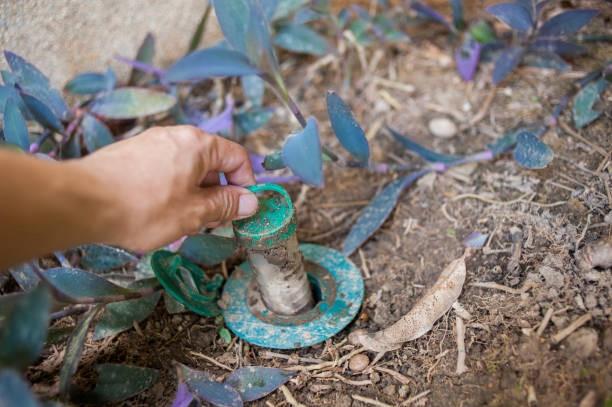
Termite Protection: Exploring the Benefits of Sentricon Systems
How the Sentricon Always Active bait system works around an Alabama home, and why it reaches the termite colony, from Alabama Professional Services.
- Termite Control
Does Mulch Attract Termites?
Mulch does not bring termites to your yard, but a deep bed against the foundation can help them reach the house.
-
 Termite Control
The Difference Between Pest Control and Termite Control
Knowing the differences between pest and termite control can help you find the best solution to your issue.
Wondering Whether Foundation Drilling/Injection Will Work for Your Home?
A technician inspects the property, walks you through what we find, and explains the treatment we recommend, with a clear estimate before any work starts. The inspection is free.