

When Is This Not the Right Fix?
Treating only the tops of the leaves misses whiteflies feeding underneath.
Whiteflies can weaken shrubs and leave sticky, blackened leaves. Alabama Professional Services treats them as part of lawn care, starting with a free estimate.
Whiteflies are tiny, white, moth like insects that gather on the undersides of leaves and fly up in a cloud when a shrub is brushed. They feed on plant sap, which can weaken the plant and yellow the leaves, and they leave behind a sticky honeydew that grows black sooty mold. In Alabama they are a problem of shrubs and ornamentals more than grass, and lawn treatment covers them.
A local specialist will inspect your home, walk you through the findings, and send a clear estimate. No cost, no pressure.
How the Price Is Set
Treatment is quoted in a free estimate, because the grass type, the size of the lawn and what it needs set the plan.
In Depth
Whiteflies are tiny, white, moth like insects that gather on the undersides of leaves and fly up in a cloud when a shrub is brushed. They feed on plant sap, which can weaken the plant and yellow the leaves, and they leave behind a sticky honeydew that grows black sooty mold. In Alabama they are a problem of shrubs and ornamentals more than grass, and lawn treatment covers them.
Tiny white insects, about a sixteenth of an inch long, clustered under leaves, that fly up when the plant is disturbed. The young are flat, scale like and pale, stuck to the underside of the leaf.
Whiteflies can cause yellowing, weakened leaves, leaf drop in heavy infestations, and sticky honeydew that grows black sooty mold on the leaves and anything below them.
Many ornamental shrubs and flowering plants, especially in warm weather. Hot, dry conditions can favor them.
The affected shrubs are confirmed and treated, with the undersides of the leaves reached where the insects feed. The page on landscape insect treatment covers how insects are treated.
Sooty mold grows on the honeydew, so it usually fades once the whiteflies are controlled and the honeydew stops. Healthy, well fed shrubs recover better, which the page on feeding the landscape covers.
Spittlebugs also feed on hollies, and scale insects look similar to whitefly young. The guide to spittlebugs on hollies covers them, and the guide to lawn care plans covers the rest of the plan.
Alabama Professional Services has been family-owned since 1977, and its technicians are licensed by the Alabama Department of Agriculture and Industries' Pesticide Management Division. Schedule your free inspection.
After inspecting your property, we recommend treatment methods based on the pests present and the conditions we find.
We confirm which insect is in your lawn, such as grubs, armyworms or mole crickets, then treat at the stage when it is easiest to control.
We match fertilizer to your grass type and time each feeding to when it is growing, guided by a soil test and how the lawn responds.
Each card below is a sign our technicians look for during a free inspection. Open one to read what it can mean and what we do about it.
Our specialists evaluate the underlying cause before recommending any work. Inspections are at no cost and there's no obligation to proceed.
Now in its third generation, APS continues the family owned tradition that began in 1977.
You get a clear estimate before any work starts, with no obligation to go ahead.
Pick the symptom that best fits. We'll tell you what it can mean and where to go next.
Don't see your question here? Our team is happy to help. Reach out anytime.
Treating only the tops of the leaves misses whiteflies feeding underneath.
Each service starts with a free inspection, so the treatment fits what we find.
We build a year round lawn plan around your yard, covering weed treatment and fertilization, starting with a free estimate.
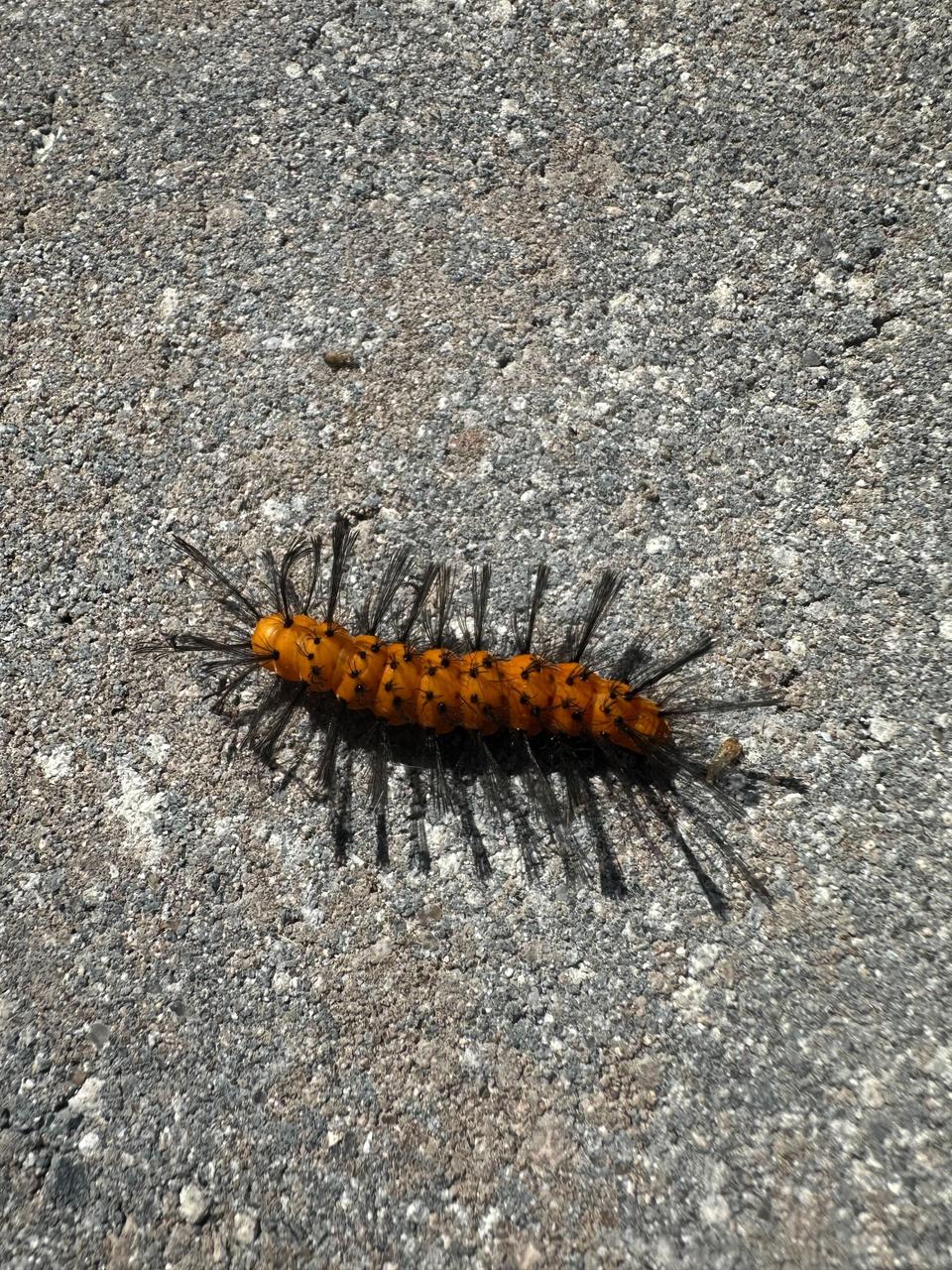
Learn moreWe confirm fall armyworms in your lawn and treat while the caterpillars are still small, before they eat more of the grass.
Learn moreWe treat the tall grass, brush and overgrown edges where chiggers live and help keep those areas cut back to make your yard less welcoming.
Learn more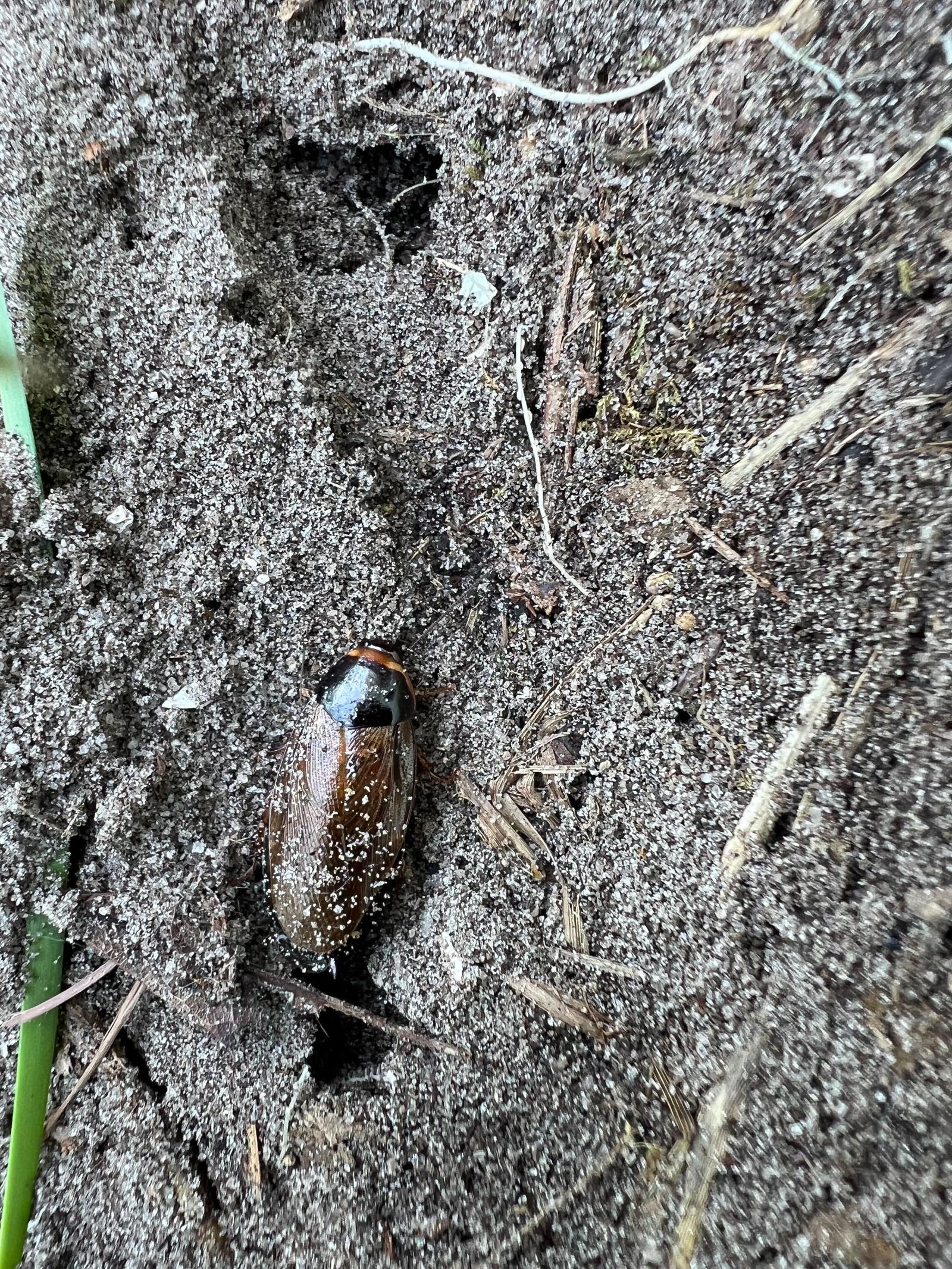
We confirm mole cricket tunneling under your grass, common in bermuda and centipede lawns, and treat the lawn at the right stage.
Learn moreYour lawn is sampled for white grubs first, because not every brown patch is grubs, and we treat when they are there.
Learn moreHow to recognize each one and what it means for your home.
One office in Irondale. Technicians across the state.
A straightforward path from the first inspection to lasting protection.
The lawn is walked and the grass type and problem areas are noted.
The shrubs are checked for whiteflies under the leaves.
Affected shrubs are treated, reaching the undersides of the leaves.
Mowing height, watering and thatch are checked, because a healthy lawn holds up better.
The treated areas are checked on the next visit.
From the Irondale office to any address in Alabama.
Practical articles from the Alabama Professional Services team, written for Alabama homeowners.
How to identify St. Augustine grass in an Alabama lawn: its broad, dark green blades with rounded tips, how it grows, and the care it needs.
How to identify centipede grass in an Alabama lawn: its light to medium green color, thin pointed blades, slow spread, and the soils it tolerates.
How to identify zoysia grass in an Alabama lawn: its fine, deep green blades, its dense growth, and how it handles sun, shade and foot traffic.
How to identify Bermuda grass in an Alabama lawn: its color, its thin blades and spreading growth, and how it handles heat and drought.
A technician inspects the property, walks you through what we find, and explains the treatment we recommend, with a clear estimate before any work starts. The inspection is free.