

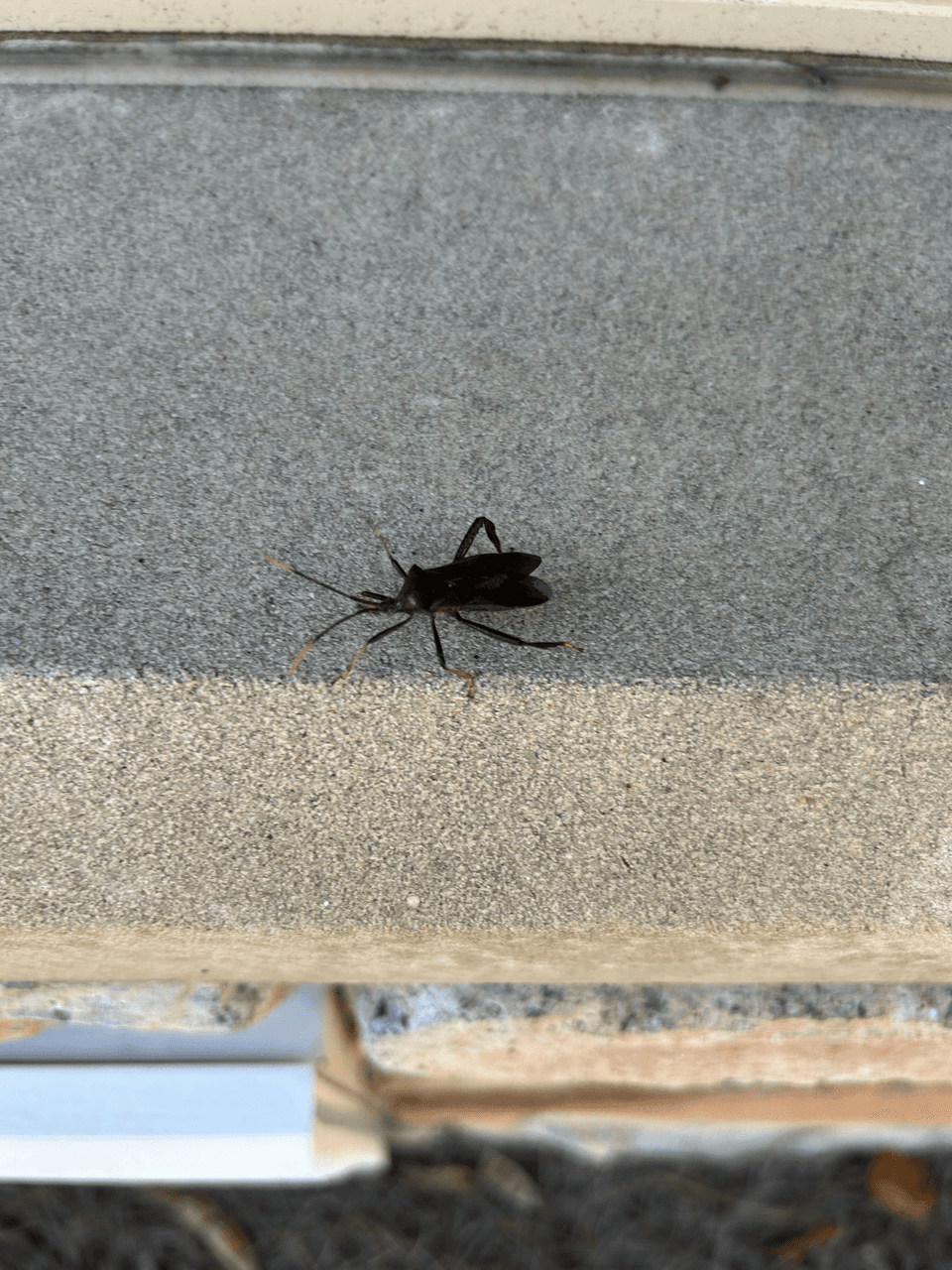
When Is This Not the Right Fix?
Treating without reducing the damp mulch and soil against the foundation leaves millipedes a home next to the house.
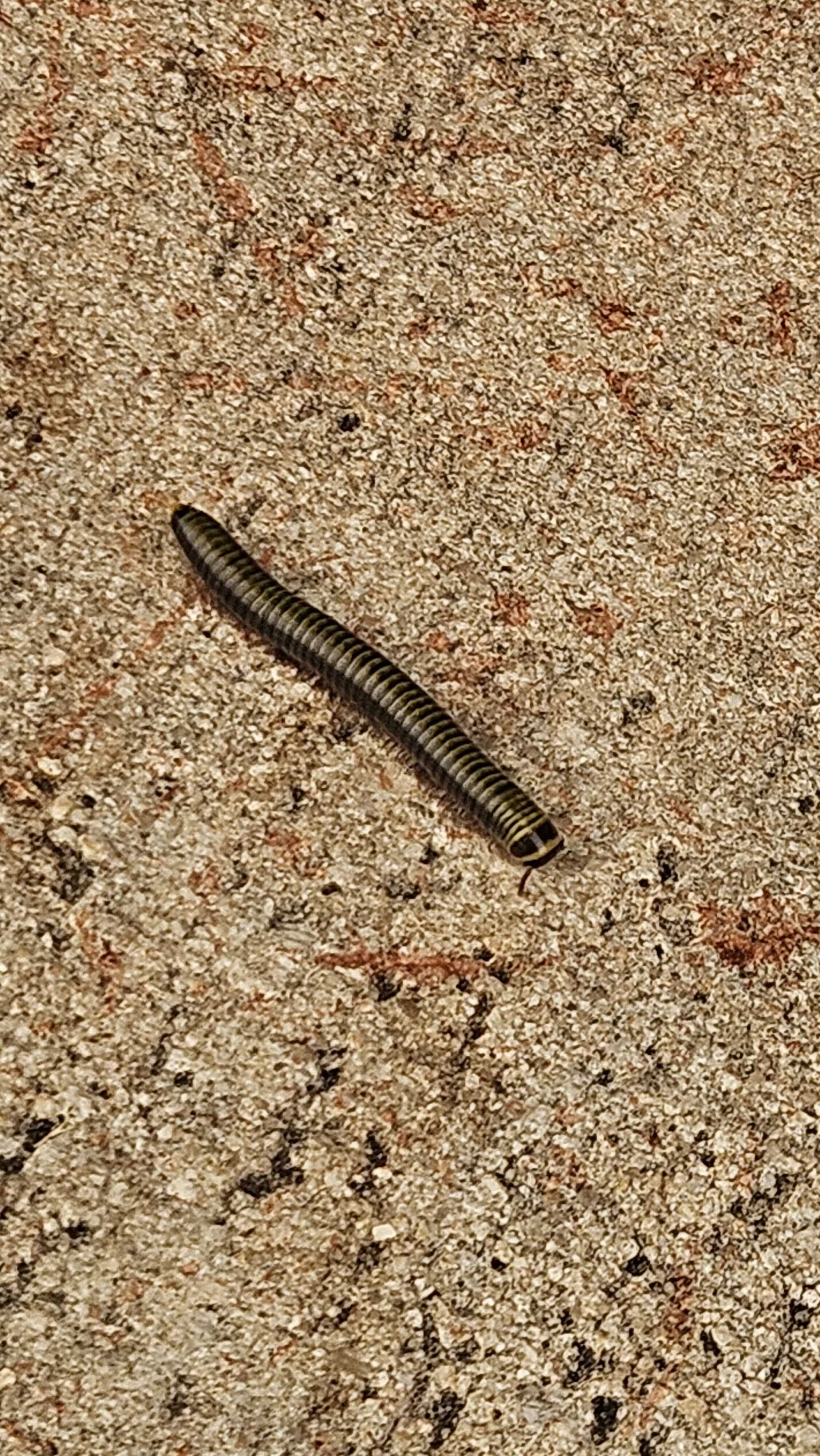
Millipedes live in damp ground against the house. Alabama Professional Services treats the perimeter and the moisture, starting with a free inspection.
Millipedes are the slow moving, many legged, cylindrical creatures that turn up in basements, garages and on ground floors, often after heavy rain or during dry spells, and often dead and curled into a coil. They live outdoors in damp mulch, leaf litter and soil, feeding on decaying plant matter, and they wander in through gaps at the foundation. They are harmless and cannot survive long indoors, and they are one of the occasional invaders general pest control covers.
A local specialist will inspect your home, walk you through the findings, and send a clear estimate. No cost, no pressure.
How the Price Is Set
The inspection is free. Treatment is quoted after it, because the pest, how it gets in and what draws it set the scope.
In Depth
Millipedes are the slow moving, many legged, cylindrical creatures that turn up in basements, garages and on ground floors, often after heavy rain or during dry spells, and often dead and curled into a coil. They live outdoors in damp mulch, leaf litter and soil, feeding on decaying plant matter, and they wander in through gaps at the foundation. They are harmless and cannot survive long indoors, and they are one of the occasional invaders general pest control covers.
A long, rounded, dark brown or black body with many segments and two pairs of short legs on most segments. Millipedes move slowly and curl into a tight coil when disturbed or when they die. Centipedes, by contrast, are flat and fast with one pair of long legs per segment.
Because they live in damp ground right against the foundation and move when conditions change, after heavy rain or when soil dries out. They come in under doors, through foundation cracks and around garage doors. Crunching underfoot in a basement is often dead millipedes.
No. They do not bite or sting, although some release a fluid that can irritate skin or stain. Indoors they dry out and die within a few days.
With a granular barrier along the foundation, sealing gaps where they enter, and reducing the damp harborage against the house. Basement and garage treatment reaches the ones that get in.
Mulch pulled back from the siding, leaf litter cleared, downspouts extended and grading that carries water away all dry out the ground millipedes live in. Earwigs in damp mulch respond to the same changes.
Millipedes are slow and eat decaying plants; house centipedes are fast predators with long legs. The house centipede page covers them.
We have been family-owned since 1977. Our technicians are licensed by the Alabama Department of Agriculture and Industries' Pesticide Management Division. Schedule your free inspection.
After inspecting your property, we recommend treatment methods based on the pests present and the conditions we find.
Using granules in the mulch beds and soil along your foundation, we reach millipedes, earwigs, crickets and other occasional invaders where they cross.
We treat basements, garages and crawl spaces where camel crickets, millipedes and centipedes gather, and seal gaps at the garage door and foundation.
We seal gaps and small cracks at the foundation, pipes, windows, doors and vents to help keep occasional and fall invaders out of your home.
From September through November, stink bugs, lady beetles and boxelder bugs gather on sunny Alabama siding and slip inside through gaps to spend the winter. Calls about Asian lady beetles peak in November, continue into December and pick up again in March. Sealing those gaps and a perimeter treatment are the usual starting points.
Each card below is a sign our technicians look for during a free inspection. Open one to read what it can mean and what we do about it.
Our specialists evaluate the underlying cause before recommending any work. Inspections are at no cost and there's no obligation to proceed.
Now in its third generation, APS continues the family owned tradition that began in 1977.
You get a clear estimate before any work starts, with no obligation to go ahead.
Pick the symptom that best fits. We'll tell you what it can mean and where to go next.
Don't see your question here? Our team is happy to help. Reach out anytime.
Treating without reducing the damp mulch and soil against the foundation leaves millipedes a home next to the house.
How to recognize each one and what it means for your home.
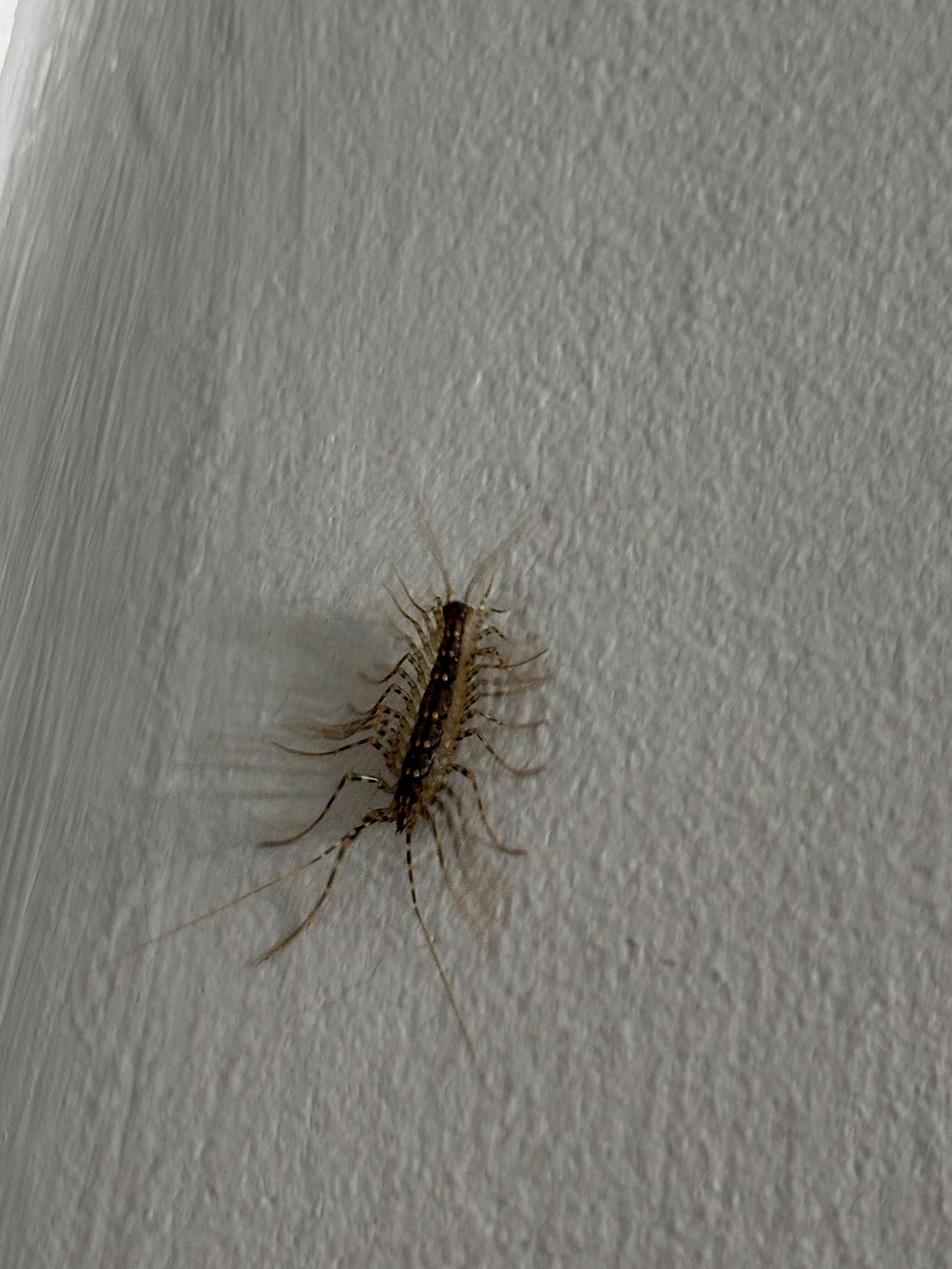
House centipedes are fast, long legged predators that hunt other insects indoors. They are a sign of the prey they are hunting.
Learn more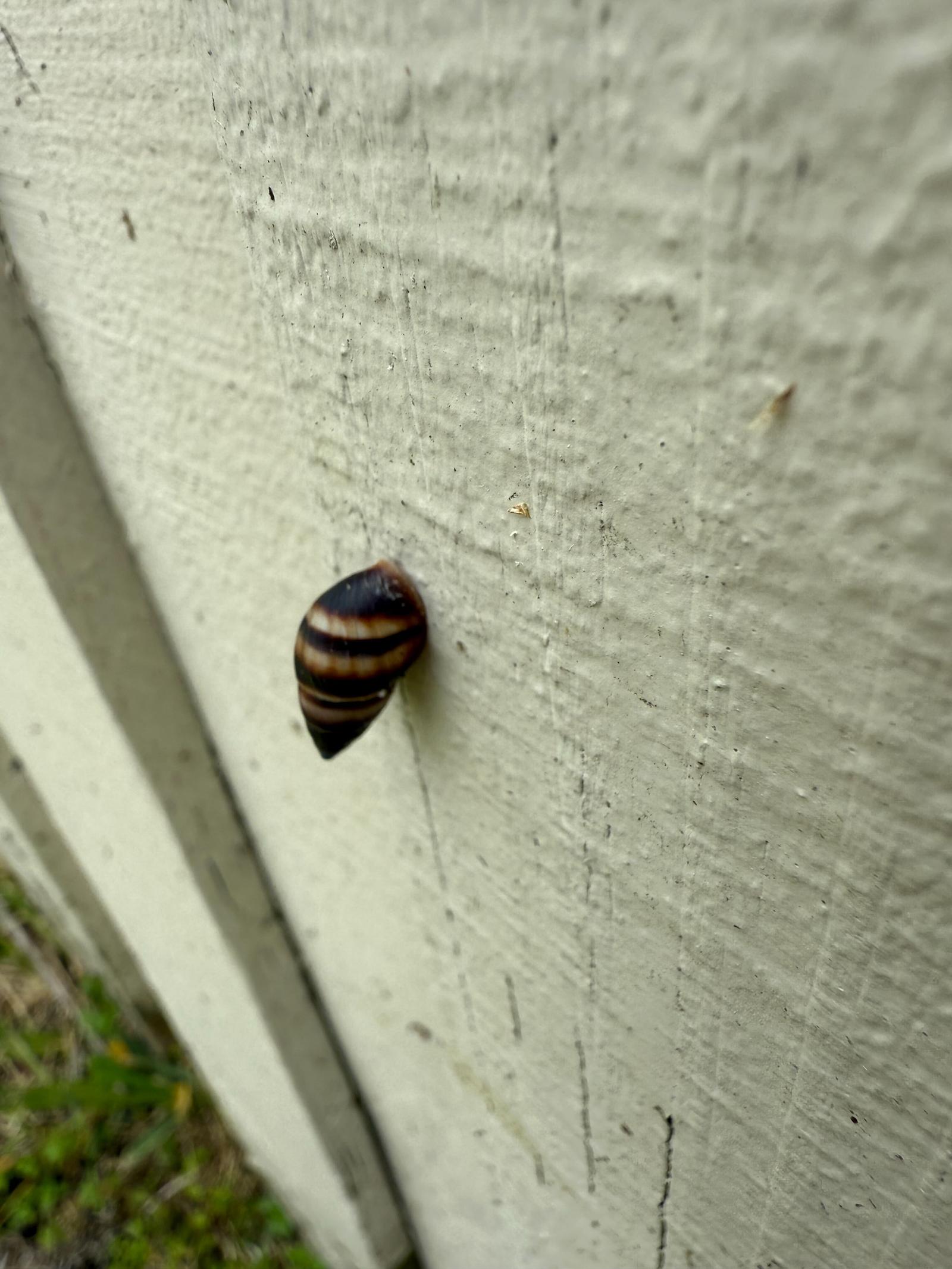
Slugs and snails feed on plants in damp, shaded beds and leave slime trails on patios and siding. Moisture and shelter are what support them.
Learn more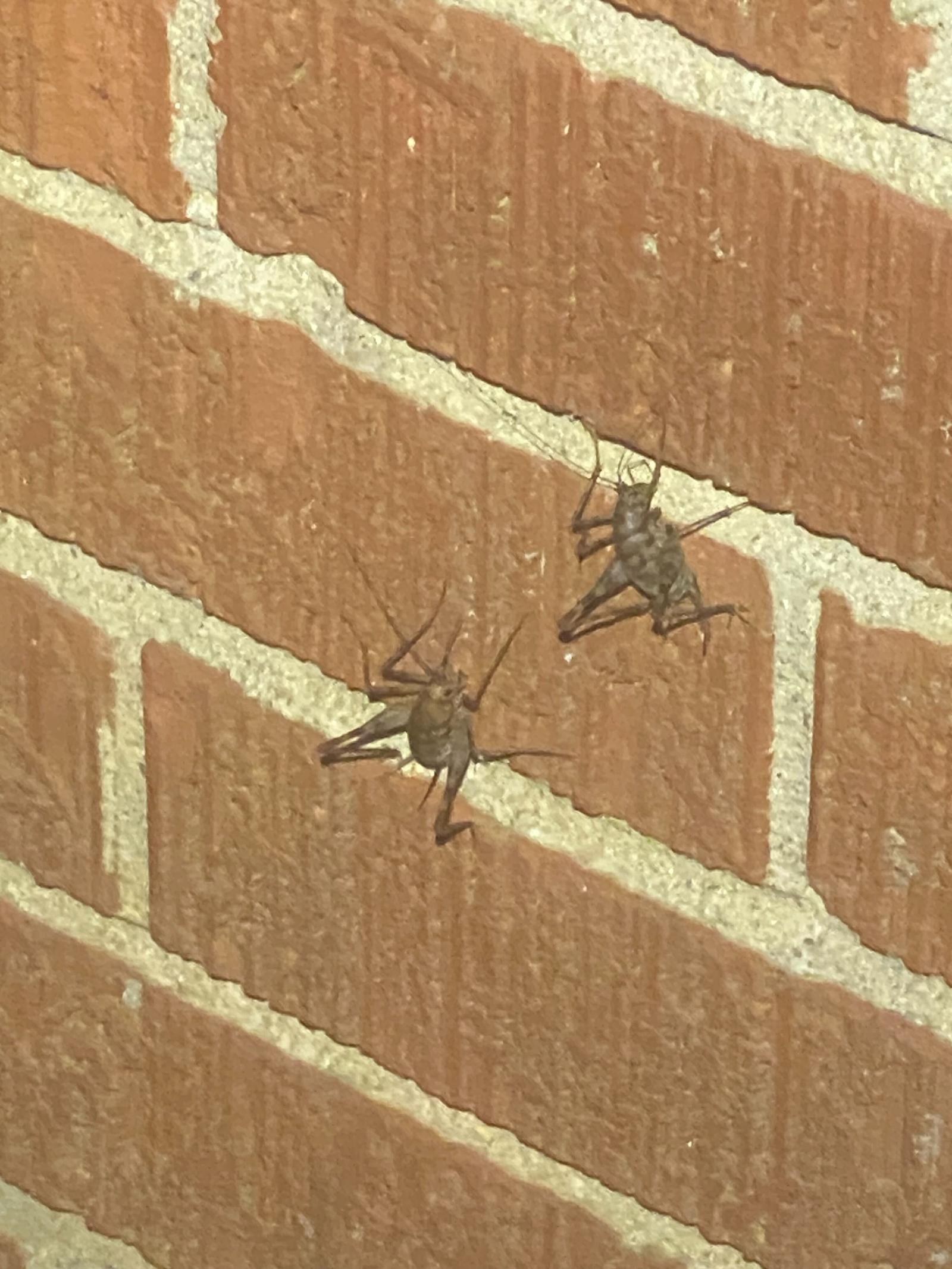
Camel crickets are the humpbacked, jumping crickets in basements, crawl spaces and garages. They need damp, and they are handled by treating and drying out the spaces they live in.
Learn more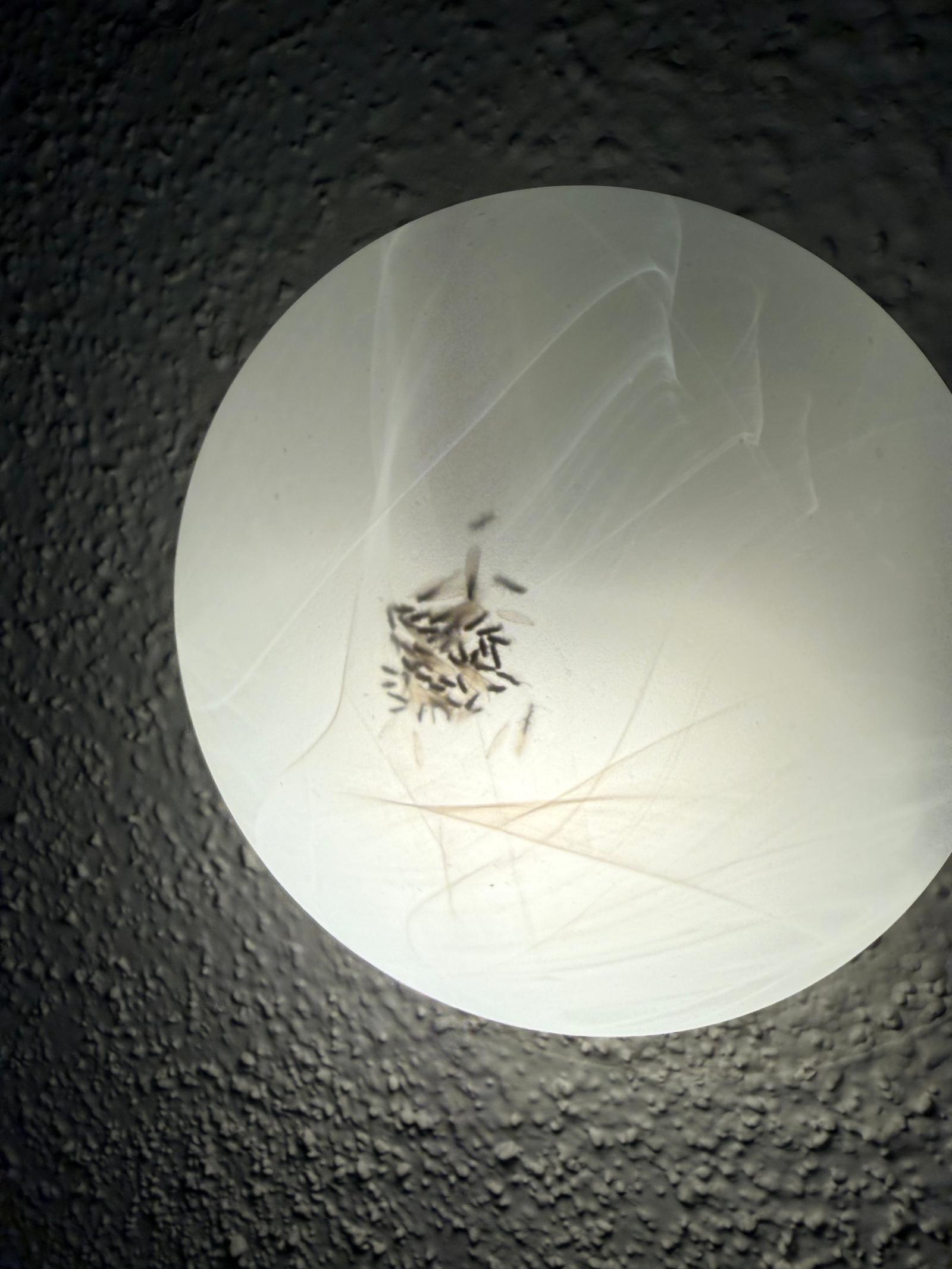
Fruit flies, drain flies, phorid flies and fungus gnats all breed in something damp or rotting indoors. Finding and removing the breeding source is what ends them.
Learn moreIndian meal moths and pantry beetles infest flour, cereal, rice, spices and pet food. Finding and discarding the infested food is the first step.
Learn more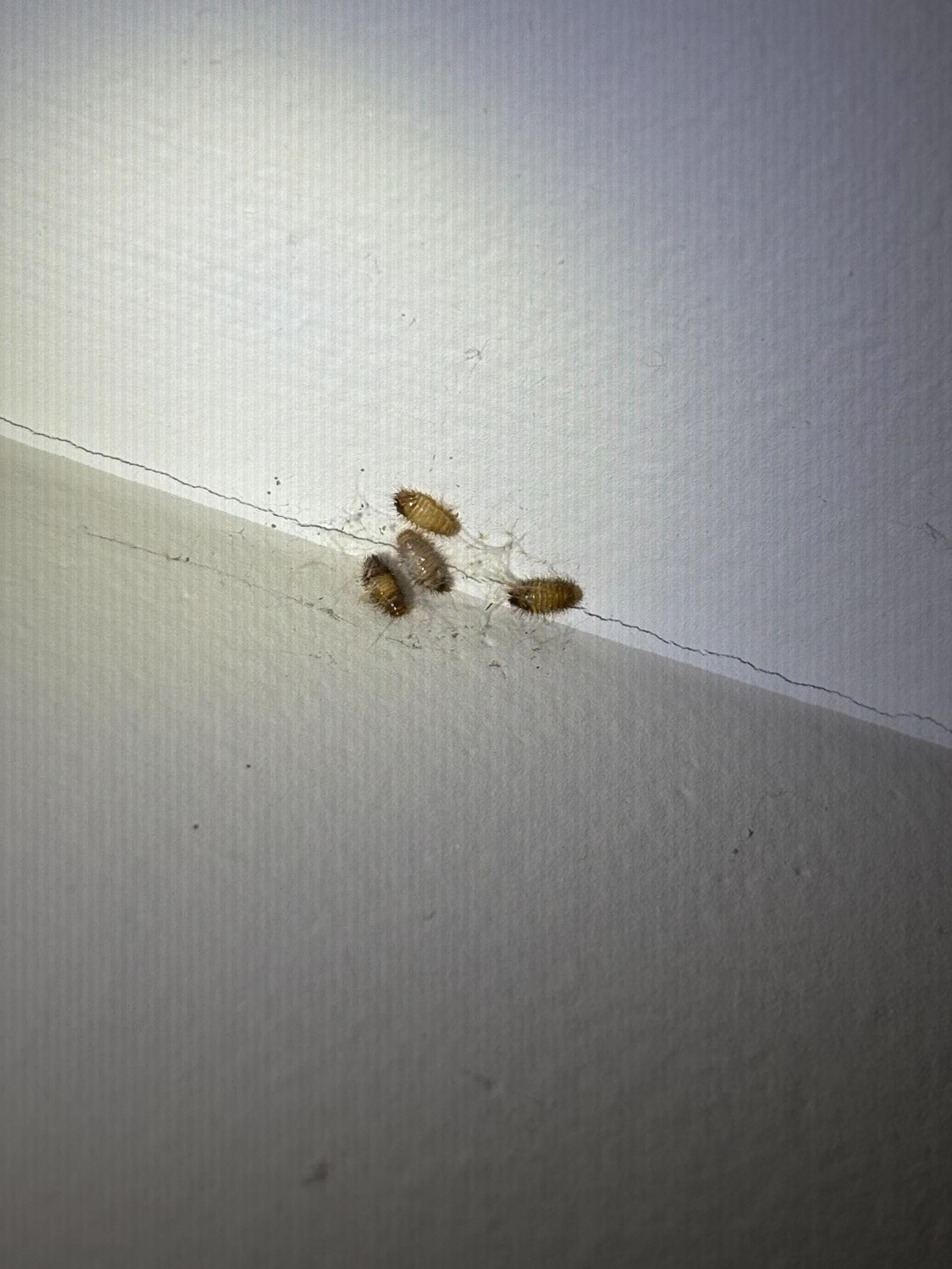
Clothes moths and carpet beetles feed on wool, silk, fur and feathers in closets, rugs and stored clothing. Their larvae do the damage.
Learn moreOne office in Irondale. Technicians across the state.
A straightforward path from the first inspection to lasting protection.
Millipedes are identified and told apart from centipedes.
Gaps at doors, windows, vents, utility lines and the foundation are checked.
Moisture, lights, food and clutter that attract the pest are identified.
A granular barrier goes along the foundation and gaps are sealed.
Quarterly pest control keeps the perimeter treated through the year.
From the Irondale office to any address in Alabama.
A technician inspects the property, walks you through what we find, and explains the treatment we recommend, with a clear estimate before any work starts. The inspection is free.