
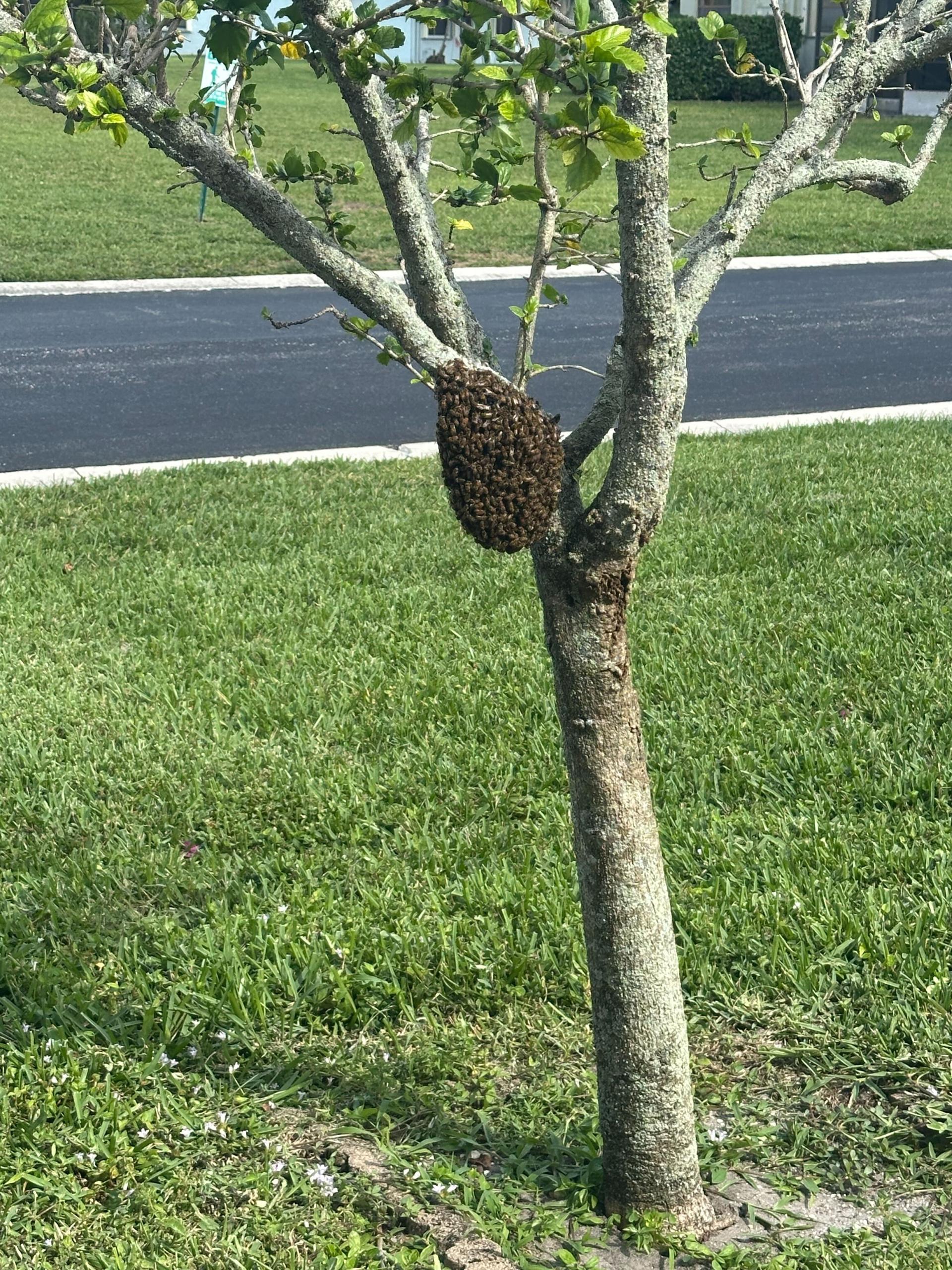
Swarming Activity: What a Honey Bee Swarm Means
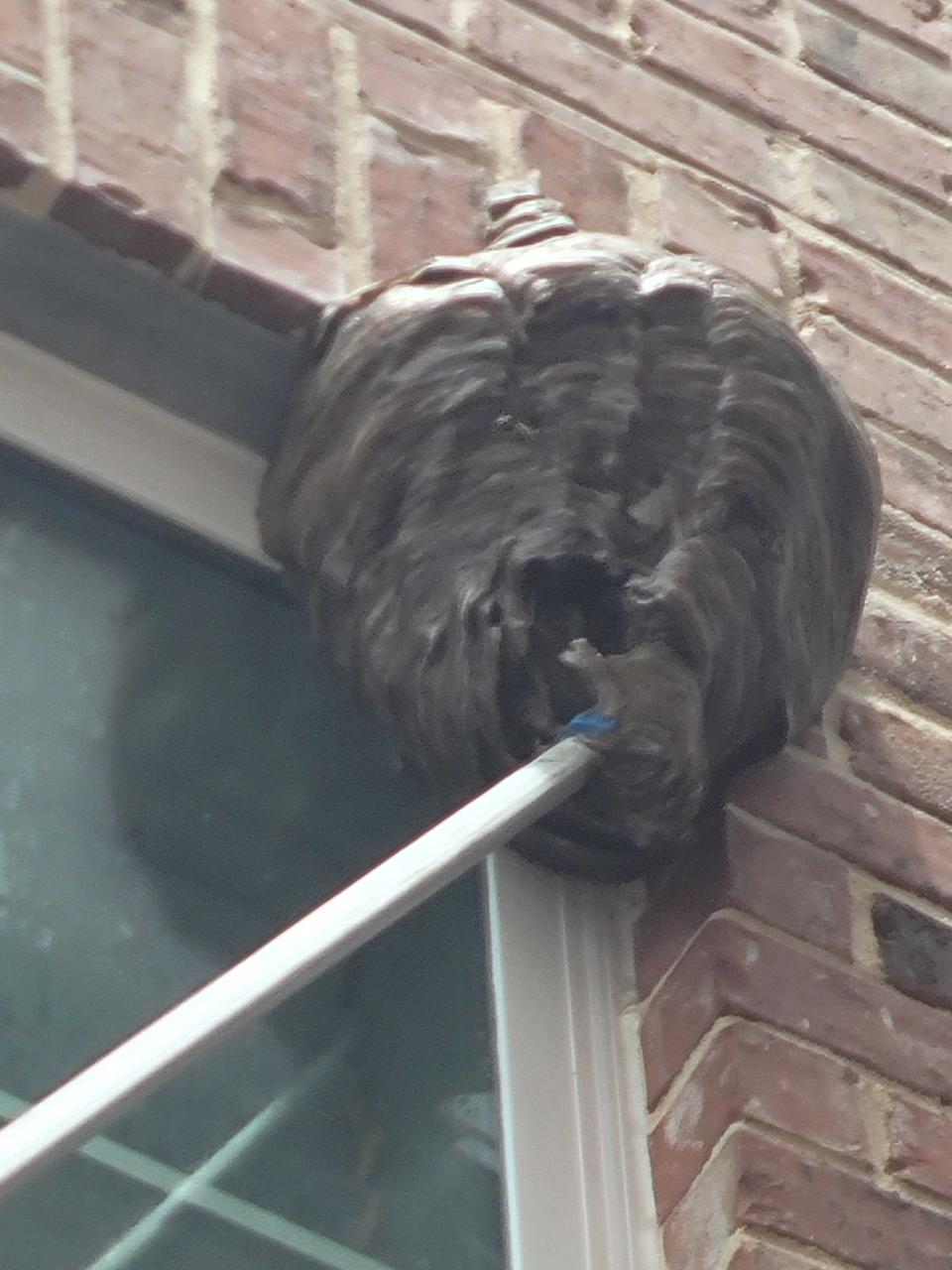
A swarm is a honey bee colony on the move. Alabama Professional Services does not offer honeybee removal services. If the insects are wasps, hornets or yellow jackets, we can help.
Let's Take the First Step Toward a Healthy Home
A local specialist will inspect your home, walk you through the findings, and send a clear estimate. No cost, no pressure.
What Can Swarming Activity Mean for Your Home?
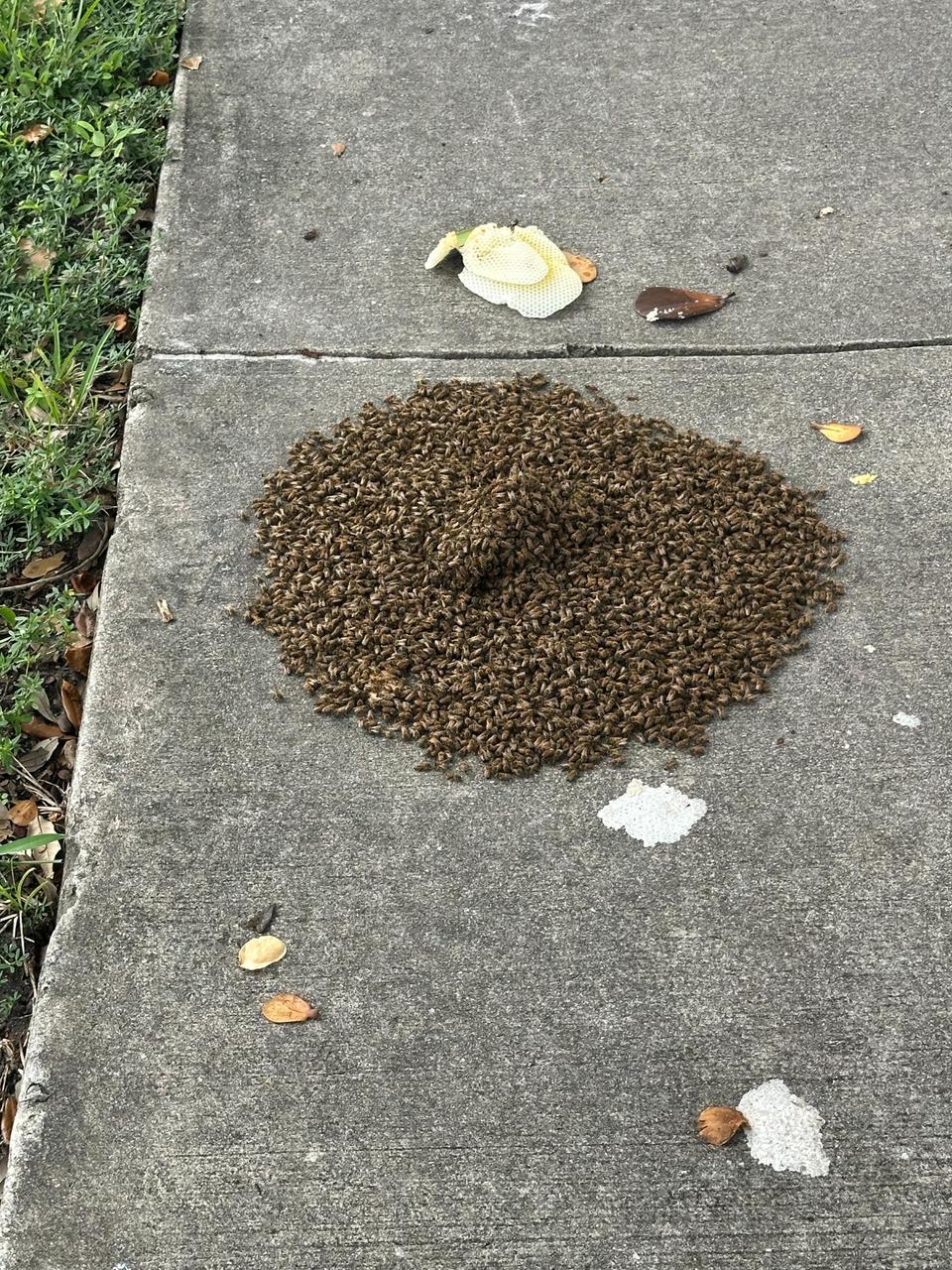
A dense cluster of thousands of bees hanging from a tree branch, a fence, the eaves or the side of a house, usually in spring, is almost always a honey bee swarm. Swarming is how honey bee colonies reproduce: the old queen leaves the hive with a large part of the colony, and the swarm rests in a cluster while scout bees search for a new home. Bees in a swarm have no nest to defend and are usually calm, although they should be given space. Many swarms move on within a day or two once the scouts find a new site. The concern is where they choose: a swarm that settles into a wall void, a soffit, a chimney or an attic becomes a colony inside the structure, building comb there.
What Often Turns Up Alongside Swarming Activity?
A cluster that stays
A swarm that remains in place for more than a day or two.
Bees at a gap in the house
Scout bees investigating gaps in soffits, siding or the chimney.
Bees going into a wall
Steady traffic into one opening, a sign a swarm has moved in, covered on the insects entering wall voids page.
A colony nearby
An established hive in a tree or structure nearby.
What Causes Swarming Activity?
Seeing a Different Sign?
Pick the symptom that best fits. We'll tell you what it can mean and where to go next.
What You Get From APS Pest Control
Now in its third generation, APS continues the family owned tradition that began in 1977.
If a covered pest problem returns between scheduled quarterly treatments, we'll come back at no additional charge.
You get a clear estimate before any work starts, with no obligation to go ahead.
Answers to Common Questions About Swarming Activity
Don't see your question here? Our team is happy to help. Reach out anytime.
Other Stinging Insect Signs to Watch For
One problem can leave more than one sign. If you see swarming activity, these are worth checking for too.
Serving All of Alabama
One office in Irondale. Technicians across the state.
- Huntsville, AL
- Montgomery, AL
- Hoover, AL
- Birmingham, AL
- Madison, AL
- Vestavia Hills, AL
- Alabaster, AL
- Tuscaloosa, AL
- Auburn, AL
Take the First Step Toward a Healthy Home
A straightforward path from the first inspection to lasting protection.
Schedule Your Inspection
A local specialist visits your home, inspects the problem, and answers your questions on site. No cost, no obligation.
Review Your Estimate
We explain our findings and provide an estimate for the recommended treatment.
Receive Your Treatment
Our team performs the recommended treatment and explains any follow up care or preventive measures.
Tell Us What You Found
From the Irondale office to any address in Alabama.
- A local specialist contacts you to schedule a visit.
- Your specialist inspects the problem and explains the findings.
- You receive an estimate with no obligation to proceed.
Expert Guidance on Protecting Your Home
Practical articles from the Alabama Professional Services team, written for Alabama homeowners.
 Stinging Insect Control
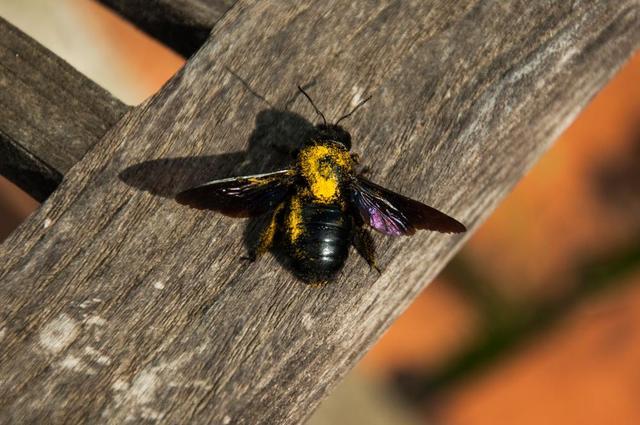
Carpenter Bees in Alabama
Carpenter bees bore into wood around Alabama homes and can lead to costly repairs. Learn how Alabama Professional Services treats them.
Schedule a Free Inspection of Wasp, Hornet and Yellow Jacket Nests
A technician inspects the property, walks you through what we find, and explains the treatment we recommend, with a clear estimate before any work starts. Alabama Professional Services does not offer honeybee removal services.